Autoflower Seeds in Michigan: A Complete Guide

Autoflower seeds Michigan: Autoflower seeds are ideal for Michigan growers due to their rapid growth cycle and adaptability to various light conditions. These seeds can reduce harvest time by 30%, allowing multiple harvests per season. Growers can maximize their yields by selecting strains tailored to Michigan’s climate, ensuring a successful cultivation experience.
In Michigan, autoflower seeds are gaining popularity for their ability to thrive in diverse climates and produce multiple harvests annually. These seeds flower based on age rather than light cycles, making them ideal for unpredictable weather. With THC levels often reaching 20-25%, they offer potent results for both recreational and medicinal users.
Recommended Strains

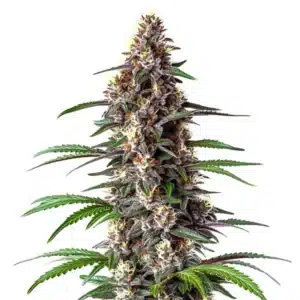
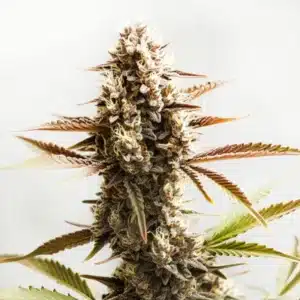
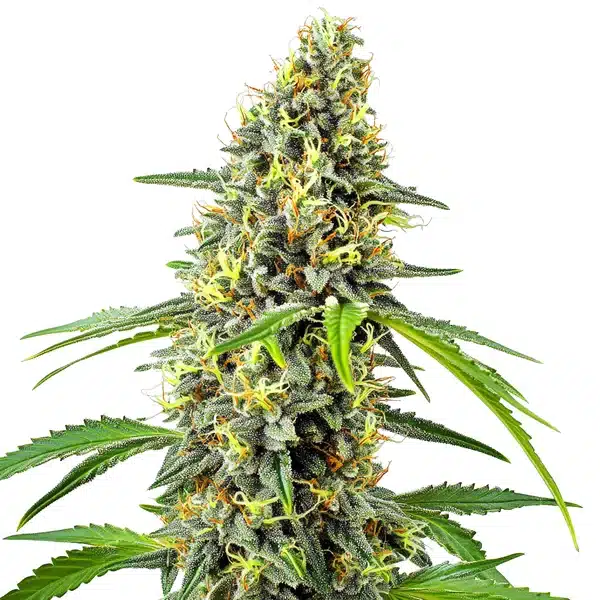
Critical Sunset Auto

|
THC | 18% - 22% (Medium) |

|
Type | Autoflowering |

|
Yield | High |

|
Phenotype | 60% Indica / 40% Sativa |
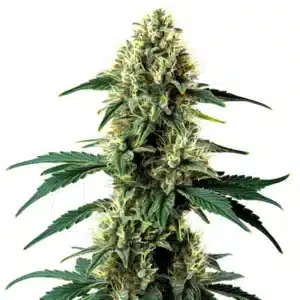
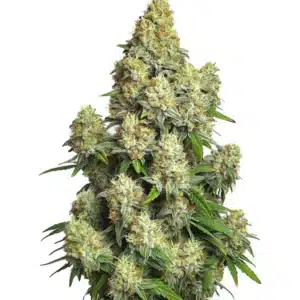
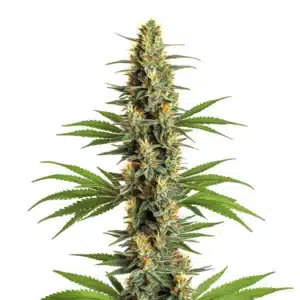
Deimos Auto
|
|
THC | 14% - 16% (Medium) |
|
|
Type | Autoflowering |
|
|
Yield | High |
|
|
Phenotype | 75% Indica / 25% Sativa |
Autoflower Seeds: Unique Characteristics
What Makes Autoflower Seeds Unique?
Autoflower seeds are distinct because they flower automatically after a set period, typically 8-10 weeks, regardless of light exposure. This trait stems from their genetic lineage, which includes Cannabis ruderalis, a species known for its resilience and short flowering time. This characteristic allows growers to cultivate multiple cycles per year.
Experienced cultivators report that autoflowers can achieve yields of 1.5-2 oz/ft² (450-600 g/m²) indoors under optimal conditions. The ability to flower under any light schedule, such as 18/6 or 20/4, provides flexibility for growers managing limited space or resources.
Practical Application & Impact
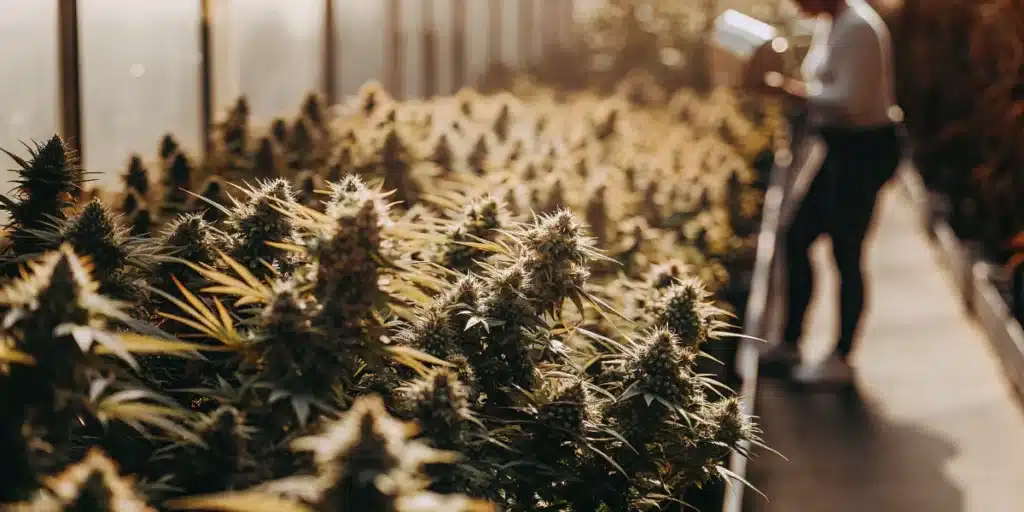
For Michigan growers, the adaptability of autoflower seeds means they can plant and harvest multiple times within the state’s growing season. This is particularly beneficial given Michigan’s variable climate, which can affect traditional photoperiod strains. Autoflowers can be planted as early as May and harvested by July, allowing for a second crop before the first frost.
Maintain a light schedule of 18/6 to maximize growth while minimizing energy costs. This schedule supports robust vegetative growth and efficient flowering, leading to higher yields without the need for complex light management systems.
Promos & Deals

Autoflower Seeds Michigan: Where to Buy
Dispensaries and Local Options
In Michigan, there are several dispensaries that sell seeds, providing local options for growers. These dispensaries often carry a variety of strains, including popular autoflowers, ensuring that you can find seeds suited to your specific needs. Local growers often recommend checking with these dispensaries for the latest offerings.
Explore the Seed Cellar catalog for a wide variety of autoflower seeds. This resource is invaluable for comparing different strains and selecting those best suited to your growing conditions. Additionally, it offers insights into the latest trends and popular strains among Michigan growers.
Where to Buy Feminized Autoflower Seeds
Learn where to buy feminized autoflower seeds in Michigan by visiting reputable seed banks and local dispensaries. Feminized seeds ensure that every plant is female, maximizing your yield potential. This is crucial for growers looking to optimize their harvests without the risk of male plants pollinating females.
Find auto flower seeds for sale near you with these local tips. Many growers recommend visiting established seed banks and dispensaries, as they provide reliable genetics and expert advice on cultivation techniques tailored to Michigan’s climate.
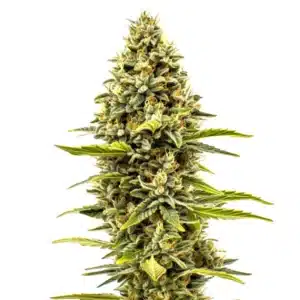
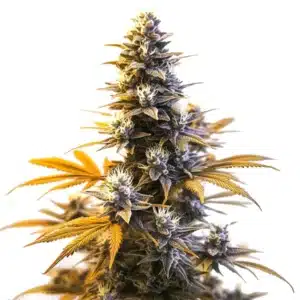
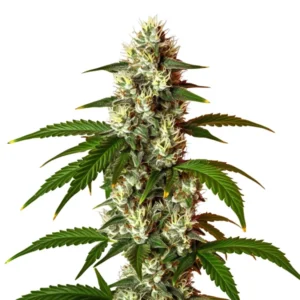
| Feature | Critical Sunset Auto | Critical Purple Auto | Deimos Auto |
|---|---|---|---|
| THC Content | 18-22% | 20-24% | 14-16% |
| Flowering Time | 8-10 weeks | 10-12 weeks | 8-10 weeks |
| Yield Indoor (oz/ft²) | 1.47 – 1.64 | 0.98 – 1.31 | 1.31 – 1.97 |
| Dominant Terpene | Myrcene | Caryophyllene | Limonene |
| Height | 1.5 m | 1.5 m | 1.5 m |
Pros and Cons of Autoflower Seeds
What is the Downside to Autoflowering Seeds?
While autoflower seeds offer many advantages, they also have drawbacks. One significant downside is their smaller size, which can lead to lower yields compared to photoperiod strains. Additionally, their fixed lifecycle means less flexibility in extending the vegetative phase for larger plants.
Growers should consider that autoflowers typically yield 1.5-2 oz/ft² (450-600 g/m²) indoors, which might not meet the demands of commercial operations. However, their rapid growth cycle can offset this by allowing multiple harvests per year.
Michigan Seed Breeders and Top Seed Banks
Michigan seed breeders offer unique genetics tailored to local climates, providing strains that thrive in the state’s varied conditions. These breeders focus on developing resilient strains that can withstand Michigan’s unpredictable weather patterns, ensuring consistent yields and potency.
Explore some of the best seed banks in the USA for quality and reliability. These seed banks offer a wide selection of strains, including those specifically bred for Michigan’s climate, ensuring you have access to the best genetics available.
Professional Tips for Growing Autoflower Seeds
- Maintain 58-62% RH during curing to preserve terpenes and prevent mold. Below 55% can halt terpene development, while above 65% risks mold growth within 48 hours.
- Use a light schedule of 18/6 to balance growth and energy efficiency. This supports robust vegetative development and maximizes yield potential without excessive energy costs.
- Ensure soil pH remains between 6.0-6.5 for optimal nutrient uptake. Deviations can lead to nutrient lockout, stunting growth and reducing yields.
- Monitor temperature, keeping it between 68°F and 77°F (20°C and 25°C) to prevent stress. Temperatures outside this range can slow growth and reduce potency.
- Choose strains with high myrcene content for enhanced THC absorption and relaxation effects. Myrcene facilitates THC uptake, intensifying its psychoactive effects.
- Rotate crops to prevent pest buildup and soil depletion. Continuous planting in the same location can lead to nutrient deficiencies and increased pest pressure.

FAQs About Autoflower Seeds
What is the downside to autoflowering seeds?
The downside to autoflowering seeds includes smaller plant size, leading to potentially lower yields compared to photoperiod strains. Their fixed lifecycle limits the ability to extend the vegetative phase. Typically, they yield 1.5-2 oz/ft² (450-600 g/m²) indoors, which may not suit commercial growers seeking larger harvests.
Do any commercial growers use autoflowers?
Yes, some commercial growers use autoflowers due to their rapid growth cycle and ability to produce multiple harvests annually. They are particularly popular in regions with short growing seasons, allowing for efficient space utilization and consistent production. Typical yields range from 1.5-2 oz/ft² (450-600 g/m²) indoors.
Do autoflower buds get you high?
Autoflower buds can indeed get you high, with THC levels often reaching 20-25%. These levels are comparable to many photoperiod strains, providing potent effects suitable for both recreational and medicinal use. The high is influenced by the strain’s terpene profile, enhancing the overall experience.
How do autoflowers compare to photoperiod strains?
Autoflowers differ from photoperiod strains by flowering based on age rather than light cycles, typically within 8-10 weeks. They are smaller, with yields of 1.5-2 oz/ft² (450-600 g/m²) indoors, but offer multiple harvests per year. Photoperiod strains often require more space and longer cycles.
What are the best conditions for growing autoflowers?
Optimal conditions for growing autoflowers include maintaining temperatures between 68°F and 77°F (20°C and 25°C) and humidity levels of 50-60%. A light schedule of 18/6 supports growth while minimizing energy costs. Soil pH should be kept between 6.0-6.5 for effective nutrient uptake.