USA Finally Approves Cannabis for Schedule III: What It Really Means for the Industry

This recent move by the U.S. government to reclassify cannabis into Schedule III has dominated headlines and search engines. However, understanding the true scope of this change is essential. The federal government is moving forward with a regulatory shift that reclassifies certain products, specifically those tied to medical use, while recreational cannabis remains under stricter federal controls. While the news suggests a total transformation, the reality is more nuanced.
Even so, this represents a historic policy shift. For decades, cannabis was a Schedule I substance, a category reserved for drugs with a high potential for abuse and no accepted medical use. Moving it to Schedule III acknowledges its recognized medical value while maintaining federal oversight.
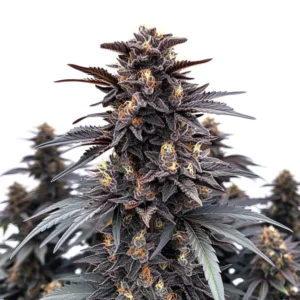
Recommended Strains

Cafe Racer

|
THC | 25% (High) |

|
Type | Feminized |

|
Yield | Medium |

|
Phenotype | 30% Indica / 70% Sativa |

Fat Bastard
|
|
THC | 30% - 38% (High) |
|
|
Type | Feminized |
|
|
Yield | High |
|
|
Phenotype | 50% Indica / 50% Sativa |
This transition reflects a decade of evolving public perception and scientific progress. As state-level legalization has expanded, so has research into therapeutic applications, eventually influencing federal policy. This shift signals a gradual normalization rather than immediate full legalization; cannabis remains a controlled substance, but the framework surrounding it is becoming significantly more flexible. Policy shifts like this echo debates elsewhere, such as whether industrial cannabis in Africa will open opportunities or exclude traditional farmers.
The market has already responded. Investor confidence is rising, and stakeholders are adjusting strategies in anticipation of further evolution. In this new landscape, genetics remain a critical pillar of cultivation. Strains from Blimburn Seeds, such as GG4, Blue Dream, and Girl Scout Cookies, remain highly sought after due to their consistency, potency, and commercial viability.
Economic Impact of USA Finally Approves Cannabis for Schedule III
The financial implications of this reclassification are profound, even with its partial scope. This adjustment directly alters how cannabis businesses operate, specifically regarding taxation. Previously, companies were subject to IRS limitations that prevented them from deducting standard business expenses. With the shift to Schedule III, these barriers are reduced, allowing for conventional tax treatment.
Consequently, companies can improve their margins and reinvest in growth, making the industry far more attractive to institutional capital. As legal risks decrease, a more predictable investment environment encourages long-term participation from major investors.
Additionally, access to banking services is expected to expand. Historically, federal restrictions forced many businesses to operate in cash-heavy environments. A less restrictive classification makes financial institutions more willing to provide essential services. While interstate commerce is not yet permitted, this shift lays the groundwork for future policy adjustments.
At the cultivation level, demand for high-performance genetics is set to surge. Producers are focused more than ever on yield and resilience. Blimburn Seeds offers iconic strains like Bruce Banner, Gelato, and Wedding Cake, which align perfectly with these new commercial requirements. Ancillary industries—including equipment manufacturers and logistics providers—are also positioned to see increased demand as the sector matures.
Promos & Deals




Medical and Scientific Impact
The scientific implications of this reclassification are particularly significant. For years, research was stifled by the administrative “red tape” associated with Schedule I. Under the new classification, these barriers are lowered, allowing researchers to conduct clinical trials with fewer obstacles.
This development will accelerate the validation of cannabis-based treatments for chronic pain, neurological disorders, and epilepsy. It also encourages the pharmaceutical sector to enter the space, as companies that previously avoided the plant due to regulatory complexity may now reconsider their position.
Furthermore, a structured regulatory environment supports the development of standardized dosing and quality control. This is essential for integrating cannabis into mainstream medical practice and providing healthcare professionals with the reliable data they need to make informed recommendations.
In cultivation, genetics tailored for medical use are becoming increasingly vital. Strains like White Widow, OG Kush, and Amnesia Haze from Blimburn Seeds are frequently selected for their balanced cannabinoid profiles. Overall, this shift strengthens the foundation for scientific progress while reshaping the role of cannabis in modern healthcare.
Legal and Regulatory Implications
While reclassification represents meaningful progress, the legal landscape remains complex. Cannabis continues to be regulated at the federal level, and the move primarily creates a partial alignment between federal policy and existing state medical programs.
However, because recreational cannabis remains outside the scope of this specific change, a dual regulatory structure persists. This continues to challenge businesses operating across different markets. Issues like interstate commerce remain unresolved, meaning companies must still operate within individual state boundaries, which limits scalability.
Compliance continues to be a critical factor. Businesses must adhere to strict regulations regarding production, labeling, and distribution, as well as anti-money laundering laws. Despite these hurdles, the environment is becoming more predictable, allowing for better long-term planning and reduced operational uncertainty.
Future of the Cannabis Market
This turning point signals a new era for the cannabis market, but it is not the final destination. In the short term, the industry is expected to undergo consolidation, where companies with strong operational efficiency and access to capital will gain a competitive edge.
Innovation will drive the next phase of growth through new product formats, improved delivery methods, and advancements in genetics. Blimburn Seeds remains at the forefront of this evolution, offering a wide range of strains adapted to both commercial and medical needs.
Internationally, the impact of U.S. policy cannot be overlooked. As one of the world’s largest markets, this regulatory shift will likely influence global trends and consumer perception. As cannabis becomes more integrated into legal and medical frameworks, its acceptance will continue to grow, supporting long-term global expansion.

Frequently Asked Questions
Does the reclassification to Schedule III mean cannabis is now fully legal in the USA?
No. While moving to Schedule III is a historic shift, it does not represent full federal legalization. It means the U.S. government now recognizes cannabis as having a legitimate medical use and a lower potential for abuse than Schedule I drugs. However, it remains a controlled substance, and recreational use is still subject to stricter federal regulations and individual state laws.
How does this change benefit cannabis business owners regarding taxes?
The most significant impact is the relief from IRS Section 280E. Previously, because cannabis was in Schedule I, businesses could not deduct standard operating expenses (like rent or payroll) from their federal taxes. Under Schedule III, these companies can finally claim normal business deductions, significantly improving their profit margins and allowing for more reinvestment.
Will it be easier for scientists to research the medical benefits of cannabis now?
Yes. Schedule I classification imposed heavy “red tape” and administrative hurdles that discouraged many institutions from studying the plant. The transition to Schedule III reduces these barriers, allowing for more comprehensive clinical trials and faster validation of cannabis-based treatments for conditions like chronic pain, epilepsy, and neurological disorders.
How does this regulatory shift affect the demand for high-quality seeds?
As the industry moves toward a more structured and professionalized medical framework, the demand for consistent, high-performance genetics is expected to surge. Professional cultivators now require stable strains with predictable cannabinoid profiles, such as Blimburn Seeds’ GG4 or Blue Dream, to meet the new standards of quality control and commercial viability required in a Schedule III environment.