Exploring Ancient Cannabis: The African Roots

Historical Roots: Cannabis, one of the earliest cultivated plants, has origins dating back 8,000 to 12,000 years in regions like Central Asia and China. Initially prized for its robust hemp fibers and seeds, its psychoactive qualities were harnessed in ancient rituals, medicinal practices, and shamanic ceremonies across various continents, illustrating its profound historical significance.
Cannabis has a rich history dating back 8,000 to 12,000 years, with significant roots in Africa. Ancient African societies utilized cannabis for medicinal, spiritual, and economic purposes, shaping resilient strains like Durban Poison. Understanding these origins enhances modern cultivation practices and highlights the plant’s global influence.
Recommended Strains

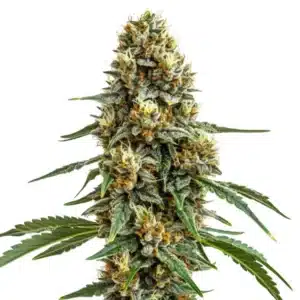
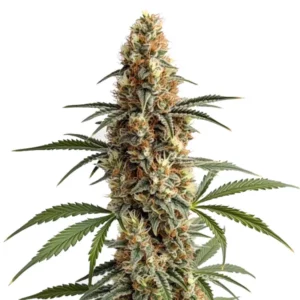
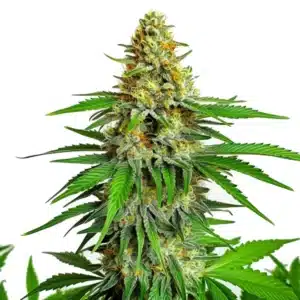
CBD Supreme Durban

|
CBD | 6% – 8% (Low) |

|
Type | CBD Feminized |

|
Yield | High |

|
Phenotype | 25% Indica / 75% Sativa |
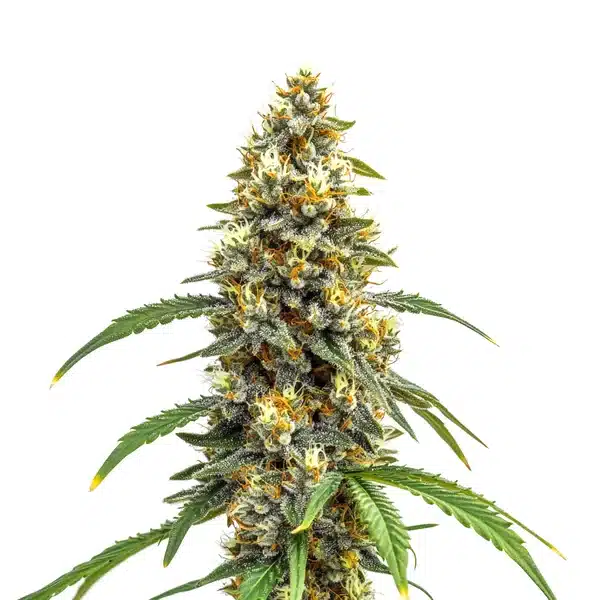
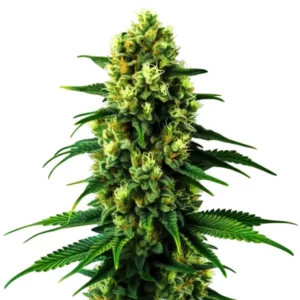
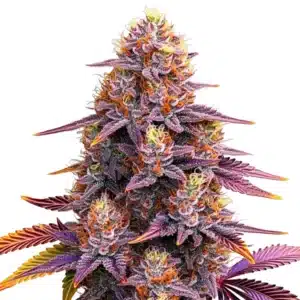
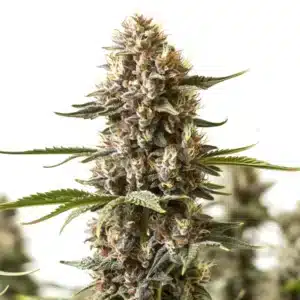
Carmen x Durban Poison

|
THC | 17% - 20% (Medium) |
|
|
Type | Feminized |
|
|
Yield | High |
|
|
Phenotype | 40% Indica / 60% Sativa |
The Origins of Ancient Cannabis
Tracing Back to African Soil
Cannabis cultivation in Africa dates back thousands of years, with evidence suggesting its use as early as 3,000 BCE. The African continent, with its diverse climates, provided ideal conditions for cannabis to thrive, particularly in regions like the Rift Valley and the Ethiopian Highlands. These areas offered the perfect blend of sunlight and soil, allowing cannabis to evolve into robust strains.
African cannabis, often referred to as african weed or african bush weed, developed unique characteristics due to its environment. The intense sun and varied climates led to the creation of strains with high THCA content, often reaching 20-25%, and distinct terpene profiles. These landrace strains are the ancestors of many modern hybrids.
The Role of Cannabis in Ancient African Societies
In ancient African societies, cannabis was more than just a plant; it was an integral part of daily life. Used in traditional medicine, it served as a remedy for ailments such as pain and digestive issues. Spiritual leaders used cannabis in rituals to connect with ancestors, believing it to be a bridge between the physical and spiritual worlds.
The economic impact of african marijuana was significant. Hemp fibers from cannabis were used to make ropes and textiles, essential for trade and daily life. This versatility ensured cannabis’s place as a staple crop, contributing to the economic stability of many communities.
Promos & Deals
African Cannabis Strains: A Living Legacy
Notable Strains and Their Characteristics
African landrace seeds, such as Durban Poison and Malawi Gold, are renowned for their resilience and potency. Durban Poison, for example, is a pure Sativa with a THCA content of 22-26%. Its dominant terpene, Terpinolene, contributes to its sweet, citrus aroma and energetic effects, making it a favorite among Sativa enthusiasts.
Malawi Gold, another legendary strain, is known for its euphoric high and spicy, earthy flavor. With a THCA content of 20-24%, it offers a potent experience. Its high levels of Myrcene enhance THC uptake and provide anti-inflammatory benefits, making it both powerful and therapeutic.
Modern Challenges and Opportunities in African Cannabis Cultivation
Legal and Cultural Barriers
Despite its rich history, cannabis cultivation in Africa faces significant legal and cultural challenges. Many African countries still have strict laws prohibiting cannabis cultivation and use, hindering the potential for economic growth. However, the global shift towards legalization presents opportunities for change.
The cultural stigma surrounding cannabis is another barrier. Education about the african roots of marijuana and its benefits is crucial to changing perceptions and promoting a sustainable industry. As more countries recognize the value of african cannabis, there is potential for economic development and cultural revitalization.
Environmental Considerations
African climates, with their long daylight hours and diverse conditions, significantly influence cannabis growth. These environments promote the development of resilient strains with unique terpene profiles. African cannabis often exhibits high THCA content and robust growth, adapted to withstand intense sun and varied climates.
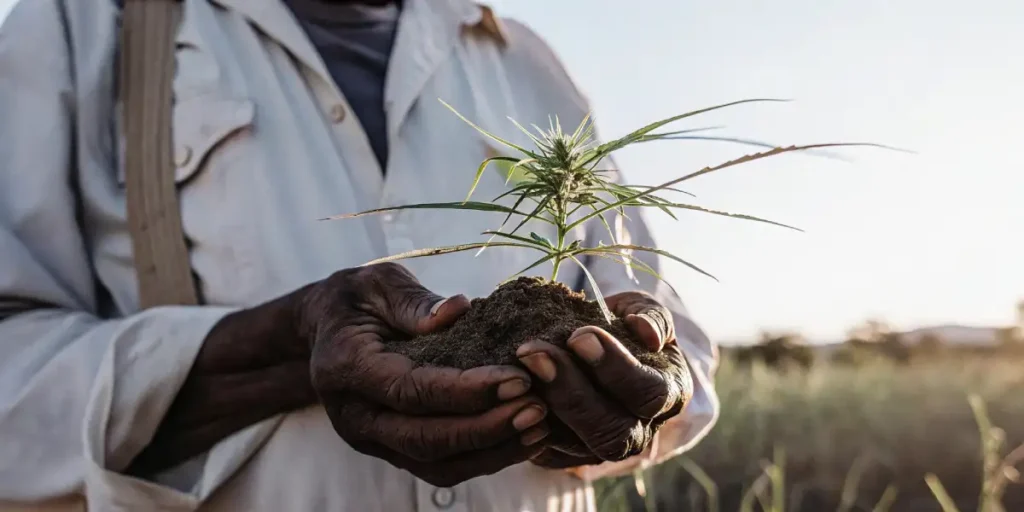
To replicate these conditions in modern cultivation, growers should focus on providing ample sunlight and maintaining optimal temperatures. Daytime temperatures should range between 20°C and 25°C (68°F – 77°F), with a nighttime drop of 8°C – 11°C (15°F – 20°F) to mimic natural African environments. This ensures the plant’s metabolism and transpiration processes are optimized, leading to healthier growth and higher yields.
Professional Tips for Cultivating African Cannabis
- Maintain 70-80°F (21-27°C) during flowering to mimic African climates. This range promotes optimal terpene production and enhances resin development.
- Use a 12/12 light schedule to initiate flowering in photoperiod strains. African Sativas often require longer flowering times, up to 12 weeks.
- Ensure soil pH is between 6.0-6.5. African strains thrive in slightly acidic conditions, which support nutrient uptake and growth.
- Monitor humidity at 50-60% RH to prevent mold. African strains are accustomed to drier conditions, making them susceptible to high humidity.
- Provide ample airflow with oscillating fans. This prevents heat stress and mimics the breezy African environments these strains are adapted to.
- Choose organic fertilizers with a balanced N:P:K ratio of 3:1:2 during vegetative growth to support robust development.
Frequently Asked Questions
What is the oldest cannabis?
The oldest known cannabis dates back to 8,000-12,000 years ago, originating in Central Asia and China. It was initially cultivated for its durable hemp fibers and seeds, with its psychoactive properties later utilized in rituals and medicine. This ancient cultivation laid the groundwork for the diverse strains we know today.
What did Egyptians use cannabis for?
In ancient Egypt, cannabis was used for medicinal and spiritual purposes. It was applied to treat inflammation and glaucoma and used in religious rituals. Cannabis oil, often mixed with other herbs, was a common remedy for various ailments, showcasing its versatility and importance in Egyptian culture.
How does African climate influence cannabis growth?
African climates, with their long daylight hours and diverse conditions, significantly influence cannabis growth. These environments promote the development of resilient strains with unique terpene profiles. African cannabis often exhibits high THCA content and robust growth, adapted to withstand intense sun and varied climates.
What makes African cannabis strains unique?
African cannabis strains are unique due to their genetic purity and resilience. They have evolved over thousands of years, adapting to diverse climates and developing high THCA levels, often exceeding 20%. These strains offer distinct terpene profiles and effects, making them highly sought after by breeders and consumers alike.