When to Top Outdoor Cannabis Plants for Optimal Growth

Quick answer: Top outdoor cannabis plants early in the vegetative stage, once they have developed about 4-6 nodes and after the last spring frost. This gives them the long days of summer veg to recover and build a wide, even canopy before flowering. Stop topping a couple of weeks before flowering begins (around midsummer as days shorten), and only ever top healthy, vigorous plants.
Timing is everything when topping outdoor cannabis. Topping, cutting the main growing tip so the plant splits into two main colas, encourages a bushier, wider, more productive plant, but do it at the wrong moment and you stress the plant or cost yourself yield. Outdoors, where you are tied to the seasons, getting the timing right matters even more than indoors. For the general rules that apply anywhere, see when to top a cannabis plant for best results.
Recommended Strains

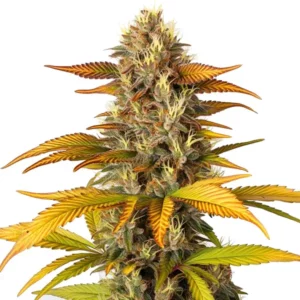
Acapulco Gold

|
THC | 15% - 19% (Medium) |

|
Type | Feminized |

|
Yield | High |

|
Phenotype | 30% Indica / 70% Sativa |

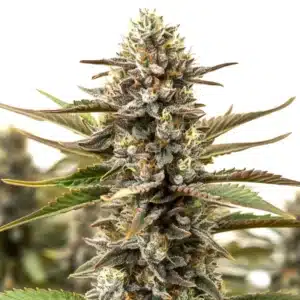
Acapulco Gold Autoflower
|
|
THC | 20% - 24% (High) |
|
|
Type | Autoflowering |
|
|
Yield | Medium |
|
|
Phenotype | 30% Indica / 70% Sativa |
The short version is to top early in vegetative growth, once the plant has four to six nodes and the risk of frost has passed, so it has the whole summer veg period to recover and fill out before flowering starts. Below we cover how to recognise the right moment, how late is too late, and how this fits with the rest of your training. For outdoor growers, reading the season is the key skill.
| Question | Outdoor answer |
|---|---|
| When to top? | Early veg, once the plant has 4-6 nodes |
| Season timing | After the last spring frost, during the long days of veg |
| How late is too late? | Stop a couple of weeks before flowering begins (around midsummer) |
| Plant condition | Only top healthy, vigorous plants; let them recover between cuts |
Recognising the Right Time to Top
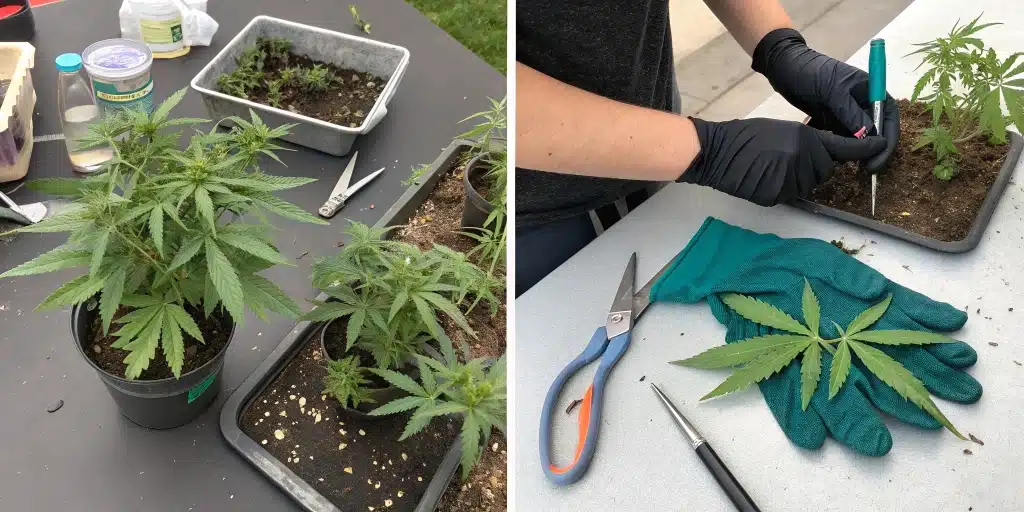
The plant tells you when it is ready. Wait until it has grown four to six nodes (pairs of leaves/branches), which means it is established enough to handle the stress and recover quickly, topping too early, on a tiny seedling, can set it back badly. The plant should be healthy and growing vigorously, not stressed, pest-ridden or recovering from transplant.
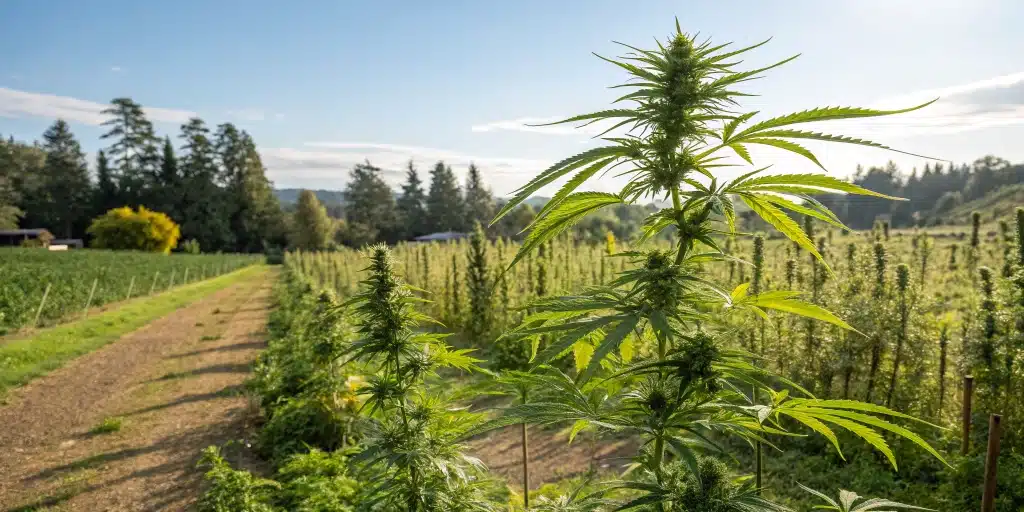
Season matters just as much outdoors. Top after the last spring frost, during the long days of late spring and early summer when the plant is in strong vegetative growth. This window gives it plenty of time and light to bounce back and develop the extra colas before the shortening days trigger flowering. Topping a healthy plant at 4-6 nodes in early summer is the sweet spot.
Promos & Deals
How Late Is Too Late to Top Outdoors?
There is a point where topping does more harm than good. Outdoors, you should finish all topping at least a couple of weeks before the plant starts flowering, which happens naturally as summer days shorten (often around or after midsummer, depending on your latitude and strain). Topping too close to, or during, flowering stresses the plant when it should be focusing all its energy on building buds, and can reduce your harvest.
So the practical limit is set by your season: only top while there is enough vegetative time left for full recovery before the flip. Once you are near that point, switch to gentle low-stress training (bending) instead of cutting. For the timing of when to stop in detail, see our guide on when to stop topping outdoor, and for how many times you can top overall, how many times you can top a plant.
Benefits of Topping Outdoors
Topping outdoor plants pays off in a few ways. By removing the main tip, you break the plant’s apical dominance so energy spreads to lower branches, creating multiple main colas instead of one, and a wider, bushier, flatter canopy. Outdoors, where plants can get very large, that wider structure catches more sunlight across more bud sites, which can meaningfully increase yield.
A flatter, more even canopy also improves airflow and light penetration through the plant, which helps reduce the risk of mould and larfy, undersized buds, valuable outdoors where humidity and weather are less controlled. The trade-off is a short recovery pause and a slightly longer veg, which is exactly why timing it early in the season matters so much.
Topping vs Other Outdoor Training
Topping is one of several ways to shape outdoor plants, and it works best combined with others. FIMing is a close relative, a less precise cut that can produce multiple new tops at once, while low-stress training (LST), gently bending and tying branches down, achieves a wide, even canopy without the recovery pause that cutting causes. Many outdoor growers top early for structure, then switch to LST as the season progresses.
The advantage of pairing them is timing flexibility: you get the extra colas from early topping, then keep shaping with stress-free bending right up to flowering, when cutting would be risky. Defoliation (removing some leaves) can also improve light and airflow in a big outdoor canopy. Used together and timed well, these techniques turn one tall plant into a wide, productive, healthy bush suited to the outdoor season.
FAQs about Topping Outdoor Plants
When should you top outdoor cannabis plants?
Top early in the vegetative stage, once the plant has about 4-6 nodes and after the last spring frost. This gives it the long summer veg days to recover and build a wide canopy before flowering. Only top healthy, vigorous plants, and stop a couple of weeks before flowering begins.
When is it too late to top outdoor plants?
Stop topping at least a couple of weeks before flowering starts, which outdoors happens as summer days shorten (often around or after midsummer). Topping too close to or during flowering stresses the plant when it should be forming buds and can cut your yield. Near that point, switch to gentle low-stress training instead.
How many nodes before topping outdoors?
Wait until the plant has about 4-6 nodes (pairs of branches) before topping. By then it is established enough to handle the stress and recover quickly. Topping a tiny, young seedling can set it back, so let it build those nodes first, and make sure it is healthy and growing vigorously before you cut.
Should I top autoflowers outdoors?
Usually not, or only once and early. Autoflowers run on a fixed, short clock with little time to recover from topping, so many growers skip it outdoors and use gentle low-stress training (bending) instead. Photoperiod outdoor plants, with a long summer veg, are the ones that benefit most from topping. Top only healthy plants.