Expert Guide: Proven Ways to Tackle Inter-Lab Variability in Cannabis Residue Testing

Inter-lab variability in cannabis residue testing is a challenge that affects both first-time cannabis seed buyers and seasoned growers. When you send a sample to different labs, you might get varying results. This inconsistency can be baffling. It’s crucial to understand the factors contributing to these differences to make informed decisions.
Residue testing is crucial for ensuring that cannabis is safe for consumption. However, inter-lab variability in cannabis residue analysis can lead to confusion. When results differ from one lab to another, it raises questions about the accuracy and reliability of the testing methods.
Recommended Strains
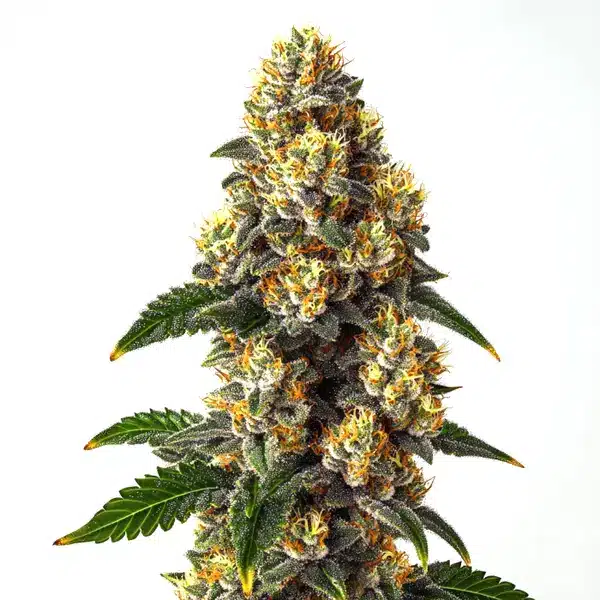
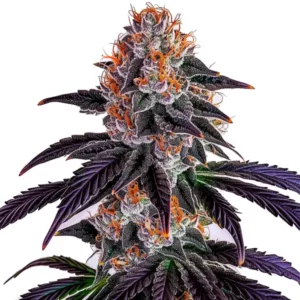
Bubba Kush

|
THC | 14% - 19% (Medium) |

|
Type | Feminized |

|
Yield | High |

|
Phenotype | 80% Indica / 20% Sativa |

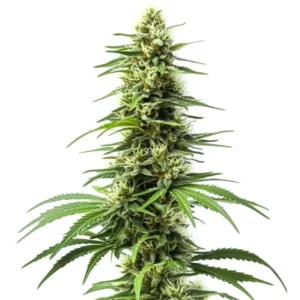
Sour Diesel
|
|
THC | 22% - 25% (High) |
|
|
Type | Feminized |
|
|
Yield | High |
|
|
Phenotype | 30% Indica / 70% Sativa |
From the type of equipment used to the specific methodologies applied, several factors contribute to cannabis residue testing lab differences. By focusing on key variables and standardizing procedures, the industry can move towards more reliable testing outcomes.
The Impact of Testing Methods on Results
One major source of variability in cannabis residue test results is the method used by the testing lab. Different labs may employ varying techniques and equipment, leading to differing results. For instance, one lab might use gas chromatography, while another uses liquid chromatography.
These methods, though both valid, can yield slightly different results due to their inherent technical differences. Labs like to stick to what they know best, but this often creates discrepancies when comparing results. Consistency in methods across labs could help reduce these differences.
Besides, the calibration standards used by labs can contribute to differences in test outcomes. If labs do not use standardized calibration techniques, the results can vary significantly. By adopting uniform calibration standards, the industry can minimize inconsistencies in cannabis residue lab testing.
Moreover, the skill level of technicians and their familiarity with the testing methods can also impact results. Regular training and proficiency testing can ensure that technicians are well-versed in their methods, reducing inter-lab variability in cannabis residue testing.
Promos & Deals
Standardization: The Key to Consistency
To tackle inter-laboratory cannabis residue testing comparison issues, standardization is key. When all labs follow the same protocols, the chances of inconsistencies in cannabis residue lab testing decrease significantly. This means using the same quality control samples and calibration standards.
For example, if you are testing a strain like Bubba Kush from Blimburn Seeds, ensuring that each lab uses identical procedures will help in getting comparable results. Strains with unique properties need special attention to maintain consistency in testing outcomes.
Standardization also involves the adoption of uniform reporting formats. Variability in cannabis residue test results can be exacerbated when labs use different metrics or reporting styles. By agreeing on a standardized reporting framework, labs can present their findings in a comparable manner.
Furthermore, the implementation of inter-lab proficiency testing programs can greatly assist in identifying disparities among labs. These programs allow labs to compare their results with others, encouraging them to refine their procedures for better consistency.
Real-Life Examples of Inter-Lab Variability
Consider a scenario where you harvest a batch of Sour Diesel from Blimburn Seeds. You send samples to three different labs. The first lab reports a residue level of 2 ppm, the second reports 3 ppm, and the third 2.5 ppm. These differences, while small, can significantly impact your next steps.
Such variability in cannabis residue test results can lead to confusion about whether the product is safe for consumption. Each lab’s unique approach and equipment calibration contribute to these differing results.
Another example might involve a strain like Gelato from Blimburn Seeds. If one lab reports high residue levels while another reports them as negligible, growers face the difficult decision of determining which results to trust. This highlights the importance of addressing cannabis residue testing lab differences.
Inconsistencies in cannabis residue lab testing can also affect product labeling and consumer trust. When results vary greatly, it can lead to mismatched labeling, impacting consumer safety and the reputation of cannabis brands.
Practical Solutions for Growers
For growers, knowing the nuances of inter-lab variability in cannabis residue testing is vital. One practical approach is to establish a relationship with a reputable lab and consistently use their services. This reduces variability by providing a consistent baseline.
Another tip is to conduct parallel testing. Send the same sample to multiple labs and compare the results. This can help identify any outliers and give you a clearer picture of what to expect in terms of residue levels.
Engaging with industry experts and attending workshops can also provide growers with the knowledge needed to select the best labs for their testing needs. Being informed about the latest advancements in testing technology can help in making better choices.
Additionally, growers should consider investing in their own in-house testing capabilities. While not a replacement for accredited labs, it can serve as a preliminary check to ensure samples meet expected standards before sending them to external labs for confirmation.

FAQs about inter-lab variability in cannabis residue testing
What causes inter-lab variability in cannabis residue testing?
Several factors contribute to inter-lab variability in cannabis residue testing. Different labs may use varied testing methods, equipment, and calibration standards. These differences in methodologies can lead to discrepancies in test results.
Moreover, the skill level and experience of the lab technicians can also impact the outcomes. Ensuring consistent training and adhering to standardized procedures can help reduce these variances.
Environmental factors, such as temperature and humidity, can also affect test results. Labs located in different climatic conditions may experience slight variations in outcomes, which can add to the variability in cannabis residue analysis.
The age and storage conditions of samples can further contribute to discrepancies. Samples that are not stored properly may degrade, leading to inconsistent results across labs.
Can standardization completely eliminate testing inconsistencies?
While standardization can significantly reduce inconsistencies in cannabis residue lab testing, it may not completely eliminate them. Human error, equipment malfunctions, and unique strain characteristics can still result in some variability.
However, standard protocols and regular audits can minimize these issues, leading to more reliable and consistent results across different laboratories.
Implementing continuous improvement processes within labs can further help in reducing inconsistencies. Regular reviews and updates to protocols ensure that labs are using the most accurate and current methods available.
Despite the best efforts, complete elimination of variability may not be achievable, but maintaining transparency in testing methods and results can help build trust among consumers and industry stakeholders.
How can growers ensure accurate testing of their cannabis strains?
Growers can ensure more accurate testing by choosing accredited labs that adhere to industry-standard practices. Establishing relationships with reputable labs and consistently using their services can provide more reliable results.
Additionally, growers should consider sending samples to multiple labs for comparison and engaging with the community to get insights on the most reliable testing services available.
Maintaining detailed records of growing conditions, including soil composition and nutrient use, can also aid labs in knowing potential sources of residue, thus enhancing the accuracy of test results.
Moreover, collaborating with labs to understand their testing processes and limitations can help growers set realistic expectations and make informed decisions regarding their products.
What are some common methods used in cannabis residue testing?
Common methods used in cannabis residue testing include gas chromatography and liquid chromatography. Each method has its advantages and limitations, which can contribute to inter-laboratory differences.
Gas chromatography is often used for volatile compounds, while liquid chromatography is better suited for non-volatile residues. Knowing these methods can help in choosing the right lab for specific testing needs.
Mass spectrometry is another technique often used in conjunction with chromatography for identifying and quantifying residues. This method can provide enhanced sensitivity and specificity, especially for complex samples.
Knowing the analytical techniques available can empower growers and producers to select the most appropriate methods for their specific cannabis strains, reducing inter-lab variability in cannabis residue testing.
Why is cannabis residue testing important for consumers and growers?
Cannabis residue testing is crucial for ensuring safety and compliance. For consumers, it assures them that the product they are using is free from harmful residues. For growers, it helps in maintaining quality and meeting regulatory standards.
Accurate testing is vital for building trust in the cannabis industry and ensuring that products are both safe and effective for end-users. Addressing inter-lab variability in cannabis residue testing is a step toward achieving these goals.
For consumers, reliable testing means access to products that are safe and free of contaminants, enhancing their overall experience and health. Trustworthy products lead to greater consumer confidence and repeat purchases.
For the industry at large, reducing cannabis residue testing lab differences is essential for upholding the integrity of the market and facilitating international trade, as countries may have varying safety and quality standards.