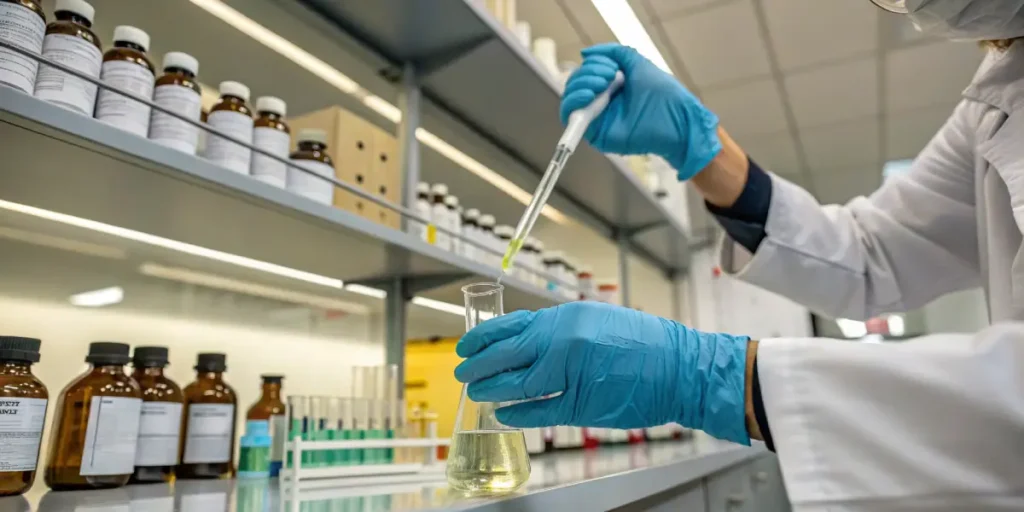
Expert Guide: Proven Ways to Cut Turnaround Time and Cost for PGR Residue Testing

In the fast-growing world of cannabis cultivation, ensuring the purity of your product is crucial. Plant Growth Regulators (PGRs) can affect the quality and safety of cannabis, making PGR residue testing a necessary step. However, concerns about the turnaround time and cost for PGR residue testing often arise. This guide provides practical tips to help you navigate these challenges efficiently.
For first-time cannabis seed buyers and experienced growers, dealing with PGR residue testing can be daunting. The key is to understand how to minimize both the time and expenses involved. By learning the best practices, you can ensure compliance without breaking the bank. The surest way to stay compliant is to document everything in a standard operating procedure for PGR residue monitoring and to run it alongside checks for heavy metals introduced during processing.
Recommended Strains

Blue Dream

|
THC | 17% - 24% (High) |

|
Type | Feminized |

|
Yield | High |

|
Phenotype | 50% Indica / 50% Sativa |

Girl Scout Cookies
|
|
THC | 18% - 25% (High) |
|
|
Type | Feminized |
|
|
Yield | High |
|
|
Phenotype | 60% Indica / 40% Sativa |
Blimburn Seeds offers a range of cannabis strains, such as GG4, Girl Scout Cookies, and Blue Dream, that are popular among growers for their robust yields and quality. Choosing the right strain is just one part of maintaining a healthy crop free from harmful residues.
Streamlining PGR Residue Testing Processes
To reduce the turnaround time for PGR residue testing, it’s essential to streamline your processes. Start by selecting a reputable laboratory known for its quick processing times. A PGR residue testing laboratory turnaround time can vary, so researching and comparing options is key.
Another way to streamline the process is by preparing samples correctly. Ensure that your samples are clean and properly labeled to avoid delays. Communicate clearly with the laboratory to understand their requirements. This simple preparation can significantly cut down the wait time.
Knowing your laboratory’s workflow can also contribute to reducing turnaround time. Familiarize yourself with their procedures and establish a rapport with the staff. This relationship can lead to a better knowing of their operations, helping you align your sample submissions with their peak processing capacities.
Additionally, consider investing in technology that aids in sample preparation. Automated systems can enhance precision and speed, ensuring that samples are ready for processing at the laboratory. This not only reduces handling time but also minimizes errors that could lead to retesting, thereby cutting down on both turnaround time and cost for PGR residue testing.
Choosing the Right Laboratory
Not all laboratories are created equal. When selecting a lab, look for those offering affordable PGR residue testing services USA. A cost-effective PGR residue testing solution doesn’t mean compromising on quality. It’s about finding the right balance between cost and efficiency.
Ask for recommendations from fellow growers or industry forums. Personal experiences can provide valuable insights into the reliability and speed of various labs. For instance, knowing how a lab handled another grower’s GG4 strain can be particularly enlightening.
Look for laboratories that are accredited by relevant authorities. Accreditation ensures that the lab adheres to high standards, providing reliable results. Consistently accurate testing results can save you from costly errors that could impact your crop’s quality and compliance.
Furthermore, evaluate the laboratory’s customer service and support. A lab that offers excellent communication and support can be an invaluable partner. They can provide timely updates and assist you with any issues that arise during the testing process, ensuring a smooth experience from start to finish.
Promos & Deals




Cost Analysis for PGR Residue Testing
Conducting a PGR residue testing cost analysis is crucial for budget-conscious growers. Start by listing all potential expenses associated with the testing process. This includes sample collection, shipping, laboratory fees, and any additional tests you may need.
By knowing these costs, you can identify areas where you might save. For example, combining tests or opting for bulk services can reduce individual test costs. This makes it easier to plan your budget and avoid unexpected expenses.
Consider the long-term benefits of investing in quality testing. While cheaper alternatives may seem appealing, they can lead to inaccurate results, requiring additional tests and increasing overall costs. A thorough PGR residue testing turnaround time cost analysis helps in making informed decisions.
Additionally, developing a comprehensive testing schedule can prevent unnecessary tests. By anticipating your testing needs in advance, you can take advantage of package deals and discounts, further optimizing your budget for PGR residue testing.
Tips for Lowering Testing Costs
One effective way to lower costs is by negotiating with your testing provider. If you frequently test your Girl Scout Cookies or other strains, a long-term partnership might lead to discounts. Open communication with your provider can reveal opportunities for savings.
Another tip is to stay informed about industry trends. Sometimes, new technologies or methods emerge that offer cheaper, faster testing. Keeping an eye on these developments can give you an edge in reducing costs without sacrificing quality.
Utilizing online platforms and forums to share insights and strategies with other growers can also be beneficial. Collaborative efforts can lead to collective bargaining power, enabling you to negotiate better rates with laboratories offering affordable PGR residue testing services USA.
Moreover, consider participating in cooperative testing initiatives. These programs allow growers to pool resources and share costs, making it easier to access high-quality testing services at a fraction of the individual cost.
Time and Cost Comparison of Testing Methods
When comparing testing methods, consider both time and cost. Some methods might be faster but more expensive, while others take longer but are more affordable. Evaluating these factors helps you make an informed decision based on your priorities.
For instance, if you’re dealing with a high-value crop like Blue Dream, you might prioritize speed to ensure timely harvests. On the other hand, less time-sensitive strains might allow for cost-saving measures even if they take longer to test.
Utilize a PGR residue testing time and cost comparison to weigh the advantages and disadvantages of each method. Consider the impact on your production timeline and budget, ensuring that your chosen approach aligns with your overall cultivation strategy.
Additionally, don’t overlook the potential for innovative testing methods to emerge. Staying informed about technological advancements can provide opportunities to adopt cutting-edge techniques that offer a better balance of turnaround time and cost for PGR residue testing.
Balancing Speed and Cost
Finding the right balance between speed and cost depends on your specific needs and constraints. If time is of the essence, investing in faster methods might be worth the higher cost. Always weigh the benefits of quick results against the potential impact on your budget.
Consider the lifecycle of your cannabis plants. Scheduling tests at strategic points can prevent unnecessary delays in your growing cycle. For instance, testing early can catch potential issues before they affect the entire crop.
Developing a detailed plan for your testing schedule can help you optimize both time and expenses. By anticipating your needs, you can strategically plan for faster or more cost-effective testing depending on the stage of your crop’s growth cycle.
Lastly, regularly review and adjust your testing strategy to adapt to changing circumstances. Being flexible and responsive to your cultivation needs ensures that you maintain the quality of your product without incurring excessive costs.

FAQs about turnaround time and cost for PGR residue testing
What is the average turnaround time for PGR residue testing?
The average turnaround time for PGR residue testing depends on the laboratory and the specific tests required. Typically, results can range from a few days to several weeks. Selecting a lab with a proven track record for quick processing can help ensure faster results.
Some labs offer expedited services at an additional cost, which can be beneficial for urgent testing needs. Always clarify the expected timeframe with your chosen provider to manage expectations and plan accordingly.
It’s also important to consider how the turnaround time aligns with your overall cultivation schedule. A laboratory that can reliably meet your timing needs offers peace of mind and supports efficient production.
Engaging with a lab that provides transparent communication about PGR residue testing laboratory turnaround time allows you to make informed decisions and adjustments to your growing operations as needed.
How can I reduce the cost of PGR residue testing?
Reducing the cost of PGR residue testing involves strategic planning and negotiation. Opt for laboratories that offer package deals or discounts for bulk testing. Building a long-term relationship with a lab might also lead to cost-saving opportunities.
Additionally, staying updated on industry advancements can reveal cheaper testing methods. Sharing costs with other growers by pooling samples for testing can further decrease expenses.
Explore cost-effective PGR residue testing solutions by comparing multiple service providers. Consider the value of the service, not just the price, to ensure you’re getting the best deal possible without compromising quality.
Think creatively about resource management. Efficiently using your cultivation resources can reduce waste and unnecessary expenses, allowing you to allocate more funds to essential testing without impacting your budget negatively.
Why is PGR residue testing important for cannabis growers?
PGR residue testing ensures that cannabis is free from harmful growth regulators, which can affect product safety and quality. For both consumers and growers, maintaining a clean product is critical for health and compliance with regulations.
By regularly testing strains like Gorilla Glue, Girl Scout Cookies, and Blue Dream from Blimburn Seeds, growers can ensure their products meet industry standards and consumer expectations.
Moreover, consistent testing helps in building trust with customers. Knowing that you prioritize their safety and adhere to industry standards can enhance your brand reputation and lead to increased customer loyalty.
Regular testing also provides valuable data that can improve your cultivation techniques. Identifying patterns in PGR residues can guide you in refining your growing practices to enhance both yield and quality.
Are there cost-effective PGR residue testing solutions available?
Yes, many laboratories offer cost-effective PGR residue testing solutions. It’s essential to research and compare different providers to find one that balances cost with quality and speed. Consider labs that offer comprehensive packages and bulk testing discounts.
Engaging with the cannabis growing community can also provide insights into affordable testing services. Recommendations from fellow growers can be invaluable in finding reliable, cost-effective options.
Explore partnerships with laboratories that specialize in cannabis testing, as they might offer tailored solutions that fit your specific needs, ensuring you get the best value for your investment.
Remember that cost-effective solutions aren’t always the cheapest option. Aim for a balance where you receive high-quality, timely results that support your cultivation goals and ensure compliance.
What factors influence the cost of PGR residue testing?
The cost of PGR residue testing is influenced by several factors, including the type of test, the number of samples, and the laboratory’s pricing structure. Additional services like expedited testing or detailed reporting can also affect the overall cost.
Knowing these factors allows growers to make informed decisions about their testing needs. By planning and choosing wisely, you can manage costs effectively while ensuring product quality and compliance.
Consider potential hidden costs, such as retesting due to inaccurate initial results or delays in processing. Ensuring accuracy and reliability in your testing can prevent such unexpected expenses.
Finally, factor in the long-term benefits of maintaining a high-quality product. Investing in reliable testing supports sustainable business growth by ensuring that your product remains competitive in the market.