Friend or Foe? A Grower’s Guide to Male Cannabis Plants

A male cannabis plant produces pollen sacs instead of the smokeable, resinous buds that female plants grow. For most growers chasing seedless (sinsemilla) flower, males are removed early, because if they pollinate your females, those females spend energy making seeds instead of potent buds.
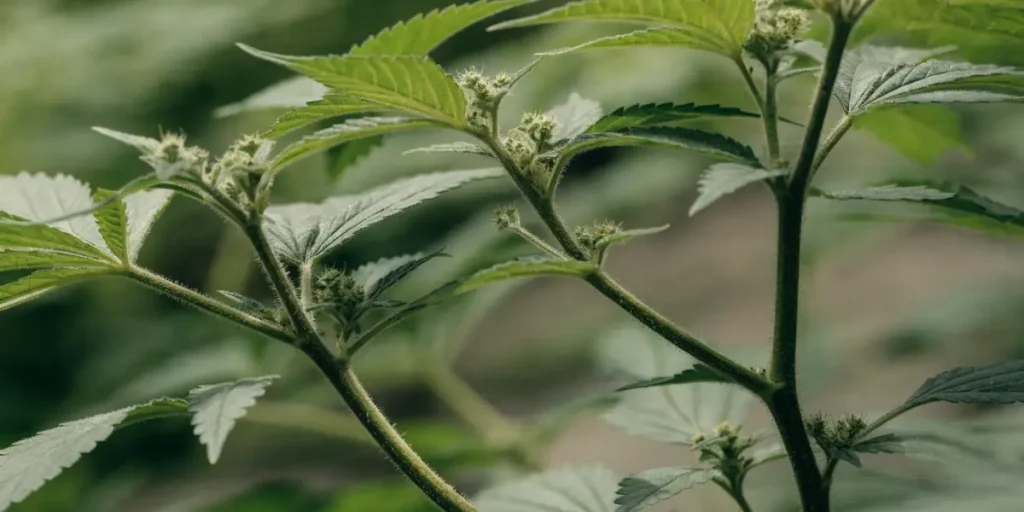
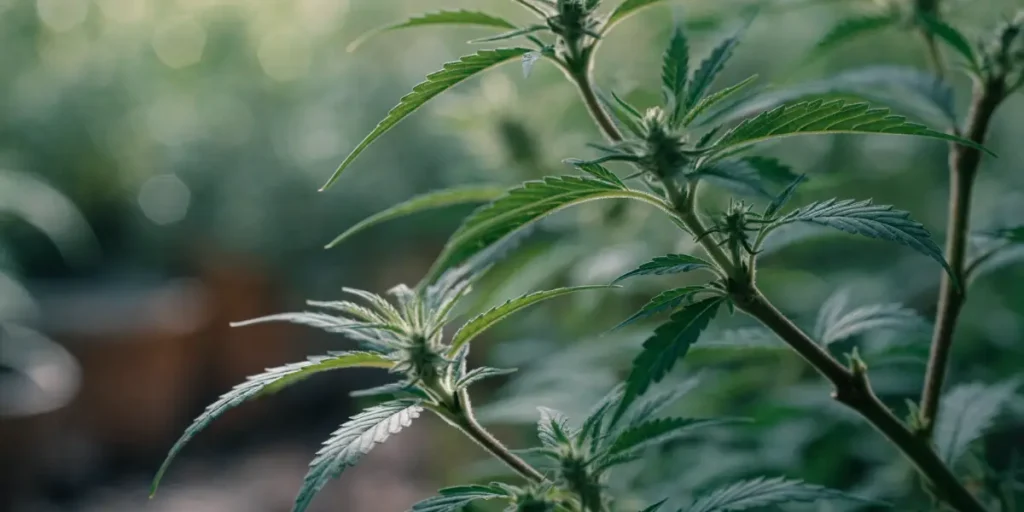
You can spot a male weed plant by the small, round, ball-like pollen sacs that form at the nodes, with no white pistils. Males are not useless, though: they are essential for breeding and making seeds. Identify and separate them early.
Recommended Strains
Kabrales

|
THC | 18% - 20% (Medium) |

|
Type | Feminized |

|
Yield | Medium |

|
Phenotype | 90% Indica / 10% Sativa |

Kabrales Auto
|
|
THC | 14% - 16% (Medium) |
|
|
Type | Autoflowering |
|
|
Yield | Medium |
|
|
Phenotype | 70% Indica / 30% Sativa |
Male vs Female: How to Tell Them Apart
The sexes reveal themselves at the nodes during pre-flower, usually around weeks 4-6. Here is what to look for:
| Sign | Male plant | Female plant |
|---|---|---|
| Pre-flower shape | Round, ball-like pollen sacs | Teardrop calyx with white hairs |
| Pistils (white hairs) | Absent | Present, wispy and white |
| Timing | Often shows sex a little earlier | Shows pistils weeks 4-6 |
| Structure | Taller, fewer leaves, sturdier | Bushier, more leafy growth |
Use a magnifying glass at the nodes if you are unsure, catching males before the sacs open and release pollen is critical.
Promos & Deals
Why Growers Remove Male Plants
The reason most growers remove males comes down to one word: sinsemilla, meaning ‘without seeds’. The potent, resin-covered flower we all want comes from unpollinated female plants. If a male’s pollen reaches your females, they shift their energy into producing seeds rather than fattening and frosting their buds, lowering potency, yield and smoking quality. Even one unnoticed male in a grow can pollinate a whole crop.
That is why spotting and removing males (or growing feminized seeds in the first place) is such a core skill. If you want to skip the guesswork entirely, feminized seeds are bred to produce virtually all female plants.
When Are Male Cannabis Plants Useful?
Males get a bad reputation, but they are indispensable in one context: breeding. To create new seeds, cross strains, or preserve genetics, you need a male to provide pollen. A carefully selected male passes on valuable traits such as vigor, disease resistance and structure, so breeders judge males just as carefully as females.
For the home grower whose goal is smokeable buds, males are still something to remove, but it helps to understand they are not simply ‘bad’ plants, they are half of the genetic equation. If you ever want to make your own seeds, a healthy, well-chosen male becomes an asset rather than a threat.
Hermaphrodites: The Tricky Middle Ground
Sometimes a plant develops both female pistils and male pollen sacs, a hermaphrodite, usually triggered by stress such as heat, light leaks or damage. Hermies are a problem because they can self-pollinate and seed your crop just like a male. Inspect regularly for small pollen sacs (often banana-shaped ‘nanners’) appearing among the buds, especially on stressed plants.
If you catch a few early, you can sometimes remove them carefully and save the plant, but a plant that keeps throwing male parts is usually best removed to protect the rest. To tell females apart with confidence, see our guide to the early signs of female plants.
How Early Can You Tell a Plant Is Male?
Most plants reveal their sex during pre-flower, typically around weeks 4-6 of growth, and males often show a touch earlier than females. The first male sign is small, round pollen sacs clustering at the nodes, with no white pistils. If you want to know sooner, some growers use a trick: take a clone or a lower branch and flip it to 12/12 light to force pre-flowers early, revealing the mother plant’s sex without disrupting the main grow.
Otherwise, patient daily inspection of the nodes from week 4, ideally with a magnifying glass, is the simplest reliable method. The earlier you confirm males, the less risk they pose.
What to Do With Male Plants Once Identified
Once you have confirmed a male, you have two choices. If you are not breeding, remove it from the grow area promptly and carefully, before any pollen sacs open, so it cannot pollinate nearby females; dispose of it or compost it well away from your garden.
If you are interested in making seeds or preserving genetics, isolate the male in a separate, enclosed space where its pollen cannot drift to your flowering females, and collect pollen deliberately. Either way, act decisively, an unmanaged male in or near a flowering garden is the fastest way to end up with a seeded, lower-quality crop.
The Bottom Line on Male Cannabis Plants
Male weed plants grow pollen sacs, not buds, and for most growers the goal is to spot them early (round sacs at the nodes, no white pistils, around weeks 4-6) and remove them before they pollinate your females. They are not worthless, they are essential for breeding, but in a bud-focused grow they are a liability. Inspect often, act fast, and consider feminized seeds to skip the problem entirely.
Frequently Asked Questions
What does a male cannabis plant look like?
A male cannabis plant grows small, round, ball-like pollen sacs at the nodes (where branches meet the stem), with no white pistils. It tends to be taller, with fewer leaves and a sturdier structure than females. The pollen sacs appear during pre-flower, often a little earlier than female pistils, usually around weeks 4-6.
Why should I remove male plants from my garden?
Because male pollen pollinates your female plants, making them produce seeds instead of potent, seedless buds. Even one unnoticed male can seed an entire crop, cutting potency, yield and quality. Unless you are breeding, remove males as soon as you spot their pollen sacs, before the sacs open and release pollen.
What is a hermaphrodite cannabis plant?
A hermaphrodite (or ‘hermie’) develops both female pistils and male pollen sacs, usually due to stress like heat, light leaks or damage. It can self-pollinate and seed your crop like a male. Inspect stressed plants for small banana-shaped pollen parts among the buds, and remove or treat them early to protect the rest.
Can I save a plant that starts growing pollen sacs?
Sometimes. If only a few pollen sacs appear early, you can carefully remove them and fix the stress that caused it, light leaks, heat or damage. But a plant that keeps throwing male parts is usually best removed, since the risk of pollinating your whole crop outweighs saving one plant. Prevention through low stress is best.