9-Leaf Weed Plant: What It Means (and Leaf Counts)

Quick answer: A 9-leaf weed plant simply has fan leaves made up of nine leaflets (the ‘fingers’) instead of the usual five to seven. It is generally a good sign, indicating a healthy, mature plant, often with sativa-leaning genetics, growing in strong conditions. It is not a problem or anything to fix; it reflects vigour and good growth.
First, a clarification: a ‘9-leaf’ plant does not mean nine separate leaves. It means a single fan leaf made up of nine leaflets, the slender ‘fingers’ that fan out from one stem. Most mature cannabis leaves have five to seven, so nine is simply more than average.
Recommended Strains
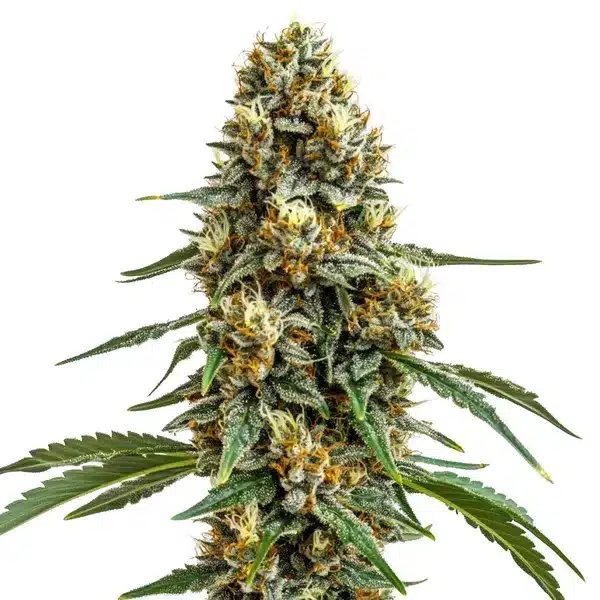
Durban Poison

|
THC | 15% - 25% (High) |

|
Type | Feminized |

|
Yield | High |

|
Phenotype | 10% Indica / 90% Sativa |

Durban Poison Autoflower
|
|
THC | 21% - 25% (High) |
|
|
Type | Autoflowering |
|
|
Yield | Low |
|
|
Phenotype | 20% Indica / 80% Sativa |
Seeing nine-finger leaves is usually a positive sign. It tends to appear on healthy, mature plants, especially sativa-leaning genetics, that are growing vigorously in good conditions. The table below puts leaflet counts in context, and the sections after explain why they vary and what, if anything, to do about it.
| Leaflets (‘fingers’) | What it usually means |
|---|---|
| 1-3 (seedling/new growth) | Young plant or fresh top growth; normal early on |
| 5-7 (typical mature) | Standard for most healthy mature cannabis |
| 9 (vigorous/sativa-leaning) | Healthy, mature plant in strong conditions; often sativa genetics |
| 11+ (exceptional) | Rare; very vigorous genetics and near-ideal conditions |
Why Some Plants Grow 9-Finger Leaves
Leaflet count comes down to genetics and growing conditions. Sativa-leaning strains are naturally predisposed to more, thinner leaflets, so they are more likely to show nine (or even eleven) fingers, while broad-leaf indicas tend toward fewer, wider leaflets. Within a strain, each node can produce more leaflets when the plant is thriving.
There is a practical logic to it too: more leaflets mean more leaf surface for capturing light, which boosts photosynthesis and energy production during the vegetative stage. So a flush of nine-finger leaves often signals a plant that is healthy and making the most of good light and conditions.
Promos & Deals
Is a 9-Leaf Plant a Good Sign?
For the most part, yes, nine-finger leaves are a reassuring sign of a vigorous, mature plant heading into a productive flowering phase, so there is nothing to ‘fix’. A strong vegetative stage, which heavy, healthy foliage reflects, usually sets up a better flowering period and yield.
The only time leaf changes are worth attention is when they come with problems, discoloration, spots, curling or wilting, which point to a deficiency or stress rather than the leaflet count itself. On its own, a jump from seven to nine fingers is simply your plant doing well, so keep up the conditions that got it there.
How Many Leaves Does a Cannabis Plant Have?
There is no single fixed number, because it changes as the plant grows. Seedlings start with single-bladed leaves, then develop three leaflets, and most mature cannabis settles at five to seven leaflets per fan leaf, with vigorous or sativa plants reaching nine or more. The total number of leaves on a whole plant depends on its size, training and stage.
If your plant is showing a different count, that is normal at different stages. For what fewer leaflets mean, see our guides to the 5-leaf weed plant and the 3-leaf cannabis plant, which cover those specific cases.
Leaflet Count: Indica vs Sativa
Leaflet count is one of the classic (if rough) ways to tell indica and sativa genetics apart. Broad-leaf indicas typically have fewer, wider, darker leaflets, often five to seven, suited to their short, stocky shape. Narrow-leaf sativas tend toward more, slimmer, lighter-green leaflets, which is why nine- or eleven-finger leaves usually point to sativa-leaning plants.
It is a guide, not a guarantee, since most modern strains are hybrids and growing conditions also influence how many leaflets appear. So while a nine-finger leaf leans sativa, you should confirm a plant’s genetics from its breeder description rather than leaf shape alone. Either way, the count itself does not change potency or quality.

FAQs about 9 leaf weed plant
What does a 9-leaf weed plant mean?
It means the plant’s fan leaves have nine leaflets (‘fingers’) instead of the usual five to seven. This is generally a good sign of a healthy, mature plant, often with sativa-leaning genetics, growing vigorously in strong conditions. It is not a defect or something to correct; it reflects good growth.
How many leaflets does a cannabis leaf have?
It varies with maturity and genetics. Seedlings begin with one, then three leaflets; most mature plants have five to seven per fan leaf, and vigorous or sativa-leaning plants can reach nine or even eleven. Broad-leaf indicas tend toward fewer, wider leaflets, while sativas lean toward more, slimmer ones.
Is a 9-finger leaf better than a 7-finger leaf?
Not better or worse in itself, just a sign of vigour and often sativa genetics. More leaflets give slightly more leaf surface for photosynthesis, but leaflet count alone does not determine potency or yield. A healthy 7-finger plant can outperform a stressed 9-finger one; overall plant health matters far more.
How many leaves does an indica plant have?
Indica-dominant plants typically have fan leaves with five to seven broad leaflets, fewer and wider than sativas, which lean toward seven to nine or more slimmer leaflets. It is a rough indicator of genetics rather than a strict rule, since hybrids and growing conditions vary. The total leaf count on a plant depends on its size and training.
Should I remove extra leaflets or big fan leaves?
No, not just because a leaf has more fingers. Healthy fan leaves, including nine-finger ones, power photosynthesis and feed your buds, so leave them. Only remove leaves that are dead, yellowing, or heavily shading bud sites during flowering. A vigorous nine-leaf plant is doing well; do not strip it.
Does a 9-leaf plant yield more?
Not directly. Nine-finger leaves signal a healthy, vigorous plant, which tends to flower well, but the leaflet count itself does not determine yield. Overall plant health, genetics, light and training drive yield far more. Treat nine-finger leaves as a reassuring sign of good growth rather than a yield guarantee.
Is weed 5 or 7 leaves?
Most cannabis plants typically exhibit 5 to 7 leaves per fan leaf during their lifecycle. This varies with the plant’s maturity and genetic makeup. Sativa strains often have more leaflets, sometimes reaching 9 or more under optimal conditions, while Indica strains usually have broader leaves with fewer fingers.