Tropical Cannabis Aroma VOC Profile: Key Insights

The tropical cannabis aroma VOC profile is a captivating blend of terpenes and volatile sulfur compounds that define its unique scent. Terpenes such as limonene and myrcene contribute to the fruity and earthy notes, while sulfur compounds add additional complexity. These aromatic profiles are crucial for cultivators aiming to enhance the sensory experience and overall appeal of cannabis strains.
Introduction to Cannabis Aromas
What Defines a Tropical Aroma?
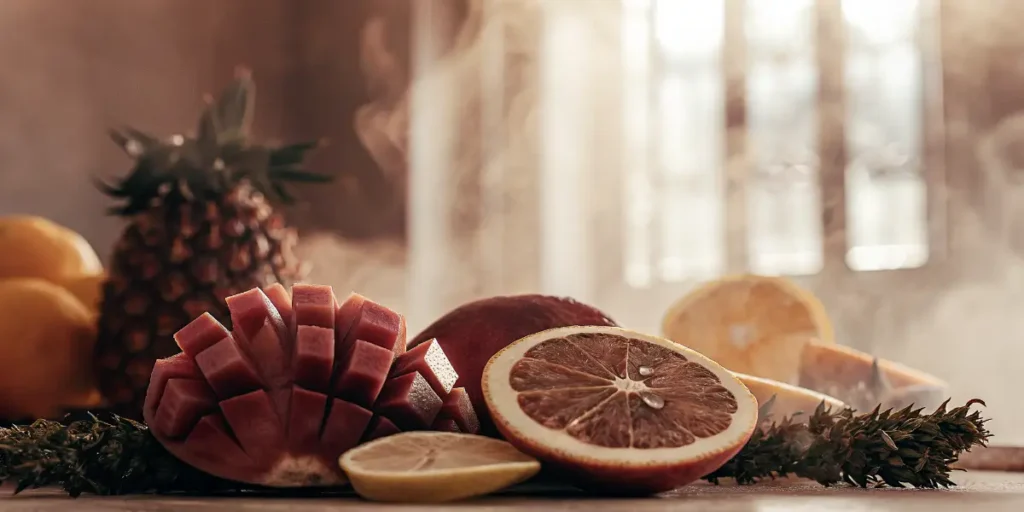
The tropical cannabis aroma VOC profile is primarily defined by a complex blend of terpenes. Terpenes such as limonene, which can range from 0.5% to 2% in concentration, impart citrusy notes, while myrcene, present at 0.3% to 1.5%, adds earthy undertones. These compounds are synthesized in the trichomes and vary significantly across strains.
Recommended Strains

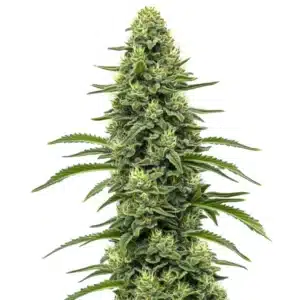
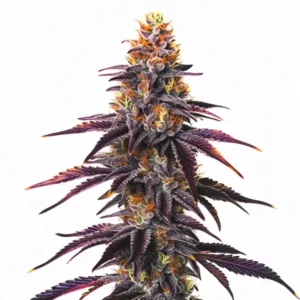
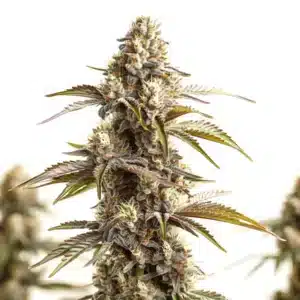
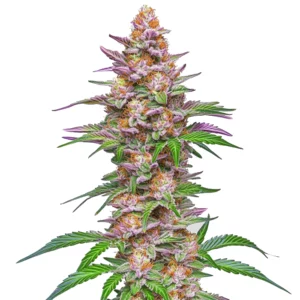
Cherry Pie

|
THC | 18% - 25% (High) |

|
Type | Feminized |

|
Yield | High |

|
Phenotype | 60% Indica / 40% Sativa |

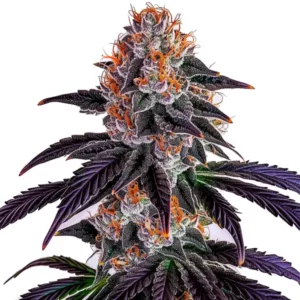
GG4
|
|
THC | 27% (High) |
|
|
Type | Feminized |
|
|
Yield | High |
|
|
Phenotype | 40% Indica / 60% Sativa |
Besides to terpenes, volatile sulfur compounds play a crucial role. These compounds, although present in smaller quantities, can dramatically alter the aroma profile, contributing to the richness and depth of the scent. Knowing the balance of these elements is essential for cultivators seeking to produce high-quality cannabis with a distinctive tropical aroma.
Promos & Deals

Key Volatile Compounds in Cannabis
Terpenes and Their Role
Terpenes are the primary compounds responsible for the diverse aroma profiles in cannabis. They not only influence the scent but also interact with cannabinoids to affect the overall experience. For instance, myrcene, which can enhance THC uptake, is known for its sedative effects and earthy aroma.
Limonene, another prevalent terpene, is associated with uplifting effects and a citrus scent. It typically ranges from 0.5% to 1.5% in cannabis strains. These terpenes are integral to creating the complex aromatic profiles that consumers seek, making them a focal point for breeders and cultivators.
Volatile Sulfur Compounds
Volatile sulfur compounds, though less abundant than terpenes, significantly impact the aroma of cannabis. Compounds like 3-methyl-2-butene-1-thiol contribute to the skunky smell often associated with certain strains. These compounds are formed through enzymatic reactions in the plant.
The presence of sulfur compounds can enhance or detract from the desired aroma, depending on the strain and growing conditions. Mastering the balance of these compounds is crucial for cultivators aiming to produce cannabis with a specific aroma profile.
The Science Behind Cannabis Smell
Why the Smell of Cannabis is Everywhere
The pervasive smell of cannabis is due to the volatility of its aromatic compounds. These compounds easily evaporate into the air, allowing the scent to spread widely. This characteristic is particularly noticeable in strains with high terpene concentrations, such as GG4, known for its resin production.
Environmental factors like humidity and temperature can also influence the dispersion of these volatile compounds. Knowing these dynamics can help cultivators manage the aroma profile of their crops more effectively.
Why Does Cannabis Smell So Strong?
Cannabis smells strong due to the high concentration of terpenes and volatile sulfur compounds. The skunky smell, often attributed to 3-methyl-2-butene-1-thiol, is a prime example of how these compounds can dominate the aroma profile. Strains with higher terpene content tend to have more pronounced scents, especially those known for a rich tropical cannabis aroma VOC profile featuring fruity, citrus, and exotic notes.
Managing terpene levels through careful cultivation practices can help control the intensity of the aroma, making it a key consideration for growers focused on producing high-quality cannabis.

Professional Tips for Cultivators
- Maintain 68°F – 77°F (20°C – 25°C) during flowering to optimize terpene production. High temperatures can degrade terpenes, reducing aroma quality.
- Ensure 58-62% RH during curing. This range preserves volatile compounds, enhancing the aroma profile.
- Use organic nutrients with a 3:1:2 NPK ratio during the vegetative stage to support robust terpene synthesis.
- Regularly monitor pH levels, keeping them between 6.0-6.5, to ensure optimal nutrient uptake and terpene development.
- Implement a 12/12 light schedule for photoperiod strains to promote flowering and terpene concentration.
- Avoid overwatering, which can lead to root rot and negatively impact aroma by stressing the plant.
FAQs about tropical cannabis aroma VOC profile
What are the key sulfur compounds in tropical cannabis aromas?
Sulfur compounds like 3-methyl-2-butene-1-thiol are crucial in tropical cannabis aromas. These compounds, though present in small amounts, significantly influence the scent, contributing to the skunky and pungent notes. They are synthesized during the plant’s growth and can vary depending on environmental conditions.
How is tropical cannabis defined in terms of aroma?
Tropical cannabis is characterized by its fruity and sweet aroma, often attributed to terpenes such as limonene and myrcene. These terpenes can range from 0.5% to 2% in concentration, creating a scent reminiscent of citrus and mango. This profile is highly sought after for its unique sensory experience.
What are the main volatile compounds in cannabis and their effects?
Volatile compounds in cannabis include terpenes and sulfur compounds. Terpenes like myrcene and limonene affect both aroma and the entourage effect, enhancing THC uptake. Sulfur compounds contribute to the strong, skunky smell. These compounds are crucial for the plant’s defense and attraction mechanisms.
Do cannabinoids contribute to the aroma profile of cannabis?
Cannabinoids themselves are not volatile and thus do not directly contribute to the aroma profile of cannabis. However, they interact with terpenes to influence the overall sensory experience. Terpenes are responsible for the scent, while cannabinoids like THC and CBD affect the psychoactive and therapeutic effects.
Can environmental factors alter the aroma of cannabis?
Yes, environmental factors such as temperature, humidity, and light exposure can significantly alter the aroma of cannabis. High temperatures can degrade terpenes, while optimal humidity levels (58-62% RH) preserve them. Light exposure can also affect terpene synthesis, impacting the overall aroma profile.