Triploid Cannabis Seeds: What They Are and Why They Matter

Quick answer: Triploid cannabis seeds grow plants with three sets of chromosomes instead of the usual two. Because triploids are largely sterile, they tend to produce few or no seeds, so more of the plant’s energy goes into flower. Breeders report good vigor and potential yield benefits, though triploid genetics are still emerging and long-term data is limited. They are a promising, newer option rather than a proven miracle.
Triploid cannabis seeds are one of the more talked-about recent developments in cannabis breeding. A normal cannabis plant is diploid, carrying two sets of chromosomes; a triploid carries three. Breeders create them deliberately, and the trait brings some interesting practical advantages, chiefly that triploids are largely sterile.
Recommended Strains

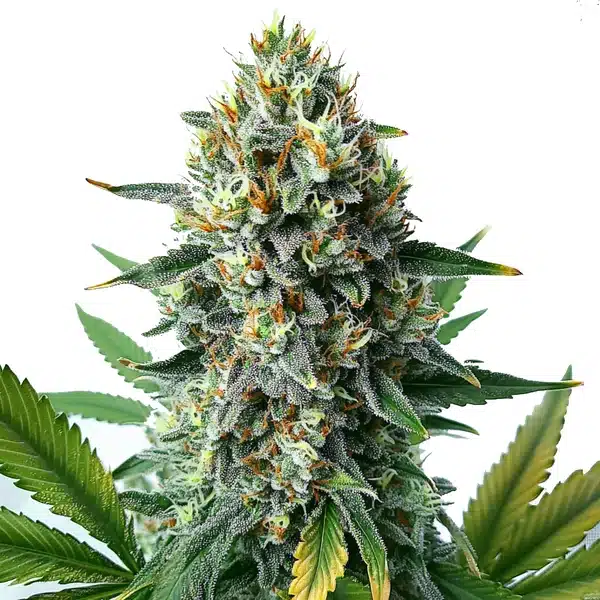
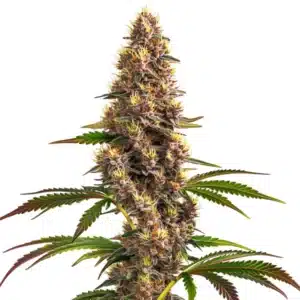
Alien OG

|
THC | 22% - 28% (High) |

|
Type | Feminized |

|
Yield | High |

|
Phenotype | 50% Indica / 50% Sativa |
Alien OG Fast Version
|
|
THC | 14% - 16% (Medium) |
|
|
Type | Fast Flowering |
|
|
Yield | High |
|
|
Phenotype | 70% Indica / 30% Sativa |
That near-sterility is the headline: with little or no seed production, the plant can channel more energy into flowers, and there is less risk of an accidental pollination ruining a crop. Below we explain what triploid seeds are, their realistic benefits, how to grow them, and where to find them, keeping the claims measured, since this is still an emerging area.
| Triploid trait | What it means |
|---|---|
| Three chromosome sets | Instead of the usual two (diploid); created through breeding |
| Often largely sterile | Tend to produce few or no seeds, so more energy goes to flower |
| Potential vigor / yield | Breeders report robust growth; data is still emerging |
| Reduced pollination risk | Low fertility can mean less risk of a crop seeding |
What Are Triploid Cannabis Seeds?
Genetically, a triploid has three chromosome sets rather than two. Breeders typically produce triploids by crossing a normal diploid plant with a tetraploid (four sets), yielding offspring with three. The same approach is used in other crops, seedless watermelons are a familiar example, to create plants that do not readily set seed.
In cannabis, the practical result is a plant that is largely sterile. It still flowers normally, but makes few or no viable seeds, even if some pollen is around. This is quite different from feminized seeds (which simply avoid male plants); triploids change the plant’s fertility itself.
Promos & Deals
Benefits (and Realistic Expectations)
The clearest benefit is reduced seed production. With energy not going into seeds, triploids can put more into flower and resin, and the low fertility means less risk of a stray male or hermaphrodite seeding your whole crop, a real advantage in gardens where pollen control is hard. Some breeders also report extra vigor and uniformity.
It is worth being measured, though. Claims of dramatically higher potency or yield are not yet backed by large, independent datasets, since triploid cannabis is still emerging. Treat the near-seedless, pollen-resistant nature as the solid, proven advantage, and view potency or yield boosts as promising but strain- and grow-dependent rather than guaranteed.
| Feature | Blueberry Kush Regular | Tahoe Kush | Bruce Banner X Do Si Dos |
|---|---|---|---|
| THC Content | 20-24% | 22-26% | 25-28% |
| Yield (Indoor) | 1.5-1.8 oz/ft² (450-550 g/m²) | 1.8-2.0 oz/ft² (550-600 g/m²) | 2.0-2.2 oz/ft² (600-650 g/m²) |
| Flowering Time | 8-9 weeks | 9-10 weeks | 8-9 weeks |
| Dominant Terpene | Myrcene (0.8-1.2%) | Limonene (0.7-1.0%) | Caryophyllene (0.5-0.9%) |
| Resistance | Moderate | High | High |
Growing Triploids and Where to Buy
Growing triploids is broadly similar to growing any quality cannabis: give them good light, feeding and airflow, and they behave like vigorous plants. Their low fertility is a bonus for anyone worried about accidental pollination. As with any genetics, results depend most on the specific strain and how well you grow it, so start with reputable sources.
Triploid genetics are newer, so availability is still limited compared with standard lines. To explore quality genetics in general, browse our feminized, autoflowering and high-THC seed categories, and check for any triploid releases, since breeders are expanding these lines.
Triploid vs Diploid: Should You Try Them?
Whether triploids are worth trying depends on your priorities. Their standout, well-established advantage is near-sterility: far fewer seeds and much lower risk of an accidental pollination ruining a crop, which is genuinely useful in gardens where pollen is hard to control, or for sinsemilla-focused growers. If that appeals, they are worth experimenting with.
If you are chasing record potency or yield specifically, keep expectations grounded: triploid cannabis is still emerging, and the big independent datasets are not there yet, so treat those as potential upsides, not guarantees. For most growers, standard high-quality diploid genetics (feminized or autoflowering) remain the reliable default, with triploids a promising option to watch and trial rather than a wholesale replacement.
Professional Tips for Growing Triploid Cannabis
- Maintain 68°F – 77°F (20°C – 25°C) during vegetative growth. Lower temperatures slow down metabolic processes, reducing growth rates.
- Use a 12/12 light schedule for flowering. Deviating from this can lead to hermaphroditism in triploid plants.
- Ensure 40-50% RH during flowering. Higher humidity increases the risk of mold, while lower levels can stress plants.
- Provide 800-1000 µmol/m²/s light intensity. Insufficient light reduces yield and potency.
- Use N:P:K 1:3:2 during flowering. Incorrect nutrient ratios can lead to nutrient lockout and reduced cannabinoid production.
- Monitor pH levels at 6.0-6.5. pH imbalance can hinder nutrient uptake, affecting plant health and yield.
FAQs About Triploid Cannabis Seeds
What are triploid cannabis seeds?
Triploid cannabis seeds produce plants with three chromosome sets instead of the usual two. Breeders create them (often by crossing diploid and tetraploid plants), and the result is a largely sterile plant that makes few or no seeds. That lets more energy go into flower and reduces the risk of accidental pollination ruining a crop.
Are triploid cannabis plants more potent?
Possibly, but it is not guaranteed. Some breeders report strong vigor and quality, and because triploids put less energy into seeds, more can go into flower and resin. However, triploid cannabis is still emerging, so large independent data on potency is limited. Treat higher potency as promising rather than proven, and strain-dependent.
Are triploid seeds the same as feminized seeds?
No. Feminized seeds are bred to grow only female plants, avoiding males. Triploid seeds change the plant’s fertility itself, giving three chromosome sets so the plant is largely sterile and nearly seedless. A seed can be feminized, triploid, or both; they address different things, sex versus fertility.
Are triploid cannabis seeds worth it?
They can be, especially if you value near-seedless plants and lower pollination risk, which is their clearest proven benefit. For guaranteed higher potency or yield, evidence is still limited since triploids are emerging. They are worth trialing alongside proven feminized or autoflowering genetics rather than relying on them entirely for now.
Can triploid cannabis produce seeds?
Usually very few or none. Triploids are largely sterile because their three chromosome sets disrupt normal seed formation, which is the main reason growers like them: energy goes into flower and there is little risk of accidental seeding. A small number of seeds can occasionally form, but triploids are effectively near-seedless.
Are triploid seeds feminized or autoflowering?
They can be either, or both, because triploid refers to the chromosome count, not the sex or flowering type. Breeders are releasing triploid lines in feminized and autoflowering forms. Check the specific product description to see whether a triploid seed is also feminized or autoflowering before buying.