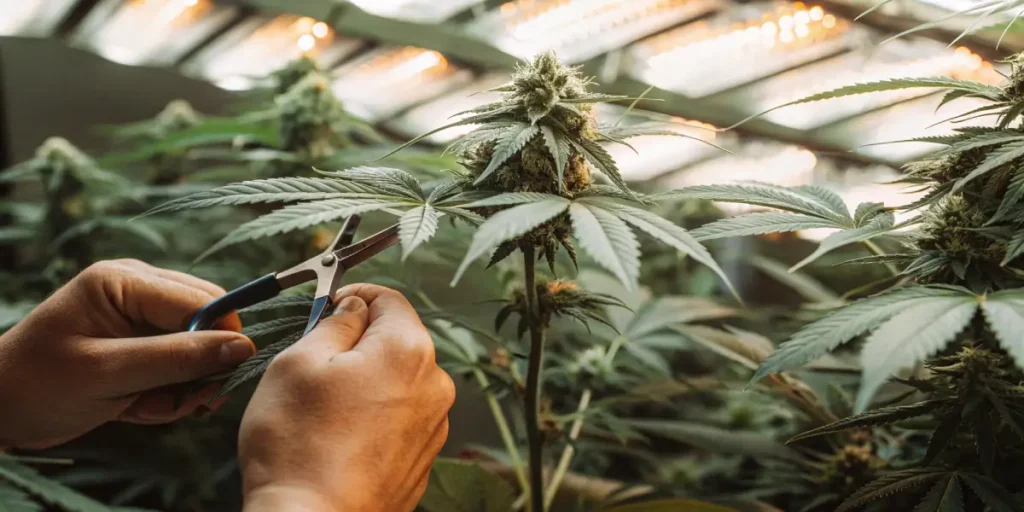
Trimming Fan Leaves During Flowering

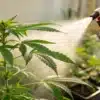
Trimming fan leaves during flowering: This essential technique enhances cannabis plant health and yield by improving light penetration and airflow, directing energy toward bud development. Removing excess foliage early in the flowering stage can increase bud density by up to 20%. While some fan leaves are vital for photosynthesis, strategic removal of shaded or lower leaves ensures larger, more resinous buds.
During the flowering stage, cannabis plants undergo significant changes, including terpene production and bud formation. Trimming fan leaves can influence these processes by altering light exposure and airflow. This practice, when timed correctly, can optimize terpene profiles and enhance the overall flowering time, leading to a more robust and aromatic harvest.
Recommended Strains
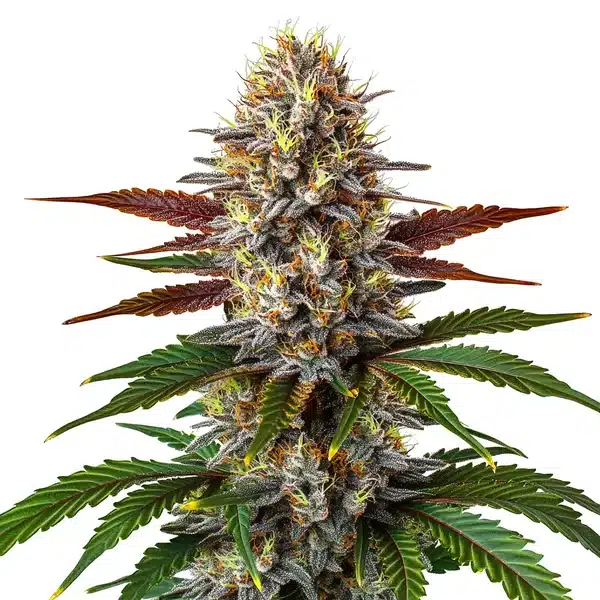
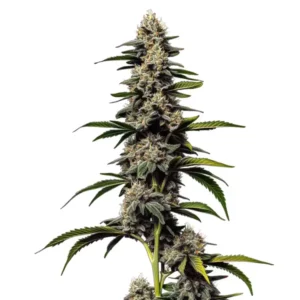
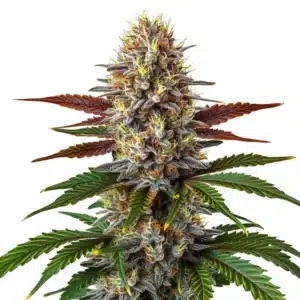
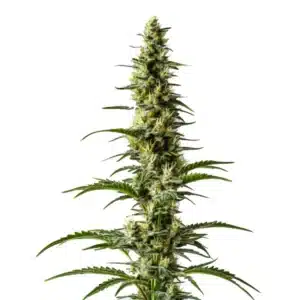
Biscotti Mintz

|
THC | 22% - 25% (High) |

|
Type | Feminized |

|
Yield | High |

|
Phenotype | 80% Indica / 20% Sativa |
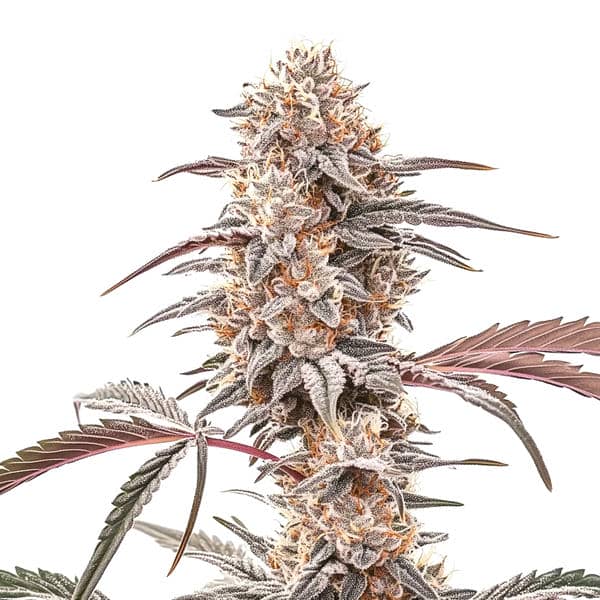
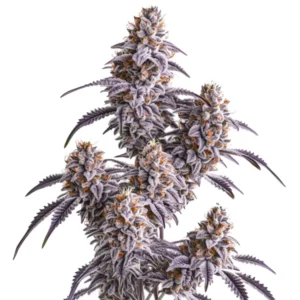
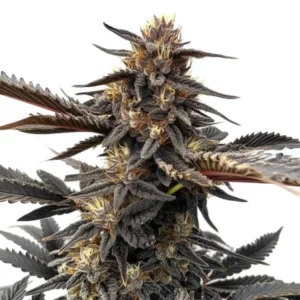
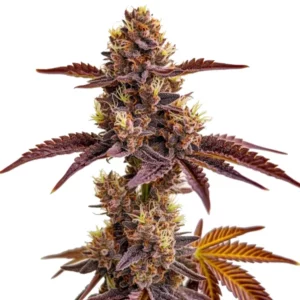
Biscotti
|
|
THC | 25% - 30% (High) |
|
|
Type | Feminized |
|
|
Yield | High |
|
|
Phenotype | 80% Indica / 20% Sativa |
Why Trim Fan Leaves During Flowering?
Benefits of Trimming
Fan leaves are pivotal in photosynthesis, acting as the plant’s solar panels. However, during flowering, these leaves can obstruct light from reaching lower buds. By trimming, you ensure that light penetrates deeper, which is crucial for developing dense, potent flowers. Enhanced light exposure can result in up to 20% more bud density.
Improved airflow is another benefit of trimming. Dense foliage can trap moisture, creating a breeding ground for mold and pests. By removing select fan leaves, you enhance air circulation, reducing humidity and the risk of issues like powdery mildew. This strategic trimming supports healthier plants and higher yields.
Trimming during the flowering stage also allows the plant to focus its energy on bud development rather than maintaining excess foliage. This energy redirection can lead to more robust bud growth and improved resin production. The increased resin can enhance the potency and flavor of the harvest, making it more desirable for both recreational and medicinal use.
When to Trim Fan Leaves
The timing of trimming is critical. Early in the flowering stage, typically within the first three weeks, is ideal. At this time, the plant is adaptable and can recover quickly. Avoid trimming too late, as this can stress the plant and stunt bud growth. Monitoring plant health and adjusting your approach ensures optimal results.
Signs that trimming is needed include dense foliage blocking light and poor airflow around the plant. Addressing these issues by removing fan leaves can lead to healthier plants and better yields. Regular observation helps identify the perfect window for action.
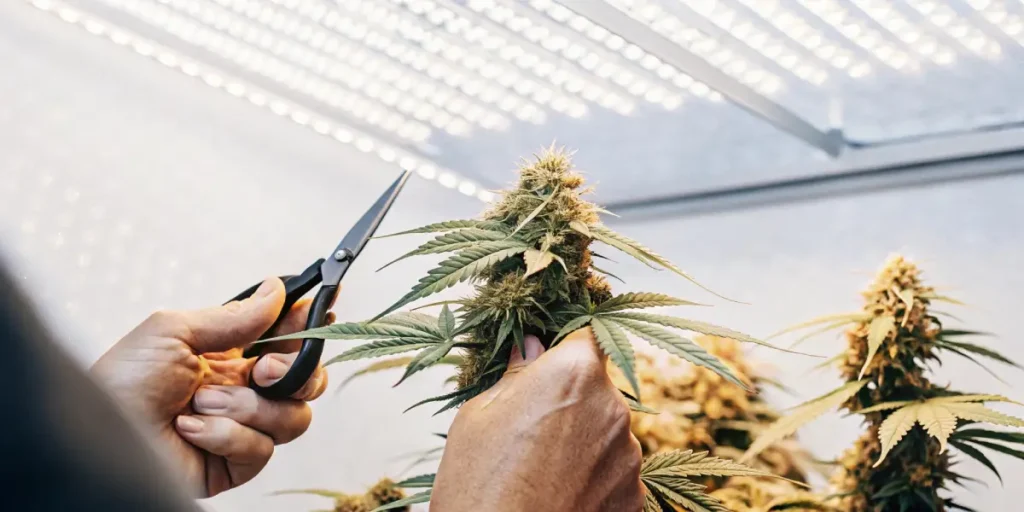
Trimming fan leaves during flowering should be done with precision. The process involves observing the plant’s structure and identifying leaves that are non-essential for photosynthesis but obstructive to light penetration. By focusing on the lower and inner parts of the plant, you can maintain an optimal balance between growth and energy conservation.
Promos & Deals
How to Trim Fan Leaves
Tools Needed for Effective Trimming
Having the right tools is essential for successful trimming. You’ll need sharp pruning scissors for clean cuts, gloves to prevent contamination, and isopropyl alcohol to sanitize tools. Investing in high-quality tools ensures smoother trimming sessions and minimizes accidental plant damage.
Sanitizing tools is crucial to prevent the spread of bacteria or pests. Clean your scissors with isopropyl alcohol before and during trimming. This practice helps maintain plant health and ensures the trimming process enhances growth rather than causing harm.
In addition to the basic tools, consider using a magnifying glass to closely inspect the plant for signs of stress or disease. This can help you make more informed decisions about which leaves to trim. Proper lighting in your workspace is also essential to see the plant clearly and avoid unnecessary cuts.
Step-by-Step Guide
Begin by inspecting the plant to identify fan leaves that block light or restrict airflow. Use sanitized scissors to trim strategically, removing large, overlapping leaves that shade buds. Avoid over-trimming to retain enough foliage for photosynthesis. Monitor the plant’s response over the next few days to ensure recovery.
By following these steps, you maintain the balance between improving conditions and preserving the plant’s vitality. Monitoring plant recovery is key to maintaining long-term health and achieving optimal results.
During the trimming process, pay attention to the plant’s overall health. Look for signs of nutrient deficiencies or pest infestations, which can be exacerbated by trimming stress. Adjust your nutrient regimen accordingly, ensuring that the plant receives adequate phosphorus and potassium during the flowering phase to support bud development.
| Feature / Merkmal | Northern Lights | Pineapple Skunk Regular | Mochalope Regular |
|---|---|---|---|
| THC Content | 18-20% | 15-19% | 20-22% |
| Yield | 1.5 oz/ft² (450 g/m²) | 1.8 oz/ft² (550 g/m²) | 2 oz/ft² (600 g/m²) |
| Flowering Time | 8-9 weeks | 8-9 weeks | 9-10 weeks |
| Terpene Profile | Myrcene 0.5-1% | Caryophyllene 0.4-0.7% | Limonene 0.6-0.9% |
| Resistance | High | Medium | High |
Professional Tips for Trimming Fan Leaves
- Maintain 58-62% RH during trimming. This range prevents excessive moisture loss, which can stress the plant. Avoid going below 55% RH to ensure optimal photosynthesis.
- Trim no more than 20-30% of fan leaves at once. This minimizes stress and allows the plant to recover efficiently. Over-trimming can stunt growth and reduce yields.
- Use a light intensity of 800-1000 µmol/m²/s. Proper light levels encourage robust bud development. Insufficient light can lead to airy, less potent buds.
- Sanitize tools with 70% isopropyl alcohol. This prevents pathogen transfer, which can lead to infections. Unclean tools increase the risk of disease.
- Monitor plant response for 48-72 hours post-trimming. Look for signs of stress like wilting or discoloration. Adjust your approach based on plant feedback.
- Consider strain-specific needs. Indicas may require more trimming due to dense foliage, while sativas often need less. Adapt your technique to the plant’s structure.
FAQs About Trimming Fan Leaves During Flowering
When should fan leaves be removed?
Fan leaves should be removed early in the flowering stage, typically within the first three weeks. This timing allows the plant to recover quickly and focus energy on bud development. Removing leaves too late can stress the plant and stunt growth, reducing potential yields.
How to fatten up buds during flowering?
To fatten up buds during flowering, ensure optimal light penetration and airflow by trimming fan leaves. Maintain a light intensity of 800-1000 µmol/m²/s and a nutrient balance of N:P:K 1:3:2. This promotes dense bud formation and enhances overall yield.
Which fan leaves to trim and when?
Trim fan leaves that block light or restrict airflow, focusing on large, overlapping leaves. Early in the flowering stage is the best time, as the plant is more adaptable. Avoid removing too many leaves at once to prevent stress and ensure healthy growth.
Does removing fan leaves increase yield?
Yes, removing fan leaves can increase yield by improving light penetration and airflow. This allows the plant to focus energy on bud development, resulting in denser, more potent flowers. Proper timing and technique are crucial to maximizing these benefits.
Can I trim fan leaves late in flowering?
Trimming fan leaves late in flowering is generally discouraged, as it can stress the plant and reduce yields. If necessary, limit cuts to dead or dying leaves that no longer contribute to growth. Be gentle to minimize the risk of stunting development.