Top Heavy Metals in Cannabis: Expert Guide to Common Contaminants

Heavy metals in cannabis are a hot topic among growers and consumers. These metals, often lurking in the soil, can make their way into your cannabis plants, potentially affecting both plant health and human health. Wondering which heavy metals are most common in cannabis? Let’s delve into the details.
Cadmium is one of the usual suspects when it comes to heavy metals found in cannabis plants. This metal can be absorbed from the soil, especially in areas with high industrial pollution. Lead, another common heavy metal in cannabis cultivation, also poses significant risks. Even small amounts of lead contamination can lead to severe health issues.
Recommended Strains
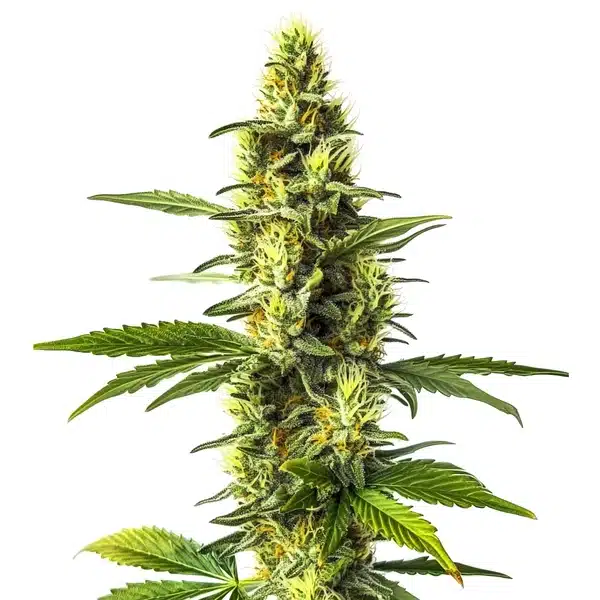
Amnesia Lemon

|
THC | 18% - 21% (Medium) |

|
Type | Feminized |

|
Yield | High |

|
Phenotype | 40% Indica / 60% Sativa |

GG4
|
|
THC | 27% (High) |
|
|
Type | Feminized |
|
|
Yield | High |
|
|
Phenotype | 40% Indica / 60% Sativa |
Arsenic rounds out the trio of heavy metals most commonly found in cannabis. Often present in fertilizers and pesticides, arsenic contamination can occur if care isn’t taken during the cultivation process. For growers, knowing how these metals interact with cannabis plants is crucial. This knowledge helps in both prevention and remediation.
Sources of Heavy Metal Contamination
Contamination often begins with the soil. Heavy metals like cadmium, lead, and arsenic naturally occur in the earth’s crust. However, human activities such as mining and industrial operations increase their concentrations. When cannabis grows in contaminated soil, it absorbs these metals through its roots.
Water is another potential source of contamination. Using contaminated water for irrigation can introduce heavy metals into cannabis plants. Urban areas often have higher risks of water contamination due to runoff from roads and industrial sites. Testing water sources can be a critical step in preventing heavy metals from entering the cannabis supply chain.
Additionally, atmospheric deposition can be a contributing factor to cannabis contamination by heavy metals. Factories and automobiles release pollutants into the air, which can settle onto crops, including cannabis. This indirect route can be just as significant as soil and water contamination, particularly in industrialized regions.
Improper disposal of industrial and household wastes can also exacerbate the presence of heavy metals in the environment. As these materials degrade, they can leach toxic substances into the soil and water, further increasing the likelihood of cannabis plants absorbing them. Knowing these pathways is key to implementing effective control measures.
Impact on Plant and Human Health
Heavy metals can be toxic to cannabis plants, stunting growth and reducing yields. For instance, cadmium can interfere with the plant’s ability to process nutrients, leading to poor plant health. This can affect both the quality and quantity of the harvest.
For humans, consuming cannabis contaminated with heavy metals poses serious health risks. Long-term exposure to lead, for example, can affect the nervous system, while arsenic exposure is linked to various cancers. It’s crucial for consumers to be aware of these risks and opt for products that have undergone rigorous heavy metals testing in cannabis products.
Besides to the health risks, toxic heavy metals in marijuana can alter the plant’s biochemistry, potentially affecting the potency and therapeutic effects of the cannabis. This makes it even more critical for medical users to ensure their products are free from contaminants.
Moreover, heavy metals contamination can tarnish the reputation of the cannabis industry as a whole. Ensuring that cannabis is clean and safe to consume is vital not only for individual health but also for maintaining consumer trust and the industry’s integrity.
Blimburn Seeds offers strains like GG4, Amnesia Lemon, and Blue Dream, which are cultivated with careful attention to avoid contamination. These strains are grown in controlled environments where soil and water quality are meticulously monitored.
Promos & Deals

Testing and Remediation Techniques
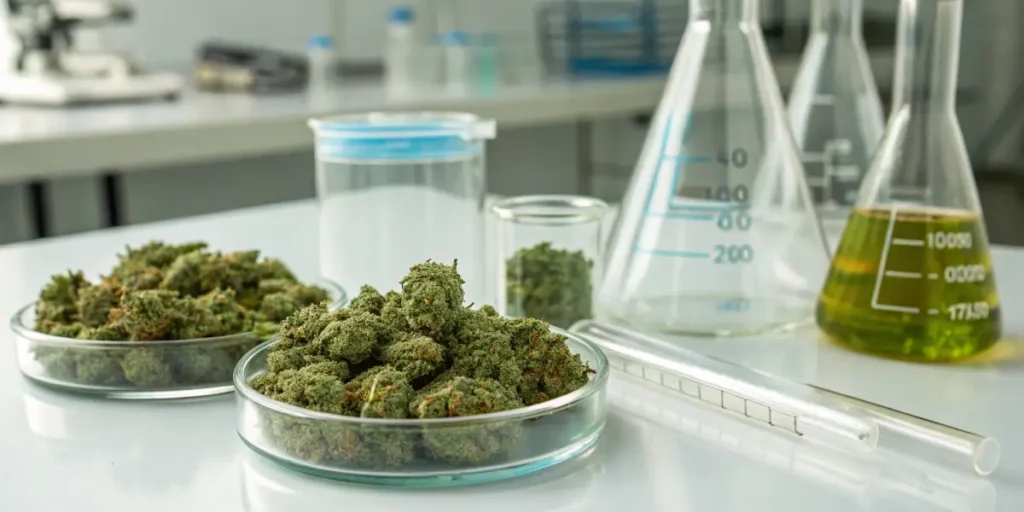
Testing is the first line of defense against cannabis contamination by heavy metals. Regular testing of both soil and water sources can help identify potential risks before they affect the plants. Many growers use third-party labs to ensure unbiased results.
Once contamination is detected, remediation becomes necessary. Techniques such as soil washing, phytoremediation, and the use of biochar can help reduce heavy metal levels in the soil. These methods are not only effective but also environmentally friendly, making them an excellent choice for sustainable cannabis cultivation.
Another effective remediation strategy is the use of hyperaccumulator plants, which can absorb and store heavy metals from the soil. These plants can be grown alongside cannabis to reduce the concentrations of heavy metals found in cannabis plants.
Furthermore, regular audits and improvements in cultivation practices are essential in preventing future contamination. By staying informed about the latest research and technologies, growers can continually adapt their methods to ensure the safety and quality of their cannabis products.
Preventive Measures for Growers
Choosing the right growing medium can significantly reduce the risk of heavy metal contamination. Soilless mediums or hydroponic systems provide more control over what the plants are exposed to, minimizing the chances of contamination.
Another preventive measure is to use fertilizers and pesticides that are free of heavy metals. Organic options are often safer, though it’s always important to check labels and verify sources. Blimburn Seeds emphasizes the importance of using clean inputs to maintain the purity of their cannabis strains.
Implementing comprehensive monitoring systems can help track the levels of potential contaminants throughout the growth cycle. This proactive approach allows growers to address issues before they escalate into more significant problems.
Moreover, education and training for cultivation staff on best practices and the latest safety protocols can enhance the overall effectiveness of these preventive measures. A well-informed team is crucial to maintaining a clean and safe cultivation environment.
FAQs about which heavy metals are most common in cannabis
How do heavy metals get into cannabis plants?
Heavy metals can enter cannabis plants through contaminated soil and water. These metals are naturally present in the environment but can be concentrated due to industrial activities. When cannabis plants absorb these metals, they can accumulate in the leaves and flowers.
Growers must monitor the quality of their soil and water sources regularly to prevent contamination. Implementing proper testing protocols can help identify potential problems early, allowing for timely intervention and remediation.
Besides to soil and water, heavy metals can also be absorbed through the air, especially in areas near industrial activities. This emphasizes the importance of location selection when establishing cannabis cultivation sites.
Knowing which heavy metals are most common in cannabis and their sources can help growers take more targeted actions to protect their plants and ensure a safe product for consumers.
What are the health risks associated with heavy metals in cannabis?
Consuming cannabis with heavy metals can lead to significant health issues. Metals like lead and arsenic are toxic and have been linked to serious conditions, including cancer and neurological disorders. Long-term exposure increases these risks.
It’s essential for consumers to purchase cannabis from reputable sources that conduct heavy metals testing. This ensures that the products are safe for consumption and free from toxic contaminants.
Beyond chronic illnesses, acute exposure to toxic heavy metals in marijuana can cause immediate symptoms such as nausea, vomiting, and abdominal pain. These acute effects underscore the need for rigorous testing and quality assurance.
Continued research is vital to fully understand the long-term implications of heavy metal exposure through cannabis consumption. This knowledge can inform public health guidelines and consumer safety standards.
Can growing practices reduce heavy metal contamination?
Yes, adopting certain growing practices can mitigate the risk of heavy metal contamination. Using clean water sources, selecting appropriate growing media, and opting for certified organic fertilizers and pesticides are crucial steps.
Growers can also implement crop rotation and soil remediation techniques to maintain a healthy and clean growing environment. These practices not only reduce contamination but also improve overall plant health and yield.
Investing in advanced cultivation technologies, such as precision agriculture, can further enhance the ability to monitor and control environmental conditions, thereby reducing the risk of contamination.
Collaborating with researchers and industry experts can provide growers with the latest insights and techniques to combat heavy metal contamination effectively. This partnership approach can lead to more innovative and sustainable solutions.
Are all cannabis strains equally prone to heavy metal contamination?
Not all cannabis strains are equally susceptible to heavy metal contamination. Factors such as the strain’s genetic makeup and growing environment play significant roles. Some strains may absorb more metals due to their root structure or nutrient uptake patterns.
Blimburn Seeds strains like Amnesia Lemon are bred for resilience and are less prone to contamination. Choosing robust and well-researched strains can help minimize the risk of heavy metal absorption.
Research into the genetic factors that influence metal uptake can help breeders develop strains that are less likely to accumulate heavy metals. This genetic approach complements traditional cultivation methods.
Environmental conditions, such as soil pH and organic matter content, can also affect a strain’s susceptibility to contamination. Adjusting these factors can further reduce the risk of heavy metals being absorbed by the plants.
What steps can consumers take to ensure their cannabis is free from heavy metals?
Consumers should look for products tested by third-party laboratories. These tests should confirm the absence of heavy metals, ensuring the product’s safety. Checking for certifications and lab results is a good practice before purchasing.
Purchasing from trusted brands like Blimburn Seeds can also provide assurance. Established brands invest in clean production processes and transparent testing protocols to deliver safe, high-quality cannabis products.
Educating oneself about the common heavy metals in cannabis cultivation and their potential health effects can empower consumers to make informed purchasing decisions. Knowledge is a powerful tool in advocating for product safety.
Engaging with retailers and asking about their sourcing and testing practices can also help ensure that the cannabis purchased meets the highest safety standards. Transparency in the supply chain is key to consumer trust.