Essential Guide: Heavy Metals vs Micronutrients in Cannabis Cultivation

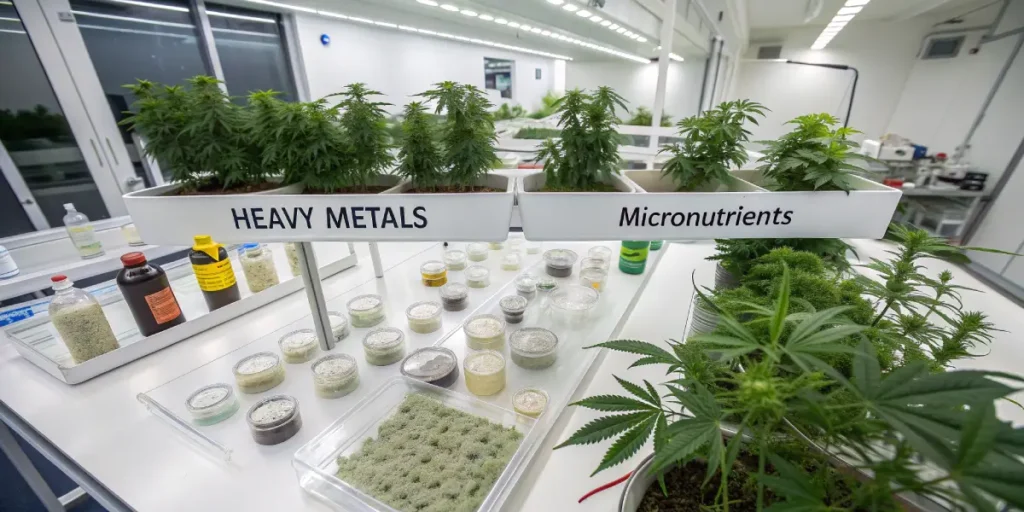
In cannabis cultivation, knowing heavy metals vs micronutrients in cannabis cultivation is crucial for achieving healthy plant growth. Growers often face challenges when managing these elements, as both play significant roles in the development of cannabis plants. While heavy metals can be harmful, micronutrients are essential for plant health. Knowing how to properly balance heavy metals vs micronutrients in cannabis cultivation can make the difference between a robust harvest and a disappointing yield.
Heavy metals, such as lead, cadmium, and arsenic, can be detrimental to cannabis plants. They can interfere with nutrient uptake, leading to deficiencies and poor plant health. On the other hand, micronutrients like zinc, iron, and manganese are vital for cannabis growth, supporting everything from enzyme production to chlorophyll synthesis. The key is finding the right balance to ensure optimal growth and yield.
Recommended Strains

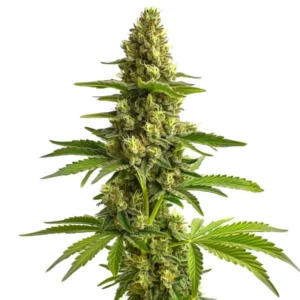
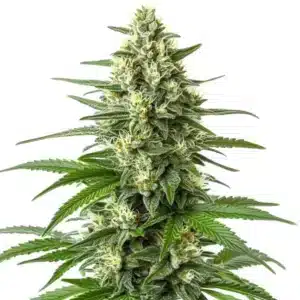
Green Crack

|
THC | 21% (Medium) |

|
Type | Feminized |

|
Yield | High |

|
Phenotype | 35% Indica / 65% Sativa |
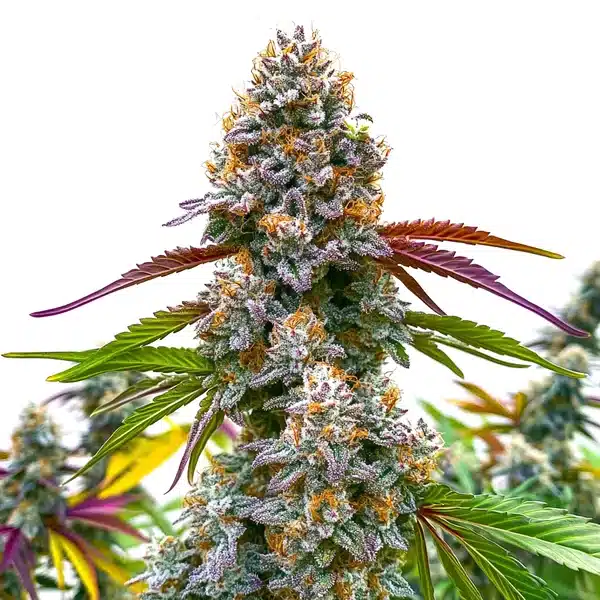
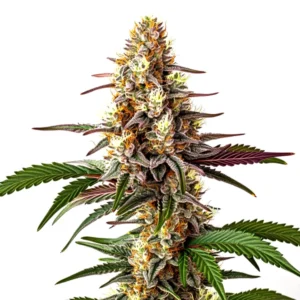
Critical Daddy Purple
|
|
THC | 19% (Medium) |
|
|
Type | Feminized |
|
|
Yield | High |
|
|
Phenotype | 50% Indica / 50% Sativa |
For first-time growers and seasoned veterans alike, knowledge about heavy metals vs micronutrients in cannabis cultivation is essential. By knowing the functions and risks associated with these elements, cultivators can take steps to ensure their plants thrive. Let’s dive into the specifics of managing heavy metals and micronutrients in your cannabis garden.
Heavy Metals: Impact and Management
Heavy metals can be a hidden danger in cannabis cultivation. These elements can enter the soil through contaminated water, fertilizers, or even the atmosphere. Once in the soil, they can be absorbed by cannabis plants, leading to potential health risks for consumers. Managing these metals is crucial to ensure safe and healthy cannabis.
To manage heavy metals, regular soil testing is advised. This will help identify any contamination early on. If heavy metals are detected, there are several strategies growers can employ. Using clean, certified organic soil and filtering water sources can significantly reduce the risk of contamination. Additionally, specific amendments such as biochar can help bind heavy metals, preventing plant uptake.
The heavy metals impact on cannabis nutrient uptake cannot be understated. High concentrations of heavy metals disrupt the plant’s ability to absorb essential nutrients, resulting in micronutrient deficiencies in cannabis cultivation. This imbalance can severely affect plant growth, making it imperative to manage and monitor heavy metal levels diligently.
Moreover, knowing the sources of heavy metal contamination is key to effective management. Industrial pollution, mining activities, and even some agricultural practices can introduce heavy metals into the soil. By identifying these sources, growers can take preventive measures to safeguard their cannabis crops against heavy metal contamination effects on cannabis plants.
Micronutrients: Importance and Optimization
Micronutrients, though required in small amounts, are vital for cannabis health. They play crucial roles in various plant processes. Zinc, for instance, aids in chlorophyll production, while iron is essential for enzyme function. Without adequate micronutrients, cannabis plants may show signs of deficiencies, such as yellowing leaves or stunted growth.
Optimizing micronutrient levels for cannabis growth involves careful monitoring and supplementation. Growers can use foliar sprays or soil additives to ensure plants receive the necessary nutrients. It’s also important to maintain a balanced pH level in the soil, as this can affect nutrient availability.
To effectively manage micronutrient deficiencies in cannabis cultivation, growers must adopt a proactive approach. This includes regular assessments of soil nutrient levels and the use of advanced soil testing technologies to detect deficiencies before they impact plant health. By staying ahead of potential issues, growers can maintain optimal conditions for their crops.
Additionally, the selection of nutrient-rich substrates and fertilizers is crucial for optimizing micronutrient levels. Products that are specifically formulated for cannabis can provide balanced nutrition, ensuring that micronutrients are available in the right proportions. This strategy, combined with proper pH management, can result in vigorous and healthy cannabis growth.
Balancing Heavy Metals and Micronutrients
Balancing heavy metals and micronutrients in cannabis soil is a delicate task. It’s important to ensure that while heavy metals are kept in check, micronutrients are available in the right amounts. Regular soil testing and careful selection of inputs can help maintain this balance.
One effective method is using organic cultivation practices. Organic fertilizers and amendments can help improve soil health and reduce heavy metal contamination. Compost and manure can also add essential micronutrients to the soil, supporting robust plant growth.
Balancing heavy metals and micronutrients in cannabis soil requires a holistic approach. Implementing crop rotation and integrating cover crops can enhance soil structure and nutrient availability, reducing the risk of heavy metal buildup. These practices also encourage beneficial microbial activity, which can further aid in nutrient balancing.
Furthermore, employing advanced monitoring systems that track soil health indicators can provide real-time data on nutrient levels and heavy metal concentrations. This information allows growers to make informed decisions about nutrient management, ensuring that the delicate balance of heavy metals vs micronutrients in cannabis cultivation is maintained effectively.
Promos & Deals


Real-Life Examples and Strategies
In real-life scenarios, growers often face challenges with both heavy metals and micronutrients. A grower in Colorado, for example, discovered elevated lead levels in their soil. By switching to organic practices and using biochar, they successfully reduced heavy metal uptake in their plants.
Another grower in California faced micronutrient deficiencies in their cannabis cultivation. By incorporating a balanced foliar spray regimen and selecting nutrient-rich soil amendments, they were able to improve plant health and increase yields significantly.
These cases highlight the importance of adapting cultivation strategies to address specific environmental challenges. Employing local knowledge and leveraging community resources can provide valuable insights into effective practices for managing heavy metals and micronutrients in cannabis cultivation.
Additionally, collaborating with agricultural scientists and participating in research initiatives can lead to innovative solutions for optimizing micronutrient levels and mitigating the effects of heavy metal contamination. By staying informed and engaged, growers can enhance both the quality and safety of their cannabis crops.
FAQ about heavy metals vs micronutrients in cannabis cultivation
What are the effects of heavy metal contamination on cannabis plants?
Heavy metal contamination can lead to several negative effects on cannabis plants. These metals can interfere with nutrient uptake, leading to deficiencies in essential nutrients. As a result, plants may exhibit signs of poor health, such as yellowing leaves or stunted growth. In severe cases, heavy metal accumulation can be toxic, resulting in plant death.
Additionally, heavy metals in cannabis can pose health risks to consumers. Contaminated plants may carry harmful levels of metals like lead or cadmium, which can be ingested or inhaled through cannabis products. It’s crucial for growers to manage heavy metal levels to ensure both plant health and consumer safety.
The heavy metals impact on cannabis nutrient uptake is a critical factor in plant health. Heavy metals can compete with essential nutrients, leading to reduced availability of vital elements like magnesium and calcium. This competition can exacerbate micronutrient deficiencies, impairing plant growth and development.
Furthermore, the presence of heavy metals in cannabis affects not only plant vitality but also the end product’s safety and quality. Ensuring that cannabis plants are free from heavy metal contamination is vital for maintaining the integrity of the final product and safeguarding consumer health.
How can I prevent micronutrient deficiencies in cannabis cultivation?
Preventing micronutrient deficiencies involves several strategies. First, regular soil testing can help identify any deficiencies early on, allowing for timely corrective measures. Growers can also use nutrient-rich amendments and foliar sprays to supplement micronutrients.
Another important aspect is maintaining the correct soil pH. If the pH is too high or too low, it can affect nutrient availability. Adjusting pH levels can help ensure that micronutrients are accessible to the plants. Strains like Critical Daddy Purple from Blimburn Seeds are particularly responsive to balanced micronutrient levels, resulting in healthy and vigorous growth.
Besides to soil testing and pH management, selecting the right cannabis strains can play a significant role in preventing micronutrient deficiencies. Strains with a natural resilience to nutrient fluctuations, such as those offered by Blimburn Seeds, can thrive even in challenging conditions.
Moreover, integrating precision agriculture technologies, such as automated nutrient delivery systems, can optimize micronutrient levels. These systems allow for precise control over nutrient input, reducing the likelihood of deficiencies and promoting uniform growth across the cannabis crop.
What practices can help balance heavy metals and micronutrients in cannabis soil?
Balancing heavy metals and micronutrients involves a combination of practices. Organic cultivation methods can be particularly effective, as they emphasize soil health and natural amendments. Composting and using organic fertilizers can improve soil quality and add beneficial micronutrients.
Additionally, regular monitoring and testing of soil and water sources are essential. This helps in identifying any potential contamination early, allowing for corrective actions. Employing amendments like biochar can also help in reducing heavy metal uptake, maintaining a healthy balance in the soil.
Implementing phytoremediation techniques, which involve using specific plants to absorb and sequester heavy metals, can be an effective strategy for balancing heavy metals and micronutrients in cannabis soil. This natural approach reduces heavy metal concentrations while enhancing soil fertility.
Moreover, encouraging biodiversity within the cultivation environment, such as introducing beneficial insects and microorganisms, can improve soil health. These organisms contribute to nutrient cycling and help maintain a stable ecosystem, supporting both micronutrient availability and heavy metal management.
Are there specific strains that handle heavy metals better?
While all cannabis strains can be affected by heavy metals, some may show greater resilience. Strains like Bruce Banner and Green Crack from Blimburn Seeds have been noted for their robust growth and ability to thrive in various conditions. However, it’s important to remember that no strain is immune to the effects of heavy metals, and proper management practices are still required.
Choosing strains known for their hardiness can be beneficial, especially in areas with known soil contamination issues. By selecting the right strains and combining them with effective soil management practices, growers can mitigate the risks associated with heavy metal exposure.
Furthermore, research into plant genetics continues to identify strains with enhanced tolerance to heavy metal exposure. These developments could lead to the creation of new cannabis varieties specifically bred to withstand environmental stressors, including heavy metal contamination.
Collaborating with seed banks and breeders like Blimburn Seeds can provide growers with access to cutting-edge genetic material. These partnerships can lead to the cultivation of strains that not only resist heavy metals but also exhibit exceptional growth characteristics and yield potential.
Can heavy metals affect the taste or potency of cannabis?
Yes, heavy metals can affect both the taste and potency of cannabis. These metals can interfere with the plant’s metabolic processes, potentially altering the production of cannabinoids and terpenes. This may lead to changes in the flavor profile and overall potency of the plant.
Moreover, the presence of heavy metals can result in a harsh taste or unpleasant aftertaste in cannabis products. Ensuring that your cannabis is free from heavy metal contamination not only improves plant health but also enhances the quality and safety of the final product.
The impact of heavy metals on cannabis flavor and potency underscores the importance of maintaining a clean cultivation environment. By minimizing heavy metal exposure, growers can preserve the natural aromatic and therapeutic qualities of their cannabis strains.
Besides, adopting rigorous quality control measures and adhering to industry best practices can help ensure that cannabis products meet high safety and quality standards. This commitment not only protects consumer well-being but also enhances the reputation and success of cannabis brands.