Top Expert Tips to Avoid Common Mistakes with Cannabis Nutrients

Growing cannabis can be an exciting journey, but it’s important to avoid common mistakes with cannabis nutrients to ensure a healthy harvest. Both first-time growers and seasoned experts sometimes stumble when it comes to feeding their plants the right nutrients. Let’s delve into how you can sidestep these errors for a bountiful crop.
One frequent mistake is over-fertilizing cannabis plants. Many growers believe more nutrients lead to better growth, but this isn’t the case. Over-fertilization can burn your plants and stunt their growth. Instead, focus on a balanced nutrient schedule and adjust as needed. Start with smaller doses and observe your plants’ reactions before increasing the supply.
Recommended Strains

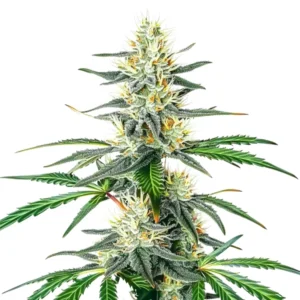
Blue Dream

|
THC | 17% - 24% (Medium) |

|
Type | Feminized |

|
Yield | High |

|
Phenotype | 50% Indica / 50% Sativa |

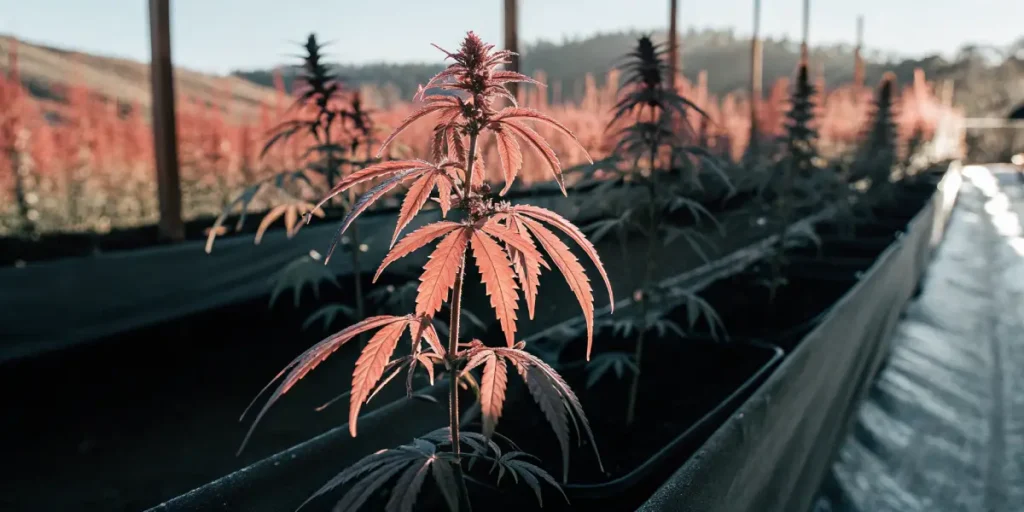
GG4
|
|
THC | 27% (High) |
|
|
Type | Feminized |
|
|
Yield | High |
|
|
Phenotype | 40% Indica / 60% Sativa |
Blimburn Seeds offers strains like Blue Dream, known for its resilience, which can be forgiving even if you accidentally over-fertilize. This strain allows you to learn without compromising your entire yield.
Balancing pH Levels for Cannabis Growth
Maintaining the right pH levels is crucial for nutrient absorption. If the pH is off, your cannabis plants might not take up the nutrients they need, leading to deficiencies. A pH that is too high or too low can cause nutrient lockout, where your plants can’t access essential nutrients even if they are present in the soil.
To balance pH levels for cannabis growth, use a reliable pH meter. Aim for a pH range of 6.0 to 7.0 for soil and 5.5 to 6.5 for hydroponic systems. Regular testing and adjustment can prevent problems before they start. Consider using strains like GG4 from Blimburn Seeds, which thrives with a stable pH environment and can give you a generous yield when conditions are right.
Another common mistake with cannabis nutrients is neglecting the importance of pH balance over time. As your plants grow, their nutrient uptake can alter the pH levels in the growing medium. Regularly monitoring and adjusting the pH ensures that the nutrient absorption remains optimal throughout the growth cycle. This vigilance is key to avoiding nutrient lockout and promoting healthy plant development.
Additionally, the type of water you use can influence pH levels. Hard water often requires more frequent adjustments, while softer water might keep pH levels more stable. Using a buffering solution can help maintain the ideal pH range, further supporting your cannabis plants’ nutrient uptake. By knowing the dynamics of pH balance, you can better manage nutrient delivery and avoid common pitfalls.
Promos & Deals



Identifying Nutrient Deficiencies in Cannabis
Identifying nutrient deficiencies in cannabis can be tricky, but it’s essential for the health of your plants. Watch for signs like yellowing leaves, brown spots, or stunted growth. These symptoms often point to specific nutrient shortages like nitrogen, potassium, or magnesium.
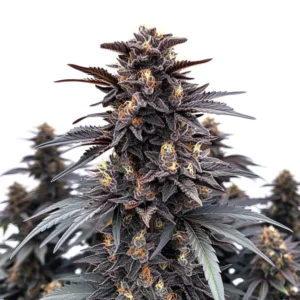
Once you spot a deficiency, act quickly. Adjust your nutrient solution and consider adding supplements if necessary. With time, your plants should recover. For instance, the Blackberry Moonrocks strain from Blimburn Seeds is known for its robust nature and can bounce back quickly from minor nutrient issues.
One technique for identifying nutrient deficiencies in cannabis is to compare your plants to visual charts that outline what deficiency symptoms look like for various nutrients. This can help you pinpoint the exact nutrient that might be lacking. Consulting with experienced growers or forums can also provide insights and solutions tailored to your specific situation, aiding in faster recovery.
Preventive measures include a proper cannabis nutrient feeding schedule that evolves with the plant’s lifecycle. By providing the necessary nutrients at each stage, you minimize the risk of deficiencies. Regularly adjusting your feeding plan based on plant health and growth indicators will help you maintain a thriving crop, reducing the risk of common mistakes with cannabis nutrients.

Common Mistakes During Cannabis Nutrient Feeding
Ignoring the Importance of Water Quality
Water quality plays a huge role in nutrient uptake. If your water is contaminated or contains high levels of chlorine, it can affect your plants’ ability to absorb nutrients. Use filtered or distilled water to avoid these issues. Regularly test your water and adjust accordingly. Clean water supports healthy nutrient absorption and prevents blockages.
Consider using water conditioners or aerating your water for the best results. This practice is particularly useful in areas with hard water, where mineral buildup can lead to nutrient lockout. By ensuring your water quality, you create a strong foundation for your plants.
Another common mistake with cannabis nutrients is overlooking the cumulative effects of poor water quality. Over time, impurities in the water can build up in the soil or growing medium, leading to nutrient lockout and other issues. Flushing your system periodically with clean water can help mitigate these effects and maintain healthy nutrient uptake.
Water temperature also plays a role in nutrient absorption. Cold water can shock the roots and slow down nutrient uptake, while excessively warm water can promote harmful bacterial growth. Aim to maintain a consistent water temperature that matches your growing environment to support optimal plant health and growth.
Overlooking the Importance of Micronutrients
While macronutrients like nitrogen, phosphorus, and potassium are crucial, neglecting micronutrients can lead to problems. Micronutrients like zinc, iron, and manganese are essential for various plant processes, even if they are needed in smaller amounts.
To avoid this common mistake, use a comprehensive nutrient solution that includes both macro and micronutrients. Regularly check your plants for signs of micronutrient deficiencies, such as interveinal chlorosis or twisted growth patterns.
Incorporating a diverse range of micronutrients from the start can prevent many common mistakes with cannabis nutrients. Products from companies like Blimburn Seeds may offer nutrient solutions that are specifically formulated to meet the complete needs of your plants, ensuring they receive a balanced diet.
Another strategy for addressing micronutrient needs is using foliar sprays. These can deliver nutrients directly to the leaves, allowing for quick absorption and correction of deficiencies. This method is particularly effective when soil-based adjustments are slow to show results, helping you maintain plant health and vigor.
Failing to Adjust Nutrients During Growth Stages
Each growth stage of cannabis has unique nutrient requirements. Seedlings need gentle care with minimal nutrients, while flowering plants demand higher levels of phosphorus and potassium. Failing to adjust nutrients accordingly can stunt growth or impact bud development.
Create a feeding schedule that evolves with your plants. Start with a light nutrient solution for seedlings, gradually increasing as they mature. During the flowering stage, shift to a bloom formula that supports bud production.
Many growers make the mistake of sticking to a single nutrient plan throughout the plant’s lifecycle, ignoring the changing needs of the plant. A dynamic approach that considers the specific requirements of each growth phase can prevent nutrient lockout and promote robust development, especially during critical stages like flowering.
Resources such as nutrient calculators and charts can be invaluable for developing a proper cannabis nutrient feeding schedule. These tools help you track the progress of your plants and make informed decisions about when and how to adjust nutrient levels. By doing so, you can optimize growth and maximize yield potential.

FAQs about common mistakes with cannabis nutrients
What are the common mistakes with cannabis nutrients?
Common mistakes with cannabis nutrients include over-fertilizing, neglecting pH levels, ignoring water quality, and not adjusting nutrients during different growth stages. These errors can lead to nutrient lockout, deficiencies, or even plant death if not addressed.
To avoid these mistakes, follow a balanced nutrient schedule, regularly test pH and water quality, and tailor your feeding plan to suit each growth stage. By doing so, you provide your plants with the best chance to thrive.
Another common mistake is failing to observe and respond to early signs of nutrient issues. Regular monitoring and prompt action can prevent minor problems from escalating into major setbacks. Keeping detailed records of your feeding schedule and plant responses can help you refine your approach over time.
Educating yourself about the specific requirements of the cannabis strains you’re growing can also help you avoid common pitfalls. Each strain may have unique needs, and leveraging expert advice or resources from trusted brands like Blimburn Seeds can guide you in providing optimal care for your plants.
How can I prevent cannabis nutrient lockout?
Cannabis nutrient lockout prevention requires proper pH management and avoiding excessive nutrient use. Ensure your pH levels are within the appropriate range for your growing medium, and do not over-fertilize your plants.
Regular flushing with clean water can also help prevent nutrient lockout by removing excess salts and buildup from the soil. This practice keeps your plants healthy and ensures they can access the nutrients they need.
Avoiding cannabis nutrient lockout also involves using a high-quality nutrient mix that is specifically designed for cannabis growth. These mixes often contain chelated nutrients, which are more easily absorbed by plants, even when conditions are less than ideal.
Consistent environmental conditions, such as stable temperatures and humidity levels, further support nutrient absorption. By maintaining a balanced environment, you can enhance your plants’ ability to uptake nutrients and reduce the risk of lockout.
Why is balancing pH levels important for cannabis growth?
Balancing pH levels for cannabis growth is crucial because it affects nutrient absorption. If the pH is too high or too low, plants cannot access nutrients, leading to deficiencies and poor growth.
Maintaining the correct pH levels ensures your plants can absorb all the nutrients you provide. Regular testing and adjustments help you keep pH within the ideal range, supporting healthy and vigorous growth.
Balancing pH levels for cannabis growth also helps prevent the buildup of harmful substances in the soil or growing medium. When pH levels are incorrect, certain toxins can become more soluble and accessible to plants, potentially causing damage.
In hydroponic systems, pH fluctuations can happen more rapidly, making consistent monitoring even more important. By investing in a reliable pH meter and staying vigilant, you can maintain the delicate balance needed for optimal nutrient uptake and plant health.
How do I identify nutrient deficiencies in cannabis plants?
Identifying nutrient deficiencies in cannabis involves observing the plant’s leaves and overall health. Common signs include yellowing, browning, or spotting of leaves, as well as stunted growth and weak stems.
Once you notice these symptoms, assess your nutrient solution and make necessary adjustments. Adding specific nutrients or supplements can help correct deficiencies and restore plant health.
Using a process of elimination can help identify specific nutrient deficiencies. By ruling out environmental factors like light and temperature, you can focus on nutrient-related causes for any issues your plants are experiencing.
Keeping a log of your plants’ symptoms, along with the actions taken, can be a valuable tool for future reference. This record can help you recognize patterns and refine your approach to prevent similar issues in future grows.
What is a proper cannabis nutrient feeding schedule?
A proper cannabis nutrient feeding schedule is tailored to your plants’ growth stages. It starts with a light nutrient mix for seedlings, gradually increasing as the plants mature. During the flowering stage, switch to a bloom-focused formula.
This schedule ensures your plants receive the right nutrients at the right time, promoting healthy growth and maximizing yield. Adjust your schedule based on plant response and environmental conditions for the best results.
A proper cannabis nutrient feeding schedule should also consider the specific strain characteristics. Some strains may require more or less of certain nutrients, and customizing your schedule to meet these needs can optimize growth and yield.
Regularly reviewing and adjusting your nutrient schedule based on plant feedback is essential. By being responsive to your plants’ needs and making informed changes, you create an environment where they can thrive and produce abundant, high-quality yields.