The Myth of Odorless Cannabis Strains and VOCs

Odorless cannabis strains myth VOCs: The belief in odorless cannabis strains is a misconception. All cannabis strains contain volatile organic compounds (VOCs), such as terpenes and thiols, which contribute to their distinct aromas. While some strains are marketed as low-odor, they still emit scent due to these compounds. Growers and enthusiasts recognize that no strain is entirely odorless, debunking the myth.
Cannabis aroma is a complex interplay of terpenes and volatile organic compounds (VOCs) that create its unique scent profile. Terpenes like myrcene and limonene not only influence aroma but also impact the plant’s effects. Flowering times vary widely, with some strains maturing in as little as 8 weeks, while others take up to 12 weeks, affecting both aroma and potency.
Recommended Strains
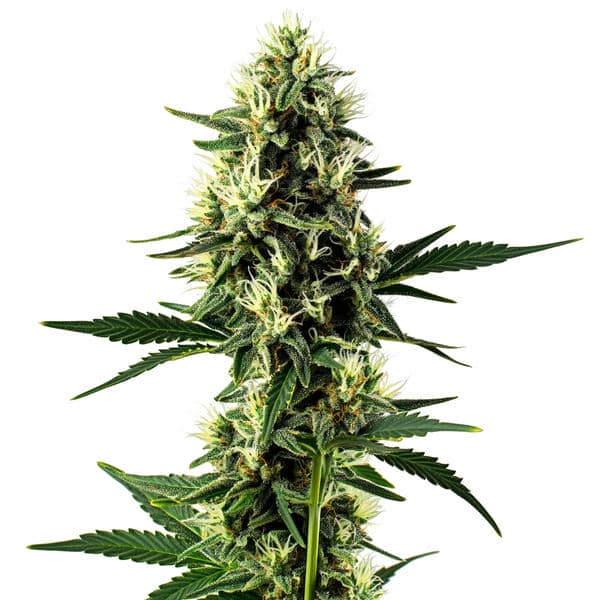
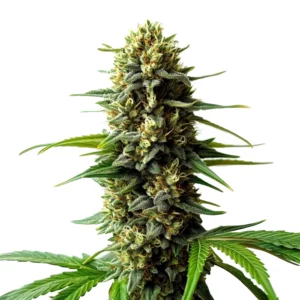
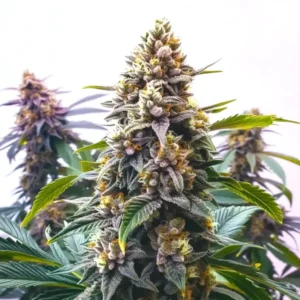
Aurora Indica

|
THC | 15% - 20% (Medium) |

|
Type | Feminized |

|
Yield | Medium |

|
Phenotype | 90% Indica / 10% Sativa |
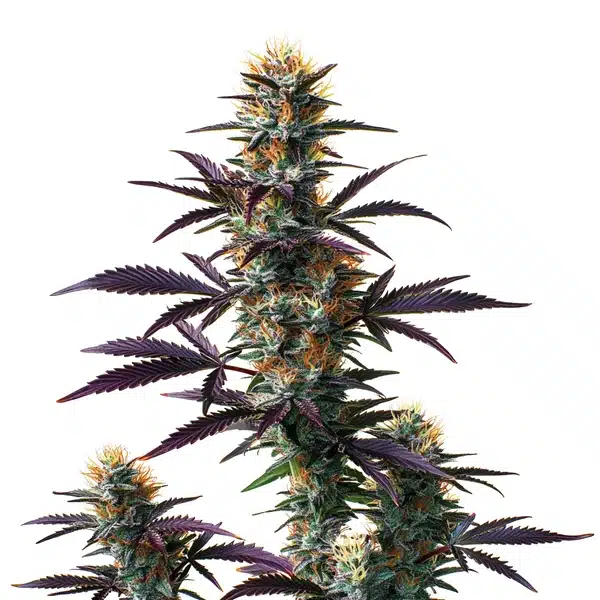
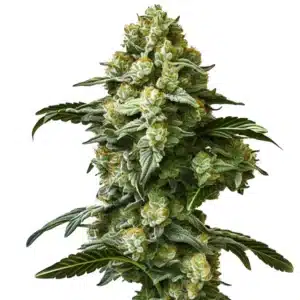
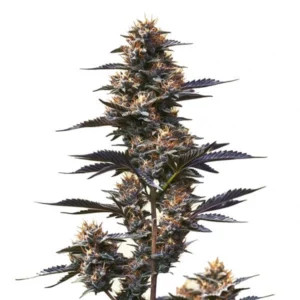
Black Domina Auto
|
|
THC | 10% - 15% (Medium) |
|
|
Type | Autoflowering |
|
|
Yield | Medium |
|
|
Phenotype | 85% Indica / 15% Sativa |
Knowing Cannabis Aroma
The Function of VOCs in Cannabis
Volatile organic compounds (VOCs) are crucial in defining the aroma of cannabis. These compounds, including terpenes and thiols, are responsible for the plant’s distinctive scent. Terpenes such as myrcene and limonene contribute to earthy and citrusy notes, respectively, while thiols add a skunky aroma. Knowing the odorless cannabis strains myth VOCs helps explain why even low-odor varieties still produce aromatic compounds, although in lower concentrations. VOCs are present in varying concentrations, typically ranging from 0.5% to 2% of the plant’s weight.
Growers often measure the concentration of these compounds to understand their impact on aroma and potency. For instance, myrcene, found in concentrations of 0.8-1.2%, enhances THC uptake, while caryophyllene, at 0.4-0.7%, interacts with CB2 receptors to reduce inflammation. These interactions highlight the importance of VOCs in both aroma and therapeutic effects.
Practical Application & Impact
Knowing VOCs can help cultivators manage the aroma of their crops. By selecting strains with lower VOC concentrations, growers can produce cannabis with a milder scent, ideal for discreet indoor cultivation. This knowledge is crucial for those growing in areas with strict odor regulations. Selecting strains like Blue Moonrock, known for its subtle aroma, can be beneficial.
Maintaining optimal growing conditions, such as 68-77°F (20-25°C) and 40-60% relative humidity, can also influence VOC production. Deviations from these parameters can lead to increased volatile sulfur compounds, which intensify the scent, making it more pungent and noticeable.
Promos & Deals
The Myth of Odorless Strains
Why Some Strains Seem Less Pungent
The idea of odorless cannabis strains is a myth, as all strains contain VOCs that contribute to their scent. However, some strains are perceived as less pungent due to their specific terpene profiles. Discussions on platforms like Reddit often highlight strains with lower levels of volatile sulfur compounds, which are responsible for the skunky aroma associated with cannabis.
Strains with a dominant terpene like linalool, which provides a floral scent, can mask the more intense aromas of other terpenes. This balance creates a milder overall scent profile, making these strains attractive to those seeking discretion. For instance, Sour Diesel Auto offers a more subtle scent due to its unique terpene composition.
Practical Application & Impact
Choosing the right strain for low odor is crucial for indoor growers. Strains with a balanced terpene profile can reduce the risk of unwanted attention. Low odor strains are ideal for urban growers or those with sensitive neighbors. Knowing the function of VOCs and terpenes in aroma can guide you in selecting strains that meet your needs.
When cultivating low odor strains, ensure proper ventilation and air filtration to manage any residual scents. Using carbon filters can effectively reduce the smell, allowing for a more discreet growing environment.
Exploring Low Odor Strains
Characteristics of Low Odor Indica Strains
Low odor Indica strains are popular among growers seeking discretion. These strains typically have a more subtle aroma due to their terpene profiles. Indicas like Aurora Indica often feature terpenes such as myrcene and linalool, which provide earthy and floral notes, respectively. These terpenes are present in concentrations of 0.5-1.0%, contributing to a less pronounced scent.
Indica strains are also known for their relaxing effects, making them ideal for evening use. The combination of a mild aroma and calming effects makes them a favorite among those who value both discretion and relaxation. With THC levels ranging from 18-22%, these strains offer a potent yet manageable experience.
Growing Low Odor Strains Indoors
Indoor cultivation of low odor strains requires attention to detail. Selecting low odor cannabis seeds is the first step. Strains like Banana Kush Auto are bred for reduced scent, making them suitable for indoor environments. These seeds produce plants with a terpene profile that minimizes pungency.
Maintaining environmental conditions is key to controlling odor. Keep temperatures between 68-77°F (20-25°C) and humidity levels at 40-60%. Proper ventilation and the use of carbon filters can further reduce the aroma, ensuring a discreet growing operation.
Popular Low Odor Strains
Blue Moonrockand Other Varieties
Blue Moonrock is renowned for its low odor profile, making it a top choice for stealth growers. It also helps explain the odorless cannabis strains myth VOCs, since even low-smell varieties still emit subtle aromatic compounds. With THC levels of 15–20%, it offers a balanced experience without overwhelming scents. Its dominant terpene, myrcene, provides a mild earthy aroma, enhancing its appeal for indoor cultivation.
Other popular low odor strains include Black Domina Auto and Super Skunk Auto. These strains are favored for their discreet scent profiles and potent effects. Black Domina Auto features caryophyllene, adding a spicy note, while Super Skunk Auto offers a sweet, subtle aroma.
Professional Tips for Low Odor Cultivation
- Maintain 68-77°F (20-25°C) to optimize terpene retention. Higher temperatures can degrade terpenes, increasing odor.
- Use carbon filters to scrub air, reducing VOC emissions. Without them, odors can permeate your grow space.
- Choose strains with low myrcene levels for less pungency. High myrcene concentrations can enhance the plant’s scent.
- Ensure 40-60% RH to prevent mold while preserving aroma. High humidity can lead to mold growth, affecting quality.
- Monitor nutrient levels to avoid over-fertilization, which can increase volatile sulfur compounds, intensifying odor.
- Implement a 12/12 light schedule for photoperiod strains to control flowering and manage VOC production efficiently.
FAQs About odorless cannabis strains myth VOCs
Why does my cannabis have no smell?
If your cannabis lacks aroma, it could be due to improper curing or storage. Cannabis should be cured at 60-65% RH and stored at 59-70°F (15-21°C) to preserve terpenes. Over-drying or exposure to high temperatures can degrade terpenes, reducing the plant’s scent.
What makes a cannabis strain less pungent?
A strain’s pungency is influenced by its terpene profile and VOC concentration. Strains with lower levels of volatile sulfur compounds and balanced terpenes like linalool and myrcene tend to have a milder aroma. Selecting strains with these characteristics can reduce overall scent intensity.
Can low odor strains still be potent?
Yes, low odor strains can still be potent. Potency is determined by THC content, which can be high even in strains with subdued aromas. Strains like Aurora Indica offer THC levels of 18-22% while maintaining a low odor profile, providing a strong effect without a strong scent.