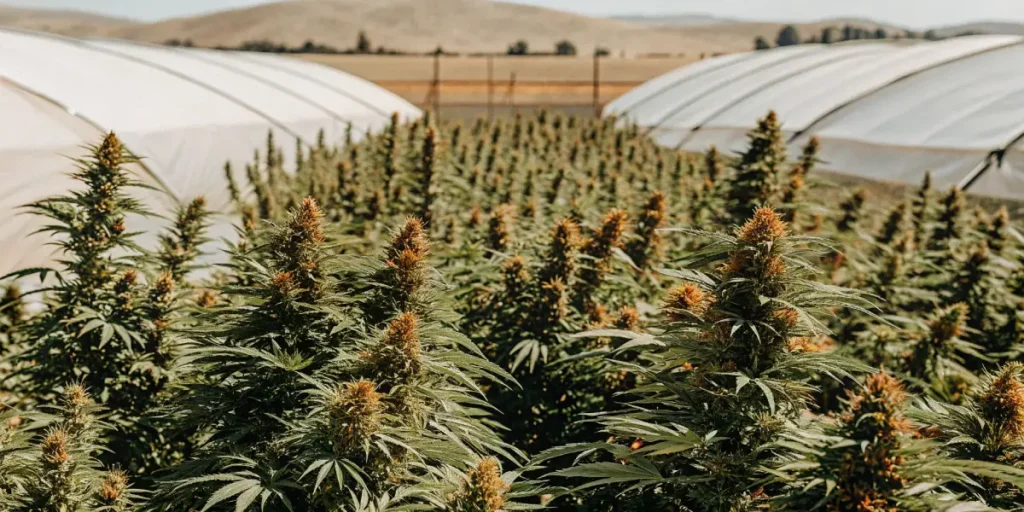
Top Cannabis Strains Resilient to Oxidative Stress

Top Cannabis Strains for Oxidative Stress: Selecting cannabis strains that are resilient to oxidative stress is vital for maintaining plant health and achieving high yields. Oxidative stress results from an imbalance between free radicals and antioxidants, which can harm plants and reduce productivity. Blimburn Seeds offers robust strains like Critical + 2.0 and OG Kush, which are bred to withstand challenging conditions, ensuring healthier growth and better yields.
When cultivating cannabis, choosing strains resilient to oxidative stress is essential. These strains often boast unique terpene profiles, enhancing both aroma and flavor. For instance, Critical + 2.0 and OG Kush offer rich terpene content, contributing to their resilience. Additionally, understanding flowering times, such as the 8-9 week period for Critical + 2.0, can optimize growth strategies.
Recommended Strains
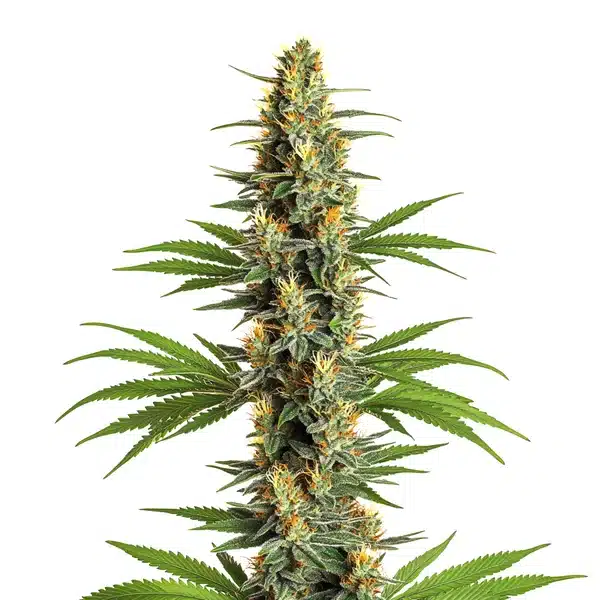
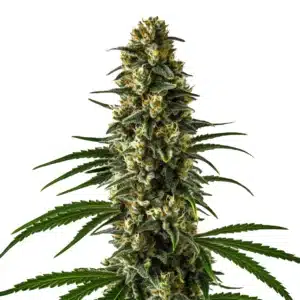
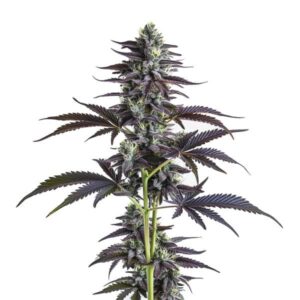
Critical 2.0

|
THC | 18% - 22% (Medium) |

|
Type | Feminized |

|
Yield | High |

|
Phenotype | 60% Indica / 40% Sativa |

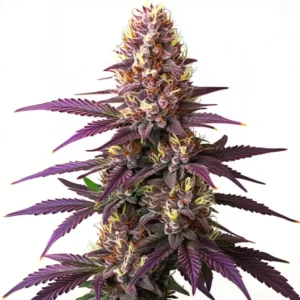
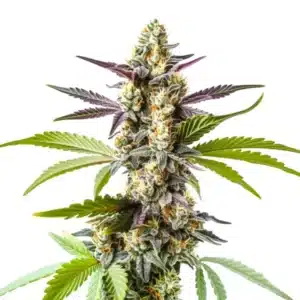
OG Kush
|
|
THC | 20% - 24% (High) |
|
|
Type | Feminized |
|
|
Yield | High |
|
|
Phenotype | 55% Indica / 45% Sativa |
Oxidative Stress in Cannabis
Causes and Effects of Oxidative Stress
Oxidative stress in cannabis arises from an imbalance between free radicals and antioxidants within the plant. Free radicals are reactive molecules that can damage cells, leading to symptoms like leaf discoloration and stunted growth. This stress can severely impact the plant’s ability to produce cannabinoids and terpenes, ultimately affecting yield and potency.
Plants experiencing oxidative stress may show signs such as yellowing leaves, brittle textures, and reduced growth rates. For instance, a plant under stress might see its growth rate drop by 20-30%, impacting overall yield. Addressing oxidative stress involves maintaining a balance of antioxidants to neutralize free radicals effectively.
Best Strains for Oxidative Stress Resistance
Choosing the right strains can significantly mitigate oxidative stress. Strains like Critical + 2.0, with its robust genetics, are designed to withstand harsh conditions. These strains often have higher antioxidant levels, which help neutralize free radicals, ensuring healthier growth. OG Kush is another excellent choice, known for its adaptability and resilience.
Implementing preventive measures alongside selecting stress-resistant strains can enhance plant health. Techniques such as proper airflow and nutrient management play a crucial role. For example, maintaining a nutrient balance of N:P:K 3:1:2 during the vegetative stage can fortify the plant against stress.
Mechanisms of Antioxidant Defense in Cannabis
Cannabis plants possess natural antioxidant mechanisms to combat oxidative stress. Enzymes like superoxide dismutase (SOD) and catalase play critical roles in detoxifying harmful reactive oxygen species (ROS). SOD converts superoxide radicals into hydrogen peroxide, which is then broken down by catalase into water and oxygen. This enzymatic activity is crucial for maintaining cellular integrity and promoting healthy growth.
Furthermore, non-enzymatic antioxidants such as flavonoids and terpenes contribute to the plant’s defense system. These compounds scavenge free radicals, preventing cellular damage. Breeding efforts focus on enhancing these natural antioxidant levels, resulting in strains with improved stress resilience.
Promos & Deals
Cultivation Tips for Stress-Resilient Strains
Environmental Management Techniques
Maintaining optimal environmental conditions is crucial for stress-resilient strains. Ensure a temperature range of 68°F – 77°F (20°C – 25°C) to prevent stress. Use fans to provide adequate airflow, reducing the likelihood of oxidative stress. Proper ventilation helps maintain a stable environment, essential for the plant’s health.
Humidity control is equally important. Keep relative humidity between 50-60% during the vegetative stage to avoid stress. Excess humidity can lead to mold, while low humidity can cause dehydration. Regularly monitor conditions with a digital hygrometer to ensure accuracy.
Nutrient and Soil Management
Soil quality directly impacts a plant’s ability to resist stress. Use well-aerated soil with a pH of 6.0-6.5 to promote healthy growth. Incorporate organic matter to improve soil structure and nutrient availability. This foundation supports robust root development and enhances stress resilience.
Implement a balanced nutrient regimen, focusing on N:P:K ratios. During flowering, switch to a 1:3:2 ratio to support bud development and stress resistance. Avoid over-fertilization, which can lead to nutrient burn and exacerbate stress.
| Feature | Critical + 2.0 | OG Kush | Girl Scout Cookies |
|---|---|---|---|
| THC % | 20-24% | 18-22% | 22-28% |
| Dominant Terpene | Myrcene | Limonene | Caryophyllene |
| Yield (oz/ft²) | 1.5-1.8 oz/ft² | 1.2-1.5 oz/ft² | 1.4-1.7 oz/ft² |
| Flowering Time | 8-9 weeks | 8-9 weeks | 9-10 weeks |
| Resistance Level | High | High | Moderate |
Role of CO2 in Stress Management
CO2 enrichment can significantly enhance a plant’s ability to withstand oxidative stress. CO2 is essential for photosynthesis, allowing plants to produce carbohydrates and oxygen. Increasing CO2 levels in the grow environment can boost photosynthetic efficiency, leading to healthier, more resilient plants. Aim for CO2 concentrations around 1200-1500 ppm during the vegetative stage for optimal results.
Additionally, CO2 enrichment helps plants maintain their internal antioxidant systems, further protecting them from oxidative damage. This practice, combined with proper environmental controls, can greatly improve plant health and yield.
FAQs about Oxidative Stress in Cannabis
Which cannabis strain is best for inflammation?
Strains high in CBD, like CBD Candida, are often recommended for inflammation. CBD interacts with the body’s endocannabinoid system, reducing inflammation. Look for strains with at least 10% CBD content for effective relief.
What strain is holy grail?
The Holy Grail strain is a hybrid known for its balanced effects and high THC content, often exceeding 20%. It offers a relaxing experience with a mix of earthy and pine flavors. Ideal for stress relief and relaxation.
Is skunk #1 mold resistant?
Skunk #1 is moderately resistant to mold, making it suitable for various climates. However, maintaining humidity below 60% is crucial to prevent mold growth. Its robust genetics help it withstand environmental challenges.
Is blue dream mold resistant?
Blue Dream is not particularly mold resistant, requiring careful humidity control. Keep humidity levels between 50-55% during flowering to minimize mold risk. Its popularity stems from its balanced effects and sweet berry aroma.
Can environmental factors exacerbate oxidative stress in cannabis plants?
Yes, factors like high temperatures and intense light can increase oxidative stress. Maintaining temperatures between 68°F – 77°F (20°C – 25°C) and using shade cloths can help mitigate these effects. Proper environmental controls are essential for plant health.