Unlocking THCA Sand: A Deep Dive into Cannabis Concentrates

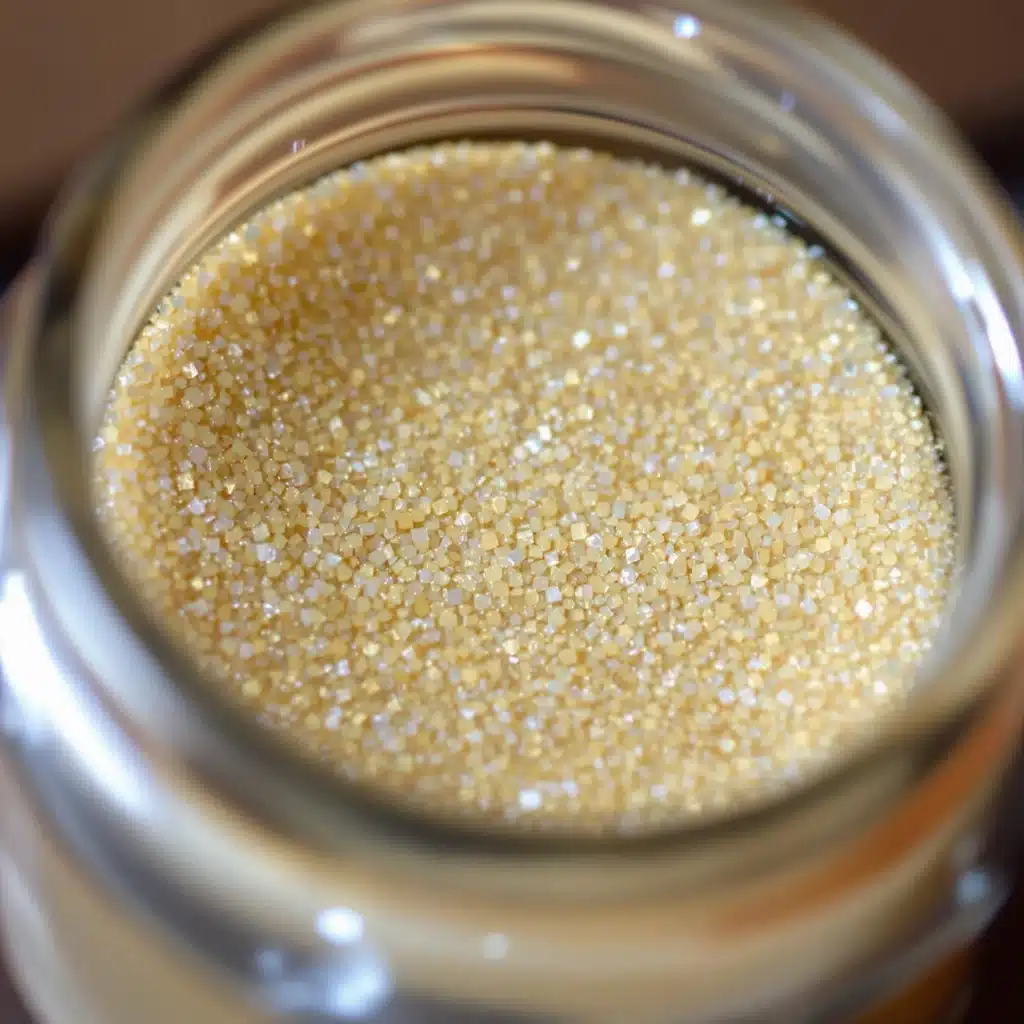
THCA Sand Potency: THCA sand is a cannabis concentrate known for its extreme purity, often exceeding 95% tetrahydrocannabinolic acid (THCA). This granular concentrate remains non-psychoactive until heat is applied, making it versatile for various consumption methods. Its high THCA content offers both recreational and medicinal users a potent experience, especially when activated through smoking or vaping.
THCA sand is celebrated for its unique composition, offering a granular texture that facilitates versatile use. Unlike other concentrates, it lacks terpenes, focusing solely on THCA content. This makes it ideal for those seeking a pure, potent experience. With its crystalline form, THCA sand can be easily integrated into various consumption methods, enhancing both recreational and medicinal applications.
Recommended Strains
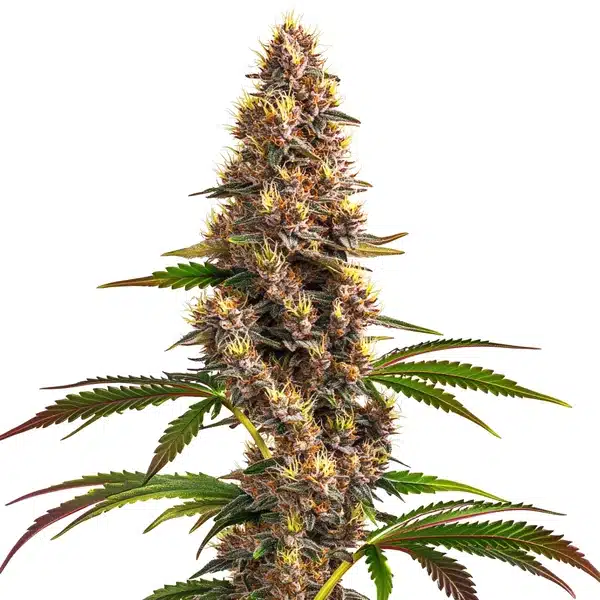
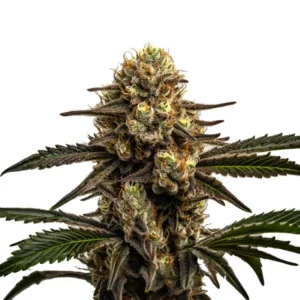
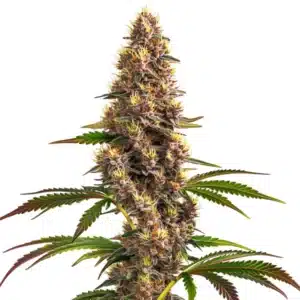
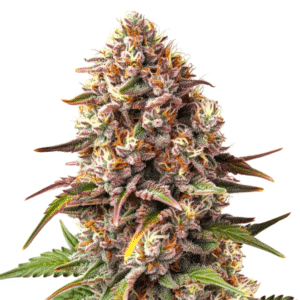
Super Boof

|
THC | 25% - 28% (High) |

|
Type | Feminized |

|
Yield | Low |

|
Phenotype | 60% Indica / 40% Sativa |
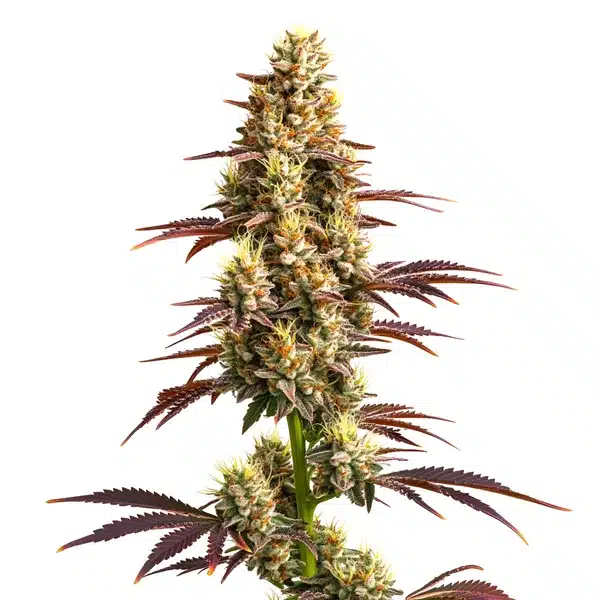
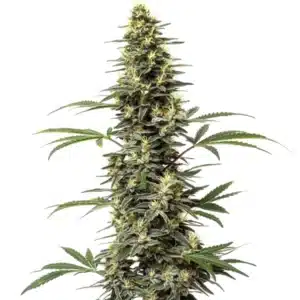
Super Boof Auto
|
|
THC | 25% - 28% (High) |
|
|
Type | Autoflowering |
|
|
Yield | Low |
|
|
Phenotype | 60% Indica / 40% Sativa |
What is THCA Sand?
Composition and Purity
THCA sand is a highly refined cannabis concentrate, consisting primarily of tetrahydrocannabinolic acid (THCA) in concentrations often exceeding 95%. This purity is achieved through advanced extraction methods that isolate THCA from the cannabis plant, resulting in a product free from plant material and terpenes. The absence of these compounds ensures a clean, potent experience tailored for users prioritizing purity.
In the extraction process, techniques like CO2 or solvent-based methods are employed to strip away impurities, leaving behind a crystalline substance. This meticulous refinement ensures the final product is devoid of unwanted compounds, offering users a high-quality option. The resulting sand-like texture is composed of fine crystalline particles, making it manageable and versatile for various consumption methods.
How is THCA Sand Made?
The production of THCA sand involves sophisticated extraction techniques designed to isolate THCA while maintaining its integrity. Methods such as CO2 extraction or solvent-based processes are utilized to achieve this. These methods ensure that the final product is free from contaminants, providing a potent and safe option for consumers. The extraction process is crucial in preserving the cannabinoid’s integrity, resulting in a powerful and safe product.
Producers take great care to maintain the cannabinoid’s integrity during extraction. The result is a product that is not only potent but also safe, as reputable companies subject their products to rigorous testing to verify purity, potency, and the absence of harmful contaminants. This ensures that consumers receive a product that meets high standards of quality and safety.
Promos & Deals

How to Use THCA Sand
Best Ways to Smoke THCA Sand
Smoking THCA sand is a popular method due to its immediate effects. When sprinkled onto cannabis flower in a joint or bowl, the heat activates the THCA, converting it into THC for a potent high. This method is favored by experienced users seeking to amplify their sessions with minimal material. The sand’s granular texture makes it easy to distribute evenly across the flower.
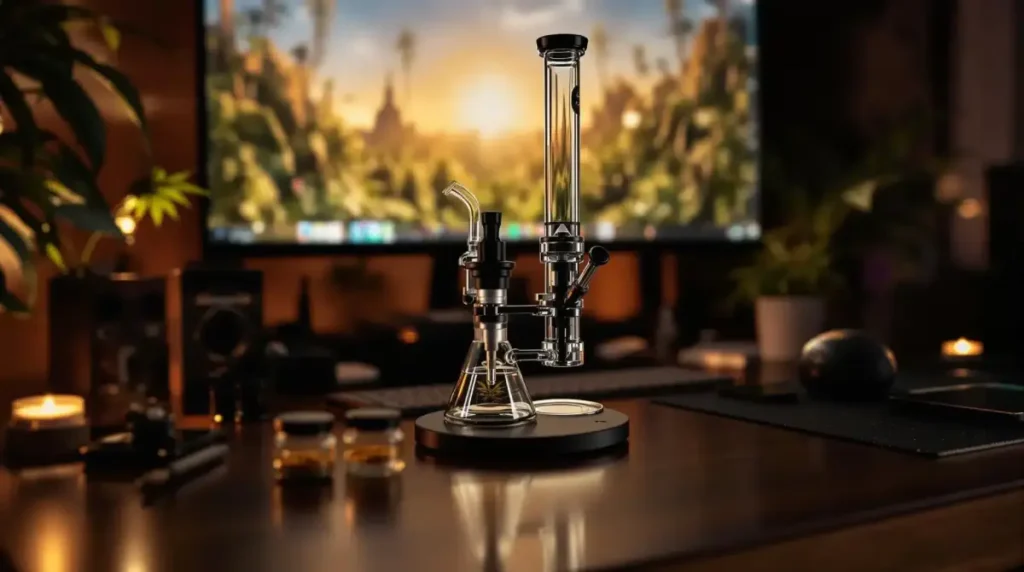
For those preferring a cleaner experience, vaping THCA sand offers a smooth alternative. Using a dab rig or a concentrate vaporizer, users can enjoy the purity of THCA without the harsher effects of smoking. This method preserves the concentrate’s integrity, delivering a potent and flavorful experience. Vaping is ideal for users who want intense effects without the drawbacks of combustion.
Incorporating into Edibles
THCA sand is a versatile ingredient for cannabis-infused edibles. Its flavorless profile and high potency make it an excellent choice for culinary creations. To incorporate it into edibles, decarboxylation is necessary, where low heat activates the THCA into THC. Once prepared, it can be mixed into oils, butters, or other ingredients to create potent baked goods or meals.
Precise dosing is essential when using THCA sand in edibles. Its concentrated form allows for exact measurements, ensuring effective results without overwhelming the user. This makes it a preferred choice for experienced cannabis chefs and newcomers alike. By controlling the dosage, users can tailor the potency of their edibles to suit their preferences.
| Feature | Shatter | Wax | THCA Sand |
|---|---|---|---|
| THC Content | 70-80% | 60-70% | 95%+ |
| Texture | Brittle | Creamy | Granular |
| Terpene Content | High | Moderate | None |
| Flavor Profile | Rich | Earthy | Neutral |
| Usage Versatility | Limited | Moderate | High |
Top Strains for THCA Sand Enhancement
Enhancing your THCA sand experience with the right cannabis strains can elevate your session. Here are some top picks from Blimburn Seeds:
- Jealousy: 26-30% THC. Dominant terpene: Limonene, offering a citrusy aroma. Delivers a balanced hybrid experience with sweet, creamy flavors and uplifting effects. Ideal for enhancing relaxation and mental clarity.
- Inferno: 28-32% THC. Dominant terpene: Caryophyllene, providing spicy, peppery notes. Known for intense euphoria and full-bodied effects. Perfect for pairing with THCA sand for a robust experience.
- Super Boof: 24-28% THC. Dominant terpene: Myrcene, with earthy undertones. Balances energizing effects with a calming undertone, great for creativity or social gatherings.
- Alien OG: 25-29% THC. Dominant terpene: Pinene, offering a piney aroma. Provides a potent cerebral high, complementing the effects of THCA sand.
- White Runtz: 27-31% THC. Dominant terpene: Linalool, delivering floral, lavender notes. Enhances relaxation and stress relief, ideal for a calming session.
Professional Tips for THCA Sand Use
- Start with a small dose, around 0.1 grams, to gauge effects. THCA sand’s potency can be overwhelming for new users.
- Maintain storage at 59-70°F (15-21°C) in a cool, dark place to preserve potency. Exposure to heat or light can degrade the product.
- Use a digital scale for precise dosing, especially when making edibles, to avoid overconsumption.
- When vaping, set your device between 315-430°F (157-221°C) to ensure full decarboxylation without burning.
- Pair with strains high in limonene for an uplifting experience, as this terpene enhances mood and clarity.
- Always check lab reports for THCA content above 95% and absence of contaminants to ensure quality.
FAQs About THCA Sand
What to do with THCA sand?
THCA sand can be used in various ways, including smoking, vaping, or incorporating into edibles. When smoked or vaped, it requires heat to activate the THCA into THC, delivering potent effects. For edibles, decarboxylate at 220°F (104°C) before mixing into recipes for precise dosing and effective results.
Why is THCA being banned?
THCA is not banned universally, but some jurisdictions regulate it due to its potential conversion to THC, a psychoactive compound. Legal frameworks vary, with certain areas imposing restrictions to prevent misuse. Always check local laws, as possession limits and penalties can differ significantly across regions.
Will THCA get you stoned?
THCA itself is non-psychoactive. However, when exposed to heat, it converts to THC, which can produce a psychoactive effect. This transformation occurs at temperatures above 220°F (104°C), making methods like smoking or vaping effective for those seeking a high.
What is savvy THCA sand?
Savvy THCA sand refers to a refined product known for its high purity and potency, often exceeding 95% THCA. It is favored by experienced users for its versatility and clean effects. Its granular texture allows for easy integration into various consumption methods, enhancing both recreational and medicinal experiences.
How to store THCA sand?
Store THCA sand in an airtight container at 59-70°F (15-21°C) in a cool, dark place. This prevents exposure to air, light, and moisture, which can degrade its potency. Proper storage ensures the concentrate remains effective and safe for consumption over time.