How to Make Cannabis Distillate: What It Really Takes

Quick answer: Cannabis distillate is a near-pure extract (up to around 99% cannabinoids) made by distilling an extract to separate THC or CBD from everything else. True distillate requires specialized equipment, short-path or wiped-film distillation, so it is a lab process, not a simple kitchen project. At home, you can make potent concentrates like RSO or infused oil, but not genuine distillate without that gear.
Distillate is one of the purest cannabis products available, a refined extract that can reach close to 99% cannabinoids, stripped of waxes, chlorophyll and even terpenes. That purity makes it odorless, tasteless and extremely versatile for vapes, edibles and dabbing, which is why it is everywhere in dispensaries.
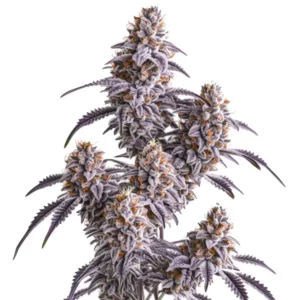
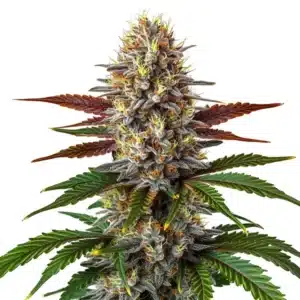
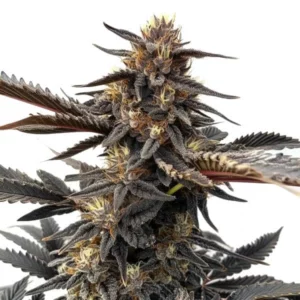
Recommended Strains


It is worth being honest up front, though: making real distillate is an advanced, equipment-heavy process, not a simple kitchen recipe. It relies on vacuum distillation to separate cannabinoids by boiling point, which needs specialized gear. This guide explains how the process actually works and what home growers can realistically make instead.
| Aspect | Distillate |
|---|---|
| What it is | Refined extract, up to ~99% cannabinoids (mostly THC or CBD) |
| Flavor/aroma | Nearly odorless and tasteless (terpenes removed) |
| Made by | Short-path or wiped-film distillation (lab equipment) |
| Home-friendly? | No; true distillation needs specialized gear |
| Uses | Vapes, edibles, dabbing, adding to flower |
What Is Cannabis Distillate?
Distillate is made by taking a crude cannabis extract and distilling it, using heat and vacuum to separate compounds by their boiling points, so the THC (or CBD) is isolated from fats, waxes and plant material. The result is a thick, clear-to-amber liquid of remarkable purity.
Because the terpenes are removed during distillation, pure distillate is almost odorless and flavorless. That is a feature for some uses, precise, neutral dosing in edibles and vape carts, but it also means producers often add terpenes back for flavor. Its potency and versatility are what make it so popular.
Promos & Deals
How Distillation Actually Works
Real distillate production has three broad stages: extraction (pulling a crude extract from the flower, usually with a solvent), winterization and decarboxylation (cleaning it up and activating the cannabinoids), and finally distillation itself. That last step uses a short-path or wiped-film distillation rig under vacuum to vaporize and recondense the cannabinoids at precise temperatures.
This is where the ‘anyone can do it’ idea falls down: short-path distillation needs specialized, costly equipment and real technical skill, plus solvents that are hazardous to handle. It is genuinely a professional, lab-scale process. Attempting it casually at home is impractical and unsafe, so distillate is best bought lab-tested rather than made in a kitchen.
Home-Friendly Alternatives to Distillate
If you want a potent homemade concentrate without lab gear, you have good options, they just are not true distillate. RSO (Rick Simpson Oil) is a full-plant extract you can make with food-grade alcohol, infused coconut or olive oil works for edibles, and rosin can be pressed with heat and pressure for a solventless dab.
These keep more terpenes and are far safer to make than attempting distillation. For step-by-step methods, see our guides to making cannabis oil at home and cannabis oil extraction methods, and to understand the product categories, our extract vs concentrate explainer.
Distillate vs Other Concentrates
It helps to place distillate among its cousins. Distillate is the purest and most neutral, near-pure cannabinoids with the terpenes stripped out, which is why it is the default for vape carts and precise edibles. Live resin and rosin are the opposite priority: lower in raw cannabinoid percentage but rich in terpenes, so they taste and feel more complete.
RSO sits apart again as a dark, full-plant extract valued by some for a whole-plant profile. In short, distillate wins on purity and dosing precision, while terpene-rich concentrates win on flavor and nuance. Neither is simply better; it depends on whether you want a clean, strong blank canvas or a flavorful, full-spectrum experience.

FAQs About Making Distillate Weed
Can you make distillate at home?
Not true distillate. Genuine distillate requires short-path or wiped-film distillation equipment and technical skill, so it is a lab process, not a kitchen one. At home you can make potent concentrates like RSO, infused oil or rosin, which are safer and keep more flavor, but they are not the same near-pure product as distillate.
What is cannabis distillate used for?
Its purity and neutral flavor make it ideal for vape cartridges, edibles with precise dosing, dabbing, and boosting the potency of flower. Because terpenes are removed, producers often add them back for flavor and effect. A little goes a long way, since distillate can be close to 99% cannabinoids.
Is distillate stronger than other concentrates?
In raw cannabinoid percentage, usually yes, distillate can reach around 99% THC or CBD, higher than most other extracts. But ‘stronger’ is not the whole story: it lacks the terpenes and minor cannabinoids that shape the experience in products like live resin or rosin, so it is purer and more neutral rather than necessarily better.
Is distillate the same as RSO?
No. RSO (Rick Simpson Oil) is a dark, full-plant extract that keeps a broad range of compounds and can be made at home with food-grade alcohol. Distillate is a refined, near-pure, light-colored product made by lab distillation that removes almost everything except the target cannabinoid. RSO is whole-plant; distillate is purified.
How much flower do you need to make distillate?
A lot, and yield depends on potency: distillate is near-pure, so it takes a large amount of resin-rich flower or trim to produce a small amount of finished distillate. Exact yields vary with the starting material and process efficiency. This is another reason distillate is made at commercial scale rather than from a few home grams.
Does distillate have terpenes?
Pure distillate has almost none, because distillation strips them out along with everything but the target cannabinoid, which is why it is nearly odorless and flavorless. Many producers add terpenes back afterward for flavor and effect, especially in vape cartridges. If you want naturally terpene-rich products, look to live resin or rosin instead.