Setting AW Specifications for Cannabis Products

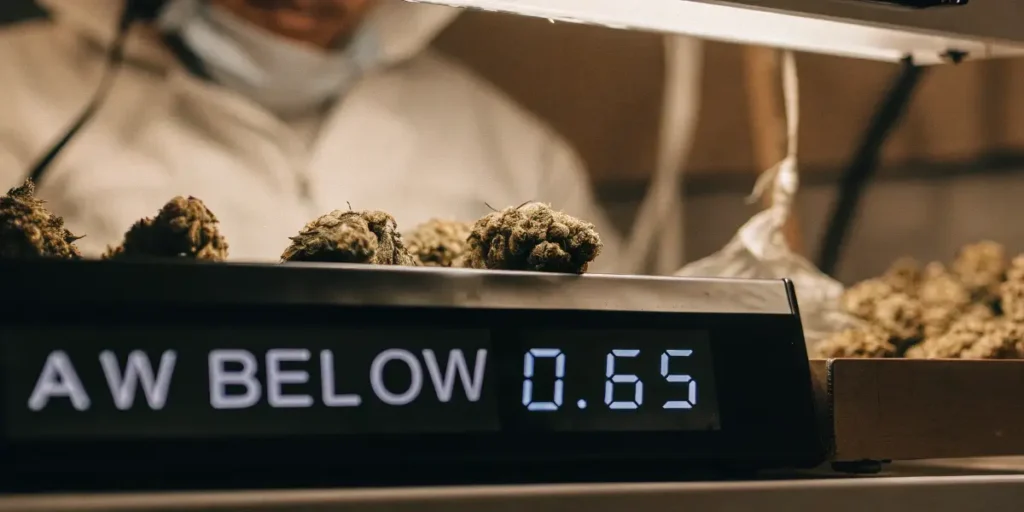
Setting AW specifications for cannabis products: Ensuring proper water activity (AW) levels is essential for cannabis safety and quality. AW influences microbial growth and shelf life, making it a critical parameter in production. Experienced growers report that maintaining AW below 0.65 significantly reduces microbial contamination risks, enhancing product stability and compliance with industry standards.
Water activity (AW) plays a pivotal role in cannabis preservation, directly affecting terpene retention and potency. By maintaining AW within optimal ranges, you can enhance the aromatic profile and prolong shelf life. This guide delves into the specifics of AW, offering insights into its impact on cannabis quality and compliance with industry regulations.
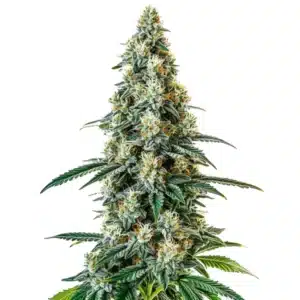
Recommended Strains

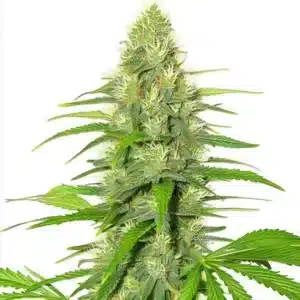
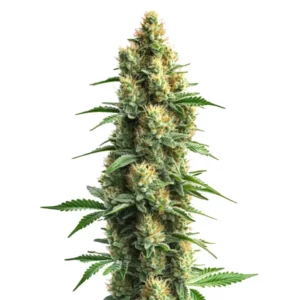
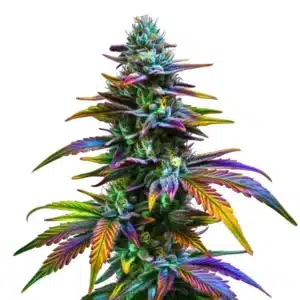
GG4

|
THC | 27% (High) |

|
Type | Feminized |

|
Yield | High |

|
Phenotype | 40% Indica / 60% Sativa |
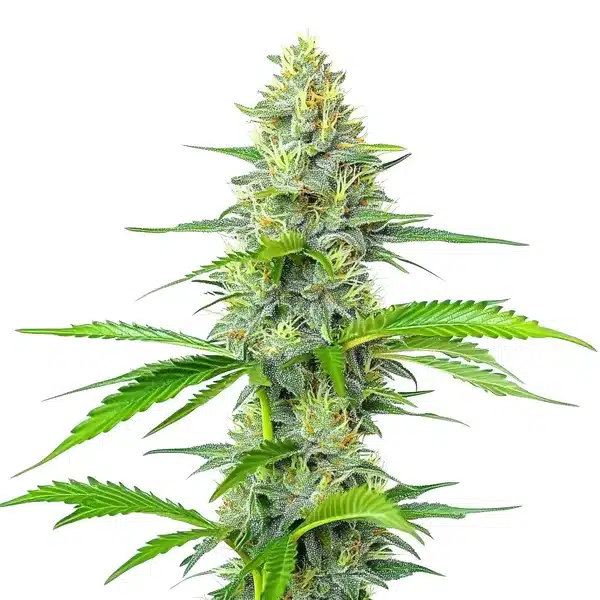
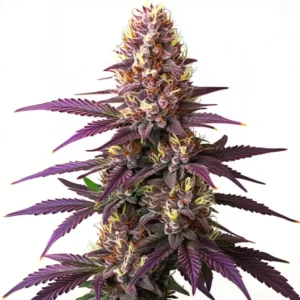
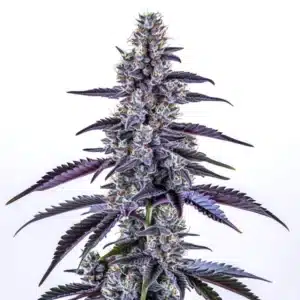
Blueberry x White Widow
|
|
THC | 22% - 27% (High) |
|
|
Type | Feminized |
|
|
Yield | High |
|
|
Phenotype | 60% Indica / 40% Sativa |
AW in Cannabis Products
What is AW and Why is it Important?
AW, or water activity, measures the free moisture in cannabis products, crucial for determining microbial growth potential. With AW levels below 0.65, the risk of mold and bacteria decreases significantly. This parameter is vital for ensuring the safety and longevity of cannabis, as higher AW can lead to rapid microbial proliferation, compromising product integrity.
In cannabis cultivation, maintaining AW between 0.55 and 0.65 is recommended to preserve terpenes and cannabinoids. This range helps in retaining the aromatic and therapeutic properties of strains like GG4, known for its potent effects and rich terpene profile.
Impact of AW on Cannabis Quality
AW directly influences the quality of cannabis by affecting the preservation of cannabinoids and terpenes. High AW levels can lead to degradation, resulting in diminished potency and flavor. For cultivators, achieving the right AW is crucial for maintaining the desired sensory and therapeutic effects of strains like Blueberry X White Widow.
Experienced cannabis cultivators emphasize the importance of monitoring AW to prevent quality loss. By using precise tools, you can ensure that your cannabis maintains its intended effects, flavor, and aroma, crucial for consumer satisfaction and compliance with Cannabis GMP requirements.
Promos & Deals
Setting AW Specifications for Cannabis Products
Step-by-Step Guide to Determine AW
To accurately set AW specifications, start by measuring the current AW of your cannabis using a digital hygrometer. Aim for a range of 0.55 to 0.65 to ensure optimal preservation. Adjust environmental conditions such as humidity and temperature to maintain this range, ensuring the longevity and safety of your products.
Many cannabis companies utilize AW meters to monitor and adjust their product environments. By maintaining the correct AW levels, you can enhance the shelf life and quality of your cannabis, aligning with industry standards and consumer expectations.
Tools and Equipment Needed
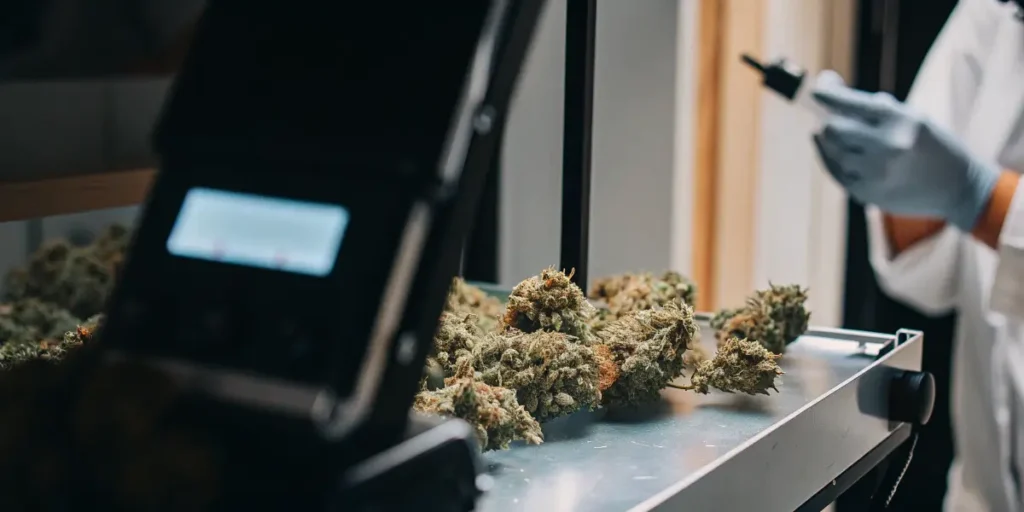
Invest in reliable tools like digital hygrometers and AW meters for accurate measurements. These devices help verify AW levels, ensuring compliance with industry standards. Regular calibration of these tools is essential to maintain accuracy and reliability in your measurements.
For cannabis verification, these tools are indispensable in ensuring your products meet quality standards. By maintaining precise AW levels, you can safeguard against microbial contamination, preserving the potency and flavor of your cannabis.
Compliance and Legal Considerations
Cannabis GMP Requirements
Compliance with Cannabis GMP requirements is essential for legal cannabis production. These standards ensure that products are consistently high in quality and free from contamination. By adhering to GMP guidelines, you can maintain product integrity and consumer trust, crucial for success in the cannabis industry.
Ensure your production processes align with GMP standards, focusing on AW control to prevent contamination. This compliance not only enhances product safety but also positions your brand as a leader in quality assurance.
Legal Cannabis Regulations
Legal cannabis regulations are vital for setting AW specifications. In regions like California, strict guidelines govern cannabis production, including packaging and labeling requirements. Compliance with these regulations ensures your products meet legal standards and consumer expectations.
OCM packaging and labeling regulations influence AW specifications, requiring precise control over product moisture levels. By adhering to these standards, you can ensure your products are legally compliant and of high quality.
Industry Insights and Best Practices
Cannabis Manufacturing Jobs and Roles
The cannabis industry offers diverse manufacturing jobs, each requiring specific knowledge of AW specifications. From cultivation to packaging, understanding AW is crucial for maintaining product quality and safety. Skilled professionals in these roles ensure that cannabis products meet industry standards and consumer expectations.
As the industry grows, the demand for knowledgeable professionals who understand AW specifications increases. This expertise is essential for maintaining quality control and compliance in cannabis production.
Cannabis Companies Leading the Way
Leading cannabis companies prioritize AW control to ensure product quality and compliance. By investing in advanced technologies and skilled personnel, these companies set industry standards for excellence. Their commitment to AW specifications enhances product safety, consumer satisfaction, and brand reputation.
By following the example of these industry leaders, you can improve your production processes and product quality, positioning your company as a trusted name in the cannabis market.
Professional Tips for Setting AW Specifications
- Maintain 58-62% RH during curing to preserve terpenes and cannabinoids. Avoid levels above 65% to prevent mold growth.
- Use digital hygrometers for accurate AW measurements. Regularly calibrate tools to ensure reliability.
- Store cannabis in airtight containers to maintain AW levels and prevent degradation.
- Monitor environmental conditions regularly to ensure consistent AW levels, crucial for product stability.
- Educate your team on the importance of AW control to enhance product quality and compliance.
- Implement regular quality checks to verify AW levels, ensuring compliance with industry standards.
FAQs about AW Specifications
What is the ideal AW level for cannabis buds?
The ideal AW level for cannabis buds is between 0.55 and 0.65. This range minimizes microbial growth, preserving the quality and potency of the buds. Maintaining this AW level ensures a longer shelf life and better consumer satisfaction.
How does AW affect the weight and quality of cannabis?
AW impacts both the weight and quality of cannabis. High AW can lead to moisture retention, increasing weight but risking mold. Conversely, low AW can dry out buds, reducing weight and terpene content. Balancing AW is crucial for optimal quality.
How does AW influence the measurement and packaging of cannabis?
AW affects cannabis measurement and packaging by determining moisture content. Proper AW levels ensure accurate weight and prevent microbial growth. Packaging must maintain AW to preserve product integrity and meet legal standards.
Are there upcoming regulations affecting AW specifications in cannabis products?
Upcoming regulations may tighten AW specifications to enhance product safety. As legal cannabis markets evolve, stricter guidelines could be implemented, requiring precise AW control to ensure compliance and consumer safety.
What tools are essential for measuring AW in cannabis production?
Essential tools for measuring AW include digital hygrometers and AW meters. These devices provide accurate readings, crucial for maintaining product quality and compliance with industry standards. Regular calibration ensures their reliability.