Rare Cannabis Strains and Seeds: Unique Genetics

Quick answer: Rare cannabis strains are varieties that are hard to find, because of limited or exclusive genetics, clone-only cuts, scarce landraces, or unusual traits like rare colours and extreme terpene or cannabinoid profiles. They appeal to collectors and flavour chasers wanting something different from mainstream hybrids. ‘Rare’ is partly about scarcity and partly about uniqueness, so judge a rare strain by its actual genetics and qualities, not just the label.
Rare cannabis strains hold a special appeal: they offer something most growers and smokers will never come across. A strain can be ‘rare’ for several reasons, exclusive or limited genetics from a particular breeder, clone-only cuts that are hard to get in seed form, scarce landraces from remote regions, or simply unusual traits like striking colours or extreme terpene and cannabinoid profiles. For collectors and enthusiasts, hunting these out is part of the fun.
Recommended Strains

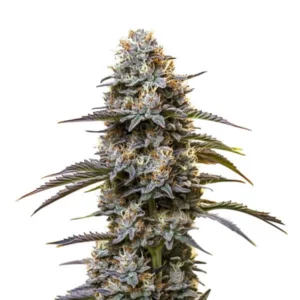
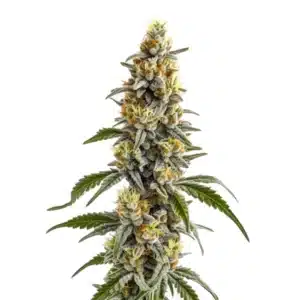
Purple Urkle

|
THC | 14% - 20% (Medium) |

|
Type | Feminized |

|
Yield | Medium |

|
Phenotype | 70% Indica / 30% Sativa |

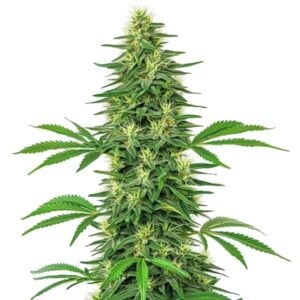
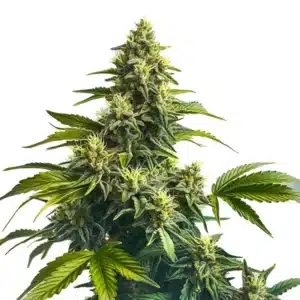
Alaskan Purple
|
|
THC | 15% - 20% (Medium) |
|
|
Type | Feminized |
|
|
Yield | Medium |
|
|
Phenotype | 70% Indica / 30% Sativa |
This guide explains what actually makes a strain rare, the types of rarity to look for, and how to grow rare genetics well once you find them. A quick word of realism: ‘rare’ is also a marketing word, so the smart approach is to look past the label and judge a strain by its real genetics, lineage and qualities rather than scarcity alone.
| What makes a strain rare | Example type |
|---|---|
| Limited or exclusive genetics | Small-batch breeder exclusives, clone-only cuts |
| Hard-to-find landraces | Pure regional sativas and indicas (African, Thai) |
| Unusual traits | Rare colours, extreme terpene or cannabinoid profiles |
| Low availability | Strains produced in tiny quantities or newly released |
What Makes a Cannabis Strain Rare?
Rarity comes down to scarcity plus uniqueness. Some strains are rare because of exclusive genetics, a breeder releases them in tiny quantities, or they exist mainly as clone-only cuts passed between growers rather than as widely sold seeds. Others are rare because they are authentic landraces: pure regional varieties (like certain African or Thai sativas) that are increasingly hard to find in unhybridised form.
Then there are strains rare for their traits rather than their supply, unusual colours, extreme resin, or distinctive terpene and cannabinoid profiles that set them apart from the dessert-and-gas mainstream. Many ‘exotic’ strains overlap with this category. For the flavour-and-appearance end of rarity, see our guides on exotic THCA flower and browse genetics in our feminized seeds.
Promos & Deals

Growing Rare Strains at Home
Growing rare genetics is rewarding but can be demanding, because rarity often goes hand in hand with quirks. Landrace sativas, for example, tend to be tall and long-flowering, needing space and patience, while some exclusive hybrids may be less uniform or more sensitive than well-stabilised commercial strains. Research each strain’s specific needs before you grow, rather than assuming it behaves like a standard hybrid.
Give rare plants good, stable conditions, start from reputable, well-documented seed, and keep records, part of the value of rare genetics is preserving and understanding them. If a strain is genuinely scarce, consider making your own seeds to keep the line alive. Above all, buy from trustworthy sources, since ‘rare’ claims are easy to fake and stable genetics are what make the experience worthwhile.
Are Rare Strains Worth It?
Whether a rare strain is worth the hunt depends on what you want. For collectors, breeders and flavour chasers, genuinely rare genetics offer something special: unique flavours, standout looks, or a piece of cannabis heritage you cannot get elsewhere, and that can absolutely be worth the effort and price. Preserving scarce landraces also has real value for the wider gene pool.
But ‘rare’ is not automatically ‘better’. A well-grown, well-bred common strain can easily outperform a hyped rare one, and scarcity sometimes reflects limited demand rather than quality. So chase rare strains for the experience and uniqueness, not on the assumption that rare means superior, and always judge the actual genetics. For an all-female, quality-focused grow of any strain, our feminized seeds are a reliable starting point.
Where Rare Strains Come From
Rare strains emerge in a few ways. Some are breeder exclusives: a skilled breeder creates a standout cross and releases it in small, limited runs, so it never floods the market. Others are clone-only cuts, elite plants passed hand to hand among growers that were never widely offered as seeds, making them genuinely hard to obtain. And some are heirloom landraces, pure regional varieties preserved from cannabis’s traditional growing regions before modern hybridisation.
There is also a newer source of ‘rarity’: the constant release of fresh, hyped hybrids, where scarcity is as much about timing and marketing as true uniqueness. That is worth keeping in mind, a strain can be rare simply because it is new, not because it is special. Understanding why a strain is rare helps you decide whether it is worth seeking out, and whether its genetics are genuinely distinctive or just freshly launched.

FAQs About Rare Cannabis Seeds
What are rare cannabis strains?
Rare strains are hard-to-find varieties, rare because of limited or exclusive genetics, clone-only cuts, scarce landraces, or unusual traits like rare colours and extreme terpene or cannabinoid profiles. They appeal to collectors and flavour chasers. ‘Rare’ reflects scarcity and uniqueness, so judge a strain by its real genetics and qualities, not just the label.
Where can I find rare cannabis seeds?
Reputable seed banks and breeders offer rare and limited genetics, including hard-to-find landraces and small-batch exclusives, though truly rare, unhybridised lines are scarce. Look for clear, well-documented genetics from a trusted source, since ‘rare’ claims are easy to fake. Buying from a reputable breeder is the best assurance the genetics match the label.
Are rare strains better than common ones?
Not necessarily. Rarity reflects scarcity and uniqueness, not guaranteed quality, and a well-grown, well-bred common strain can easily outperform a hyped rare one. Chase rare strains for their unique flavours, looks or heritage, not on the assumption that rare means superior. Always judge the actual genetics and growing qualities.
Why are some cannabis strains so rare?
Strains can be rare because of limited breeder releases, clone-only cuts that were never sold widely as seeds, scarce heirloom landraces, or unusual traits. Some are rare mainly because they are newly launched and hyped. Knowing the reason helps you tell genuinely distinctive genetics from strains that are simply new or marketed as scarce.