Proven Tips: How to Control Humidity for Large Cannabis Plants

Controlling the environment is crucial for growing large cannabis plants. Humidity affects plant health, growth rate, and yield. Successful growers focus on how to control humidity for large cannabis plants because it can make or break the harvest.
Humidity is the amount of water vapor in the air. When too high, it can encourage mold and mildew. Too low, and plants might dry out. Large cannabis plants require specific humidity levels at different growth stages. Paying attention to these factors will help you maintain healthy plants.
Recommended Strains


Humidity control is not just about keeping the air dry or moist. It involves a balance that supports the plant’s development from seedling to flowering stage. Investing time in knowing these needs is essential for large-scale cultivation.
Humidity Management Strategies for Large Cannabis Plants
Employing effective humidity management strategies for large cannabis plants can significantly influence their growth. Start by knowing the specific needs of your plants during each growth phase. Seedlings prefer higher humidity, while flowering plants require lower levels.
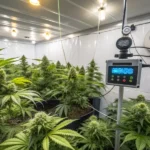
One strategy is using a hygrometer to monitor air moisture accurately. This device helps you keep track of changes in humidity levels. Adjustments can be made quickly, preventing issues like mold or nutrient uptake problems.
Knowing how to control humidity for large cannabis plants also involves regular inspections of your grow area. Ensure there are no leaks or sources of excess moisture, as these can disrupt the delicate balance needed for optimal plant health. Additionally, training staff to recognize the signs of humidity-related stress can prevent small issues from escalating into significant problems.
Implementing a comprehensive plan that includes both technology and manual checks can optimize the growing environment. Incorporating humidity management strategies for large cannabis plants into your daily routine will ultimately lead to healthier plants and increased yields. Employing data-driven approaches allows for precise adjustments tailored to specific strains and growing conditions.
Using Dehumidifiers for Large Cannabis Grow Rooms
Dehumidifiers are essential in maintaining the optimal humidity levels for large cannabis plants. When choosing a unit, consider the space size and the device’s capacity to extract moisture. The best dehumidifiers for large cannabis grow rooms can handle the specific needs of your grow area.
For example, if your grow room is expansive, a commercial-grade dehumidifier might be necessary. These models can handle larger volumes of air and are usually more efficient. On the other hand, smaller rooms can benefit from portable units.
Besides to selecting the right dehumidifier, it’s crucial to consider its placement within the grow room. Positioning the unit strategically ensures even distribution of air, avoiding areas of high moisture that could lead to mold growth. Regular maintenance of dehumidifiers, such as cleaning filters and checking drainage systems, is also vital to maintain their efficiency.
Choosing the best dehumidifiers for large cannabis grow rooms often involves consulting with experts who can recommend models based on specific environmental conditions. Investing in high-quality equipment is an upfront cost that pays off through improved plant health and reduced risk of disease. Blimburn Seeds’ strains, known for their robust growth, will thrive in well-managed environments.
Promos & Deals




How to Reduce Humidity in Cannabis Greenhouses
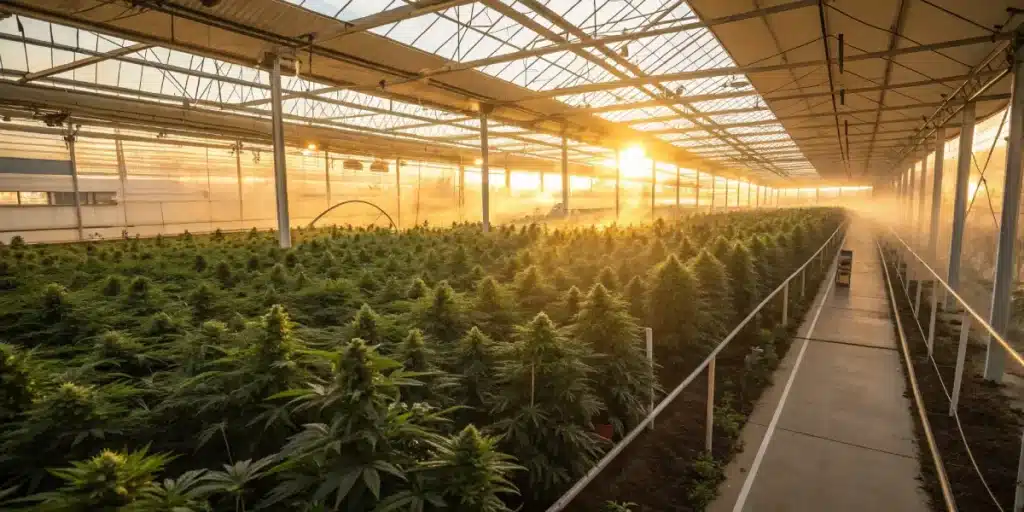
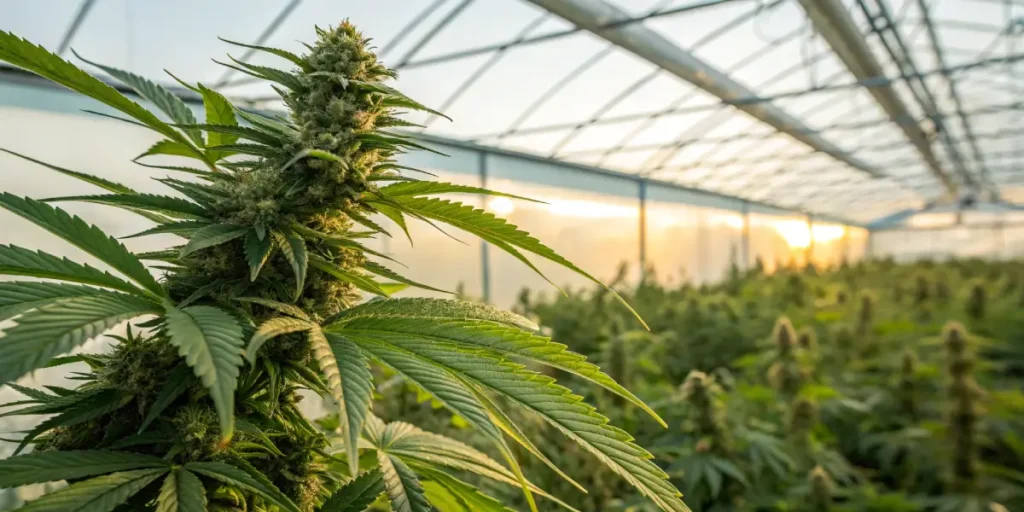
Greenhouses provide a unique challenge when managing humidity because their enclosed structure can trap excess moisture. Learning how to control humidity for large cannabis plants is essential in these environments to prevent mold, mildew, and other moisture-related issues. Proper humidity management helps maintain healthy growth conditions and protects your plants throughout the cultivation cycle.
Ventilation is key. Proper airflow helps expel excess moisture, keeping the air inside fresh. You can achieve this with exhaust fans or by opening vents. Ensure that the air circulates well to avoid stagnant conditions that encourage mold.
Incorporating shade cloths and reflective materials can also help regulate temperature and reduce humidity. These materials prevent excess heat from entering the greenhouse, thus minimizing moisture buildup. Additionally, installing sensors that monitor humidity in real-time can alert you to any changes, allowing for immediate corrective actions.
Knowing how to reduce humidity in cannabis greenhouses also involves selecting appropriate plant spacing to ensure adequate airflow around each plant. This prevents moisture from accumulating under the canopy. Regularly checking and adjusting the greenhouse’s environmental controls is a proactive approach to maintaining ideal growing conditions.
Maintaining Ideal Humidity for Large Cannabis Cultivation
Maintaining ideal humidity for large cannabis cultivation involves a balance of factors. Consider the plant’s stage of growth, ambient temperature, and the natural climate of your region. These elements all play a part in achieving the right humidity levels.
Strains like GG4 from Blimburn Seeds benefit from precise humidity control. During the flowering stage, reduce humidity to prevent bud rot and other diseases. This proactive approach ensures healthier plants and better yields.
Furthermore, employing automated systems for maintaining ideal humidity for large cannabis cultivation can significantly enhance consistency and efficiency. These systems can adjust settings based on real-time data from environmental sensors, ensuring that plants are always in optimal conditions without constant manual intervention.
Regular training sessions for your cultivation team on the latest techniques in humidity management can also contribute to better outcomes. As knowing grows, so does the ability to make informed decisions that enhance plant health and productivity. Utilizing feedback from previous grow cycles allows for continuous improvement in humidity control strategies.
Optimal Humidity Levels for Large Cannabis Plants
Knowing the optimal humidity levels for large cannabis plants at each growth stage is vital. Seedlings need humidity levels between 65-70%, while vegetative plants prefer 40-70%. During flowering, aim for 40-50% to prevent mold and mildew.
Strains such as Z OG, offered by Blimburn Seeds, require these specific conditions to flourish. Monitoring these levels regularly ensures that your plants remain healthy and productive. Adjustments should be made swiftly to avoid long-term damage.
To maintain these optimal humidity levels for large cannabis plants, consider using advanced control systems that integrate with your existing setup. These systems can be programmed to maintain consistent conditions, automatically adjusting to any fluctuations. This level of control is particularly beneficial in large-scale operations where manual monitoring would be impractical.
Besides, keeping detailed records of humidity levels and their effects on your plants can provide valuable insights for future grows. Comparing these records with weather patterns and other environmental factors can help predict and mitigate potential issues, ensuring a successful harvest with each cycle.
Choosing the Right Equipment
Choosing the right equipment involves more than just selecting dehumidifiers. Consider the entire setup, including fans, hygrometers, and air conditioning units. These tools work in harmony to maintain the desired humidity levels.
Fans help circulate air, preventing hotspots and ensuring even humidity distribution. Air conditioning units can lower both temperature and humidity, making them valuable for growers in warmer climates.
Investing in cutting-edge technology for monitoring and controlling humidity is equally important. Smart systems that connect with mobile apps allow you to adjust settings remotely, ensuring that conditions remain optimal even when you’re not on-site. This level of control can be crucial for large operations where precision is key.
Consider consulting with industry professionals who can provide tailored advice on the best equipment combinations for your specific needs. This can help avoid unnecessary expenses and ensure that each component works efficiently within your setup. Ultimately, the right equipment investment pays dividends in plant health and yield quality.
FAQs about how to control humidity for large cannabis plants
What are the signs of high humidity in a grow room?
High humidity can manifest in several ways. The most common signs include water droplets forming on plant leaves and surfaces. You might also notice a musty smell, indicating mold or mildew growth. Cannabis plants may exhibit slower growth or yellowing leaves due to nutrient uptake issues.
To combat high humidity, assess your ventilation system. Ensure that air moves freely and that exhaust fans are functioning properly. Regularly checking your hygrometer readings helps you stay ahead of potential problems.
Knowing the subtle signs of high humidity can prevent extensive damage to your plants. Look for any changes in leaf texture or color, as these may signal early onset of moisture-related stress. Regularly calibrating your hygrometers ensures accurate readings, providing you with the most reliable data to make informed adjustments.
Proactively managing ventilation by incorporating automated fan systems can help maintain consistent airflow. This minimizes the risk of mold development and creates a more stable environment for your plants to thrive. Regular equipment inspections can prevent unexpected failures, ensuring that air circulation remains uninterrupted.
Can low humidity affect large cannabis plants?
Yes, low humidity can negatively affect large cannabis plants. When the air is too dry, plants lose moisture quickly. This can lead to wilting, leaf curl, and stunted growth. In severe cases, it can damage the plant’s structure.
To address low humidity, consider using a humidifier to add moisture to the air. Misting plants can also be beneficial, but be cautious not to overdo it. Striking a balance is key to maintaining healthy plant growth.
Low humidity conditions can also affect nutrient uptake, leading to deficiencies that stunt growth and reduce yield quality. Monitoring these levels with reliable equipment is crucial for identifying issues early. Blimburn Seeds’ resilient strains, when grown under optimal conditions, can better withstand fluctuations in humidity.
Another strategy to mitigate low humidity is to group plants closely together. This creates a microclimate that retains more moisture, benefiting all plants in the vicinity. However, ensure adequate spacing to prevent airflow issues that could lead to other complications.
How often should I check humidity levels?
Checking humidity levels should be part of your daily routine. Conditions can change rapidly, especially with large cannabis plants. Daily monitoring helps you catch any fluctuations early, allowing for quick adjustments.
Using automated systems can ease this process. Set alarms on your hygrometer to alert you of any significant changes. This proactive approach ensures that your plants remain in their ideal environment.
For large-scale operations, consider implementing a digital logging system that tracks humidity changes over time. This data can be invaluable for identifying trends and making informed decisions about future environmental adjustments. Regular training for staff on how to control humidity for large cannabis plants ensures that everyone is aware of best practices and protocols.
Incorporating redundancy in your monitoring systems, such as having multiple hygrometers in different locations, can provide a more comprehensive knowing of conditions throughout your grow area. This helps ensure no areas are overlooked, maintaining uniformity across your entire operation.
What strains are best for high humidity environments?
Some strains are more tolerant of high humidity environments. Strains like OG Kush, available from Blimburn Seeds, can handle higher moisture levels without succumbing to mold. However, they still require proper management to reach their full potential.
Choosing strains that naturally thrive in your climate can reduce the need for constant adjustments. Researching and investing in appropriate genetics can save time and resources in the long run.
Consulting with cannabis breeders or specialists can provide insights into which strains are most suitable for your specific environmental conditions. This tailored approach ensures that you’re selecting genetics that align with your humidity management strategies for large cannabis plants, ultimately promoting healthier growth.
Experimenting with different strains under controlled conditions can also help identify which ones perform best in your setup. Documenting these trials will provide valuable data that can inform future strain selections and cultivation strategies.
Is it possible to automate humidity control?
Yes, automating humidity control is possible and beneficial, especially for large-scale operations. Systems that integrate dehumidifiers, fans, and sensors can adjust conditions based on real-time data. This reduces the need for manual intervention.
Automation ensures consistency, which is crucial for maintaining plant health. While the initial investment may be higher, the efficiency and reliability gained are invaluable to growers looking to optimize their operations.
Advanced automation systems can provide remote access through mobile apps, allowing growers to monitor and adjust conditions from anywhere. This flexibility is particularly beneficial for those managing multiple grow sites or large operations. Integrating these systems with other environmental controls, such as lighting and CO2, can create a fully optimized growing environment.
Regularly updating and maintaining automated systems ensures that they continue to function at their best. Collaborating with technology providers can offer support and upgrades that align with the latest advancements in cannabis cultivation technology. This commitment to innovation supports long-term success and sustainability.