Proven Rapid Microbial Detection Technologies for Cannabis

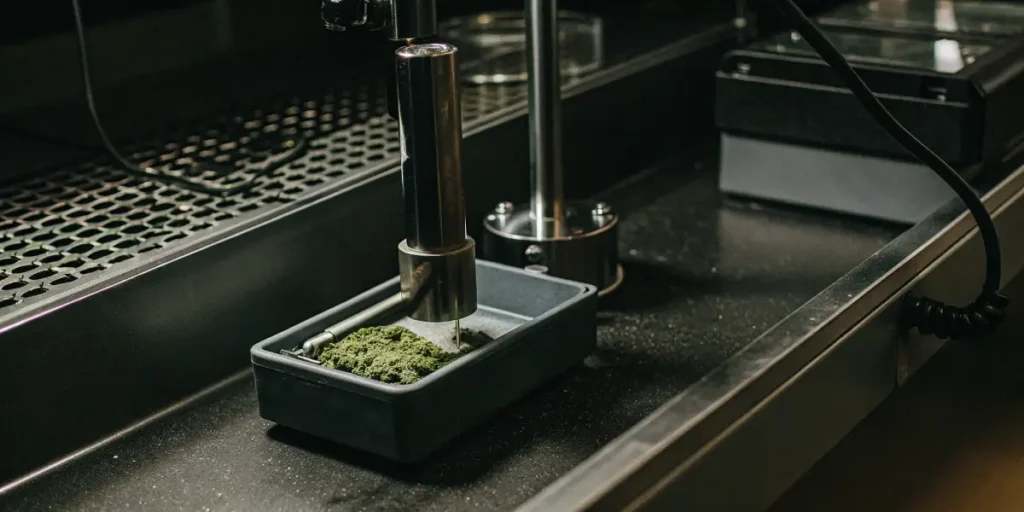
As cannabis cultivation becomes more sophisticated, ensuring the safety and quality of your products is crucial. Rapid microbial detection technologies for cannabis have become indispensable in this regard. These technologies help in identifying harmful microbes quickly, ensuring your cannabis is safe for consumption.
Microbial contamination can significantly affect the quality and safety of cannabis. This is where rapid microbial testing for cannabis safety comes into play. By swiftly identifying potential contaminants, growers can take immediate action to protect their crops and consumers.
Recommended Strains

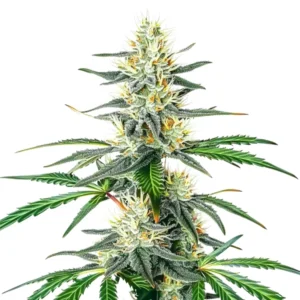
Fat Bastard

|
THC | 30% - 38% (High) |

|
Type | Feminized |

|
Yield | High |

|
Phenotype | 50% Indica / 50% Sativa |

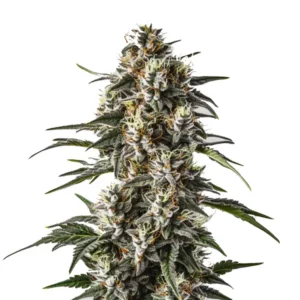
Blueberry
|
|
THC | 15% - 24% (High) |
|
|
Type | Feminized |
|
|
Yield | High |
|
|
Phenotype | 80% Indica / 20% Sativa |
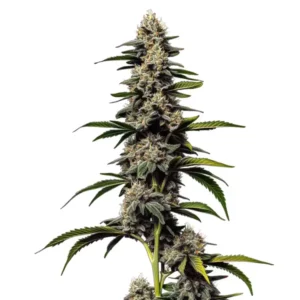
For instance, consider the fast microbial analysis of cannabis products that can detect bacteria and fungi before they become a problem. These technologies save time and money while ensuring the highest quality standards are met. This is particularly important for strains like the potent Fat Bastard from Blimburn Seeds, which deserves the utmost care during cultivation.
Benefits of Rapid Microbial Detection in Cannabis Cultivation
Rapid microbial detection technologies for cannabis offer numerous advantages to both novice and experienced growers. These include faster analysis times, more accurate results, and the ability to quickly address contamination issues.
One of the main benefits is the ability to maintain high-quality standards across the board. For example, microbial quality testing for cannabis ensures that every batch is free from harmful pathogens, making it safe for consumers. This is particularly crucial for strains like Blueberry, known for its therapeutic benefits.
Besides to ensuring safety, utilizing advanced microbial detection systems for cannabis can enhance operational efficiency. By catching potential issues early, growers can avoid costly delays and product recalls, maintaining a steady supply chain. This proactive approach not only safeguards the crops but also protects the brand reputation of growers like Blimburn Seeds.
Furthermore, implementing these technologies can improve yield quality by preventing contamination-related losses. When microbial threats are identified and mitigated promptly, plants can grow in optimal conditions, leading to healthier and more potent cannabis products. This is a critical factor in staying competitive in an ever-growing market.
How Rapid Microbial Detection Works
To understand how these technologies work, it’s essential to grasp the basics of microbial detection. Advanced microbial detection systems for cannabis utilize innovative techniques such as polymerase chain reaction (PCR) and immunoassays. These methods allow for the rapid identification of microbial DNA or proteins, providing results in hours rather than days.
These systems are designed to detect a wide range of microbes, including bacteria, yeast, and mold. This comprehensive approach ensures that all potential contaminants are identified and addressed. For example, a grower using these technologies might avoid a costly contamination incident that could affect their OG Kush crop.
The accuracy and speed of these technologies make them invaluable in modern cultivation practices. By employing rapid microbial detection technologies for cannabis, growers can gain a clearer knowing of their crop’s health, allowing them to make informed decisions swiftly. This level of insight is crucial for maintaining a competitive edge in the cannabis industry.
Moreover, the integration of these systems into existing operations can be seamless, often requiring minimal training for staff. This ease of use ensures that even small-scale growers can benefit from advanced microbial detection systems for cannabis, promoting widespread adoption and improving overall industry standards.
Promos & Deals


Implementing Rapid Microbial Detection in Your Grow Operation
Implementing rapid microbial detection technologies for cannabis in your grow operation is a straightforward process. Start by selecting the right technology that suits your specific needs. Options include PCR-based systems and advanced immunoassays, each offering unique benefits.
Once selected, integrate the system into your existing quality control processes. Regular testing should be conducted throughout the cultivation cycle to ensure early detection of any microbial threats. This proactive approach is key to maintaining the health and integrity of your cannabis crops.
The transition to incorporating these technologies can also foster a culture of continuous improvement within the grow operation. Teams become more vigilant and informed about microbial threats, leading to a more educated workforce that contributes to the overall success of the cultivation process. This is particularly significant for growers aiming to produce premium strains, like those offered by Blimburn Seeds.
Additionally, the data collected from these tests can be invaluable for refining cultivation techniques. By analyzing trends and patterns over time, growers can optimize their practices to further enhance the quality and safety of their cannabis products, ensuring they meet both regulatory standards and consumer expectations.
Choosing the Right Technology
Choosing the right rapid microbial detection technology involves considering factors such as cost, ease of use, and the specific microbes you need to detect. Technologies like PCR are highly effective but may require more technical expertise, while immunoassays are user-friendly and ideal for routine testing.
Consider the specific needs of your operation. For instance, if you’re cultivating strains like Bruce Banner, known for its dense buds, you may need a technology that excels in detecting mold, as these buds can be prone to such issues.
Engaging in thorough research and consultations with industry experts can aid in making an informed decision. The right choice of technology will not only mitigate risks but also streamline operations, making rapid microbial testing for cannabis safety an integral part of your quality assurance program.
Moreover, as cannabis regulations evolve, staying ahead with the latest and most effective cannabis contamination detection methods ensures compliance and reduces the risk of legal complications. This foresight can significantly impact the longevity and success of your cannabis business.
Ensuring Product Safety with Rapid Microbial Testing
Ensuring product safety is a top priority for any cannabis grower. Rapid microbial testing for cannabis safety plays a pivotal role in this aspect. By identifying and mitigating microbial threats early, growers can guarantee that their products meet the highest safety standards.
This proactive approach to cannabis contamination detection methods not only safeguards consumer health but also enhances the reputation of your brand. With the increasing demand for safe and high-quality cannabis, employing these technologies is no longer optional but necessary.
The implementation of fast microbial analysis of cannabis products can also open new avenues for business expansion. As consumers become more discerning, the emphasis on safety and quality becomes a selling point, potentially attracting a wider audience and fostering brand loyalty.
Furthermore, retailers and distributors prefer sourcing from growers who adhere to stringent quality control measures. By integrating advanced microbial detection systems for cannabis, growers can establish strong partnerships within the supply chain, ensuring their products reach a broader market.
Enhancing Consumer Confidence
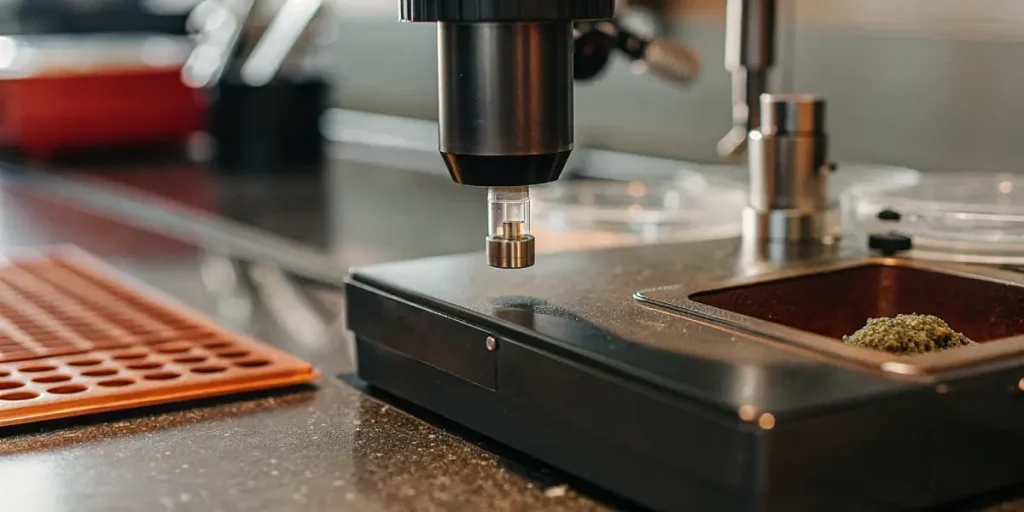
By investing in rapid microbial detection technologies for cannabis, growers can significantly enhance consumer confidence. When customers know that products have undergone rigorous testing, they are more likely to trust and choose those products.
For example, a consumer purchasing Blueberry from Blimburn Seeds can be assured of its safety and quality, knowing it has been subjected to advanced microbial testing. This level of trust translates into repeat business and positive word-of-mouth.
Building a reputation for reliability and safety is crucial in the competitive cannabis market. As more consumers prioritize health and wellness, the demand for products verified through microbial quality testing for cannabis will continue to rise. Meeting this demand can differentiate your brand from competitors.
Additionally, as consumer confidence grows, so does the potential for premium pricing. When customers perceive a product as safer and of higher quality, they are often willing to pay more, thereby increasing profitability and reinforcing the brand’s market position.
FAQs about rapid microbial detection technologies for cannabis
What are the common microbial threats to cannabis?
Common microbial threats to cannabis include bacteria, mold, and yeast. These microbes can thrive in the warm, humid environments typical of grow rooms. If left unchecked, they can lead to poor plant health and contaminated products that are unsafe for consumption.
Rapid microbial detection technologies for cannabis help identify these threats early, allowing growers to take corrective action. For instance, detecting mold in a batch of OG Kush early can prevent widespread contamination, saving both the crop and the grower’s reputation.
Knowing the specific microbial threats prevalent in your region and grow environment can further enhance the effectiveness of rapid microbial testing for cannabis safety. This targeted approach ensures that the most relevant threats are prioritized and managed efficiently.
Moreover, developing a comprehensive cannabis contamination detection methods strategy that includes regular monitoring and environmental controls can significantly reduce the incidence of microbial infestations, promoting healthier and more robust cannabis crops.
How often should cannabis crops be tested for microbes?
The frequency of testing depends on various factors, including the size of the operation and environmental conditions. However, it is generally recommended to conduct microbial quality testing for cannabis at every stage of the cultivation and post-harvest process.
Regular testing ensures that any microbial threats are identified and addressed promptly, maintaining the safety and quality of your products. This is especially important when cultivating strains like Bruce Banner, where quality is paramount for both medicinal and recreational use.
Implementing a robust testing schedule can also serve as a preventive measure, identifying potential issues before they escalate. This proactive stance not only protects the crop but also aligns with industry best practices, demonstrating a commitment to excellence and consumer safety.
Additionally, frequent testing can provide valuable data that helps refine cultivation processes over time. By analyzing results, growers can optimize conditions to minimize microbial risks and improve overall product quality, thereby enhancing their market reputation.
What are the costs involved in setting up rapid microbial detection systems?
The costs of setting up rapid microbial detection systems for cannabis can vary based on the technology chosen. PCR-based systems may have higher initial costs due to equipment and training needs, while immunoassays might be more budget-friendly.
Despite the initial investment, these technologies offer significant long-term savings by preventing costly contamination issues. For growers of premium strains like Blueberry, this investment ensures the quality and safety of their products, ultimately enhancing profitability.
When evaluating costs, it’s essential to consider the potential return on investment. The prevention of contamination-related losses and the assurance of product quality can lead to increased sales and customer loyalty, offsetting the initial expenditures.
Moreover, many suppliers offer scalable solutions, allowing growers to start with a basic setup and expand as their needs evolve. This flexibility ensures that operations of all sizes can benefit from advanced microbial detection systems for cannabis without being financially burdened.
Can rapid microbial detection technologies detect all types of microbes?
While rapid microbial detection technologies for cannabis are highly effective, they may not detect every single microbe. However, they are designed to identify a broad range of pathogens, including the most common and harmful ones.
For comprehensive protection, it is advisable to use these technologies as part of a broader quality control strategy. Combining different methods and technologies can provide a more thorough safeguard against microbial threats.
Integrating multiple detection methods can cover a wider spectrum of potential contaminants, ensuring thorough protection of your crops. This layered approach is particularly beneficial for high-value strains like those produced by Blimburn Seeds, where quality is paramount.
Additionally, ongoing research and development in the field of microbial detection are continually improving the sensitivity and range of these technologies. Staying informed about the latest advancements can help growers maintain cutting-edge practices in cannabis safety.
What steps should be taken if microbial contamination is detected?
If microbial contamination is detected, immediate steps should be taken to mitigate the threat. This includes isolating affected plants, adjusting environmental conditions, and possibly using approved antimicrobial treatments.
Communication with your team and possibly seeking advice from experts can also be crucial. By acting swiftly, you can protect your valuable strains, such as OG Kush, ensuring they remain safe and of high quality for consumers.
Documentation and analysis of the incident can provide insights into how the contamination occurred, allowing for the development of improved prevention strategies. This continuous learning process is vital for maintaining high standards in cannabis cultivation.
Furthermore, maintaining transparency with stakeholders, including consumers and partners, can help manage expectations and preserve trust. Demonstrating a commitment to resolving issues and enhancing microbial quality testing for cannabis can reinforce confidence in your operation.