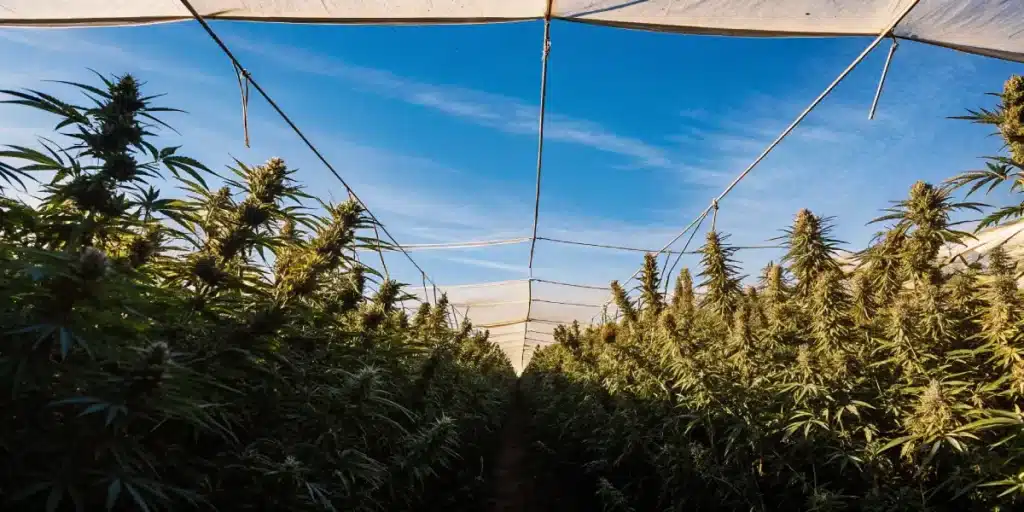
Proven Mycorrhizae Use for Easy Heavy Metal Uptake Reduction

Growing cannabis can be as much an art as it is a science. One of the challenges faced by growers, both seasoned and new, is managing heavy metal uptake. These metals can sneak into your plants, affecting quality and safety. The hero in our story? Mycorrhizae, a natural ally in the soil, playing a key role in mycorrhizae and heavy metal uptake reduction in cannabis soils, helping protect your plants while improving overall nutrient absorption.
Mycorrhizae are beneficial fungi that form a symbiotic relationship with plant roots. Think of them as your plant’s best friend, helping with nutrient absorption and boosting resilience. When it comes to heavy metals, mycorrhizae play a crucial role in keeping them at bay. They bind to metals, reducing their uptake by the plant. This is a game-changer for cannabis growers looking to ensure their crops are both healthy and compliant with safety standards.
Recommended Strains

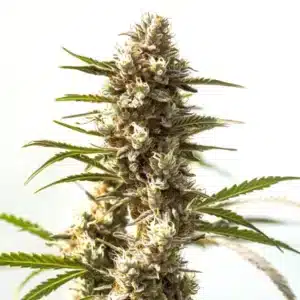
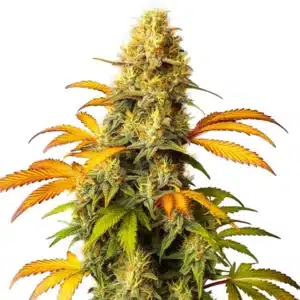
Blue Dream

|
THC | 17% - 24% (High) |

|
Type | Feminized |

|
Yield | High |

|
Phenotype | 50% Indica / 50% Sativa |
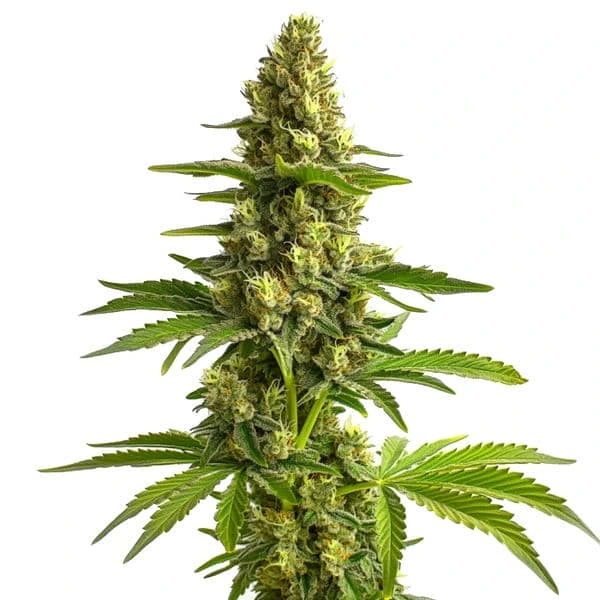
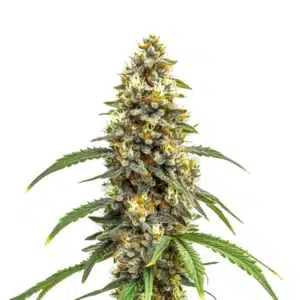
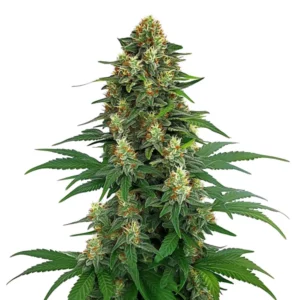
Bruce Banner #3
|
|
THC | 20% - 29% (High) |
|
|
Type | Feminized |
|
|
Yield | High |
|
|
Phenotype | 50% Indica / 50% Sativa |
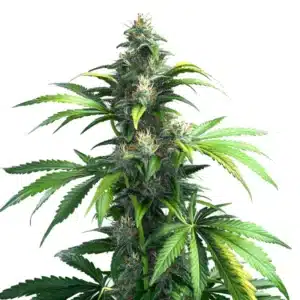
For instance, Blimburn Seeds offers strains like GG4, Blue Dream, and Bruce Banner 3. These strains can flourish with the right soil conditions, and mycorrhizae can make a world of difference. By enhancing root systems, these fungi allow these plants to focus on growing potent, high-quality buds instead of worrying about heavy metals.
How Mycorrhizae Help Cannabis Plants
Mycorrhizae work their magic by extending the root system of your plants. This fungal network increases the surface area for water and nutrient absorption. It’s like giving your plants a set of super-roots. This extension not only helps in nutrient uptake but also in the reduction of heavy metal absorption.
When mycorrhizae are present in the soil, they create a barrier. This barrier limits the amount of heavy metals that can enter the plant. In simple terms, think of mycorrhizae as a filter, cleaning up the root zone and ensuring that only the good stuff gets through. This is particularly beneficial for strains like Bruce Banner which are known for their robust growth and need for nutrient-rich environments.
Furthermore, mycorrhizae impact on cannabis heavy metal absorption is profound, offering a natural and effective method to safeguard your crops. By actively engaging in metabolic exchanges with plant roots, mycorrhizae enhance the plant’s ability to selectively absorb essential nutrients while keeping harmful metals at bay.
Incorporating mycorrhizae into your cultivation practices not only elevates plant health but also contributes to an eco-friendly approach to farming. The reduced need for synthetic fertilizers and pesticides aligns with sustainable agricultural practices, promoting healthier ecosystems and higher-quality cannabis yields.
Promos & Deals
Practical Steps for Using Mycorrhizae
Incorporating mycorrhizae into your cannabis growing routine is straightforward. Start with quality mycorrhizal inoculants. These can be mixed into your soil or applied directly to the roots during transplanting. The key is to ensure good contact with the roots, as this is where the symbiotic relationship begins.
For those growing strains like Blue Dream, which is known for its resilience and adaptability, mycorrhizae can further enhance its growth potential. It’s important to remember that mycorrhizal fungi thrive in organic-rich soils. Avoid using chemical fertilizers that might harm these beneficial fungi. Instead, opt for organic nutrients that support both the plant and fungal health.
To maximize the benefits of mycorrhizal inoculation effects on heavy metal levels in cannabis, consistent application is key. Early establishment of these fungi ensures they colonize the root zone effectively, providing ongoing protection against heavy metal uptake throughout the plant’s lifecycle.
Regular monitoring of soil health and nutrient levels can also guide the timing of mycorrhizae applications. Observing plant responses and adjusting inoculant usage accordingly helps maintain optimal soil conditions and plant vitality, ensuring a successful harvest.
Benefits of Mycorrhizal Fungi in Cannabis Soil
The advantages of using mycorrhizae go beyond heavy metal reduction. These fungi improve overall soil health, leading to stronger, more resilient plants. By enhancing nutrient uptake, plants can focus energy on growth and bud production. This is especially important for heavy-yielding strains like GG4.
Moreover, mycorrhizae increase drought resistance. In times of water scarcity, these fungi help plants access deep water reserves, ensuring they stay hydrated. This is a crucial benefit for growers in drier climates or those looking to conserve water.
Knowing the benefits of mycorrhizal fungi in cannabis soil heavy metal mitigation can revolutionize how growers approach soil management. These fungi not only enhance the physical properties of the soil but also stimulate biological activity, creating a vibrant ecosystem that supports plant health.
Additionally, by fostering a dynamic microbial community, mycorrhizae contribute to the natural cycling of nutrients, reducing the dependency on external inputs. This holistic approach promotes healthier soil and more robust plant development, aligning with organic cultivation principles.
Reducing Heavy Metal Uptake in Cannabis with Mycorrhizae
Heavy metals like lead, cadmium, and mercury can be detrimental to cannabis quality. Mycorrhizae help mitigate this risk by binding to these metals, preventing them from entering the plant system. This is particularly important when growing in urban or industrial areas where soil contamination is a concern.
For growers using Blimburn Seeds strains, ensuring minimal heavy metal uptake is key to maintaining the strain’s integrity and potency. By using mycorrhizal fungi, you not only protect your plants but also enhance their natural flavors and effects.
Reducing heavy metal uptake in cannabis with mycorrhizae involves a strategic approach to soil management. By integrating these fungi into your growing process, you create a proactive defense against metal contamination, ensuring the health and safety of your plants.
Furthermore, the natural symbiosis between mycorrhizae and plant roots enhances the plant’s resilience to environmental stressors, making it better equipped to thrive in less-than-ideal conditions. This resilience translates to higher yields and improved crop quality, essential for competitive cannabis markets.
Enhancing Cannabis Soil Health with Mycorrhizae for Heavy Metal Reduction
Soil health is the foundation of successful cannabis cultivation. Mycorrhizae enhance soil structure by promoting the formation of soil aggregates. This improves aeration and drainage, creating an optimal environment for root development.
For strains like Blue Dream and Bruce Banner 3, which thrive in well-structured soils, mycorrhizae offer a natural way to maintain these conditions. By improving soil health, mycorrhizae indirectly contribute to reducing heavy metal uptake, ensuring that your plants grow in a safe and supportive environment.
Enhancing cannabis soil health with mycorrhizae for heavy metal reduction is a sustainable practice that prioritizes long-term soil fertility. By fostering a thriving soil ecosystem, growers can reduce their reliance on chemical interventions, promoting a more natural cultivation approach.
This approach not only benefits the plants but also supports broader environmental health. By minimizing the use of synthetic fertilizers and pesticides, growers contribute to the preservation of natural ecosystems, promoting biodiversity and soil vitality.

FAQs about mycorrhizae and heavy metal uptake reduction in cannabis soils
What are mycorrhizae and how do they affect cannabis soil?
Mycorrhizae are beneficial fungi that form a symbiotic relationship with plant roots. They extend the root system, increasing nutrient and water absorption. In cannabis soils, they help improve plant health by enhancing soil structure and reducing heavy metal uptake.
By binding to heavy metals, mycorrhizae prevent these contaminants from entering the plant system. This is particularly beneficial for maintaining the quality and safety of cannabis crops, making them a valuable addition to any grower’s toolkit.
The impact of mycorrhizae and heavy metal uptake reduction in cannabis soils is profound, as it facilitates healthier plant growth and enhances soil fertility. These fungi not only assist in nutrient absorption but also play a crucial role in maintaining soil balance, which is essential for sustainable cultivation.
Moreover, mycorrhizae contribute to the overall resilience of cannabis plants, enabling them to better withstand environmental stresses. This resilience ensures consistent yields and high-quality products, which are vital for both commercial and personal cultivation settings.
How do mycorrhizae reduce heavy metal uptake in cannabis?
Mycorrhizae create a protective barrier around plant roots. This barrier binds to heavy metals, effectively filtering them out before they can be absorbed. This process significantly reduces the levels of metals like lead and cadmium in cannabis plants.
For growers, this means healthier plants and safer products. It’s a natural solution to a common problem, aligning with organic and sustainable cultivation practices.
By leveraging the natural capabilities of mycorrhizal fungi, growers can effectively manage soil contamination risks. The fungi’s ability to sequester heavy metals ensures that the plant’s nutrient uptake remains uncompromised, leading to healthier and more robust growth.
This capability is particularly beneficial for growers in areas with historical soil contamination. Mycorrhizae provide a layer of protection, allowing plants to flourish in environments that might otherwise compromise their health and yield.
Can all cannabis strains benefit from mycorrhizae?
Yes, all cannabis strains can benefit from mycorrhizae. Whether you’re growing high-yield strains like Gorilla G4 or more delicate varieties, mycorrhizae enhance root health and nutrient uptake, leading to improved growth and resilience.
Blimburn Seeds offers a range of strains that respond well to mycorrhizal inoculation. Incorporating these fungi into your growing process can boost plant health across the board.
Mycorrhizal inoculation effects on heavy metal levels in cannabis are consistent across various strains. Whether dealing with heavy-yielding or more delicate varieties, the symbiotic relationship between fungi and plant roots remains beneficial, promoting overall plant vitality.
Incorporating mycorrhizae into your cultivation practices ensures that all strains, regardless of their specific needs, benefit from enhanced soil health and reduced heavy metal uptake. This universal applicability makes mycorrhizae an essential tool for any cannabis grower.
Are there any specific mycorrhizal products recommended for cannabis?
There are many mycorrhizal products available, designed specifically for cannabis cultivation. Look for products that contain a mix of endomycorrhizal fungi, as these are most effective with cannabis plants.
When choosing a product, consider the strain you are growing and the specific soil conditions. Products that support a variety of soil types and cannabis strains, like those from Blimburn Seeds, can offer versatile solutions for growers.
Selecting the right mycorrhizal product is crucial for maximizing the benefits of mycorrhizae and heavy metal uptake reduction in cannabis soils. Products that offer a diverse blend of fungi species tend to provide more comprehensive support for plant growth and soil health.
Additionally, knowing the specific needs of your cannabis strains and growing conditions can guide your choice of mycorrhizal products. Tailoring your selection to match these factors ensures optimal fungal colonization and plant performance.
How often should mycorrhizae be applied to cannabis plants?
Mycorrhizae are typically applied at the beginning of the growing cycle, during planting or transplanting. This ensures the fungi establish themselves in the soil and start forming beneficial relationships with the plant roots early on.
Some growers opt to reapply mycorrhizae throughout the growing season, especially if they notice signs of nutrient deficiency or soil health issues. Regular applications can help maintain fungal populations and sustain plant health.
Regular application of mycorrhizae ensures ongoing support for plant health and soil vitality. While initial inoculation is crucial, subsequent applications can enhance the fungi’s effectiveness, particularly in challenging growing conditions.
Monitoring your plants and soil conditions will inform the ideal frequency of mycorrhizal applications. Adjusting your approach based on observation and experience will help maintain optimal soil health and plant growth, leading to successful cultivation outcomes.