Proven Liming Techniques to Reduce Heavy Metal Availability in Soil

When cultivating cannabis, ensuring the soil is free from excessive heavy metals is crucial. These metals can hinder plant growth and affect the quality of your harvest. One of the most effective strategies is liming to reduce heavy metal availability in soil, as it helps neutralize soil acidity and limits the uptake of toxic elements by plants. By stabilizing pH levels, liming creates a safer growing environment and supports healthier, more productive cannabis crops.
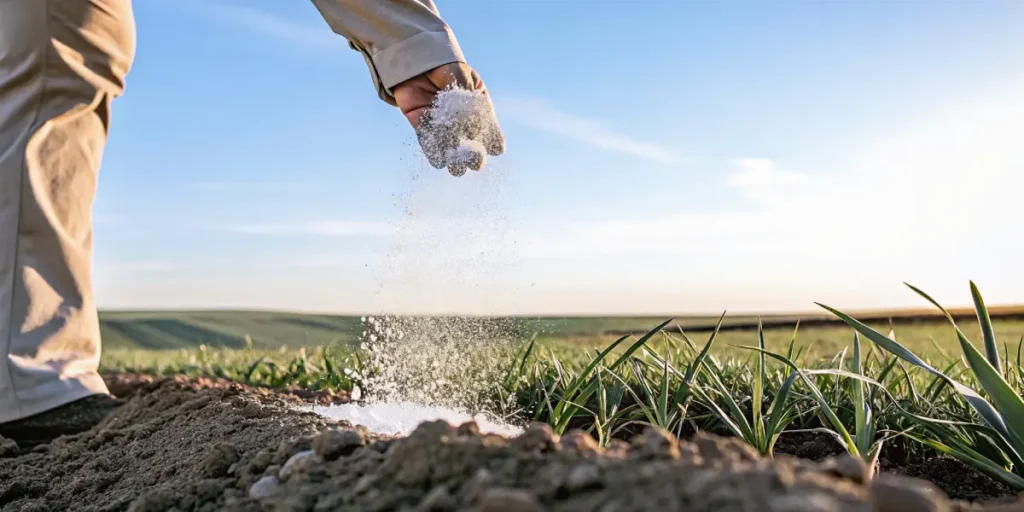
Liming involves adding materials like limestone to the soil. This raises the pH level, making the environment less favorable for heavy metals. The process of liming has been a trusted technique for farmers and gardeners, helping to ensure healthier and more productive plants.
Recommended Strains
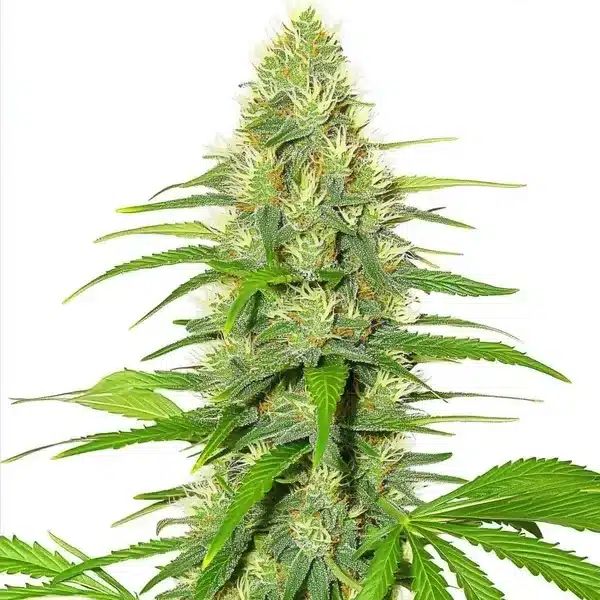
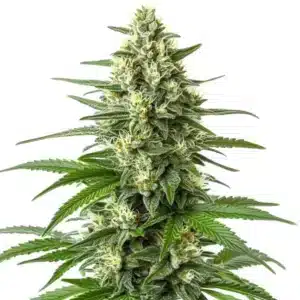
White Widow

|
THC | 18% - 25% (High) |

|
Type | Feminized |

|
Yield | High |

|
Phenotype | 45% Indica / 55% Sativa |

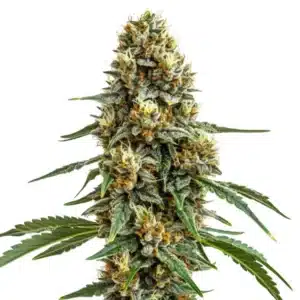
Gelato
|
|
THC | 27% (High) |
|
|
Type | Feminized |
|
|
Yield | High |
|
|
Phenotype | 50% Indica / 50% Sativa |
For cannabis growers, using liming can be particularly beneficial. By reducing heavy metal availability, you can protect your plants and improve your yield. Let’s delve into the techniques and benefits of liming for soil remediation.
Liming Techniques for Heavy Metal Soil Remediation
There are several effective liming techniques to reduce heavy metal availability in soil. The choice of technique often depends on the specific conditions of your soil and the type of cannabis strains you are growing.
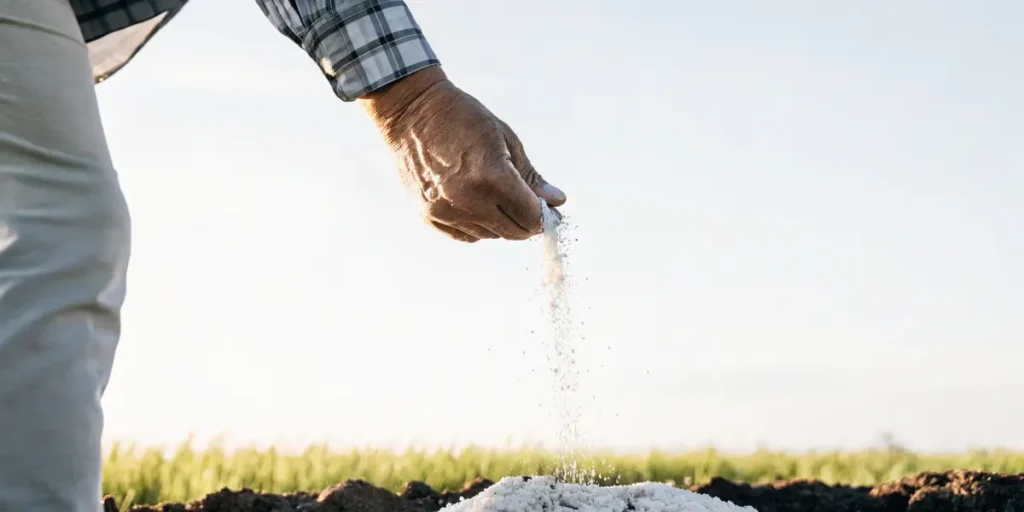
One common method is the application of agricultural lime. This involves spreading crushed limestone over the soil surface. It’s a straightforward process that can significantly raise the soil’s pH over time, diminishing the solubility of heavy metals.
Beyond agricultural lime, other liming techniques for heavy metal soil remediation include the use of hydrated lime and quicklime. These materials react more rapidly with the soil, providing quicker adjustments to pH levels. However, they require careful handling due to their caustic nature.
It’s important to tailor the liming technique to the specific needs of your soil and cannabis strains. For instance, certain strains may benefit from a gradual pH increase, while others might require a more immediate adjustment. Consulting with soil experts can help in choosing the most effective approach.
Choosing the Right Lime for Your Soil
Different types of lime exist, each with unique properties. Agricultural lime is widely used due to its effectiveness and availability. Dolomitic lime, which contains magnesium, is another option that can be beneficial depending on your soil’s needs.
Test your soil to determine its current pH level and metal content. This helps in selecting the right type and amount of lime to apply. For instance, if your soil is magnesium-deficient, dolomitic lime can address both acidity and magnesium deficiency simultaneously.
Knowing the mineral composition of your soil is crucial when choosing the right lime. If you are growing cannabis strains known for high nutrient uptake, like those from Blimburn Seeds, ensuring the soil’s mineral balance is optimal can significantly enhance growth.
The local availability and cost of lime products can also influence your choice. In regions where certain lime types are more readily available, growers might opt for those options to reduce costs without sacrificing effectiveness in reducing heavy metal availability.
Timing and Application of Lime
Timing is crucial in the liming process. Ideally, lime should be applied several months before planting. This allows the soil to adjust and achieve the desired pH level, reducing heavy metal bioavailability effectively.
Regularly monitor soil pH after lime application. It ensures that the pH remains within the optimal range for cannabis growth. For best results, consider liming in the off-season to give the lime ample time to work its magic.
When applying lime, consider the seasonal weather patterns. In areas with heavy rainfall, lime may need to be applied more frequently to maintain the desired pH levels, as rain can leach lime from the soil.
Incorporating lime into the soil using tilling methods can enhance its effectiveness. This practice ensures even distribution and better interaction with soil particles, enhancing the benefits of liming for soil heavy metal reduction.
Benefits of Liming for Soil Heavy Metal Reduction
Liming offers numerous benefits beyond just reducing heavy metal availability. By raising soil pH, it creates a more favorable environment for nutrient uptake, benefiting your cannabis plants.
Improved soil structure is another advantage. Liming can enhance the soil’s physical properties, promoting better root development and overall plant health. This is essential for cannabis strains like White Widow from Blimburn Seeds, known for their vigorous growth.
Another key benefit of liming to reduce heavy metal availability in soil is the improvement of water retention. Soils treated with lime can hold moisture more effectively, which is beneficial in maintaining consistent hydration levels for cannabis plants.
Liming also contributes to better cation exchange capacity in the soil, which plays a vital role in nutrient availability. This ensures that essential nutrients are more readily available to the plant roots, supporting the growth and potency of your cannabis plants.
Promos & Deals
Impact of Liming on Soil Heavy Metal Bioavailability
Liming significantly impacts the bioavailability of heavy metals in the soil. By increasing the pH level, it transforms metals into forms that are less soluble and less available for plant uptake.
This reduction in bioavailability means that heavy metals are less likely to be absorbed by your cannabis plants. As a result, you can expect a cleaner, healthier yield, free from the detrimental effects of heavy metal contamination.
Research has shown that the impact of liming on soil heavy metal bioavailability can vary based on soil type and the specific metals present. It is important to conduct regular soil tests to understand these dynamics better and adjust liming practices accordingly.
Incorporating organic matter along with liming can further enhance the reduction of heavy metal bioavailability. Organic materials can bind heavy metals, reducing their mobility and availability to plants, complementing the effects of liming.
How Liming Affects Heavy Metal Uptake in Plants
When the soil pH is low, heavy metals are more soluble, making them readily available for plant uptake. Liming counteracts this by raising the pH, thus reducing the solubility of these metals.
This process effectively decreases the amount of heavy metals absorbed by the plant roots. For cannabis growers, this means your plants will have lower concentrations of potentially harmful metals, ensuring a safer product for consumption.
The process of how liming affects heavy metal uptake in plants is also influenced by the presence of other soil amendments. For example, adding organic compost can work synergistically with lime to further immobilize heavy metals.
Additionally, the effects of liming can vary with different cannabis strains. Some strains may have a natural resistance to heavy metal uptake, which can be enhanced by optimized soil conditions achieved through proper liming techniques.
Lime Application to Mitigate Soil Heavy Metals
Applying lime properly is key to mitigating the presence of heavy metals in soil. The process involves careful planning and execution to achieve the desired results.
Start by assessing your soil conditions. Determine the types and concentrations of heavy metals present. This information guides you in selecting the appropriate liming materials and application rates.
Proper lime application to mitigate soil heavy metals involves not only spreading lime but also ensuring it is thoroughly mixed into the soil. This deep integration helps in achieving uniform pH levels throughout the root zone.
For cannabis strains from Blimburn Seeds, maintaining an even pH distribution in the soil enhances nutrient uptake efficiency, which is crucial for maximizing growth and yield potential.
FAQs about liming to reduce heavy metal availability in soil
What is the best time to apply lime for reducing heavy metal availability?
Applying lime during the off-season is ideal. This timing allows the soil to adjust to the increased pH levels before planting. It also provides an opportunity for the lime to interact with the soil and reduce the solubility of heavy metals effectively.
In regions with mild winters, applying lime in the fall is advantageous. It gives the lime several months to work before the spring planting season. Regularly monitor the soil’s pH to ensure it remains at the optimal level for your cannabis plants.
Strategic timing of lime application can also help in synchronizing with other soil treatments. For instance, applying lime before adding organic fertilizers can enhance nutrient availability by ensuring optimal pH levels.
Moreover, knowing local climatic conditions can aid in deciding the best time for lime application. Avoid applying lime before heavy rainfalls, as it can lead to runoff and reduce the effectiveness of the liming process.
Can all types of lime be used for heavy metal soil remediation?
While various lime types can be effective, not all are suitable for every soil condition. Agricultural lime is commonly used due to its availability and effectiveness. However, dolomitic lime is preferable if your soil also requires magnesium supplementation.
It’s crucial to understand your soil’s specific needs before selecting a lime product. Conduct soil tests to determine pH levels and existing nutrient deficiencies. This ensures you choose the right lime type for successful heavy metal remediation.
Some lime products are more suited for specific heavy metals. For example, quicklime may be more effective in soils with higher concentrations of copper or lead, providing a more immediate reduction in heavy metal availability.
Collaborating with soil scientists or agricultural extension services can provide insights into the most appropriate lime product for your specific remediation needs. This expertise can enhance the overall effectiveness of your soil management practices.
How does liming benefit cannabis plants specifically?
Liming benefits cannabis plants by creating an optimal growing environment. By reducing heavy metal availability, it protects the plants from absorbing harmful substances. This leads to healthier plants and higher-quality yields.
Additionally, liming improves soil structure and nutrient availability. This supports robust growth, essential for cannabis strains like Blue Dream and Gelato from Blimburn Seeds, known for their high yield potential.
The benefits of liming for soil heavy metal reduction extend to enhancing the flavor and potency of cannabis. By minimizing metal uptake, the natural profile of the plant is preserved, resulting in a superior final product.
Moreover, liming contributes to a more sustainable cultivation practice by improving soil health over the long term. Healthier soils result in more resilient cannabis plants, capable of withstanding pests and diseases more effectively.
How often should lime be applied for effective heavy metal reduction?
The frequency of lime application depends on your soil’s characteristics and ongoing monitoring results. Typically, lime is applied every few years, but more frequent applications may be necessary if the soil pH drops significantly.
Regular soil testing is crucial to determine the need for additional lime. Adjust your liming schedule based on these results to maintain optimal soil conditions for your cannabis plants.
In areas with naturally acidic soils, more frequent lime applications may be required to keep the pH levels within the desired range, especially if heavy metal contamination is persistent.
It’s also important to consider the cumulative effects of lime application. Over time, consistent liming can lead to improved soil health, reducing the need for frequent applications and stabilizing heavy metal availability.
Are there any precautions to consider when using liming techniques?
Yes, there are precautions to keep in mind. Avoid over-liming, as excessively high pH levels can lead to nutrient imbalances and other growth issues. Always follow recommended application rates based on your soil tests.
Wear protective gear when handling lime to prevent skin and respiratory irritation. Store lime products properly to maintain their effectiveness and ensure safe use in your cannabis cultivation efforts.
Be mindful of the environmental impact of lime application. Runoff from over-limed fields can affect nearby water sources, so it’s important to apply lime responsibly and in accordance with local regulations.
Additionally, consider the compatibility of lime with other soil amendments. Some fertilizers may interact with lime, affecting their efficacy. Knowing these interactions is key to maintaining a balanced soil ecosystem.