Proven Insights on Stability of Cannabinoids in Infused Products

When it comes to infused products, the stability of cannabinoids plays a crucial role in maintaining their effectiveness. Whether you’re a novice buyer or an experienced grower, knowing how cannabinoids hold up in different products can be valuable. Let’s delve into the various factors that influence the stability of cannabinoids in infused products.
Have you ever wondered why some products lose their potency over time? It’s all about how cannabinoids interact with different environments. From light exposure to temperature fluctuations, these factors can significantly affect the stability of cannabinoids in edibles, topicals, and beverages.
Recommended Strains

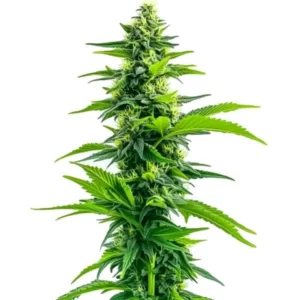
Black Domina

|
THC | 15% - 20% (Medium) |

|
Type | Feminized |

|
Yield | High |

|
Phenotype | 95% Indica / 5% Sativa |

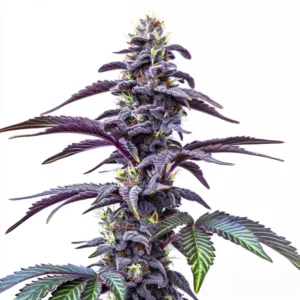
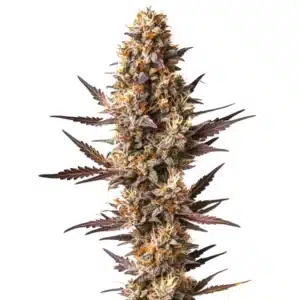
Blackberry Moonrocks
|
|
THC | 26% - 33% (High) |
|
|
Type | Feminized |
|
|
Yield | High |
|
|
Phenotype | 80% Indica / 20% Sativa |
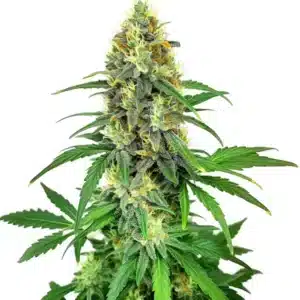
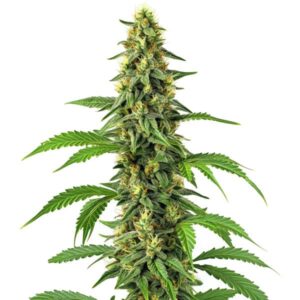
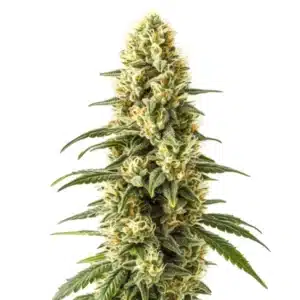
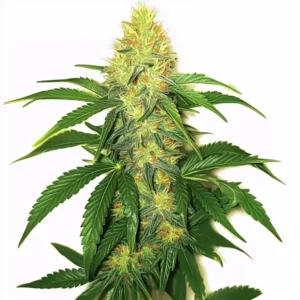
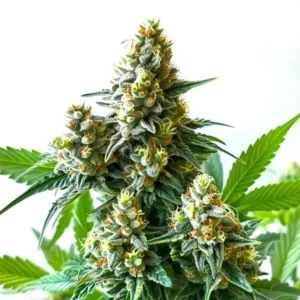
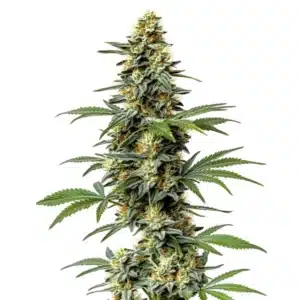
Choosing the right strain from Blimburn Seeds can also make a difference in the stability of cannabinoids. For instance, strains like Blackberry Moonrocks, GG4, and Black Domina offer unique cannabinoid profiles that may enhance the longevity of your infused products.
Factors Affecting Cannabinoid Stability
Light exposure is a significant factor impacting the chemical stability of THC in food products. Ultraviolet (UV) rays can break down cannabinoids, leading to reduced effectiveness. It’s essential to store your products in dark, opaque containers to mitigate this risk.
Temperature is another critical element. Fluctuating or high temperatures can accelerate cannabinoid degradation in infused beverages and edibles. Keeping your products in a cool, stable environment can help preserve their potency over time.
Humidity and air exposure are often overlooked but can also play a crucial role. High humidity levels can introduce moisture into products, potentially leading to mold growth and faster cannabinoid degradation. Air exposure, on the other hand, can result in oxidation, which diminishes the quality and potency of cannabinoids. Ensuring airtight packaging can help mitigate these risks and enhance the stability of cannabinoids in infused products.
The type of product and its ingredients can also impact stability. For example, products containing preservatives or antioxidants may have a longer shelf life of CBD-infused products. These ingredients can help slow down the degradation process, maintaining the effectiveness of cannabinoids over time. Thus, selecting products with stability-enhancing ingredients can be beneficial for both consumers and producers.
Promos & Deals
Cannabinoid Degradation in Edibles
Cannabinoids, when infused in edibles, face unique challenges. The cooking process itself can cause partial degradation. Therefore, it’s crucial to control cooking temperatures and times to maintain their stability.
Once baked or cooked, edibles need proper storage to prevent further degradation. Airtight containers and refrigeration can extend the shelf life of CBD-infused products. Whether you’re making brownies or gummies, these steps are vital for preserving cannabinoid content.
It’s also important to consider the ingredients used in edibles. Fatty ingredients, such as butter or oil, can help improve the stability of cannabinoids in edibles by providing a protective layer that limits exposure to degrading elements. Choosing the right carrier oil can also enhance absorption, ensuring that the potency of your edibles remains intact.
Another factor influencing cannabinoid stability in edibles is the pH level of the product. Acidic environments can accelerate degradation, whereas a neutral pH can help maintain stability. Therefore, knowing the chemistry of your edible products and adjusting recipes accordingly can play a significant role in preserving cannabinoid potency over time.
Stability in Beverages
Infused beverages present their own set of challenges. Cannabinoids can separate from liquids over time, affecting consistency and potency. Regular shaking and proper storage can help maintain stability in these products.
Carbonation, commonly found in infused drinks, can also impact stability. The bubbling action may cause cannabinoids to degrade faster. Opting for non-carbonated options might be a better choice for long-term cannabinoid preservation.
Additionally, the method of infusion can play a role in the stability of cannabinoids in infused beverages. Emulsifying agents can help keep cannabinoids evenly distributed, preventing separation and ensuring consistent potency. Selecting beverages that use quality emulsification techniques can be beneficial for maintaining cannabinoid stability.
Packaging remains an essential factor in maintaining the quality of infused beverages. Using opaque and airtight containers can protect against harmful light and air exposure. This not only preserves the cannabinoids but also ensures the beverage maintains its intended flavor and potency over time.
Preservation in Topical Creams
Topical creams infused with cannabinoids are popular for their localized effects. However, they too face stability challenges. Ingredients such as fats and oils can influence cannabinoid preservation in topical creams.
Choosing the right base ingredients can enhance stability. For instance, creams with coconut oil or shea butter may offer better preservation compared to those with less stable oils.
Formulation stability is also influenced by the presence of preservatives. Natural preservatives such as vitamin E can help prevent oxidation, enhancing the shelf life of CBD-infused products. These ingredients provide an added layer of protection, ensuring the active cannabinoids remain potent throughout the product’s lifespan.
Moreover, the packaging of topical creams can significantly affect cannabinoid preservation. Tubes or pump dispensers can reduce air exposure compared to jars, limiting oxidation and contamination. Selecting the appropriate packaging is essential for maintaining the effectiveness of cannabinoid-infused creams over time.
Blimburn Seeds: Strains for Enhanced Stability
Choosing the right strain can be a game-changer. Blimburn Seeds offers a variety of strains with unique cannabinoid profiles that may contribute to enhanced stability in infused products.
For example, Blackberry Moonrocks is known for its robust terpene profile, which can aid in preserving cannabinoids in edibles and topicals. This strain offers a rich experience while maintaining stability over time.
The unique genetic makeup of Blimburn Seeds strains can provide insights into stability. GG4, with its high THC content, not only enhances potency but also contributes to the chemical stability of THC in food and other infused products. This makes it an excellent choice for those looking to create long-lasting, effective infused products.
Meanwhile, the balanced cannabinoid profile of Black Domina offers versatility, making it suitable for a wide range of infused products, from beverages to creams. Its stability-enhancing properties make it a valuable addition to any infusion process, ensuring that the end products remain effective and potent over time.
FAQs about stability of cannabinoids in infused products
How does light affect the stability of cannabinoids in infused products?
Light, especially UV rays, can break down cannabinoids, leading to reduced potency. When cannabinoids are exposed to light, they undergo a chemical change that diminishes their effectiveness. This is why it’s important to store infused products in dark, opaque containers.
Think about keeping your products in a cupboard or a drawer, away from direct sunlight. This simple step can significantly enhance the stability of cannabinoids in edibles, beverages, and topicals.
Besides to UV rays, artificial light sources can also impact stability. Fluorescent and LED lights can contribute to the breakdown of cannabinoids over time. Ensuring proper storage away from all light sources can help maintain the chemical stability of THC in food and other infused products.
Utilizing packaging with UV-blocking properties can further protect against light-induced degradation. These materials can provide an added layer of defense, ensuring that your infused products retain their potency and effectiveness for longer periods.
What storage conditions are best for preserving cannabinoid stability?
Temperature and humidity control are vital. Infused products should be kept in cool, dry places to prevent degradation. Excessive heat or moisture can accelerate the breakdown of cannabinoids, reducing their effectiveness.
Consider using the refrigerator for edibles and beverages, while creams may fare well in a bathroom cabinet. These conditions help maintain the chemical stability of THC in food and other infused items.
For long-term storage, vacuum sealing can be an effective method to prevent air exposure, further enhancing the shelf life of CBD-infused products. By removing oxygen, you minimize the risk of oxidation, helping to maintain the quality and potency of cannabinoids.
It’s also essential to monitor the storage environment regularly. Temperature fluctuations, even minor ones, can impact the stability of cannabinoids. Using temperature-stable storage solutions can help keep your infused products at a consistent temperature, preserving their effectiveness over time.
How long can I expect infused products to remain potent?
The shelf life of CBD-infused products varies based on several factors, including storage conditions and ingredients. Generally, well-stored edibles last a few months, while creams may last longer if kept cool and dry.
It’s always a good idea to check for changes in color, smell, or texture as indicators of degradation. These signs can help you assess the stability of cannabinoids in your products.
Regularly checking expiration dates and batch information can also provide valuable insight into the expected shelf life of your products. Manufacturers often include shelf life estimates based on stability tests, which can guide you in optimizing storage conditions.
Ultimately, the potency of infused products over time can be affected by multiple factors. Being attentive to storage guidelines and product changes can ensure that you enjoy the full benefits of cannabinoids for as long as possible.
Can the choice of strain affect cannabinoid stability?
Absolutely. Different strains have varying cannabinoid profiles, which can impact stability. Strains like those from Blimburn Seeds, such as GG4, may offer better preservation due to their specific compositions.
Experimenting with strains like Blackberry Moonrocks or Black Domina can provide insights into which cannabinoids maintain their stability best in infused products.
The terpenes present in different strains can also influence stability. Some terpenes have antioxidant properties that can aid in preserving cannabinoids, making certain strains more suitable for long-term use in infused products.
Knowing the genetic makeup and cannabinoid profile of a strain can provide valuable information for selecting the right one for your needs. By choosing strains with stability-enhancing properties, you can create infused products that remain potent and effective over time.
Why do cannabinoids degrade over time?
Cannabinoids degrade due to environmental factors such as light, temperature, and oxygen exposure. These elements cause chemical reactions that break down cannabinoids, reducing their potency and effectiveness.
By controlling these factors, you can significantly enhance the stability of cannabinoids in infused products, ensuring they remain potent and effective for as long as possible.
Besides to environmental factors, the natural aging process of cannabinoids can contribute to degradation. Over time, cannabinoids can convert into other compounds, which may have different effects or reduced potency. Knowing this process can help you better manage the stability of cannabinoids in your products.
Utilizing advanced preservation techniques, such as encapsulation or nanoemulsion, can also help protect against degradation. These methods can improve the bioavailability and stability of cannabinoids, ensuring that your infused products maintain their intended effects over time.