Proven Insights: Microbial Biofilms in Irrigation Systems for Cannabis

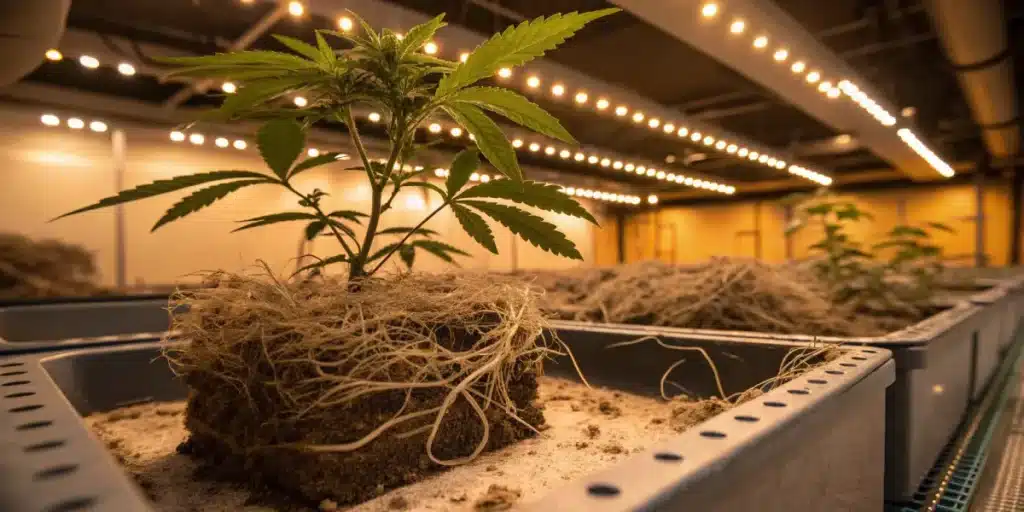
Microbial biofilms in irrigation systems for cannabis pose a unique challenge for both novice growers and seasoned cultivators. These communities of microorganisms stick to surfaces within the irrigation lines, forming slimy layers that are hard to remove. It’s like having barnacles on a ship, which can reduce water flow and introduce contaminants.
Think of microbial biofilms as hidden saboteurs in your cannabis garden. They clog lines, harbor pathogens, and can severely impact plant health. For cannabis strains from Blimburn Seeds, such as GG4, Strawberry Banana, and Bruce Banner #3, maintaining optimal irrigation is crucial for achieving high yields.
Recommended Strains
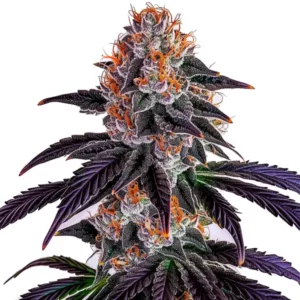
Strawberry Banana

|
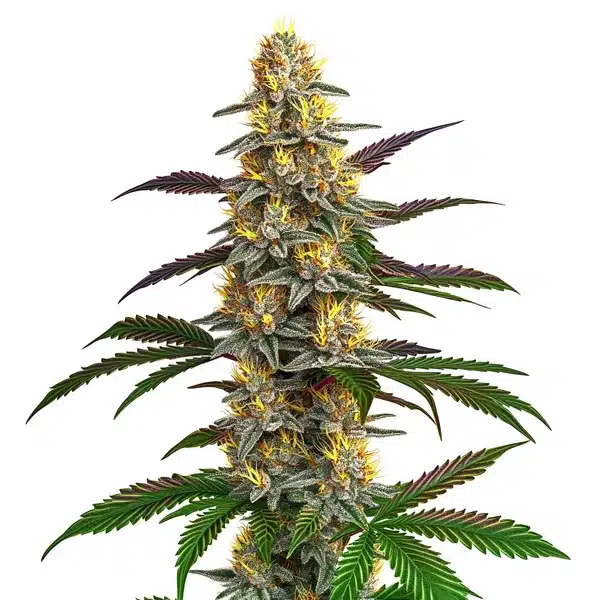
THC | 17% - 23% (Medium) |

|
Type | Feminized |

|
Yield | High |

|
Phenotype | 70% Indica / 30% Sativa |
Bruce Banner #3
|
|
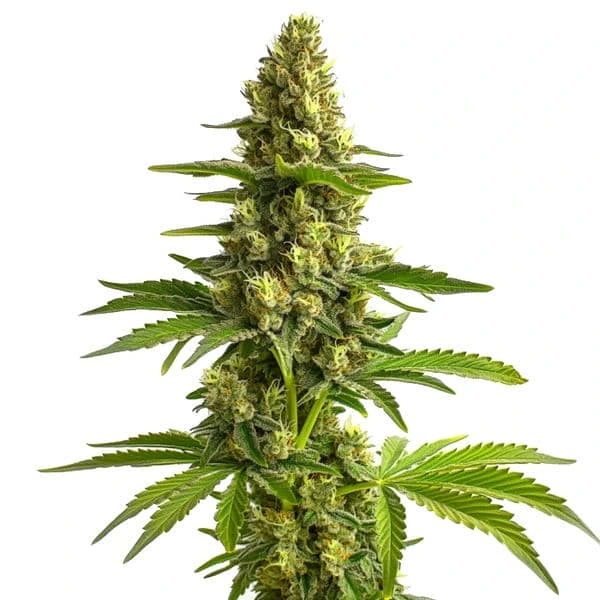
THC | 20% - 29% (High) |
|
|
Type | Feminized |
|
|
Yield | High |
|
|
Phenotype | 50% Indica / 50% Sativa |
Addressing the issue of microbial contamination in cannabis irrigation lines requires a proactive approach. Regular system checks and water quality testing are essential to prevent harmful biofilms from taking hold. Let’s delve into practical strategies to manage these unwelcome guests.
How Biofilms Develop in Cannabis Irrigation Systems
Biofilms develop when microorganisms adhere to surfaces in the presence of water. In cannabis irrigation systems, these surfaces can be anything from pipes to filters. Once attached, the microbes produce a sticky substance that holds them together and protects them from environmental threats.
This protective layer makes biofilms tricky to eliminate. Even strong cleaning agents might not penetrate the biofilm entirely. Over time, these biofilms lead to reduced water flow and can harbor harmful bacteria and fungi, impacting cannabis plant health significantly.
The development of microbial biofilms in irrigation systems for cannabis is often exacerbated by environmental conditions such as temperature, humidity, and nutrient availability. Favorable conditions can accelerate biofilm formation, making it crucial for growers to monitor these factors closely. By knowing the specific environments that promote biofilm growth, cultivators can tailor their preventive strategies to mitigate the microbial biofilms impact on cannabis irrigation.
Furthermore, the complexity of biofilm structures allows them to adapt to different irrigation system designs. Whether using drip irrigation or hydroponic systems, the risk of biofilm formation remains. Growers should be aware of how different system types might influence biofilm development and consider this when designing or upgrading their irrigation systems.
Promos & Deals
Preventing Biofilm Formation
Biofilm prevention techniques in cannabis systems are essential for keeping your plants healthy. Start by using high-quality water and regularly cleaning irrigation components. Filtration systems can help remove particles that encourage biofilm growth.
Consider using UV sterilizers or ozone treatment as part of your routine maintenance. These methods can effectively kill microbes before they form biofilms. For those cultivating strains like Zkittlez or Gelato from Blimburn Seeds, these techniques ensure that your irrigation system remains free of microbial contamination.
Another effective biofilm prevention technique in cannabis systems is the implementation of biological control agents. These beneficial microorganisms can outcompete harmful biofilm-forming bacteria, reducing their ability to establish themselves in the irrigation system. This biological approach complements physical and chemical methods, providing a holistic strategy for biofilm management in cannabis cultivation.
Implementing a regular inspection schedule helps identify potential biofilm hot spots before they become problematic. By conducting these inspections, growers can adjust their preventive measures based on observed conditions, ensuring that any microbial contamination in cannabis irrigation lines is addressed promptly. This proactive approach is vital for maintaining a clean and efficient irrigation system.
Maintaining Clean Irrigation Systems
Regular maintenance of irrigation systems is a must for preventing biofilms. Flushing the lines with a mild cleaning solution can help remove early biofilm formations. Ensure that all system parts, including tanks and nozzles, are cleaned thoroughly.
Monitor water quality by testing for pH, EC, and microbial content. This practice helps detect potential biofilm issues before they escalate. For example, growers of Bruce Banner #3 from Blimburn Seeds might notice improved plant vigor when maintaining optimal irrigation conditions.
Incorporating automated cleaning systems can significantly enhance the effectiveness of biofilm management in cannabis cultivation. These systems can be programmed to perform regular flushes and sterilizations, minimizing the manual effort required from growers. Automation ensures consistency and reliability, crucial factors in maintaining a biofilm-free irrigation system.
Besides to physical cleaning, periodically rotating cleaning agents helps prevent microbes from developing resistance. This rotation can include natural solutions like vinegar and hydrogen peroxide, which are effective in breaking down biofilms while being environmentally friendly. A diverse approach to cleaning ensures comprehensive protection against microbial biofilms in irrigation systems for cannabis.
Effects of Biofilms on Cannabis Plants
Biofilms can negatively affect cannabis plants by blocking nutrient uptake. This leads to stunted growth and reduced yields. For high-performing strains like GG4, optimal nutrient delivery is crucial for achieving its full potential.
These films can also be breeding grounds for pathogens. Diseases such as root rot can thrive in biofilm-rich environments, further compromising plant health. Regular inspections can help identify and mitigate these risks before they impact your cannabis crop.
The effects of biofilms on cannabis plant health extend beyond nutrient blockages and pathogen proliferation. Biofilms can alter the chemical properties of the water, affecting pH and nutrient solubility. These changes can stress the plants, leading to suboptimal growth conditions and diminished quality of the final product.
Moreover, the presence of biofilms can interfere with the efficacy of fertilizers and other additives used in the irrigation system. By trapping and neutralizing these substances, biofilms can prevent them from reaching the plant roots, further exacerbating nutrient deficiencies and affecting overall plant vitality. Vigilant management of biofilms ensures that the irrigation system supports robust plant growth and high yields.
Practical Tips for Biofilm Management
Implementing a routine cleaning schedule is key. Using a combination of mechanical and chemical cleaning can effectively manage biofilm presence. Rotate cleaning agents to prevent microbes from developing resistance.
Regularly flush your system with clean water to prevent debris accumulation. For those growing Strawberry Banana from Blimburn Seeds, ensuring a clean irrigation system will contribute to the strain’s fruity flavor and potency.
- Regularly inspect irrigation lines for signs of biofilm.
- Use a mixture of vinegar and hydrogen peroxide for natural cleaning.
- Invest in a UV sterilizer to reduce microbial load.
- Ensure all components are easily accessible for cleaning.
- Monitor water flow and pressure regularly.
Another practical tip for biofilm management is maintaining optimal water flow and pressure. Consistent flow prevents water stagnation, which is a key factor in biofilm formation. Automated systems that monitor and adjust flow rates can be a valuable tool in preventing microbial biofilms in irrigation systems for cannabis.
Educating staff and team members on the importance of biofilm management ensures everyone involved in the cultivation process is vigilant. Regular training sessions can highlight the latest techniques and technologies available for biofilm prevention, fostering a proactive culture that prioritizes plant health and system efficiency.
FAQs on microbial biofilms in irrigation systems for cannabis
What are microbial biofilms, and why are they a concern for cannabis growers?
Microbial biofilms are communities of microorganisms that form a protective layer on surfaces in wet environments. In cannabis irrigation systems, they can cause blockages and harbor harmful pathogens. These biofilms impede water flow and nutrient uptake, which can stunt plant growth and reduce yields.
For cannabis growers, biofilms present a hidden threat. They often go unnoticed until they cause significant issues. By knowing their formation and implementing preventive measures, growers can protect their crops and ensure healthy plant development.
Biofilms also pose a challenge due to their resilience. Once established, they can be difficult to eradicate completely, often requiring a combination of mechanical, chemical, and biological interventions. This makes early detection and consistent management practices essential for preventing long-term issues associated with microbial biofilms in irrigation systems for cannabis.
The concern over biofilms is further compounded by their potential to disrupt the delicate balance of microbial life beneficial to cannabis growth. Biofilm presence can alter the microbial ecosystem within the irrigation system, impacting beneficial organisms that contribute to plant health and nutrient cycling.
How can I prevent biofilm formation in my irrigation system?
Preventing biofilm formation involves regular cleaning and maintenance of your irrigation system. Use high-quality water and install filtration systems to remove particles that promote biofilm growth. Incorporate UV or ozone treatment to kill microorganisms before they form biofilms.
For growers of Blimburn Seeds strains like Gelato, these preventive measures are crucial. Keeping the irrigation system clean ensures that the plants receive the necessary nutrients and water without any microbial interference.
Besides to these methods, maintaining an optimal environmental climate within the grow space can deter biofilm formation. Controlling humidity and temperature levels can reduce the conditions that favor biofilm development, thus supporting a healthier irrigation system.
Utilizing advanced monitoring systems can also aid in biofilm prevention. These systems provide real-time data on water quality and system performance, allowing for immediate interventions when anomalies are detected. By leveraging technology, growers can maintain a proactive stance against biofilm formation.
What are the signs that biofilms are affecting my cannabis plants?
Signs of biofilm impact include reduced water flow, nutrient deficiencies, and stunted plant growth. You may also notice a slimy residue inside the irrigation lines or foul odors, indicating microbial contamination in cannabis irrigation lines.
Pay attention to changes in plant health, such as yellowing leaves or slow growth. These symptoms could be linked to biofilm issues, requiring immediate attention to prevent further damage to your cannabis crop.
Another indicator of biofilm presence is the sudden appearance of plant diseases that thrive in wet conditions. The onset of root rot or mildew can suggest that biofilms are harboring pathogens, necessitating a detailed inspection and cleaning of the irrigation system.
Growers should also monitor irrigation system performance metrics, such as water pressure and flow rates. A noticeable drop in these metrics can be a precursor to more significant biofilm-related problems, knowing the need for regular system evaluations and maintenance.
How often should I clean my irrigation system to manage biofilms?
Cleaning frequency depends on several factors, including water quality and system design. As a general rule, aim to clean your irrigation system every few weeks. This regular maintenance helps prevent biofilm formation and ensures smooth operation.
For those cultivating strains like Z OG, consistent cleaning helps maintain optimal conditions for flavor and potency. Adjust your cleaning schedule based on system performance and any signs of biofilm presence.
Adjusting cleaning frequency according to seasonal changes can also be beneficial. During warmer months, when biofilm growth may be more rapid due to higher temperatures, more frequent cleaning might be necessary. Conversely, cooler months may allow for extended intervals between cleanings.
Ultimately, the goal is to establish a cleaning routine that is responsive to the specific conditions and challenges of your cultivation environment. This tailored approach helps ensure that microbial biofilms in irrigation systems for cannabis are managed effectively, supporting the health and productivity of the plants.
Can biofilms in irrigation systems affect the taste and quality of cannabis?
Yes, biofilms can indirectly affect the taste and quality of cannabis. By interfering with nutrient and water delivery, biofilms can lead to stressed plants that produce less flavorful and potent buds. Ensuring clean irrigation lines is crucial for high-quality harvests.
For strains such as GG4 from Blimburn Seeds, maintaining a biofilm-free irrigation system ensures that plants reach their full genetic potential, resulting in a superior end product that meets growers’ expectations.
The effects of biofilms on cannabis quality can extend to the aroma profile as well. Stressed plants may produce terpenes in different proportions, altering the characteristic scents that define specific cannabis strains. This can impact consumer perception and market value.
Consistent biofilm management in cannabis cultivation not only supports plant health but also preserves the integrity of the product’s sensory attributes. By maintaining clean irrigation systems, growers can ensure that their cannabis meets the highest standards of taste and quality, aligning with the expectations of discerning consumers.