Proven Insights: How Long Do PGRs Stay in Cannabis Plants?

For both novice cannabis seed buyers and seasoned growers, the question of how long do PGRs stay in cannabis plants is crucial. Plant Growth Regulators, or PGRs, are chemicals that influence the growth and development of plants. They can affect everything from flowering to the size of the buds. The use of PGRs in cannabis cultivation is a topic of much debate, particularly due to concerns about health and safety.
When considering their use, knowing the duration of PGRs in marijuana plants is essential. This knowledge helps growers make informed decisions. PGRs can improve yields but may also leave residues. Consumers and cultivators alike need to know the PGR residue timeline in cannabis cultivation to ensure safe consumption.
Recommended Strains
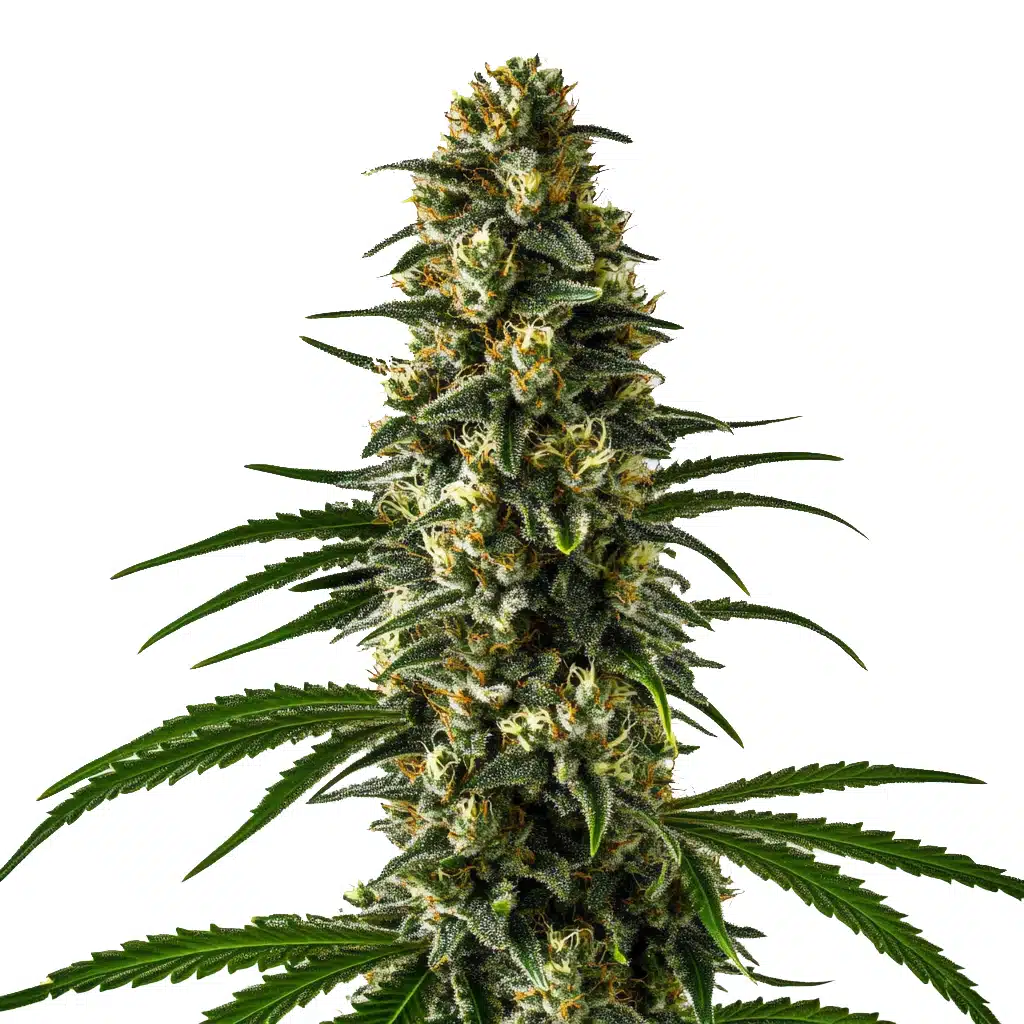
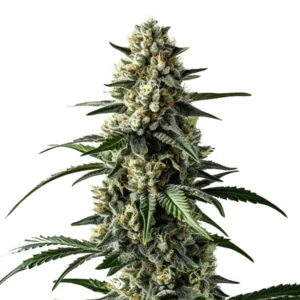
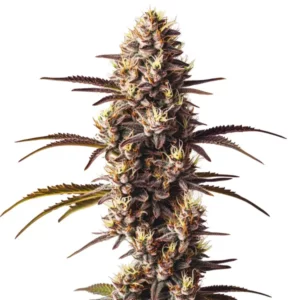
Girl Scout Cookies

|
THC | 18% - 25% (High) |

|
Type | Feminized |

|
Yield | High |

|
Phenotype | 60% Indica / 40% Sativa |

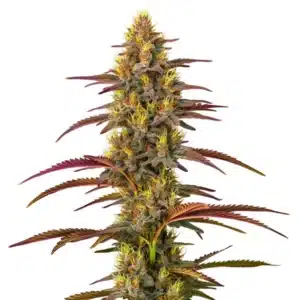
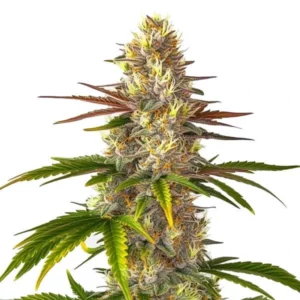
Fat Bastard
|
|
THC | 30% - 38% (High) |
|
|
Type | Feminized |
|
|
Yield | High |
|
|
Phenotype | 50% Indica / 50% Sativa |
Let’s dive into how long before PGRs leave cannabis plants and explore their impact on your cultivation practices. By doing so, you can make informed choices that align with your growing goals and health priorities.
What Are Plant Growth Regulators?
Plant Growth Regulators are synthetic or natural compounds that modify the plant’s growth processes. They can speed up or slow down growth, enhance flowering, or even alter the size of the buds. In cannabis cultivation, PGRs can be used to increase yield or improve the appearance of the buds.
However, the use of PGRs in cannabis is controversial. While they can produce visually appealing results, there are concerns about the potential health risks associated with their residues. Knowing how long do plant growth regulators remain in cannabis is essential for making safe and effective cultivation decisions.
It’s also important to recognize the distinction between natural and synthetic PGRs. Natural PGRs might be derived from organic sources and tend to have a shorter duration in cannabis plants. Conversely, synthetic PGRs, while potent, may linger longer, impacting the cannabis plant PGR breakdown period. This distinction emphasizes the need for growers to choose their cultivation strategies carefully.
Moreover, regulatory bodies in various regions are starting to scrutinize the use of PGRs in cannabis products. As consumer awareness increases, so does the demand for transparency regarding how long do PGRs stay in cannabis plants. This shift is pushing many cultivators, including Blimburn Seeds, to explore safer and more sustainable growing practices.
Promos & Deals

Factors Influencing PGR Duration in Cannabis
Several factors can affect how long PGRs stay in cannabis plants. These include the type of PGR used, the growing environment, and the specific cannabis strain. For example, some strains may metabolize PGRs more quickly than others.
The growing environment also plays a critical role. Temperature, humidity, and soil composition can all impact the cannabis plant PGR breakdown period. By optimizing these conditions, you can help ensure that PGRs leave the plants more quickly.
Another crucial factor is the timing of PGR application. Applying PGRs at different stages of plant growth can affect how long before PGRs leave cannabis plants. Early application might allow more time for the breakdown process, whereas late application could prolong residue presence.
Furthermore, the duration of PGRs in marijuana plants is also influenced by the overall health and vigor of the plant. Robust, healthy plants with efficient metabolic processes may be more adept at breaking down PGR residues, thereby shortening the PGR residue timeline in cannabis cultivation.
Impact on Different Cannabis Strains
The duration of PGRs in cannabis plants can vary widely among different strains. For example, strains like Gorilla Glue from Blimburn Seeds are known for their resilience and may process PGRs differently compared to others. This means that the timeline for how long do PGRs stay in cannabis plants can differ based on genetic factors.
Another popular strain, Girl Scout Cookies by Blimburn Seeds, may have a different PGR breakdown period due to its unique genetic makeup. Knowing these differences helps growers choose strains that align with their cultivation practices.
Besides to genetic factors, the cultivation techniques employed for each strain can further impact the cannabis plant PGR breakdown period. For example, stress management techniques and nutrient optimization can influence how efficiently a strain metabolizes PGRs.
Finally, it is essential for growers to continually evaluate and adapt their practices based on observed results. By documenting the duration of PGRs in marijuana plants across different strains, cultivators can refine their strategies and improve their knowing of how long PGRs remain in specific cannabis varieties.
Steps to Minimize PGR Residues
To reduce the duration of PGRs in marijuana plants, consider employing techniques that enhance the natural breakdown process. One effective method is to ensure your plants have ample time to grow without PGRs before harvest, allowing natural processes to eliminate residues.
Additionally, organic growing practices can help minimize the impact of PGRs. By using organic soil and nutrients, you can promote a healthier growing environment that facilitates the breakdown of PGRs.
Crop rotation and intercropping are additional strategies that can contribute to reducing PGR impact. These practices promote soil health and can enhance the natural degradation of PGRs, shortening the PGR residue timeline in cannabis cultivation.
Incorporating beneficial microbes and fungi into the soil is another approach. These organisms can aid in the breakdown of chemical residues, further supporting the goal of minimizing how long do plant growth regulators remain in cannabis.
FAQs about how long do PGRs stay in cannabis plants
Do all cannabis strains metabolize PGRs at the same rate?
No, not all cannabis strains metabolize PGRs at the same rate. Each strain has a unique genetic makeup, influencing how it processes and breaks down PGRs. For instance, some strains might naturally have a faster metabolism, allowing them to process PGRs more quickly.
This variability means that growers should consider the specific traits of their chosen strain. Consulting with seed providers like Blimburn Seeds can offer insights into how different strains might handle PGRs.
Moreover, environmental factors such as light exposure and nutrient availability can further influence the metabolic rate of PGRs in different strains. Adjusting these factors may help optimize the duration of PGRs in marijuana plants.
To better understand how long before PGRs leave cannabis plants, growers can conduct small-scale trials with various strains and document the results. This data can be invaluable for improving future cultivation strategies and selecting the best strains for PGR management.
Are there natural alternatives to PGRs for cannabis cultivation?
Yes, there are several natural alternatives to PGRs that cannabis growers can use. Techniques such as selective breeding and optimizing environmental conditions can enhance plant growth without the need for synthetic chemicals.
Other methods include using organic fertilizers and soil amendments that promote healthy growth. These alternatives can help growers achieve desirable results while avoiding the potential risks associated with synthetic PGRs.
Natural growth enhancers, such as kelp extracts and humic acids, can also be effective in promoting robust plant development. These organic compounds can improve nutrient uptake and stimulate growth without the drawbacks of synthetic PGRs.
Additionally, companion planting with certain herbs and flowers can create a symbiotic environment that supports cannabis plant growth. This holistic approach aligns with sustainable cultivation practices and reduces reliance on chemical interventions.
How can I test for PGR residues in my cannabis plants?
Testing for PGR residues in cannabis plants typically involves laboratory analysis. Specialized labs can conduct tests to measure residue levels, providing a clear picture of any remaining chemicals in the plants.
For home growers, while direct testing might not be feasible, observing plant health and growth patterns can offer indirect clues. If PGRs have been used, monitoring the plant’s response and allowing time for natural breakdown can be beneficial.
It is advisable for commercial growers to conduct regular testing to ensure compliance with safety standards. Third-party lab certification can provide assurance to consumers that the products are free from harmful residues.
Investing in testing equipment might also be a viable option for larger operations. This allows for continuous monitoring of PGR levels and helps in maintaining transparency about the PGR residue timeline in cannabis cultivation.
What are the potential health risks of consuming cannabis with PGR residues?
Consuming cannabis with PGR residues can pose health risks, although the extent varies based on the type and amount of PGRs used. Some studies suggest potential links to hormonal imbalances and other health issues.
It is crucial for consumers to be aware of the source and cultivation practices of their cannabis products. Choosing providers that prioritize organic and PGR-free cultivation methods can mitigate these risks.
Long-term exposure to PGR residues may also have cumulative effects, potentially leading to more severe health implications. This underscores the importance of knowing how long do PGRs stay in cannabis plants and minimizing exposure.
Consumers should seek out brands like Blimburn Seeds, which emphasize transparency and commitment to safe cultivation practices. This approach not only benefits personal health but also supports ethical industry standards.
How do I know if my cannabis supplier uses PGRs?
Determining whether a cannabis supplier uses PGRs involves researching their cultivation practices. Transparency from the supplier about their growing methods is a good indicator. Companies that provide detailed information about their cultivation process, like Blimburn Seeds, are often more trustworthy.
Additionally, reviews and feedback from other consumers can provide insights into the supplier’s reputation. Engaging with the cannabis community and discussing experiences can help identify reliable sources.
Suppliers who participate in third-party testing and certification processes are more likely to adhere to safe practices. These certifications can serve as a valuable assurance of product quality and safety.
Inquiring directly with the supplier about their use of PGRs is also an effective approach. Reputable companies will be forthcoming about their practices and may even provide documentation or lab results to verify their claims.