Proven Foliar Spray for Cannabis Leaf Discoloration: Expert Tips

Healthy cannabis plants are a sight to behold. Their lush green leaves are not just aesthetically pleasing; they indicate that the plant is thriving. However, cannabis leaf discoloration can be a common issue faced by both novice and seasoned growers. This discoloration can be a signal of underlying problems, often related to nutrient deficiencies or environmental stress. Implementing a foliar spray for cannabis leaf discoloration can be an effective way to combat this issue.
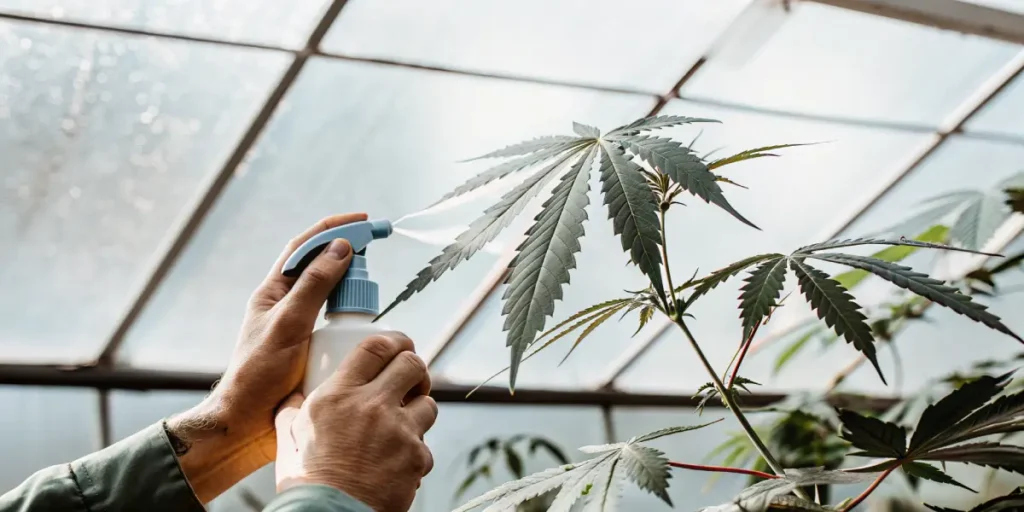
Foliar spraying involves applying a liquid solution directly to the leaves of the cannabis plant. This method allows nutrients to be absorbed quickly, helping to resolve discoloration issues. For those seeking natural remedies for cannabis leaf discoloration, foliar sprays can be an efficient and organic solution. Whether you’re dealing with yellowing leaves or other color changes, a tailored foliar spray can make a significant difference.
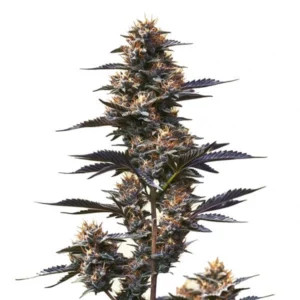
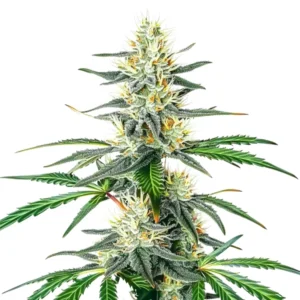
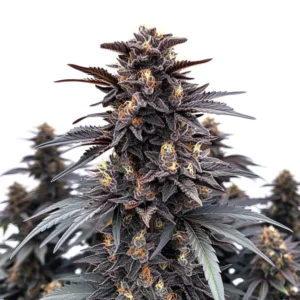
Recommended Strains
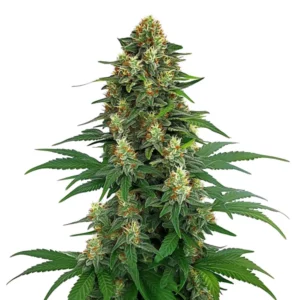


There are numerous options for creating the best foliar spray for cannabis nutrient deficiency. These solutions often involve mixing water with essential nutrients or organic compounds. When applied consistently, they can help restore the vibrant green color of your cannabis leaves. Choosing the right foliar spray can be the key to maintaining the health and vitality of your plants.
Identifying Leaf Discoloration Causes
Before applying any foliar spray, it’s crucial to identify the cause of the discoloration. Common causes include nutrient deficiencies, pests, and environmental stress. Each cause requires a different approach, so accurate diagnosis is essential. For example, yellowing leaves may indicate a nitrogen deficiency, while brown spots could suggest potassium issues.
Environmental factors such as improper pH levels or excessive heat can also lead to discoloration. Regularly monitoring these conditions can help prevent issues before they arise. If you’re growing strains like Blue Dream from Blimburn Seeds, known for their robust growth, maintaining optimal conditions is particularly important to prevent leaf discoloration.
Accurate identification of the cause of cannabis leaf discoloration is the first step towards effective treatment. By knowing the specific nutrient deficiencies or environmental factors at play, growers can tailor their approach. This is where a well-prepared foliar spray for cannabis leaf discoloration becomes invaluable, offering targeted action to restore plant health.
Besides to nutrient deficiencies and environmental factors, pest infestations can also lead to leaf discoloration. Regular inspections can help detect early signs of pest presence, allowing for timely intervention. Utilizing organic foliar spray solutions for cannabis leaf issues can address these problems without resorting to harsh chemicals, preserving the plant’s health and integrity.
Promos & Deals


Creating Effective Foliar Sprays
When considering how to make foliar spray for discolored cannabis leaves, start with a simple base of water. Add nutrients or organic compounds tailored to the specific deficiency you are addressing. For nitrogen deficiencies, consider adding fish emulsion or a seaweed extract to your foliar spray.
For those preferring organic foliar spray solutions for cannabis leaf issues, neem oil or a mix of garlic and pepper can deter pests naturally while nourishing the plant. It’s important to apply these sprays during the early morning or late afternoon to prevent leaf burn from the sun.
Creating the best foliar spray for cannabis nutrient deficiency requires a balance of ingredients. Beyond basic nutrient solutions, incorporating natural remedies for cannabis leaf discoloration can enhance the efficacy of the foliar spray. Ingredients like kelp extract or compost tea can provide additional micronutrients essential for plant recovery.
Crafting a foliar spray tailored to your plants’ needs can significantly improve results. By experimenting with different formulations, growers can find the most effective blend for their specific strain. For example, strains from Blimburn Seeds may benefit from a more robust foliar spray to support their vigorous growth, ensuring consistent plant health.
- Always test a small area before full application.
- Mix sprays in clean, sterile containers.
- Store solutions in a cool, dark place to preserve potency.

Application Techniques for Foliar Sprays
Proper application is crucial for the effectiveness of a foliar spray for cannabis leaf discoloration. Use a fine mist spray bottle to ensure even coverage. Start spraying from the top of the plant and work your way down to cover the undersides of the leaves, where pests often hide.
Consistency is key. Apply the foliar spray at regular intervals, typically every 7-10 days, to maintain the health of your plants. This is especially important for strains like GG #4 from Blimburn Seeds, which thrive under consistent care and attention.
Effective application techniques can make a significant difference in the success of a foliar spray for cannabis leaf discoloration. Ensuring that the spray reaches all parts of the plant, including the undersides of leaves, maximizes nutrient absorption. This thorough coverage is critical for preventing further discoloration and promoting overall plant health.
When applying foliar sprays, timing and environmental conditions play an important role. Spraying during cooler parts of the day reduces evaporation and allows the leaves to absorb nutrients more effectively. By following these best practices, growers can achieve optimal results and enjoy lush, green foliage in their cannabis plants.
- Shake the spray bottle well before each use.
- Apply during cooler parts of the day.
- Monitor plant response and adjust frequency if needed.
FAQs about foliar spray for cannabis leaf discoloration
What are the benefits of using a foliar spray for cannabis leaf discoloration?
Foliar sprays offer a direct method to supply nutrients to cannabis plants, ensuring quicker absorption compared to soil feeding. This rapid uptake can quickly alleviate symptoms of nutrient deficiencies, such as leaf discoloration. As the spray is applied directly to the leaves, it bypasses potential soil-related issues, making it especially effective for immediate results.
Additionally, foliar sprays can target specific problems with precision. If you’re growing a strain like Tangie from Blimburn Seeds, known for its vibrant growth, using a foliar spray helps maintain its natural color and health. This method is also efficient in small grow operations where soil amendment might be less feasible.
Foliar sprays can be tailored to address specific nutrient needs, providing a customized solution to cannabis leaf discoloration. By incorporating natural remedies for cannabis leaf discoloration, growers can enhance plant resilience and vitality. This targeted approach ensures that plants receive the necessary nutrients to thrive.
Another benefit of using foliar sprays is their versatility and adaptability. Growers can easily adjust the composition of the spray to address changing plant needs or environmental conditions. This flexibility can be particularly useful in diverse growing environments, ensuring that plants remain healthy and productive throughout their lifecycle.
How do I prevent cannabis leaf discoloration?
Prevention involves maintaining optimal growing conditions. This includes monitoring soil pH, ensuring adequate light, and providing the right nutrients. Regularly inspecting your plants can help detect early signs of discoloration, allowing you to address issues promptly. Investing in quality seeds from Blimburn Seeds can also ensure that you start with healthy genetics, reducing the risk of discoloration.
Using a cannabis leaf discoloration prevention foliar spray can also be part of your preventive measures. These sprays can fortify plant health before any symptoms of deficiency appear. Incorporating such practices into your routine can keep your cannabis plants vibrant and healthy.
Preventing cannabis leaf discoloration starts with knowing the specific needs of your plants. By providing a balanced nutrient supply and maintaining consistent environmental conditions, growers can reduce the likelihood of discoloration. This proactive approach is key to sustaining plant health and avoiding the need for corrective measures.
Besides to using a cannabis leaf discoloration prevention foliar spray, integrating other organic foliar spray solutions for cannabis leaf issues can offer additional protection. These solutions can strengthen plant defenses, making them more resilient to environmental stressors and reducing the risk of discoloration.
Can I use household items to make a foliar spray?
Yes, many household items can be repurposed to create effective foliar sprays. For instance, a mixture of baking soda and water can act as a mild fungicide, while a diluted solution of milk and water can help combat powdery mildew. These natural remedies for cannabis leaf discoloration are accessible and eco-friendly options for home growers.
However, it’s important to research and test these mixtures on a small section of the plant first. Some ingredients may not be suitable for all cannabis strains. With a strain like Blue Dream from Blimburn Seeds, known for its resilience, experimenting with homemade sprays can be a safe venture.
Using household items to create foliar sprays offers an economical and sustainable approach to addressing cannabis leaf discoloration. By leveraging readily available ingredients, growers can craft effective solutions that align with organic growing practices, promoting plant health without relying on synthetic chemicals.
Household-based sprays can also be customized to target specific issues. For example, combining garlic and pepper in a foliar spray can deter pests while providing nutrients. This dual-action approach ensures that plants receive both protective and nutritional benefits, enhancing overall plant health and vigor.
What are the signs that my foliar spray is working?
The effectiveness of a foliar spray is often visible within a few days. Look for improvements in leaf color and texture. Leaves should regain their green hue, and any spots or discoloration should begin to fade. For strains like GG #4 from Blimburn Seeds, known for their quick adaptation, positive changes can be seen relatively soon.
Regularly inspect your plants after applying a foliar spray. If the discoloration persists or worsens, reassess your mixture or consider other potential issues such as pest infestations or environmental stress. Continuous monitoring is key to ensuring that your foliar spray achieves desired results.
Improvements in plant vigor are another sign that your foliar spray for cannabis leaf discoloration is effective. As the plant absorbs nutrients, it should exhibit stronger growth and enhanced resistance to stress. This positive response indicates that the spray is meeting the plant’s nutritional needs effectively.
Monitoring for changes in leaf appearance and overall plant health can provide insight into the efficacy of your foliar spray. If you notice consistent improvements, this suggests that the chosen foliar spray formulation is well-suited to your plant’s requirements, promoting long-term health and productivity.
Is foliar spraying suitable for all cannabis growth stages?
Foliar spraying is most beneficial during the vegetative stage when plants are absorbing nutrients rapidly and building their structure. During this phase, the leaves are fully capable of absorbing the nutrients applied via foliar sprays, making it the ideal time for such applications.
However, caution is advised during the flowering stage. Applying foliar sprays at this point can increase humidity and potentially lead to mold or bud rot. For strains like Tangie from Blimburn Seeds, which benefit from careful humidity control during flowering, it’s best to limit foliar applications or cease them altogether during this stage.
The timing of foliar spray applications is crucial to maximizing their benefits. During the vegetative stage, when plants are most receptive, foliar sprays can provide essential nutrients that support robust growth. This targeted approach can prevent cannabis leaf discoloration by ensuring nutrient availability when it’s most needed.
Conversely, during the flowering stage, the risk of adverse effects from foliar spraying increases. To maintain plant health and prevent issues like mold, it’s advisable to switch to other methods of nutrient delivery. Knowing the unique needs of each growth stage allows for the strategic use of foliar sprays, optimizing plant care throughout the growth cycle.