Proven Expert Tips for Preventing Microbial Contamination During Trimming

When it comes to preventing microbial contamination during trimming, a strategic approach is key. Whether you’re a first-time cannabis seed buyer or an experienced grower, the importance of cleanliness cannot be overstated. Microbial contamination can affect the quality and safety of your cannabis, making it crucial to adhere to best practices.
Consider the environment in which you trim. A clean and sanitized area is essential. This might seem like a given, but ensuring that your trimming space is free from dust and dirt will drastically reduce the risk of contamination. Clean surfaces regularly with disinfectants and keep clutter to a minimum.
Recommended Strains


Another practical tip is to use proper sanitation for your hands and tools. Regularly wash your hands and use gloves if possible. Your tools should also be sanitized before and during the trimming process. Alcohol wipes or a diluted bleach solution are effective for cleaning scissors and other trimming tools.
Effective Environmental Controls
Environmental control is a cornerstone in the methods to avoid microbial contamination during trimming. Temperature and humidity play significant roles in microbial growth. Keeping these factors in check can help maintain a contamination-free environment.
Utilize dehumidifiers and air conditioning to maintain an optimal environment. High humidity levels can encourage mold and bacteria, so aim for a relative humidity of 45-55%. The temperature should also be monitored, ideally keeping it between 65-75°F.
Effective environmental controls extend beyond just temperature and humidity. Airflow is another critical factor, as stagnant air can harbor and spread microbial contaminants. Ensuring proper ventilation in your trimming area helps in preventing microbial contamination during trimming by continuously cycling and filtering the air.
Incorporating HEPA filters in your air conditioning or ventilation systems can further enhance microbial contamination control in trimming processes. These filters are designed to trap fine particles, including mold spores and bacteria, thereby reducing the risk of contamination. Regular maintenance of these systems is crucial to ensure they are functioning at their best.
- Maintain a clean workspace by regular dusting and disinfecting.
- Use air purification systems to eliminate airborne microbes.
- Regularly inspect HVAC systems to ensure they are functioning correctly.
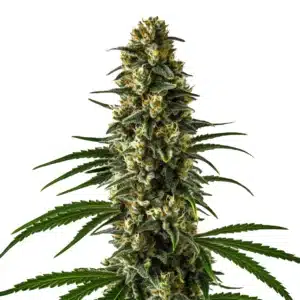
Implementing these environmental controls will make a significant difference. Not only do they help in preventing microbial contamination during trimming, but they also improve the overall quality of the cannabis. Strains like Blimburn Seeds Blue Dream thrive in such controlled conditions.
Promos & Deals


Personal Hygiene and Equipment Sanitation
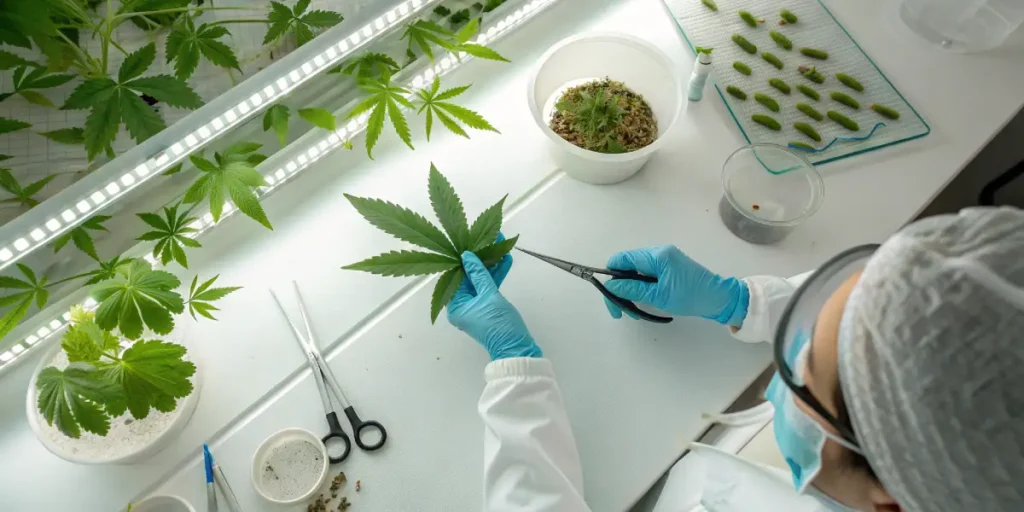
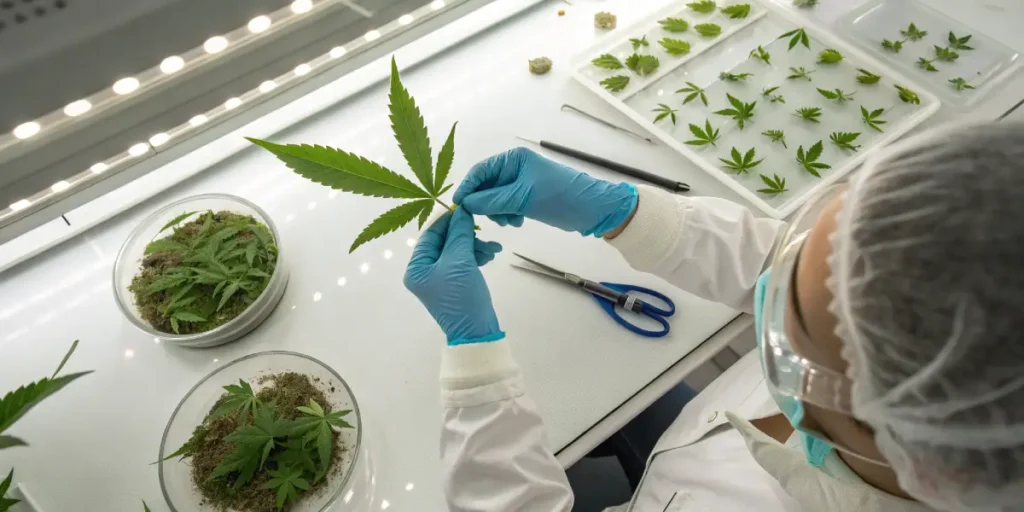
Personal hygiene is a critical aspect of microbial contamination control in trimming processes. This goes beyond just washing your hands. Consider wearing clean clothing and using hairnets or caps to prevent any hair or skin flakes from contaminating your product.
Sanitation of equipment is equally important. Before starting the trimming process, ensure that all tools are thoroughly cleaned. A simple solution of 70% isopropyl alcohol can be used to sanitize scissors, trays, and other equipment.
Consistent adherence to hygiene protocols is fundamental in preventing microbial contamination during trimming. Establishing a routine for cleaning and sanitation ensures that these practices become second nature. This routine should include not only hand washing and glove changes but also regular disinfection of high-touch surfaces and equipment.
Furthermore, training staff on best practices for reducing microbial contamination in trimming is essential. Providing ongoing education about the importance of personal hygiene and equipment sanitation can help maintain high standards and prevent lapses that could lead to contamination.
- Keep a dedicated set of trimming tools to avoid cross-contamination.
- Use disposable gloves and change them frequently during trimming.
- Sanitize tools between each plant to minimize the spread of microbes.
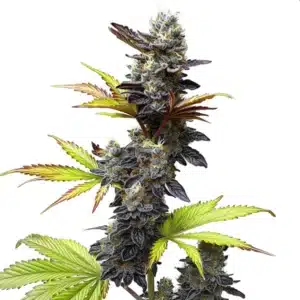
These practices are not just theoretical; they are tried and tested methods used by seasoned growers. For instance, when working with resilient strains such as Blimburn Seeds GG4, following these hygiene and sanitation practices ensures healthy plant yields.
Choosing the Right Tools
Investing in the right tools to prevent microbial contamination during trimming can make all the difference. Quality trimming scissors, for example, should be easy to clean and resistant to rust. This not only helps in maintaining hygiene but also ensures a smoother trimming process.
Consider using non-porous surfaces for your workbench. Porous materials can harbor bacteria and fungi, increasing the risk of contamination. Stainless steel or glass surfaces are ideal as they are easy to clean and sanitize.
When selecting tools to prevent microbial contamination during trimming, it’s crucial to prioritize both functionality and ease of maintenance. Tools that are designed with detachable parts can be thoroughly cleaned, leaving no hidden areas for microbes to thrive. This design consideration is vital for maintaining stringent hygiene standards.
Additionally, incorporating tools made from antimicrobial materials can further reduce the risk of contamination. These materials inhibit the growth of bacteria and fungi on the tool surfaces, providing an extra layer of protection. This is particularly beneficial in high-volume trimming operations where maintaining consistent sanitation can be challenging.
- Choose tools made from materials that are easy to disinfect.
- Opt for ergonomically designed tools to reduce fatigue and improve efficiency.
- Regularly inspect tools for wear and replace them as needed.
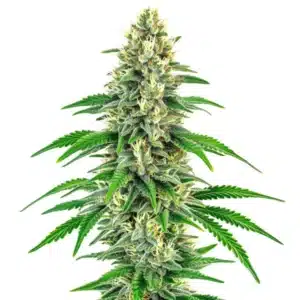
By selecting the right tools, you not only improve the efficiency of your trimming process but also contribute to the overall health of your cannabis plants. Strains like Blimburn Seeds Tangie benefit from meticulous care and attention during trimming.
Monitoring and Maintenance
Regular monitoring and maintenance of your trimming environment and tools is crucial in the fight against microbial contamination. This includes routine checks of your HVAC systems, ensuring they are free from dust and functioning correctly.
Routine equipment checks should also be part of your maintenance schedule. Inspect tools for any signs of wear or damage. Replace any tools that show signs of rust or wear, as these can become breeding grounds for microorganisms.
Establishing a comprehensive maintenance schedule is an integral part of microbial contamination control in trimming processes. This schedule should include regular audits of cleaning practices and equipment functionality to ensure compliance with hygiene standards. By keeping detailed records of maintenance activities, you can quickly identify and address potential issues.
Moreover, engaging in preventive maintenance rather than reactive repairs can save time and resources in the long run. By proactively replacing worn-out tools and addressing environmental control issues before they become problematic, you can maintain a consistent level of quality and safety in your trimming operations.
Don’t overlook the importance of monitoring your plants as well. Regularly check for any signs of disease or mold, especially during trimming. Early detection can prevent a small problem from becoming a major issue.
FAQs about preventing microbial contamination during trimming
Why is preventing microbial contamination during trimming important?
Preventing microbial contamination during trimming is crucial because it ensures the safety and quality of the cannabis. Contaminated plants can lead to health risks when consumed. It also affects the plant’s aroma, flavor, and overall potency, which are critical factors for both personal use and commercial sales.
Moreover, microbial contamination can result in significant financial losses. If a batch is found to be contaminated, it may need to be discarded, leading to wasted resources and time. Maintaining strict hygiene standards during trimming helps protect your investment.
In industries like food processing, preventing microbial contamination is a well-established priority due to the potential health risks and economic impact. Similarly, in cannabis cultivation, ensuring that every step of the process is free of contamination is vital to producing a high-quality product that meets consumer expectations.
Maintaining a contamination-free environment is not just about avoiding immediate losses but also about building a reputation for quality and safety. This is especially important for brands like Blimburn Seeds, which strive to deliver premium cannabis strains that are both potent and safe for consumption.
What are the best practices for reducing microbial contamination in trimming?
Best practices for reducing microbial contamination include maintaining a clean workspace, using sanitized tools, and practicing good personal hygiene. Regularly clean surfaces and tools with appropriate disinfectants and ensure that the trimming area is free from dust and debris.
Additionally, controlling environmental factors such as temperature and humidity can significantly reduce microbial growth. Implementing these practices not only prevents contamination but also enhances the quality of the cannabis.
Emphasizing continuous improvement in these practices is key to staying ahead of potential contamination risks. Regularly updating your methods to avoid microbial contamination during trimming based on the latest research and industry standards can lead to better outcomes and higher efficiency in your operations.
Collaborating with other growers and industry experts to share knowledge and experiences can also provide valuable insights into best practices for reducing microbial contamination in trimming. Such collaborations can help identify common challenges and innovative solutions that enhance overall plant health and yield.
How do I sanitize tools effectively?
Sanitizing tools effectively involves using the right cleaning agents and methods. Tools should be cleaned with a solution of 70% isopropyl alcohol or a diluted bleach solution. This should be done before and after each use to prevent the spread of microbes.
It’s also important to dry the tools thoroughly after cleaning to prevent rust. Regular sanitation of tools ensures they remain in good condition and reduces the risk of contamination.
Besides to using alcohol or bleach solutions, consider incorporating a UV sterilization device as part of your sanitation routine. UV light can effectively kill a wide range of microorganisms, providing an additional layer of protection for your tools to prevent microbial contamination during trimming.
For larger equipment that cannot be submerged or wiped with liquid disinfectants, steam cleaning can be an effective alternative. The high temperature of the steam can kill most pathogens, making it a valuable tool for maintaining cleanliness without the use of harsh chemicals.
What environmental controls can help in microbial contamination control in trimming processes?
Environmental controls such as maintaining optimal temperature and humidity levels are vital. Use dehumidifiers and air conditioners to keep the humidity around 45-55% and the temperature between 65-75°F. This creates an environment that is less conducive to microbial growth.
Additionally, using air purifiers can help remove airborne contaminants. Regular maintenance of HVAC systems is also necessary to ensure they function properly and do not become sources of contamination themselves.
To further enhance environmental controls, consider implementing automated systems that monitor and adjust environmental conditions in real-time. These systems can provide precise control over temperature and humidity, ensuring that conditions remain within the desired range for preventing microbial contamination during trimming.
Integrating these automated solutions with data analytics can offer insights into environmental trends and potential risks. By analyzing this data, growers can make informed decisions to optimize their trimming environment and maintain consistent quality across batches.
Can specific cannabis strains affect microbial contamination risk?
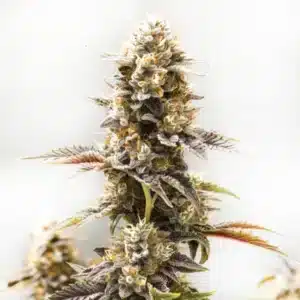
Yes, certain cannabis strains may have varying susceptibilities to microbial contamination. Strains like Blimburn Seeds’ GG4 and Blue Dream are known for their resilience, but they still require careful handling during trimming to ensure they remain uncontaminated.
Choosing robust strains and following strict hygiene and environmental controls can minimize the risk of contamination. Always consider the strain’s needs and characteristics during the trimming process.
Knowing the genetic makeup of different strains can also provide insights into their susceptibility to microbial threats. Strains with naturally higher resistance may still benefit from enhanced protection measures, especially when grown in environments prone to high microbial loads.
By tailoring your prevention strategies to the specific needs of each strain, you can optimize their growth potential and ensure that they reach their full genetic potential. This approach not only supports plant health but also bolsters the overall success of your cultivation efforts.