Expert Guide: Interpreting Potency Loss in Cannabis Smartly

When it comes to cannabis, potency is a crucial factor for both growers and consumers. But how do we interpret potency loss? Is it due to analytical error or true degradation? This question is vital for anyone involved in cultivating or consuming cannabis. Let’s dive into the key aspects of interpreting potency loss: analytical error vs true degradation in cannabis.
For first-time cannabis seed buyers and seasoned growers, it’s essential to differentiate between analytical discrepancies and actual product degradation. Imagine growing a strain like the renowned Blue Dream from Blimburn Seeds. You’d want to be sure if a drop in potency is due to your storage conditions or just a testing hiccup.
Recommended Strains
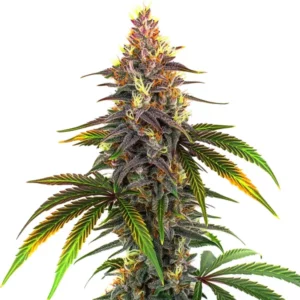
Bruce Banner #3

|
THC | 20% - 29% (High) |

|
Type | Feminized |

|
Yield | High |

|
Phenotype | 50% Indica / 50% Sativa |

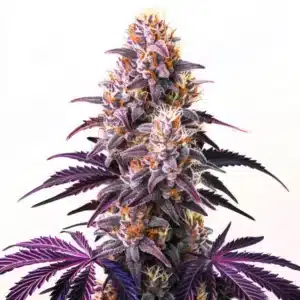
Blackberry Moonrocks
|
|
THC | 26% - 33% (High) |
|
|
Type | Feminized |
|
|
Yield | High |
|
|
Phenotype | 80% Indica / 20% Sativa |
Interpreting cannabis potency test results accurately requires a clear knowing of various factors. Analytical errors can arise from testing methodologies, while true degradation might stem from environmental conditions. This guide will help you navigate through these complexities to maintain the quality of your cannabis.
Analytical Error vs. True Degradation
First, let’s talk about analytical errors. These occur when there’s a mistake during the testing process. Labs might use different methods to measure THC and CBD levels, which can lead to variations. A lab might report a lower potency simply due to calibration issues or human error.
On the other hand, true degradation refers to the actual decline in the chemical composition of cannabis over time. Factors like light, air, and temperature can accelerate the breakdown of cannabinoids. Imagine storing your favorite strain, Bruce Banner 3 from Blimburn Seeds, in a hot, sunny spot. Over time, you might notice it becomes less potent.
Knowing potency decline in cannabis products is crucial for maintaining quality. The distinction between cannabis degradation versus analytical discrepancies lies in recognizing how storage impacts chemical stability. While analytical errors may stem from inconsistencies in lab procedures, true degradation correlates with environmental exposure.
Distinguishing analytical error from true degradation in cannabis requires vigilance and consistent monitoring. By regularly assessing both testing methodologies and storage practices, growers can ensure that potency loss is minimized and cannabis quality is preserved. Engaging with reliable labs and knowing the nuances of cannabis potency loss analysis methods can substantially improve outcomes.
Promos & Deals
Cannabis Potency Loss Analysis Methods
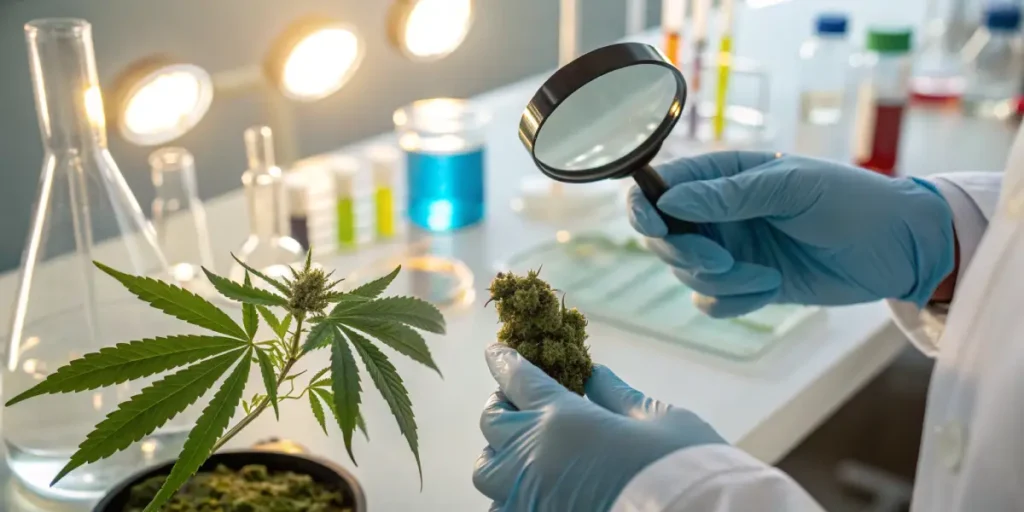
Various methods are used in cannabis potency loss analysis. High-performance liquid chromatography (HPLC) is a popular choice. It provides detailed insights into cannabinoid profiles. However, even sophisticated tools can sometimes yield inconsistent results due to equipment sensitivity.
Gas chromatography (GC) is another technique. While it’s efficient, it can sometimes lead to discrepancies in results, especially if the sample preparation isn’t precise. These methods highlight why distinguishing analytical error from true degradation in cannabis is critical for growers aiming for consistent quality.
The intricacies of cannabis potency loss analysis methods reveal the importance of choosing the right testing approach. Each method has its strengths and limitations, and knowing these can help in interpreting cannabis potency test results accurately. For instance, while HPLC is excellent for detailed analyses, it requires meticulous calibration to avoid errors.
Moreover, selecting the appropriate method often depends on the specific needs of the grower or consumer. Whether opting for HPLC, GC, or other techniques, the goal is to achieve a balanced knowing of potency loss and ensure that the cannabis product retains its intended effects and benefits. This knowledge can empower growers to make informed decisions about their crops.
Maintaining Potency: Practical Tips
To minimize true degradation, proper storage is key. Keep your cannabis in a cool, dark place, ideally in an airtight container. This reduces exposure to air and light, which are major culprits in cannabinoid breakdown.
Consider humidity packs for maintaining optimal moisture levels. Strains like Blackberry Moonrocks from Blimburn Seeds thrive when stored properly. These packs ensure your buds don’t become too dry or too moist, both of which can affect potency.
Another aspect of maintaining potency is knowing the specific needs of different strains. While general storage guidelines apply, some strains may have unique requirements due to their particular chemical compositions. Being familiar with these can aid in distinguishing analytical error from true degradation in cannabis.
Additionally, periodic checks and adjustments to your storage environment can prevent unforeseen potency loss. By staying vigilant and adapting to changes, such as seasonal humidity shifts, you can safeguard your cannabis investment and enjoy its full spectrum of effects whenever consumed.
Decoding Test Results
When you receive test results, take a closer look at the methodology used. Labs should provide details on their testing processes. If results seem off, consider requesting a re-test or a second opinion to rule out analytical errors.
Knowing potency decline in cannabis products involves knowing which cannabinoids are most affected. THC tends to degrade faster than CBD, so if your results show a significant drop in THC but not in CBD, it could indicate degradation rather than error.
Interpreting cannabis potency test results accurately entails not only examining the numbers but also knowing the context. If discrepancies arise, consider the variability of lab equipment and human factors. Cross-referencing results across multiple testing facilities can provide a clearer picture of the true state of your cannabis.
Communication is key when dealing with testing labs. Engage in discussions about their methodologies and any potential factors that may have influenced the results. This proactive approach can help you pinpoint whether you’re dealing with cannabis degradation versus analytical discrepancies and thus adjust your practices accordingly.
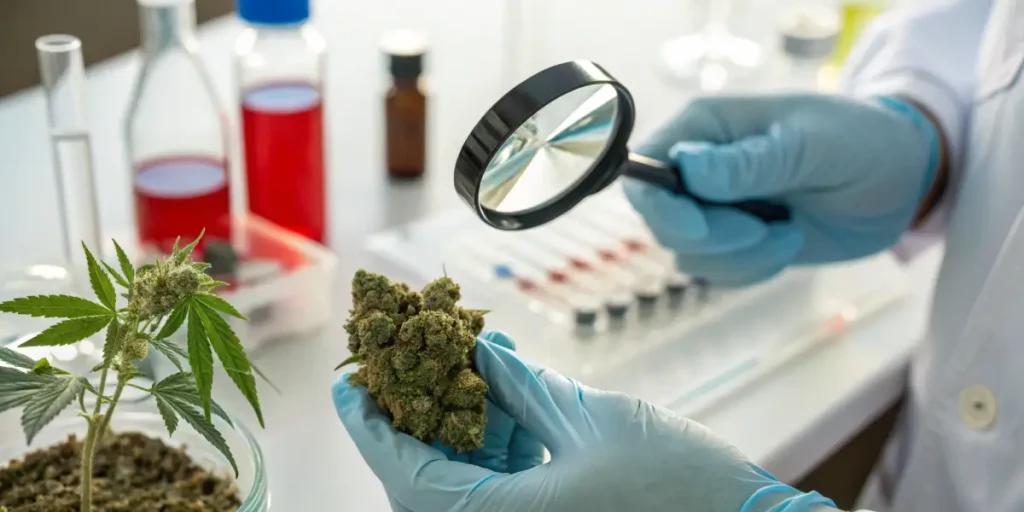
FAQs about interpreting potency loss: analytical error vs true degradation
How can I tell if potency loss is due to true degradation?
True degradation often correlates with poor storage conditions. If you’ve stored your cannabis in a hot, humid environment, it’s likely that degradation has occurred. Over time, you may notice changes in smell, taste, and effects, indicating cannabinoid breakdown.
Lab tests showing consistent results with a significant drop in THC levels across different batches can also signal true degradation. It’s crucial to monitor environmental factors and ensure your storage practices are up to par.
Interpreting potency loss: analytical error vs true degradation in cannabis involves careful observation and testing. If changes in potency are consistent across various conditions and tests, it’s a strong indicator of true degradation. Observing physical changes in the cannabis, such as color shifts or texture changes, can also provide clues.
Regularly updating your knowledge about best storage practices and cannabis potency loss analysis methods can aid in mitigating these issues. By staying informed, you can better identify signs of degradation and take corrective measures swiftly to preserve your cannabis’s quality.
What are common causes of analytical errors in cannabis testing?
Analytical errors can stem from various sources, including equipment calibration issues, improper sample handling, or human mistakes during the testing process. Each lab might have slightly different protocols, leading to variations.
To minimize these errors, choose a reputable lab with a proven track record. Consistency in testing methods and transparency about their processes can help ensure more reliable results.
Knowing the root causes of analytical errors is essential for interpreting potency loss accurately. Calibration errors in equipment can lead to significant discrepancies, as can variations in sample preparation techniques. Ensuring that the lab follows standardized procedures can help mitigate these concerns.
Another factor to consider is the experience and expertise of the lab personnel. Skilled technicians who are well-versed in cannabis potency loss analysis methods are less likely to make errors, thereby providing more trustworthy results. Regular audits and updates to lab protocols can further reduce the likelihood of analytical mistakes.
Can different strains have varied degradation rates?
Yes, different strains can have varied degradation rates. Factors such as the cannabinoid and terpene profiles, as well as the initial potency, play a role. For example, strains with higher THC content might degrade faster than those with more CBD.
It’s also important to consider the strain’s genetic stability. Stable genetics from reliable sources like Blimburn Seeds can offer more consistency in terms of degradation rates, helping you manage potency loss more effectively.
The inherent chemical composition of a strain significantly impacts its degradation rate. Strains with robust terpene profiles might exhibit slower degradation due to the protective effects of terpenes against environmental stressors. Recognizing these differences is key to knowing potency decline in cannabis products.
Additionally, cultivation practices, such as nutrient management and harvest timing, can influence how quickly a strain degrades. By selecting genetically stable strains and optimizing growing conditions, you can better control degradation rates and maintain desired potency levels longer.
How often should I test my cannabis for potency?
Testing frequency can depend on your goals and usage. For commercial growers, regular testing before and after harvest ensures product quality. Home growers might test less frequently but should still do so after significant storage periods.
Consider testing each new batch to ensure consistency. If you’re using new storage methods or experiencing environmental changes, testing can help you assess their impact on potency.
The decision on how often to test cannabis for potency should factor in the potential for environmental changes and storage conditions. Regular testing provides a benchmark for interpreting potency loss and can alert growers to changes that might indicate degradation or analytical errors.
For those integrating new techniques or strains into their cultivation process, frequent testing can offer insights into the effectiveness of these changes. This adaptive approach ensures that growers can swiftly address any findings related to cannabis degradation versus analytical discrepancies.
What role does packaging play in preventing potency loss?
Packaging plays a significant role in preventing potency loss. Air-tight, opaque containers protect cannabis from air and light, both of which can lead to degradation. Consider using vacuum-sealed bags or jars with desiccants for optimal preservation.
Choose packaging materials that are non-reactive with cannabinoids. High-quality packaging safeguards your cannabis, ensuring it remains potent and effective until consumption.
Effective packaging acts as a protective barrier against the elements that cause degradation. By choosing materials that offer UV protection and maintain a consistent internal environment, you can extend the shelf life of your cannabis and maintain its chemical integrity.
The integration of modern packaging solutions, such as nitrogen-flushed containers, further preserves potency by reducing oxidative stress. Investing in quality packaging is a proactive measure that supports long-term potency retention and enhances the overall consumer experience.