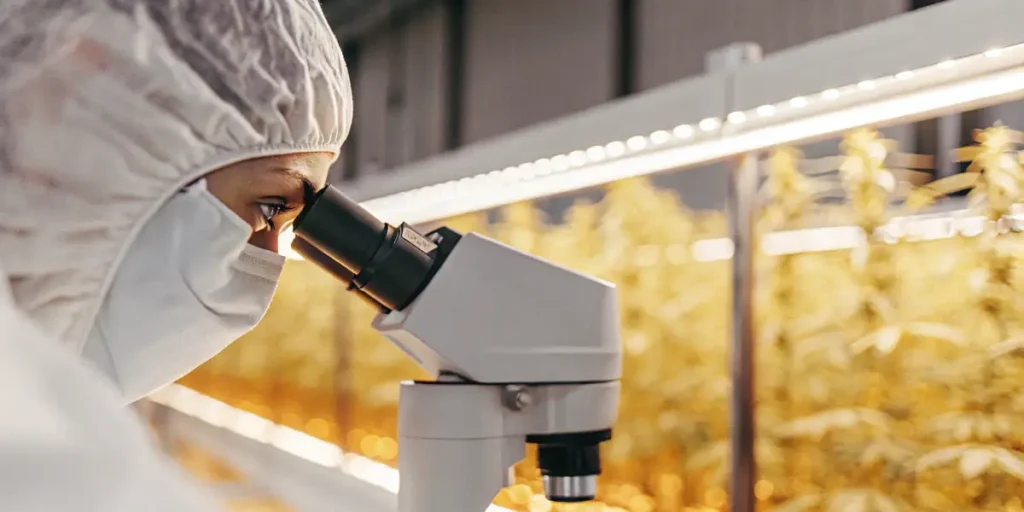
Proven Custom Cannabis Feeding Schedules Using Tissue/Sap Data

Custom cannabis feeding schedules using tissue/sap data are revolutionizing how growers optimize plant health and maximize yield. By examining the nutrition directly from the plant’s tissue or sap, growers can craft personalized cannabis nutrient plans that cater to the exact needs of their crops. This approach allows for precision cannabis fertilization schedules that enhance growth while minimizing waste.
Take, for instance, the experience of growing the famed Bruce Banner #3 strain from Blimburn Seeds. This potent hybrid thrives when nutrient levels are perfectly balanced. By using sap testing, you can ensure Bruce Banner receives just the right amount of nutrients, promoting robust growth and high THC levels.
Recommended Strains

Bruce Banner #3

|
THC | 20% - 29% (High) |

|
Type | Feminized |

|
Yield | Medium |

|
Phenotype | 50% Indica / 50% Sativa |

Gelato
|
|
THC | 27% (High) |
|
|
Type | Feminized |
|
|
Yield | High |
|
|
Phenotype | 50% Indica / 50% Sativa |
For first-time cannabis seed buyers and seasoned growers alike, navigating the intricacies of custom cannabis feeding schedules based on tissue analysis can seem daunting. However, knowing the basics of how tissue and sap data inform nutrient planning can significantly improve cultivation outcomes, helping yield healthy, thriving plants.
Benefits of Custom Cannabis Feeding Schedules
Crafting custom cannabis feeding schedules based on tissue/sap data provides numerous advantages. It allows for targeted nutrition, ensuring your plants receive exactly what they need at each growth stage. This precision is crucial for strains like the Tangie, known for its vibrant tangerine flavor and aroma. Proper nutrient balance, informed by tissue analysis, ensures these traits are fully expressed.
Moreover, personalized cannabis nutrient plans prevent over-fertilization, which can lead to nutrient burn and other growth issues. By tailoring cannabis nutrition using sap data, you optimize the uptake of essential elements without overwhelming the plant. This is particularly beneficial for novice growers who might otherwise rely on generic feeding schedules.
Additionally, custom cannabis feeding schedules based on tissue/sap data can lead to more efficient resource use, reducing costs associated with nutrient waste. By knowing exactly what your plants require, you avoid purchasing unnecessary fertilizers and amendments. This efficiency not only conserves resources but also supports sustainable cultivation practices, an increasingly important factor in today’s agricultural landscape.
Furthermore, the implementation of cannabis feeding optimization through tissue data contributes to a deeper knowing of plant physiology. As growers become more attuned to the specific needs of their plants, they develop a more intuitive approach to cultivation. This knowledge can be shared within the growing community, fostering a collaborative environment where insights and strategies are continuously refined and improved.
- Prevents nutrient deficiencies and toxicities
- Improves plant health and resilience
- Enhances flavor, aroma, and potency of your buds
- Reduces waste and environmental impact
Promos & Deals




Implementing Tissue and Sap Analysis
To start with custom cannabis feeding schedules tissue analysis, you’ll first need to collect samples. This involves taking small samples of plant tissue or sap at different growth stages. These samples are then analyzed for nutrient content, giving you a detailed snapshot of the plant’s nutritional status.
Using these insights, growers can adjust their feeding schedules accordingly. For example, if tissue analysis reveals a magnesium deficiency, you can increase magnesium levels in your nutrient mix. This precise adjustment is key for growing strains like Gelato, which demands a well-balanced nutrient profile to achieve its creamy texture and sweet taste.
Regular monitoring and analysis through personalized cannabis nutrient plans sap testing allow for continuous adaptation to changing plant needs. As environmental conditions shift, so do the nutritional requirements of your cannabis. By staying vigilant with tissue and sap analysis, you ensure that your nutrient management strategies remain relevant and effective, maximizing both plant health and yield potential.
Implementing these methods also encourages a proactive approach to cultivation. Instead of reacting to visible deficiencies or toxicities, growers can anticipate potential issues and address them before they affect plant performance. This foresight is invaluable, particularly when cultivating high-value strains from Blimburn Seeds, where every detail counts in achieving top-tier quality.
- Collect samples regularly for ongoing analysis
- Use results to adapt your nutrient mix
- Monitor changes and adjust as necessary
Real-Life Application of Sap Testing
Imagine growing a batch of GG4 from Blimburn Seeds. This strain is renowned for its sticky, resinous buds, which require a careful balance of nutrients. By employing sap testing, you can fine-tune your feeding schedule to enhance resin production, leading to cannabis that is both potent and aromatic.
Sap testing involves extracting fluid from plant stems and leaves. This fluid is then analyzed for nutrient content, providing real-time data on what the plant is absorbing. This method ensures that your custom cannabis feeding schedules are based on the most accurate data possible.
Real-life applications of sap testing demonstrate its value in detecting subtle nutrient imbalances that might otherwise go unnoticed. For instance, a slight variation in phosphorus uptake can significantly impact bud development and density. By addressing these issues early, you maintain optimal growth conditions throughout the plant’s life cycle, ensuring a high-quality harvest.
Moreover, sap testing offers insights into the dynamic nutrient needs during different growth phases. As cannabis plants transition from vegetative to flowering stages, their nutrient uptake patterns shift. By aligning your precision cannabis fertilization schedules tissue analysis with these changes, you provide the perfect nutritional support at every stage, promoting vigorous and healthy plant development.

How to Get Started with Sap Testing
Begin by researching the equipment needed for sap testing. While it might require some upfront investment, the payoff in plant health and yield makes it worthwhile. Many growers find that the initial cost is offset by savings on unnecessary nutrients.
Once equipped, sample your plants regularly throughout their growth cycle. Pay special attention during key stages such as flowering, when nutrient demands change rapidly. Consistent testing allows you to maintain optimal nutrient levels, crucial for strains like Tangie which benefit from precise nutrient management.
Establishing a routine for sap testing is essential for integrating it into your cultivation practices. Determine a testing schedule that aligns with your plants’ growth cycles and adhere to it consistently. This regularity not only helps in detecting trends and patterns but also enhances your ability to predict and prevent potential nutrient-related issues.
As you collect and analyze data, it’s important to maintain detailed records of your observations and adjustments. Documenting this information provides a valuable resource for future grows, allowing you to refine your custom cannabis feeding schedules based on tissue/sap data over time. Sharing these insights with other growers can also contribute to a collective improvement in cultivation techniques within your growing community.
FAQs about Custom cannabis feeding schedules based on tissue/sap data
What is sap testing, and how does it differ from tissue analysis?
Sap testing involves extracting fluid from the plant’s stems and leaves to analyze nutrient content. It provides real-time data on nutrient uptake, allowing for precise adjustments to feeding schedules. Tissue analysis, on the other hand, examines the plant’s tissue to assess stored nutrients. Both methods offer valuable insights but at different stages of nutrient absorption.
While sap testing gives a snapshot of immediate nutrient availability, tissue analysis shows what nutrients have been absorbed and stored. Combining these methods ensures a comprehensive knowing of your plant’s nutritional status, leading to more effective custom cannabis feeding schedules tissue analysis.
Integrating both sap testing and tissue analysis into your cultivation strategy allows for a more holistic view of plant health. By knowing both the immediate and stored nutrient levels, you can make informed decisions that optimize plant growth and development. This dual approach is particularly beneficial for managing nutrient-sensitive strains, providing a balanced perspective that supports sustainability and productivity.
Additionally, utilizing both methods in tandem helps in tailoring cannabis nutrition using sap data with greater precision. As each method complements the other, growers can achieve a level of nutrient management that is both nuanced and adaptable, accommodating the unique needs of each strain while enhancing overall crop performance.
How often should I perform sap testing?
For optimal results, conduct sap testing at critical growth stages: vegetative, pre-flowering, and flowering. This frequency allows you to catch nutrient imbalances early and adjust your feeding schedule accordingly. Regular testing helps maintain plant health and maximizes yield, especially for nutrient-sensitive strains like Gelato.
Besides to these stages, consider testing whenever your plants show signs of stress or abnormal growth. Rapid interventions based on sap data can prevent small issues from becoming significant problems, ensuring your plants remain vigorous and productive.
Establishing a routine testing schedule not only aids in early detection of potential problems but also supports the long-term health of your plants. By consistently monitoring nutrient levels, you can adapt your personalized cannabis nutrient plans sap testing to better suit the evolving needs of your crop, ensuring that your feeding strategies remain effective and efficient.
Moreover, frequent testing builds a comprehensive database of plant responses to various nutrient management strategies. This data becomes invaluable for future cultivation efforts, allowing you to refine your precision cannabis fertilization schedules tissue analysis, leading to improved outcomes and more robust, healthy plants.
What are some common signs that my cannabis plants need nutrient adjustments?
Common signs include yellowing leaves, wilting, slow growth, and poor bud development. These symptoms often indicate nutrient deficiencies or toxicities that can be addressed by tailoring cannabis nutrition using sap data. By identifying these issues early, you can make precise nutrient adjustments that improve plant health.
For example, if your Bruce Banner plants display yellowing lower leaves, this might suggest a nitrogen deficiency. Sap testing would confirm this, allowing you to increase nitrogen in your feed and restore your plants to health.
Other subtle indicators such as leaf curling, discoloration, or stunted growth can also signal nutrient imbalances that require attention. By employing custom cannabis feeding schedules tissue analysis, you can pinpoint the specific deficiencies or excesses and rectify them promptly, preventing further stress to the plant.
Knowing these signs and acting swiftly ensures that your plants remain in optimal condition, supporting vigorous growth and yield. Regular monitoring and adjustments based on accurate sap data help you maintain a thriving garden, where each plant receives the precise nutrition it needs.
Can sap testing improve the flavor and aroma of my cannabis?
Absolutely. By ensuring your plants receive the right nutrients, sap testing can enhance the natural flavors and aromas of your cannabis. Strains like Tangie are known for their distinctive citrus scent, which is best expressed when nutrient levels are perfectly balanced.
Optimized feeding schedules based on tissue/sap data help prevent nutrient lockout and other issues that can dull a plant’s flavor profile. This precision allows you to grow cannabis that is not only potent but also rich in taste and aroma.
Besides to flavor and aroma, sap testing contributes to the overall quality and potency of your cannabis. By maintaining a balanced nutrient profile, you enhance the plant’s ability to produce essential oils and terpenes, which are crucial for the unique sensory characteristics of each strain. This meticulous approach to nutrient management ensures that your harvested buds are both aromatic and flavorful.
Furthermore, consistent application of personalized cannabis nutrient plans sap testing supports the expression of strain-specific traits. This level of customization not only elevates the sensory experience for consumers but also distinguishes your product in a competitive market, where quality and uniqueness are highly valued.
Is sap testing suitable for all cannabis strains?
Yes, sap testing is beneficial for all cannabis strains, whether you’re growing high-yielding hybrids or delicate indicas. Each strain has unique nutrient needs that sap testing can help identify and meet. This adaptability makes sap testing an invaluable tool for any grower looking to optimize their custom cannabis feeding schedules.
Even experienced growers find that sap testing provides new insights into plant health and nutrient management. By using this method, you can ensure that your cannabis plants, regardless of strain, are receiving the precise nutrition they need for optimal growth and yield.
Moreover, sap testing is particularly valuable when experimenting with new or unfamiliar strains. By gaining a detailed knowing of each strain’s specific nutrient requirements, you can fine-tune your feeding schedules to maximize both yield and quality. This adaptability ensures that your cultivation practices remain effective, regardless of the diversity of strains you choose to grow.
Incorporating sap testing into your cultivation toolkit enhances your ability to achieve consistent, high-quality results. Whether you’re cultivating Blimburn Seeds’ popular strains or exploring new genetic lines, sap testing supports your efforts to deliver superior cannabis products, meeting both personal and market standards.