Proven Airflow Optimization to Prevent Cannabis Mold: Expert Tips

Creating the perfect growing environment is crucial for cannabis cultivators. Airflow optimization to prevent cannabis mold is one aspect that can’t be overlooked. Many growers, whether they’re beginners or seasoned veterans, face challenges with mold. It can ruin entire crops, leading to substantial financial losses. By optimizing airflow in cannabis grow rooms, you can significantly reduce the risk of mold.
Cannabis mold prevention airflow tips are essential knowledge for anyone serious about growing. Start by assessing your current setup. Are there stagnant air pockets? Is the air moving uniformly? Poor airflow leads to moisture buildup, and mold loves moisture. Improving ventilation for cannabis mold prevention is your first line of defense.
Recommended Strains


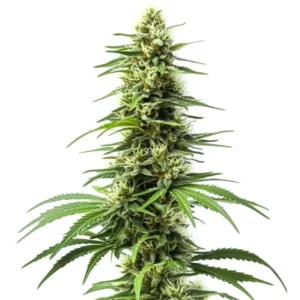
Think about your strain selection too. Certain strains, like those from Blimburn Seeds, are more resistant to mold. Consider options like Blueberry, which not only offers a robust growth pattern but also thrives in well-ventilated environments. Choosing the right strain can complement your airflow strategies to prevent cannabis mold.
Why Airflow Matters in Cannabis Cultivation
Optimizing airflow in cannabis grow rooms isn’t just about preventing mold; it’s about ensuring healthy plant development. Plants need fresh air to photosynthesize effectively. Without good airflow, carbon dioxide doesn’t circulate well, leading to suboptimal growth.
Airflow also helps regulate temperature and humidity. Excessive humidity is a breeding ground for mold. By improving ventilation, you maintain an environment that discourages mold growth naturally. This is where cannabis cultivation airflow optimization techniques come into play. Consider using oscillating fans to distribute air evenly throughout your grow space.
Beyond just preventing mold, good airflow supports stronger plant structures. When plants sway gently in the breeze, it mimics natural outdoor conditions, prompting them to develop sturdier stems and a more robust root system. This not only helps in supporting the weight of the buds during flowering but also contributes to overall plant health.
Moreover, consistent airflow helps disperse heat evenly, preventing the formation of hot spots that can stress plants. Stress can lead to reduced yields and make plants more susceptible to pests and diseases. Therefore, following airflow strategies to prevent cannabis mold can also ensure that your plants are in optimal health throughout their growth cycle.
Promos & Deals
Implementing Effective Ventilation Systems
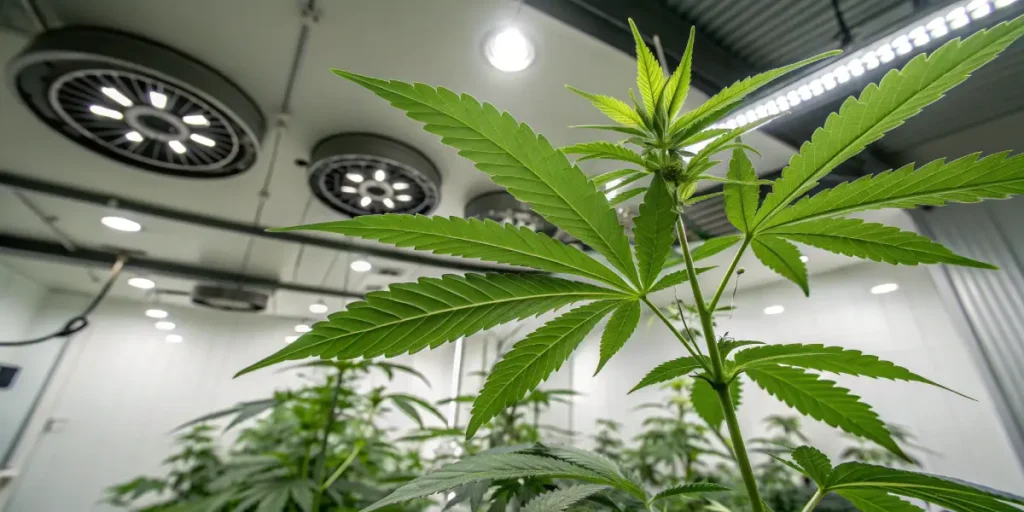
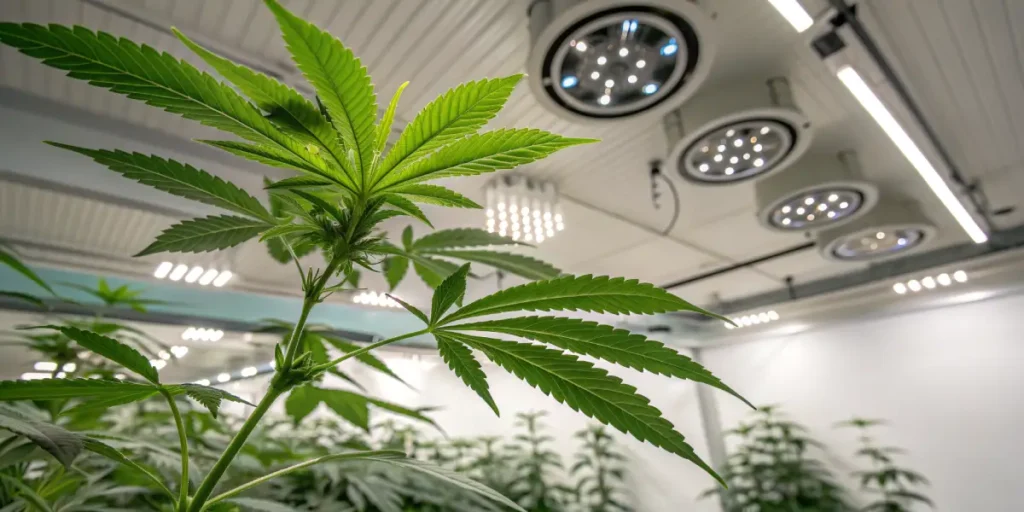
Installing a quality ventilation system is one of the most effective airflow strategies to prevent cannabis mold. This involves more than just placing a fan in the room. A comprehensive system includes intake and exhaust fans, carbon filters, and ducting to manage air exchange efficiently.
Intake fans bring in fresh air, while exhaust fans remove stale, humid air. This constant exchange keeps conditions ideal for growth. Carbon filters are crucial as they neutralize odors and purify the air. When setting up your system, position your exhaust near the top of the room to expel warm air, as heat rises.
Incorporating advanced technology, such as automated climate control systems, can further enhance your ventilation setup. These systems can adjust fan speeds and air exchange rates based on real-time environmental data, ensuring that the conditions within your grow room are always optimized for plant health and mold prevention.
Additionally, consider the use of air purifiers that can help to remove any mold spores or airborne pathogens from the environment. This added layer of protection can be particularly beneficial during the flowering stage when plants are most vulnerable to mold infestations due to increased humidity levels.
Practical Tips for Enhancing Airflow
Strategic fan placement is crucial. Position oscillating fans to cover different areas of the grow room. Avoid direct airflow on plants; instead, aim for movement that mimics a gentle breeze. This encourages strong stem development and reduces hot spots.
Consider your grow room layout. Crowded spaces restrict airflow, so plan your plant arrangement carefully. Leave enough space between plants to allow air circulation. For example, spacing your plants 12 inches apart can prevent air from getting trapped, reducing mold risk.
Another effective tip is to regularly rotate your plants. This ensures that each plant receives equal exposure to airflow, which can promote even growth and prevent any one area from becoming too humid or stagnant. Rotating plants can also help evenly distribute light, further promoting vigorous growth.
Additionally, keep your grow room clean and clutter-free. Dust and debris can obstruct airflow, and cluttered spaces can harbor moisture. Regularly cleaning the grow area not only improves airflow but also reduces the risk of pests and mold, contributing to healthier plants.
Choosing Mold-Resistant Cannabis Strains
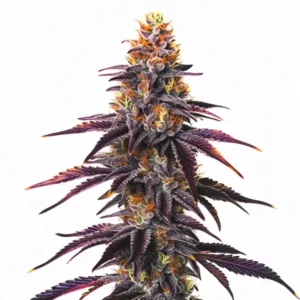
Some cannabis strains are naturally more resistant to mold, making them excellent choices for growers concerned about airflow optimization to prevent cannabis mold. Strains like Future #1 from Blimburn Seeds are known for their resilience. Its robust structure withstands various environmental stresses, including humidity.
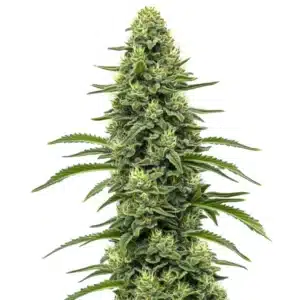
Another strong contender is Gelato, a strain that thrives in conditions where airflow is well-managed. Its dense buds can be a mold magnet if air circulation is poor, but with the right setup, it flourishes beautifully.
Explore strains that are bred specifically for high-humidity environments. These strains often have genetic traits that allow them to resist mold and mildew naturally. Incorporating such strains into your cultivation plan can significantly reduce the risk of mold issues.
When considering new strains, research their specific environmental needs. Knowing these requirements ensures that your airflow strategies to prevent cannabis mold are tailored to support the growth of these resilient varieties, maximizing both yield and plant health.
Routine Maintenance for Airflow Systems
Regular maintenance of your ventilation system ensures it runs smoothly and efficiently. Dust and debris can clog fans and filters, diminishing their effectiveness. Schedule routine checks to clean and replace components as needed.
Check for signs of wear and tear. Things like unusual noises or reduced airflow are indicators that something might be amiss. Addressing these issues promptly prevents bigger problems from developing.
Moreover, ensure that your ducting remains unobstructed. Over time, dust can accumulate, potentially reducing the efficiency of air exchange. Regularly inspecting and cleaning your ducts can help maintain optimal airflow conditions, crucial for preventing mold.
Consider establishing a maintenance log to track when components were last serviced or replaced. This proactive approach ensures that your system remains in peak condition, supporting your efforts in improving ventilation for cannabis mold prevention.
FAQs about airflow optimization to prevent cannabis mold
What are the early signs of mold in cannabis plants?
Early signs of mold can include discolored spots on leaves, a musty smell, or a powdery substance on the plant. These signs suggest that your airflow strategies to prevent cannabis mold need revisiting. Act quickly to improve ventilation and remove affected foliage.
Regular inspections are vital. Check your plants daily, especially during humid periods. Catching mold early can prevent it from spreading to the rest of your crop. Use this time to reassess your airflow optimization techniques and make necessary adjustments.
Besides to visual and olfactory signs, monitor plant health for any unusual wilting or slowed growth, which may indicate underlying mold issues. Addressing these symptoms early with improved airflow can mitigate the risk of widespread mold infestations.
Consult with other growers or experts if you’re uncertain about mold symptoms. Sharing experiences and solutions can provide valuable insights and potentially reveal advanced cannabis mold prevention airflow tips that can be applied to your setup.
How can I improve airflow in a small grow space?
In small spaces, maximizing airflow can be challenging but not impossible. Utilize compact oscillating fans to keep air moving. Placing fans at different heights can help circulate air throughout the space effectively.
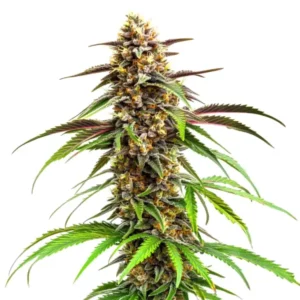
Consider vertical growing systems, which can make better use of limited space and improve air circulation around each plant. This approach can be particularly beneficial for strains like Blue Dream from Blimburn Seeds, which can adapt well to various growing setups.
Additionally, employing reflective materials on walls can enhance light distribution and reduce heat accumulation, indirectly aiding airflow. These materials can help by promoting a more even temperature distribution, lessening the reliance on intensive airflow measures.
Implementing a micro-climate monitoring system can also be beneficial in compact spaces. Such systems provide real-time insights into temperature and humidity, allowing for precise adjustments to your airflow strategies to prevent cannabis mold.
Are there specific times when airflow optimization is more important?
Airflow optimization is crucial throughout the growing cycle, but it becomes particularly important during the flowering stage. Plants are denser and more susceptible to mold during this phase, so ensuring effective airflow is vital.
During these times, consider increasing your fan speed or adding extra ventilation to accommodate the increased need. Monitoring humidity and temperature closely also helps you adjust your systems in real-time to prevent issues.
Seedling and vegetative stages also demand attention to airflow, albeit differently. During these stages, airflow helps in strengthening plant structures, preparing them for the heavier flowering phase. Regularly adjusting airflow settings ensures plants are neither stressed nor under-ventilated.
Transition periods between growth stages are a perfect time to reassess and modify your airflow setup. By adapting your cannabis cultivation airflow optimization techniques to suit each stage, you can ensure that your plants remain healthy and productive throughout their lifecycle.
What are the best tools for monitoring grow room conditions?
Investing in reliable hygrometers and thermometers is essential for monitoring your grow room’s environment. These tools help you track humidity and temperature, which are critical for mold prevention.
Advanced options include digital systems that can send alerts to your phone if conditions fall outside optimal ranges. These systems offer peace of mind, especially for first-time growers, by ensuring you can act quickly to maintain the perfect environment.
Consider integrating environmental controllers that automate adjustments to fans and ventilation based on real-time data. This technology ensures that your grow room conditions remain consistent, supporting your efforts in optimizing airflow in cannabis grow rooms.
Thermal imaging cameras are another innovative tool that can help identify hot spots in your grow room. By detecting areas of uneven temperature distribution, you can make informed decisions about fan placement and airflow adjustment, enhancing your cannabis mold prevention airflow tips.
Can natural ventilation be effective in preventing mold?
Natural ventilation can be effective, particularly in outdoor or greenhouse settings where air movement is less restricted. However, it may not be sufficient in enclosed spaces without some mechanical assistance.
For indoor setups, combining natural and mechanical ventilation often yields the best results. Using techniques like opening windows or vents during the day can supplement your existing system, enhancing airflow and reducing mold risk.
In hybrid setups, strategically placed vents can help facilitate passive airflow, reducing reliance on electrical systems and saving on energy costs. This can be particularly beneficial in regions where energy efficiency is a priority.
Incorporating natural elements, such as strategically placed plants that naturally aid in air purification, can complement your airflow optimization to prevent cannabis mold. These elements can work synergistically with mechanical systems to create a balanced and healthy growing environment.