How to Use Banana Water Fertilizer for Your Plants

Banana water fertilizer: This eco-friendly DIY fertilizer is crafted by soaking banana peels in water, releasing nutrients like potassium. While it offers a slight nutrient boost, its efficacy hinges on soil microorganisms breaking down the nutrients. Many growers note that banana water can enhance plant health, but it should complement, not replace, a full fertilization regimen.
Banana water fertilizer is a cost-effective way to nourish your plants, leveraging the potassium-rich content of banana peels. This method, while simple, requires understanding the role of soil microbes in nutrient breakdown. The process can enhance plant vigor, but it’s crucial to balance it with other fertilizers to meet your plants’ needs comprehensively.
Recommended Strains

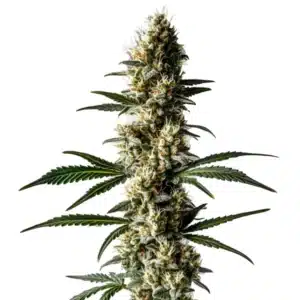
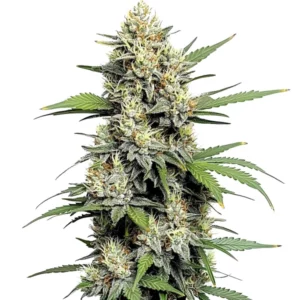
Lemon Tree

|
THC | 18% - 23% (Medium) |

|
Type | Feminized |

|
Yield | High |

|
Phenotype | 45% Indica / 55% Sativa |

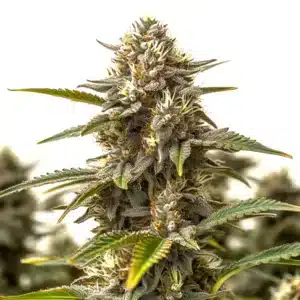
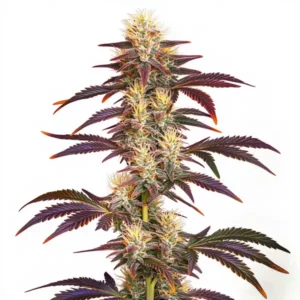
Yumbolt Banana
|
|
THC | 20% - 25% (High) |
|
|
Type | Feminized |
|
|
Yield | Low |
|
|
Phenotype | 60% Indica / 40% Sativa |
What is Banana Water Fertilizer?
Benefits of Banana Water Fertilizer
Banana water fertilizer provides a natural source of potassium, crucial for plant growth and development. Potassium helps in photosynthesis, water regulation, and enzyme activation, contributing to stronger stems and improved drought resistance. Experienced growers report that using banana water can enhance flowering and fruiting, particularly in potassium-loving plants like tomatoes and peppers.
In addition to potassium, banana water contains trace amounts of calcium and magnesium, which aid in cell wall formation and chlorophyll production. The growing community has communicated that these elements support overall plant health, enhancing resilience against pests and diseases. However, the nutrient concentration is mild, typically around 0.1-0.2% potassium, requiring supplementary fertilizers for optimal growth.
Promos & Deals


How to Make Homemade Banana Water Fertilizer
Step-by-Step Guide
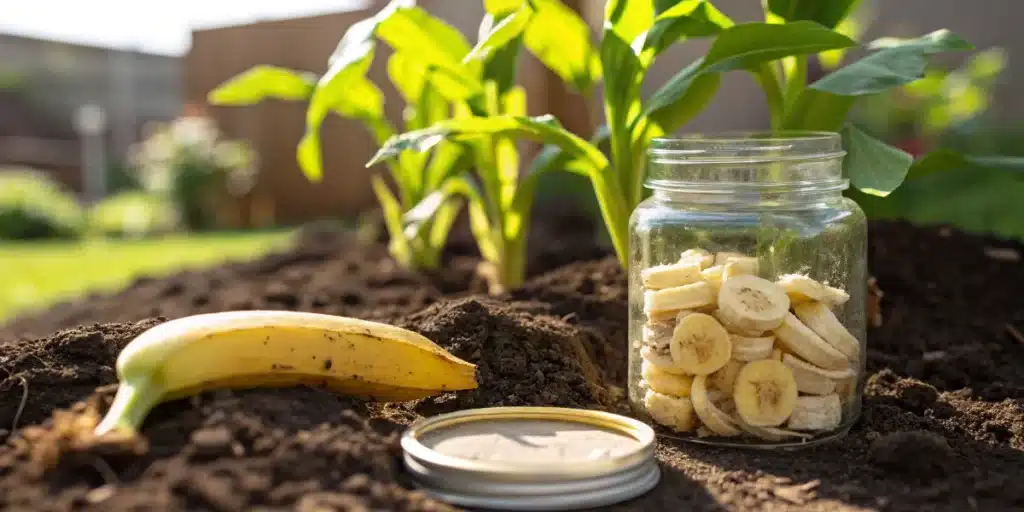
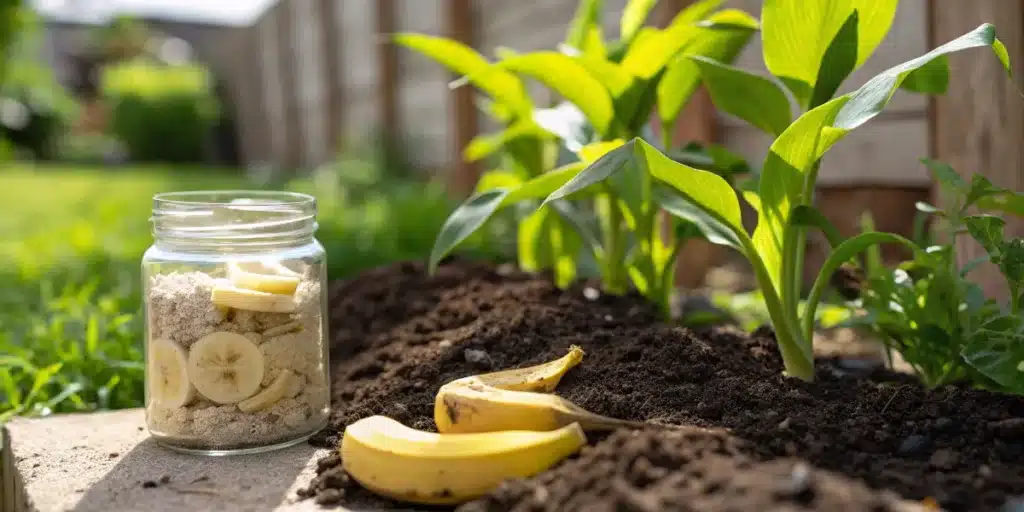
To make homemade banana water fertilizer, start by collecting banana peels from 3-4 bananas. Chop them into small pieces to increase the surface area for nutrient leaching. Place the peels in a jar and add 1 quart (approximately 1 liter) of water, ensuring the peels are fully submerged. Seal the jar and let it sit for 48-72 hours at room temperature.
After steeping, strain the liquid into a watering can, discarding the peels. The resulting banana peel fertilizer liquid is ready for use. Many cultivators share that this method is effective for providing a gentle nutrient boost during the growing season. However, it’s essential to use it within a week to prevent fermentation and odor issues.
How to Use Banana Water Fertilizer
Banana Water Fertilizer Ratio
When applying banana water fertilizer, a common ratio is 1:5, mixing one part banana water with five parts regular water. This dilution ensures that the nutrient concentration is safe for most plants, preventing potential root burn. Master growers have pointed out that this ratio works well for weekly applications during the growing season.
For best results, apply the diluted banana water directly to the soil around the base of the plants. Avoid wetting the foliage to reduce the risk of fungal diseases. The growing community recommends using this solution in the morning when plants are most active in nutrient uptake.
Myths and Facts About Banana Water for Plants
Banana Water for Plants Myth
A common myth is that banana water can replace all other fertilizers. While banana water offers benefits, it lacks nitrogen and phosphorus, essential for balanced plant nutrition. Many cultivators share that relying solely on banana water can lead to nutrient deficiencies, impacting plant growth and yield.
Another misconception is that banana water works instantly. In reality, its effectiveness depends on soil microorganisms breaking down the nutrients into plant-available forms. This process takes time, so patience and consistent application are key to seeing results.
Plants That Benefit from Banana Water
What Plants Should Not Be Watered with Banana Peel Water
While banana water is beneficial for many plants, some, like succulents and cacti, do not thrive with its use. These plants prefer dry, low-nutrient conditions and can suffer from overwatering or nutrient burn when banana water is applied. The growing community advises avoiding banana water for these species to prevent root rot and other issues.
On the other hand, potassium-loving plants such as tomatoes, peppers, and roses can benefit significantly from banana water. These plants require higher potassium levels for optimal flowering and fruiting, making banana water a suitable supplement in their care regimen.
Disadvantages of Banana Peel Liquid Fertilizer
One disadvantage of banana peel liquid fertilizer is its limited nutrient profile, primarily providing potassium with minimal nitrogen and phosphorus. This imbalance can lead to nutrient deficiencies if not supplemented with other fertilizers. Experienced growers report that relying solely on banana water can result in stunted growth and poor yields.
Another drawback is the potential for fermentation if the banana water is left to sit for too long. Fermented banana water can develop a strong odor and may harm plants if applied. To avoid this, use the fertilizer within a week of preparation and store it in a cool, dark place.
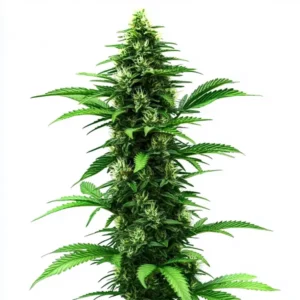
| Feature | Yumbolt Banana | Lemon Tree | Mochi Gelato |
|---|---|---|---|
| THC Content | 20-25% | 18-23% | 20-25% |
| Dominant Terpene | Myrcene | Limonene | Caryophyllene |
| Flavor Profile | Banana, Berry, Sweet | Citrus, Lemon | Earthy, Herbal, Sweet |
| Effect | Euphoric, Powerful, Relaxed | Energetic, Euphoric, Focused | Energetic, Euphoric, Happy |
| Growth Difficulty | Moderate | Easy | Moderate |
Professional Tips for Using Banana Water Fertilizer
- Maintain a 1:5 dilution ratio to prevent nutrient burn. This ensures a safe concentration for most plants.
- Apply in the morning when plants are most active in nutrient uptake. Avoid applying during the hottest part of the day.
- Use within a week to prevent fermentation. Fermented banana water can harm plants due to high acidity.
- Combine with a balanced NPK fertilizer to meet all nutritional needs. Banana water lacks nitrogen and phosphorus.
- Store in a cool, dark place to extend shelf life. Heat and light can accelerate fermentation.
- Test soil pH regularly to ensure nutrient availability. Banana water can slightly acidify the soil over time.
FAQs About Banana Water Fertilizer
What plants like banana water as fertilizer?
Plants that thrive with banana water fertilizer include tomatoes, peppers, and roses. These species benefit from the potassium boost, which enhances flowering and fruiting. Typically, these plants require potassium levels around 3-4% of their total nutrient intake, making banana water a suitable supplement.
What plants do not like banana peel water?
Succulents and cacti generally do not benefit from banana peel water. These plants prefer low-nutrient, arid conditions and can suffer from nutrient burn or root rot if overwatered. It’s advisable to avoid using banana water for these species to maintain their health.
How to make banana water fertilizer?
To make banana water fertilizer, steep chopped banana peels from 3-4 bananas in 1 quart (1 liter) of water for 48-72 hours. Strain the liquid and dilute it at a 1:5 ratio before application. This method provides a mild nutrient boost, particularly rich in potassium.
How often should I put banana water on my plants?
Apply banana water fertilizer once a week during the growing season. This frequency ensures a consistent nutrient supply without overwhelming the plants. Monitor plant response and adjust as needed, especially if other fertilizers are also being used.
Can banana water replace commercial fertilizers?
No, banana water cannot replace commercial fertilizers. It provides a mild potassium boost but lacks essential nutrients like nitrogen and phosphorus. For comprehensive plant nutrition, use banana water as a supplement alongside balanced commercial fertilizers.