Nutrient Lockout in Weed: Causes and Solutions

Nutrient Lockout in Cannabis: Cannabis plants experience nutrient lockout when roots fail to absorb essential nutrients, even if they are present. This often results from pH imbalances or salt buildup due to over-fertilization. Maintaining a soil pH of 6.5 or a hydroponic pH of 5.5–6.5 can prevent this issue, ensuring healthy growth and optimal yields.
Nutrient lockout in weed can severely impact your cannabis cultivation, leading to stunted growth and reduced yields. Recognizing the importance of terpenes, such as myrcene and limonene, is crucial in managing plant health. With flowering times ranging from 8 to 10 weeks, ensuring proper nutrient uptake is vital for a successful harvest.
Recommended Strains
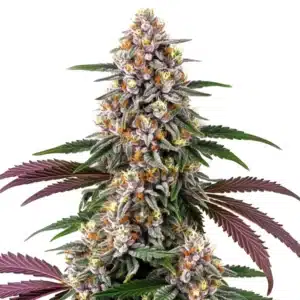
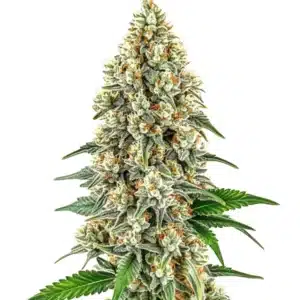
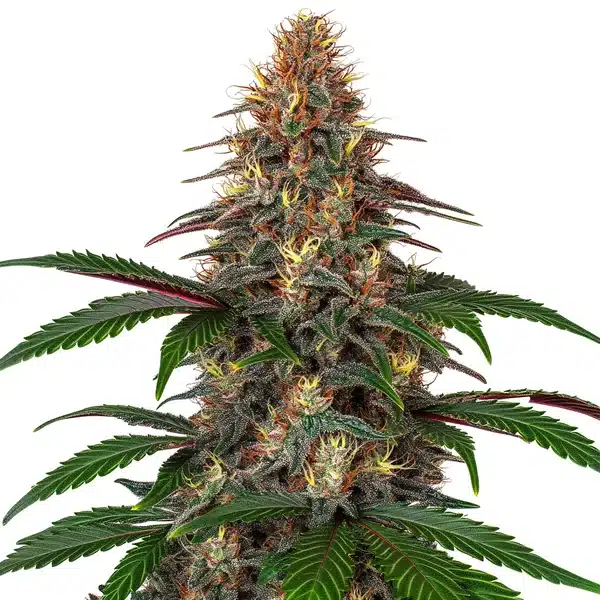
Purple Punch x Do-Si-Dos

|
THC | 14% - 18% (Medium) |

|
Type | Feminized |

|
Yield | Low |

|
Phenotype | 80% Indica / 20% Sativa |
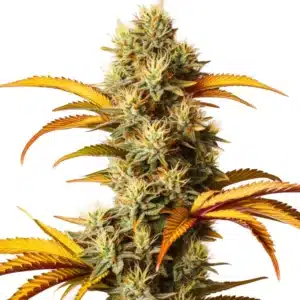
Cinderella 99 x Somango
|
|
THC | 16% - 20% (Medium) |
|
|
Type | Feminized |
|
|
Yield | High |
|
|
Phenotype | 40% Indica / 60% Sativa |
What is Nutrient Lockout in Weed?
Causes of Nutrient Lockout
Nutrient lockout occurs when cannabis plants are unable to absorb essential nutrients from the soil, even when they are present. This is often due to pH imbalances, which can disrupt the availability of nutrients. For soil, the optimal pH range is 6.5, while hydroponic systems require a pH of 5.5 to 6.5. Salt buildup from over-fertilization can also contribute to nutrient lockout, creating a barrier that prevents nutrient uptake.
Many growers on forums like Reddit discuss their experiences with nutrient lockout, highlighting common symptoms such as yellowing leaves and stunted growth. A nutrient lockout chart can be invaluable in diagnosing issues quickly. By regularly monitoring pH levels and adjusting nutrient solutions, you can prevent the onset of nutrient lockout.
Signs and Symptoms
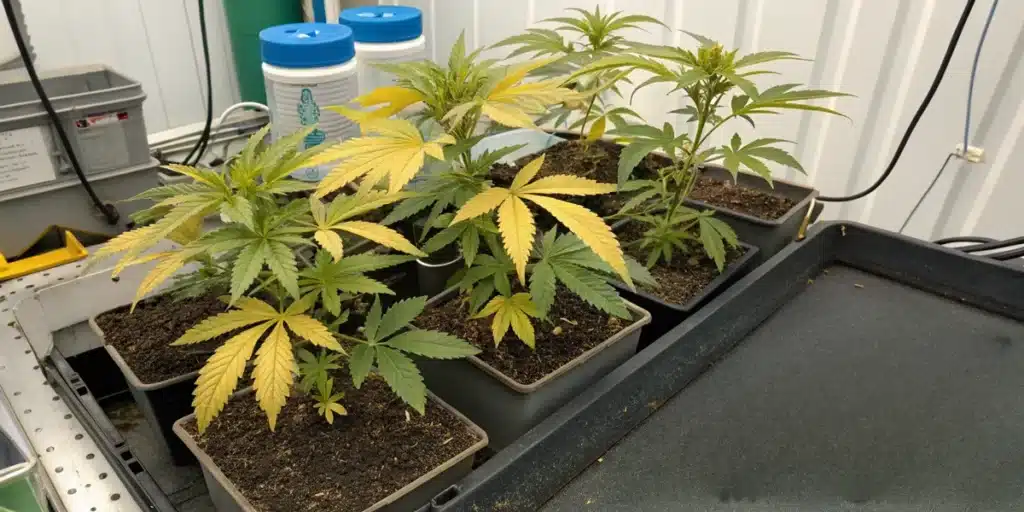
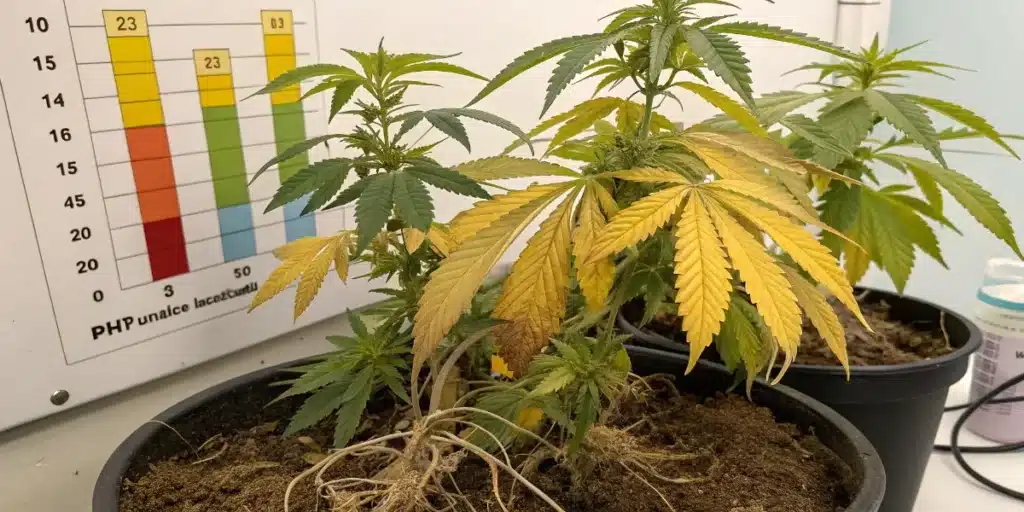
Identifying nutrient lockout early is crucial for maintaining plant health. Common signs include yellowing leaves, particularly at the tips, and slowed growth. Visual aids, such as nutrient lockout pictures, help in recognizing the problem early. Experienced growers report that nutrient deficiencies often mimic lockout symptoms, making accurate diagnosis essential.
Besides to yellowing, leaves may exhibit brown spots or curling, indicating a lack of specific nutrients like potassium or calcium. Refer to a comprehensive nutrient lockout chart for quick diagnosis. This tool can help differentiate between nutrient deficiencies and lockout, allowing for targeted interventions.
Promos & Deals

How to Identify Nutrient Lockout
Visual and Diagnostic Tools
Using a nutrient lockout chart is an effective way to diagnose and address nutrient issues in cannabis plants. These charts provide a visual representation of symptoms associated with specific nutrient deficiencies. By comparing your plants’ symptoms to the chart, you can quickly identify the root cause of the problem.
Visual aids, such as nutrient lockout pictures, are also valuable tools for growers. These images can help you recognize common signs of nutrient lockout, such as yellowing or browning leaves. By combining these tools with regular pH testing, you can ensure your plants receive the nutrients they need for optimal growth.
Community Insights and Experiences
Many growers share their experiences with nutrient lockout on platforms like Reddit, offering valuable insights and solutions. These discussions often highlight the importance of maintaining proper pH levels and avoiding over-fertilization. By learning from the experiences of others, you can avoid common pitfalls and ensure healthy plant growth.
In addition to online forums, consulting with experienced growers can provide practical advice on managing nutrient lockout. These experts can offer guidance on adjusting nutrient solutions and maintaining optimal growing conditions. By leveraging community knowledge, you can enhance your cultivation practices and achieve better results.
How to Fix Nutrient Lockout
Step-by-Step Guide
Treating nutrient lockout involves several steps that ensure the plant’s recovery. First, flush the growing medium with pH-balanced water to remove excess salts and reset nutrient levels. This process typically requires 2 to 3 times the volume of the container in water. After flushing, allow the medium to dry before reintroducing nutrients.
Next, prepare a nutrient solution with adjusted pH levels, ensuring it falls within the optimal range for your growing medium. Gradually reintroduce nutrients, starting with half-strength solutions to avoid over-fertilization. Monitor your plants closely for signs of recovery, such as new growth and improved leaf color.
Preventive Measures and Adjustments
Preventing nutrient lockout is often easier than treating it. Regularly test the pH of your growing medium and nutrient solutions to ensure they remain within the optimal range. Use a digital pH meter for accurate readings, and adjust your solutions as needed to maintain balance.
Besides to pH management, consider your choice of weed seeds. Some strains are more susceptible to nutrient lockout than others. Choosing the right weed seeds can also influence susceptibility to nutrient lockout. By selecting strains known for their resilience, you can reduce the risk of nutrient-related issues.
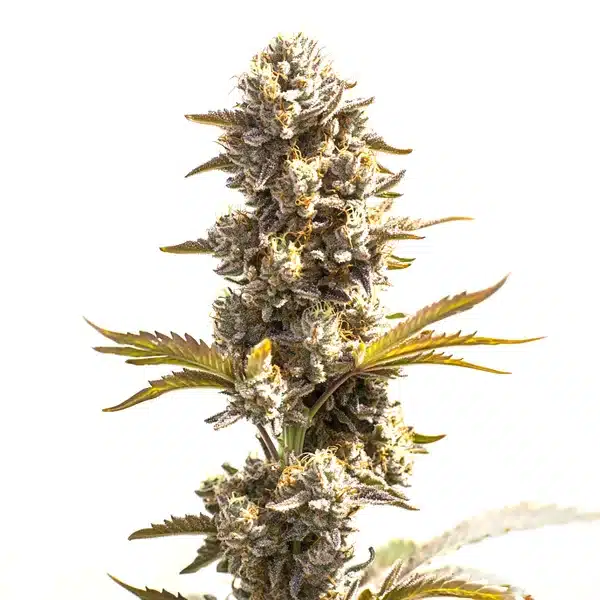
| Feature | Purple Punch X Do Si Dos | Cinderella 99 X Somango | Alien Rock Candy F1 |
|---|---|---|---|
| THC Content | 14-18% | 16-20% | 22-24% |
| Dominant Terpene | Myrcene | Limonene | Caryophyllene |
| Flavor Profile | Grape, Herbal, Pepper | Fruity, Kush, Sweet | Citrus, Fruity, Mint, Sweet |
| Yield (Indoor) | 0.66 – 0.82 oz/ft² | 200 – 250 g/m² | 1.31 – 1.64 oz/ft² | 400 – 500 g/m² | 1.64 – 2.13 oz/ft² | 500 – 650 g/m² |
| Flowering Time | 8-10 weeks | 8-10 weeks | 8-9 weeks |
Preventing Nutrient Lockout
Best Practices for Healthy Growth
To prevent nutrient lockout, maintain consistent pH levels and avoid over-fertilization. Regularly test your growing medium and nutrient solutions, adjusting as necessary to stay within the optimal pH range. This proactive approach can help ensure your plants receive the nutrients they need for healthy growth.
In addition to pH management, consider using high-quality cannabis seeds from reputable sources. Blimburn Seeds offers a wide selection of strains known for their resilience and high yields. By choosing the right seeds, you can reduce the risk of nutrient-related issues and achieve better results.
Nutrient Lockout Recovery Time
Knowing the nutrient lockout recovery time is crucial for planning your grow cycle. Recovery time can vary depending on the severity of the lockout and the steps taken to address it. Typically, plants begin to show signs of recovery within 7 to 14 days after corrective measures are implemented.
During the recovery period, monitor your plants closely for signs of improvement, such as new growth and healthier leaf color. Adjust your nutrient solutions and pH levels as needed to support recovery. By maintaining optimal growing conditions, you can minimize the impact of nutrient lockout and ensure a successful harvest.
Professional Tips for Preventing Nutrient Lockout
- Maintain a soil pH of 6.5 to prevent nutrient lockout. Deviating from this range can hinder nutrient uptake.
- Use a digital pH meter for accurate readings. Analog meters can be unreliable and lead to incorrect adjustments.
- Flush your growing medium with pH-balanced water every 4-6 weeks to prevent salt buildup.
- Choose strains known for resilience, such as those offered by Blimburn Seeds, to minimize nutrient lockout risks.
- Gradually reintroduce nutrients after flushing to avoid over-fertilization, starting at half-strength.
- Monitor your plants for signs of recovery, such as new growth and improved leaf color, within 7-14 days.
FAQs About Nutrient Lockout in Weed
How can I fix nutrient lockout in my cannabis plants?
To fix nutrient lockout, flush your plants with pH-balanced water to remove excess salts, then reintroduce nutrients gradually. Ensure the pH of your growing medium is within the optimal range: 6.5 for soil, 5.5–6.5 for hydroponics. Monitor your plants for signs of recovery, such as new growth, within 7 to 14 days.
What is the typical recovery time for nutrient lockout?
Recovery from nutrient lockout typically takes 7 to 14 days, depending on the severity and corrective actions taken. During this period, monitor your plants for signs of improvement, such as new growth and healthier leaf color. Adjust nutrient solutions and pH levels as needed to support recovery.
Is overwatering a potential cause of nutrient lockout?
Yes, overwatering can contribute to nutrient lockout by creating anaerobic conditions that hinder nutrient uptake. Excessive water can also lead to root rot, further complicating nutrient absorption. To prevent this, water your plants only when the top inch of soil feels dry and ensure proper drainage.
What are the signs of nutrient lockout in cannabis?
Signs of nutrient lockout include yellowing leaves, particularly at the tips, brown spots, and stunted growth. Leaves may also curl or exhibit other signs of distress. Use a nutrient lockout chart and visual aids to accurately diagnose and differentiate between nutrient deficiencies and lockout.
How to prevent nutrient lockout in cannabis plants?
Prevent nutrient lockout by maintaining optimal pH levels: 6.5 for soil and 5.5–6.5 for hydroponics. Regularly flush your growing medium with pH-balanced water to remove salt buildup. Choose resilient strains and monitor your plants closely for early signs of nutrient issues to ensure healthy growth.