Effective Techniques for Planting Clones

Planting clones is a crucial step in cannabis cultivation, offering a consistent start for your plants. To ensure success, maintain a high-humidity environment of 70-80% and stable temperatures between 70-75°F. Proper lighting and nutrient management are essential to encourage fast rooting and robust growth.
Preparing Your Grow Area
Essential Tools and Supplies
Starting with the right tools is essential for planting clones. You’ll need clean, sharp scissors or a blade, rooting hormone, and suitable grow trays or pots. Ensure you have high-quality soil or a growing medium, a pH meter, and a thermometer to maintain optimal conditions. A humidity dome is invaluable for retaining moisture, especially in the initial days when clones are most vulnerable.
Recommended Strains
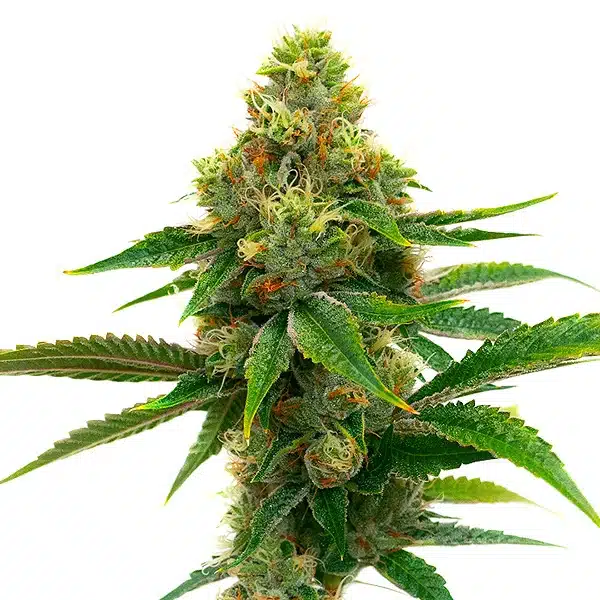
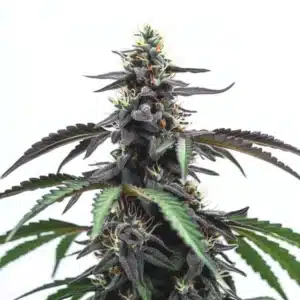
Banana Cream

|
THC | 28% - 30% (High) |

|
Type | Feminized |

|
Yield | Medium |

|
Phenotype | 70% Indica / 30% Sativa |

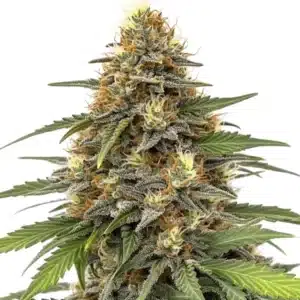
Banana Kush
|
|
THC | 17% - 21% (Medium) |
|
|
Type | Feminized |
|
|
Yield | High |
|
|
Phenotype | 60% Indica / 40% Sativa |
Using a humidity dome helps maintain moisture levels, crucial for clones that absorb water through their leaves until roots form. Keep these tools on hand to streamline the planting process and reduce the likelihood of transplant shock, setting your clones up for success.
Setting Up Ideal Lighting, Temperature, and Humidity
Creating the perfect environment involves managing light, temperature, and humidity. Clones need gentle, consistent light, typically 18 hours of light and 6 hours of darkness. Low-intensity lighting, like fluorescent or LED lights, works well. Temperatures should remain stable, ideally between 70-75°F (21-24°C), with humidity levels around 70-80% for the first week.
High humidity is essential as it allows clones to take in moisture through their leaves while roots develop. Using a humidity dome helps maintain this environment and prevents clones from drying out too quickly. This setup is crucial for encouraging root development and overall plant health.
Promos & Deals


How to Plant Clones
Steps to Planting Cannabis Clones
Begin by preparing your chosen medium and creating a hole slightly larger than the clone’s stem. Gently place the clone in the hole, ensuring not to damage the roots. Position the clone securely in the medium but avoid burying it too deeply, which can hinder growth. Lightly press the surrounding medium to hold the stem in place, promoting quicker establishment.
Ensuring that clones are well-positioned within the medium is one of the most effective steps in achieving healthy growth. This stability helps the roots make firm contact with the medium, encouraging faster establishment and robust development.
Watering Techniques for Newly Planted Clones
Watering is crucial for freshly planted clones. It’s best to water lightly, ensuring the medium is moist but not soaked. Overwatering can cause root rot, especially before roots are fully established. Use a spray bottle to mist the clones initially, as they absorb moisture through their leaves in the early stages.
Gradually transition to more conventional watering as the roots establish. Careful watering practices set the stage for healthy, resilient growth, preventing stress and ensuring the plant’s needs are met.
Nutrient Management for Clones
Essential Nutrients for Root Development
Healthy root development in clones depends on the right balance of nutrients, particularly phosphorus and potassium, which encourage root growth. Nitrogen, while important for foliage, should be applied sparingly at first to avoid overwhelming the young plants. Calcium and magnesium are also crucial, supporting cell structure and chlorophyll production.
Many growers incorporate a diluted, balanced nutrient solution in the early stages, allowing the clone to absorb nutrients gradually as roots develop and strengthen. This approach helps avoid nutrient burn and supports steady growth.
Feeding Clones After Transplant
Creating a fertilization plan helps avoid nutrient excess or deficiency, both of which can stunt clone growth. Start with a quarter-strength solution of your chosen nutrients, and gradually increase as the clone shows signs of established roots and active growth. Avoid heavy feeding until the plant is well-rooted.
Monitor the pH of both your medium and nutrient solution to ensure they stay within the ideal range (6.5 for soil). Proper pH ensures that nutrients remain available for uptake, which supports steady and predictable growth.
Troubleshooting Common Clone Issues
Clones Drooping After Transplant
Clones may droop after transplant due to shock or inadequate water absorption. Ensure the medium is moist but not waterlogged. Drooping can also result from low humidity, so maintaining a high-humidity environment is crucial. Using a humidity dome can help retain moisture and reduce stress.
Adjusting environmental conditions promptly can prevent long-term issues. If drooping persists, check for root development and adjust watering practices accordingly. Proper care and monitoring are essential to ensure clones recover quickly and continue to grow healthily.
Clones Look Healthy but No Roots
If clones appear healthy but show no root development, the issue may lie in the rooting medium or environmental conditions. Ensure the medium is suitable for rooting and that the pH is within the ideal range. High humidity and proper temperature are vital for root formation.
Consider using a rooting hormone to stimulate root growth. If the problem persists, reassess the environmental setup and make necessary adjustments to encourage root development.
| Feature | Z OG | Critical X Cheese Candy | Green Crack X Do Si Dos |
|---|---|---|---|
| THC % | 22-25% | 20-23% | 21-24% |
| Dominant Terpene | Limonene | Caryophyllene | Myrcene |
| Flavor Profile | Sweet, Fruity | Cheesy, Sweet | Citrus, Earthy |
| Effect | Relaxing | Euphoric | Energetic |
| Grow Difficulty | Moderate | Easy | Moderate |
Professional Tips for Planting Clones
- Maintain 70-80% humidity during the first week for optimal root development. This prevents clones from drying out and encourages moisture absorption through leaves.
- Keep temperatures between 70-75°F (21-24°C) to promote healthy growth. Avoid fluctuations that can stress the clones and slow root development.
- Use a rooting hormone to accelerate root formation. This is particularly useful if clones appear healthy but lack root development.
- Ensure the pH of the growing medium is between 6.5 for soil. This range allows for optimal nutrient uptake and prevents deficiencies.
- Start with a quarter-strength nutrient solution and increase gradually. Overfeeding can cause nutrient burn, especially in young clones.
- Use a humidity dome to maintain moisture levels and reduce stress. Remove the dome periodically to allow fresh air in and prevent mold.

FAQs on Planting Clones
How do you plant clones?
To plant clones, prepare your growing medium and create a hole slightly larger than the clone’s stem. Place the clone gently, ensuring the roots are not damaged. Lightly press the medium around the stem for stability. Maintain a high-humidity environment of 70-80% and stable temperatures between 70-75°F for optimal growth.
How many clones can you take from one plant?
The number of clones you can take from a single plant depends on its size and health, typically ranging from 5 to 20 cuttings. Healthy mother plants with robust growth allow for more clones. Ensure each cutting has at least two nodes to increase the chances of successful rooting.
What are the negatives of plant cloning?
Plant cloning can lead to genetic uniformity, making plants more susceptible to pests and diseases. Clones may also inherit any weaknesses of the mother plant. Additionally, over time, cloned plants can experience reduced vigor and yield compared to plants grown from seed.
How long do clones take to get roots?
Cannabis clones typically take 10 to 14 days to develop roots under optimal conditions. Factors such as temperature, humidity, and the use of rooting hormones can influence rooting time. Maintaining a stable environment with high humidity and proper lighting encourages faster root development.
Can clones be grown outdoors?
Yes, cannabis clones can be grown outdoors, provided they are acclimated to outdoor conditions gradually. Start by exposing them to outdoor light for a few hours each day, increasing exposure over a week. Ensure the outdoor environment meets temperature and humidity needs for successful growth.