Optimal Storage Conditions to Prevent Terpene Oxidation

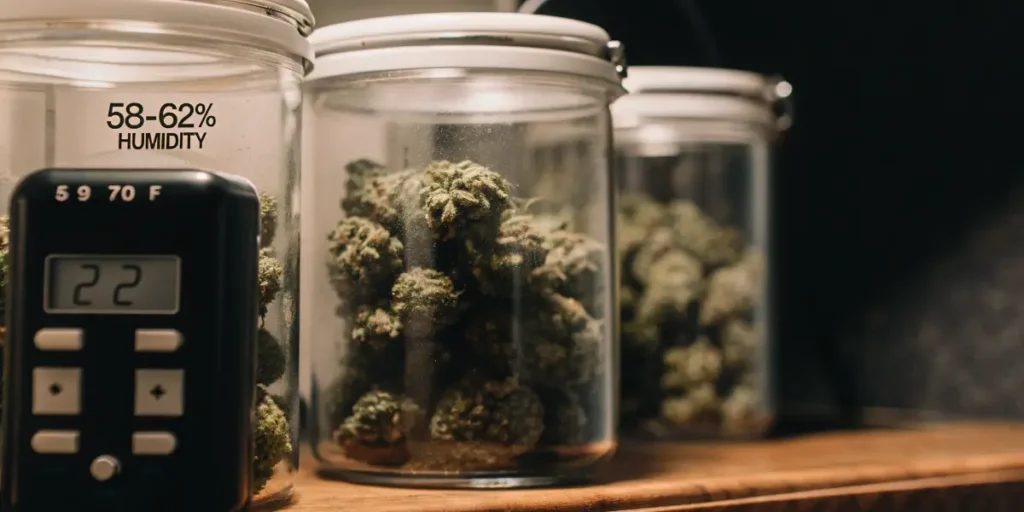
Preserve Terpenes and VOCs: To prevent terpene oxidation and volatile organic compound (VOC) degradation, maintaining proper storage conditions to prevent terpene oxidation VOCs is essential. Ideal conditions include temperatures between 59°F and 70°F (15°C to 21°C) and relative humidity levels of 58-62%. These parameters help maintain the aromatic and therapeutic qualities of cannabis, ensuring optimal freshness and potency over time.
Terpenes are vital for the aroma and therapeutic effects of cannabis, making their preservation crucial. Maintaining a consistent temperature and humidity level can significantly impact the longevity of these compounds. For instance, terpenes like Myrcene and Limonene are sensitive to heat, which can cause them to evaporate, diminishing the quality of your cannabis.
Recommended Strains

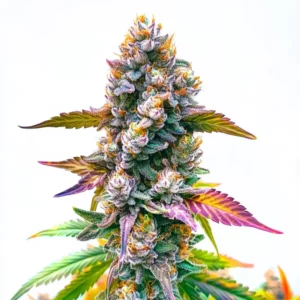
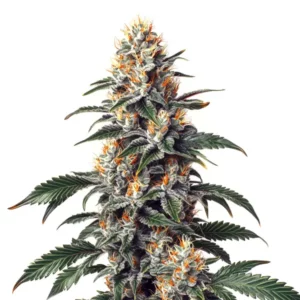
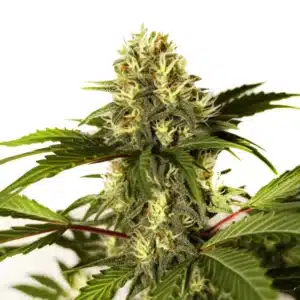
Fat Bastard

|
THC | 30% - 38% (High) |

|
Type | Feminized |

|
Yield | High |

|
Phenotype | 50% Indica / 50% Sativa |

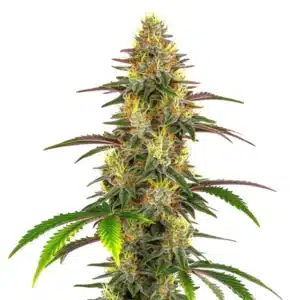
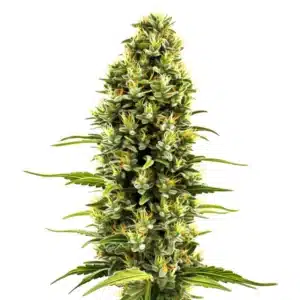
Super Lemon Haze
|
|
THC | 19% (Medium) |
|
|
Type | Feminized |
|
|
Yield | High |
|
|
Phenotype | 20% Indica / 80% Sativa |
Terpene Oxidation Explained
What Are Terpenes and VOCs?
Terpenes are aromatic compounds found in cannabis that contribute to its unique scent and therapeutic effects. They interact with cannabinoids to enhance the overall experience through the entourage effect. Volatile organic compounds (VOCs) are responsible for the fragrance and flavor profiles, with terpenes being a major component. For example, Myrcene, often found in strains like Super Lemon Haze, offers earthy and musky aromas, enhancing relaxation.
Knowing the function of terpenes and VOCs in cannabis is crucial for maintaining product quality. These compounds are sensitive to environmental factors such as temperature, light, and air exposure. When exposed to unfavorable conditions, terpenes can oxidize, leading to a loss of potency and flavor. Proper storage is essential to prevent this degradation.
Why Terpene Oxidation Matters
Terpene oxidation affects both the sensory and therapeutic attributes of cannabis. Proper storage conditions to prevent terpene oxidation VOCs are essential for maintaining aroma, flavor, and cannabinoid integrity over time. Oxidized terpenes lose their aromatic potency and can alter the flavor profile of the strain. This process also diminishes the potential health benefits associated with terpenes, such as anti-inflammatory and analgesic properties. For instance, Caryophyllene, known for its spicy aroma, can lose its effectiveness if not stored correctly.
To maintain the integrity of terpenes, it is essential to store cannabis in airtight containers away from light and heat. This practice helps preserve the desired effects and flavors, ensuring a consistent and enjoyable experience. Utilizing proper storage techniques can significantly extend the shelf life of cannabis products.
Promos & Deals
Ideal Storage Conditions for Cannabis
Temperature and Humidity Control
Maintaining optimal temperature and humidity levels is critical for preserving terpenes and VOCs. Cannabis should be stored at temperatures between 59°F and 70°F (15°C to 21°C) to prevent terpene evaporation. Relative humidity should remain within 58-62% to avoid mold growth and maintain freshness. A digital hygrometer can help monitor these conditions accurately.
Fluctuations in temperature and humidity can accelerate the degradation of terpenes, leading to a loss of potency and flavor. Consistent environmental conditions are necessary to preserve the aromatic and therapeutic qualities of cannabis. Investing in a climate-controlled storage solution can ensure these parameters are maintained over time.
Light and Air Exposure
Light exposure is one of the primary factors contributing to terpene degradation. UV rays can break down terpenes and cannabinoids, reducing the overall quality of cannabis. Proper storage conditions to prevent terpene oxidation VOCs are essential for maintaining aroma, potency, and freshness over time. To prevent degradation, store cannabis in opaque containers that block out light. Amber glass jars are a popular choice for their ability to protect against UV exposure.
Air exposure can also lead to terpene oxidation, as oxygen accelerates the degradation process. Airtight containers are essential for minimizing air contact and preserving the freshness of cannabis. Vacuum-sealed bags or jars with rubber gaskets can effectively prevent air infiltration, maintaining the integrity of terpenes and VOCs.
Practical Tips to Preserve Terpenes
Packaging Solutions
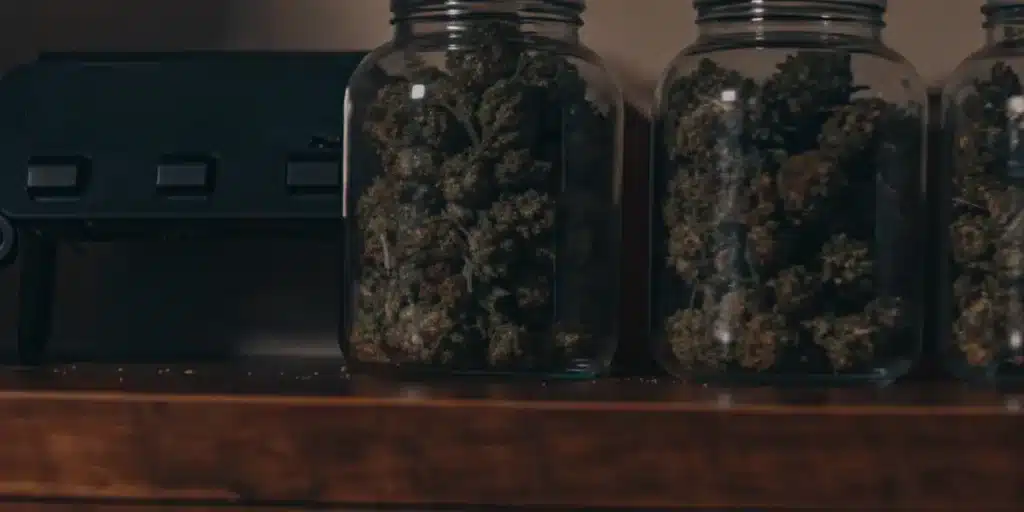
Choosing the right packaging is crucial for maintaining terpene integrity. Glass jars with airtight seals are ideal for long-term storage, as they prevent air and moisture from entering. For short-term storage, vacuum-sealed bags can effectively minimize air exposure. Both options protect against light and temperature fluctuations, which are detrimental to terpene preservation.
Plastic containers should be avoided due to their permeability, which can lead to terpene loss. Additionally, plastic can impart unwanted flavors to cannabis. Always opt for high-quality packaging materials that provide a barrier against environmental factors. Proper packaging is a simple yet effective way to extend the shelf life of cannabis products.
Long-term vs Short-term Storage
For long-term storage, maintaining a stable environment is key. Use amber glass jars stored in a cool, dark place to protect against light and temperature changes. Regularly check the humidity levels with a hygrometer to ensure they remain within the optimal range. This approach can preserve terpenes for up to a year.
Short-term storage requires less stringent conditions but still benefits from controlled environments. Keep cannabis in a dark, cool place, and use airtight containers to prevent air exposure. This method is suitable for products that will be consumed within a few months, maintaining their freshness and potency.
Common Mistakes in Cannabis Storage
Avoiding Temperature Fluctuations
Temperature fluctuations can accelerate terpene degradation and affect cannabis quality. Proper storage conditions to prevent terpene oxidation VOCs are essential for maintaining aroma, flavor, and overall potency. Avoid storing cannabis near heat sources or in areas with significant temperature changes, such as kitchens or bathrooms. Consistent temperatures between 59°F and 70°F (15°C to 21°C) are essential for preserving terpenes.
Many growers mistakenly store cannabis in refrigerators, where temperatures can drop below optimal levels, leading to moisture condensation and mold growth. Instead, choose a stable environment away from direct sunlight and heat. Proper temperature management is crucial for maintaining the desired effects and flavors of cannabis.
Incorrect Container Use
Using the wrong container can compromise the quality of cannabis. Containers that are not airtight can allow air and moisture to enter, leading to terpene oxidation. Always use containers with tight seals, such as glass jars with rubber gaskets, to prevent air infiltration. Proper storage is especially important for resin-rich strains like Fat Bastard, helping preserve their strong aroma, potency, and terpene profile during curing.
Plastic containers are often used due to convenience, but they can be detrimental to terpene preservation. Plastic is permeable and can leach chemicals into cannabis, altering its flavor and aroma. Opt for glass or metal containers to ensure the best protection against environmental factors.
Professional Tips for Cannabis Storage
- Maintain 58-62% RH during storage. Below 55% can dry out terpenes; above 65% promotes mold growth. Use a digital hygrometer for accuracy.
- Store cannabis at 59-70°F (15-21°C). Temperatures above 70°F accelerate terpene evaporation, reducing potency.
- Use amber glass jars to block UV light. UV exposure degrades terpenes and cannabinoids, affecting quality.
- Avoid plastic containers. Plastic can leach chemicals and alter cannabis flavor. Opt for glass or metal for better preservation.
- Check seals on containers regularly. Airtight seals prevent air exposure, maintaining terpene integrity.
- Keep cannabis in a dark, cool place. Light and heat accelerate degradation, diminishing effects and aroma.
FAQs about storage conditions to prevent terpene oxidation VOCs
What temperature destroys terpenes?
Terpenes can begin to degrade at temperatures above 70°F (21°C). High temperatures accelerate the evaporation of these compounds, leading to a loss of aroma and potency. To preserve terpenes, store cannabis at temperatures between 59°F and 70°F (15°C to 21°C) in a controlled environment.
Should terpenes be refrigerated?
Refrigeration is not recommended for storing cannabis due to potential temperature fluctuations and moisture condensation. These conditions can lead to mold growth and terpene degradation. Instead, store cannabis in a cool, dark place at consistent temperatures between 59°F and 70°F (15°C to 21°C).
How do you preserve terpenes?
To preserve terpenes, store cannabis in airtight containers at temperatures between 59°F and 70°F (15°C to 21°C) with 58-62% relative humidity. Use opaque containers to block light and prevent degradation. Regularly monitor storage conditions with a hygrometer to ensure optimal preservation.
What destroys terpenes?
Terpenes are destroyed by exposure to heat, light, and air. High temperatures cause evaporation, while UV light breaks down these compounds. Air exposure leads to oxidation, diminishing aroma and potency. Proper storage in airtight, opaque containers can prevent these factors from degrading terpenes.
Can terpenes be restored after degradation?
Once terpenes degrade, they cannot be restored. The loss of aroma and potency is permanent. To prevent degradation, store cannabis in optimal conditions with controlled temperature, humidity, and light exposure. Proactive storage measures are essential for maintaining terpene integrity.