Best Terpenes for Anxiety and Depression

Quick answer: The terpenes most associated with easing anxiety and low mood are linalool (calming, lavender-like), myrcene (soothing, sedating), caryophyllene (stress-easing, peppery), limonene (uplifting, citrus) and, for a clearer head, pinene. They work alongside cannabinoids as part of the entourage effect, so calming, terpene-rich strains are often chosen for relaxation. Evidence is still early, and this is general information, not medical advice, speak to a professional about anxiety or depression.
Terpenes, the aromatic compounds that give each cannabis strain its smell and character, are increasingly discussed for their possible role in mood and relaxation. While cannabinoids like THC and CBD get most of the attention, certain terpenes are associated with calming, stress-easing effects, which is why people ask which terpenes are ‘best’ for anxiety and depression.
Recommended Strains

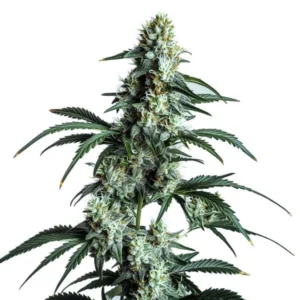
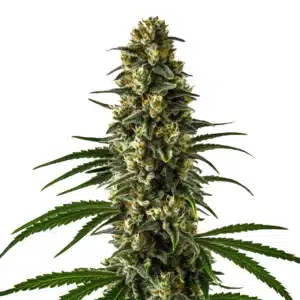
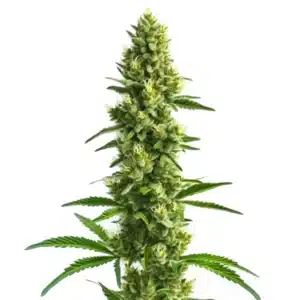
Blue Dream

|
THC | 17% - 24% (High) |

|
Type | Feminized |

|
Yield | High |

|
Phenotype | 50% Indica / 50% Sativa |

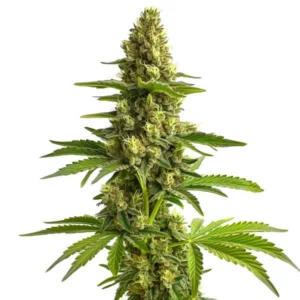
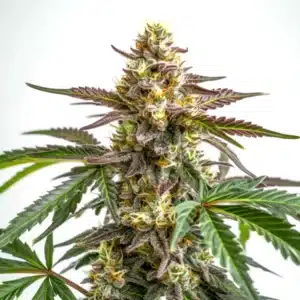
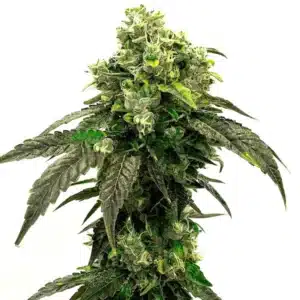
Blue Dream Autoflower
|
|
THC | 10% - 13% (Low) |
|
|
Type | Autoflowering |
|
|
Yield | Medium |
|
|
Phenotype | 30% Indica / 70% Sativa |
This guide looks at the terpenes most linked to relaxation and mood, how they are thought to work, and which strains tend to be rich in them. A crucial caveat up front: this is general, educational information, not medical advice, the research is early, effects vary, and cannabis can actually worsen anxiety for some people. Anyone struggling with anxiety or depression should speak to a qualified professional.
| Terpene | Associated with |
|---|---|
| Linalool | Calming, lavender-like; relaxation and stress relief |
| Myrcene | Sedating, soothing; relaxation |
| Limonene | Uplifting, mood-brightening (citrus) |
| Caryophyllene | Calming, stress-easing (peppery) |
| Pinene | Clear-headed; may offset some anxiety |
Terpenes That May Soothe Anxiety
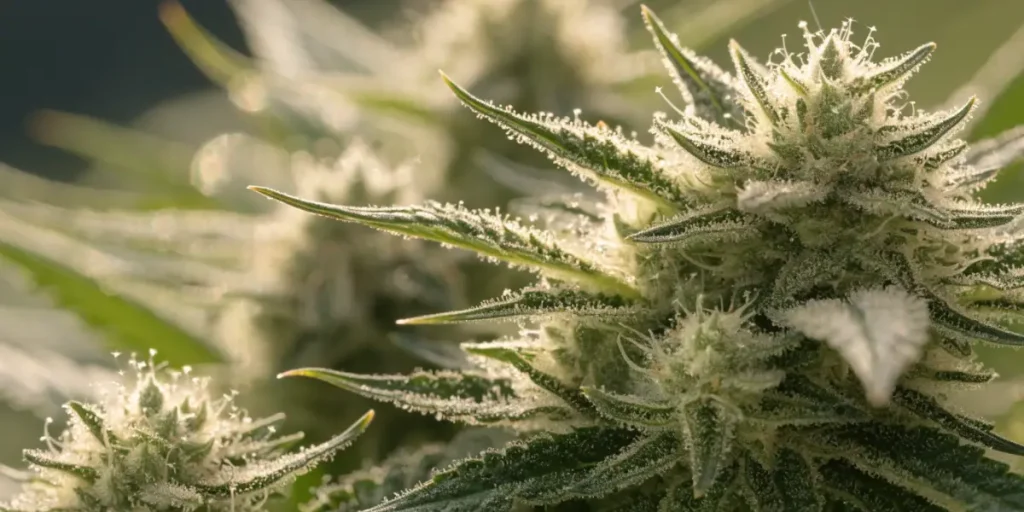
A handful of terpenes come up again and again for relaxation. Linalool, the lavender terpene, is the headline act, long associated with calming, soothing effects. Myrcene, common in many indica-leaning strains, is linked to a sedating, body-relaxing feel, while caryophyllene (the peppery terpene that also interacts with the body’s CB2 receptors) is associated with stress relief. Citrusy limonene is more uplifting and mood-brightening, which can help with low mood rather than racing anxiety.
These terpenes rarely act alone; they combine with each other and with cannabinoids in the entourage effect to shape a strain’s overall feel. That is why a strain’s full profile matters more than any single compound. For deeper dives, see our guides on linalool and caryophyllene.
Promos & Deals
Terpenes (and Doses) to Approach with Caution
Not every terpene or strain suits anxiety, and this is where honesty matters. Some people find that very high-THC strains, or strains heavy in certain terpenes, actually increase anxiety or paranoia rather than easing it, and individual responses vary a lot. Terpinolene-forward, racy sativas, for instance, can feel stimulating in a way that unsettles anxious users.
The practical, cautious approach is to favour balanced or CBD-containing strains with calming terpene profiles, start with a low dose, and pay attention to how you actually feel. Most importantly, cannabis is not a treatment for clinical anxiety or depression, and it can interact with medications or worsen symptoms for some. This is general information only; please consult a healthcare professional for diagnosis or treatment.
How to Use Terpenes for Mood (Sensibly)
If you want to lean on calming terpenes, the practical approach is to choose strains by their full profile rather than a single compound, and to start low. Balanced or CBD-containing strains with soothing terpenes (linalool, myrcene, caryophyllene) tend to be gentler than high-THC, racy ones, and a low dose lets you gauge your personal response before taking more. Smell can be a useful guide: soft, floral, earthy aromas often signal a calming profile.
Just as important is managing expectations. Terpenes may contribute to a relaxing feel, but they are not a treatment, and the same strain can affect two people differently. Pay attention to how you actually feel, keep doses modest, and avoid relying on cannabis to manage persistent anxiety or low mood. This is general information, not medical advice; a healthcare professional is the right source for real help.
Strains Rich in Calming Terpenes
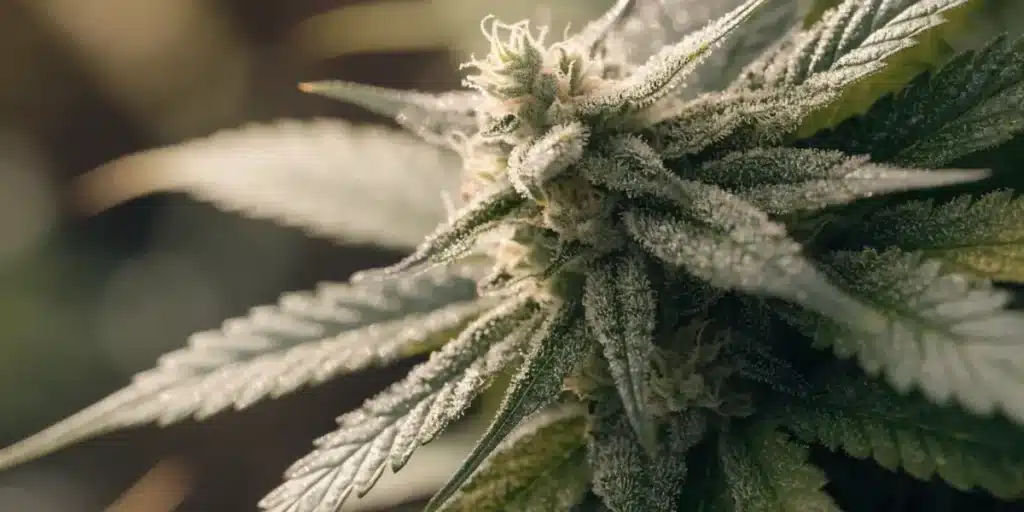
Strains chosen for relaxation often feature the calming terpenes above. Myrcene-heavy, indica-leaning varieties are classic for a soothing, body-relaxing feel; lavender-scented, linalool-forward strains lean calm and floral; and caryophyllene-rich, peppery strains are popular for easing tension. Citrusy, limonene-forward strains are better when low mood rather than racing anxiety is the issue, as they lean uplifting.
Because effects depend on the whole chemical profile and the dose, and because high-THC strains can worsen anxiety for some, many people find balanced THC:CBD strains with these terpenes the most comfortable starting point. Terpene content varies by phenotype and grow, so check a lab report when you can. For single-terpene detail, see our guides on linalool and caryophyllene linked above. This is general information, not medical advice.
FAQs Best spray Terpenes for Depression and Anxiety
What are the best terpenes for anxiety?
The terpenes most associated with calming effects are linalool (lavender-like), myrcene (soothing), caryophyllene (stress-easing) and, for low mood, uplifting limonene. They work with cannabinoids through the entourage effect. Responses vary, and cannabis can worsen anxiety for some. This is general information, not medical advice, consult a professional about anxiety.
What are calming terpenes?
Calming terpenes are aromatic compounds associated with relaxation, mainly linalool, myrcene and caryophyllene, with limonene lifting mood. They are found in many relaxing cannabis strains and in plants like lavender. They contribute to a soothing feel as part of the entourage effect, though research is early. Not medical advice.
Can terpenes make anxiety worse?
They can, indirectly. Some strains, especially very high-THC or racy, terpinolene-forward ones, increase anxiety or paranoia for some people, and responses vary widely. Favour balanced or CBD-containing strains with calming terpene profiles, start low, and notice how you feel. Cannabis is not a treatment for anxiety; consult a healthcare professional.
What terpenes are best for relaxation and sleep?
Myrcene (soothing, sedating), linalool (calming, lavender-like) and caryophyllene (stress-easing) are most associated with relaxation, and are common in indica-leaning strains chosen for unwinding or sleep. They work alongside cannabinoids through the entourage effect. Responses vary and research is early, so this is general information, not medical advice.
Does CBD or THC matter more than terpenes for anxiety?
Cannabinoids and terpenes work together. CBD is generally better tolerated for anxiety and can offset some of THC’s anxious edge, while high THC can worsen anxiety for some people. Calming terpenes may support a relaxing feel, but the cannabinoid balance matters a lot. Start low, favour balanced strains, and consult a professional. Not medical advice.