Old School Skunk Seeds: Cultivation and History

Old school skunk seeds: These seeds are a cornerstone of cannabis cultivation, renowned for their potent aroma and balanced effects. Originating from a blend of Colombian Gold, Acapulco Gold, and Afghani genetics, they offer a flowering period of 8-10 weeks. Ideal for both novice and experienced growers, they promise high yields and robust growth with proper care.
Old school skunk seeds are legendary in cannabis circles, celebrated for their distinct aroma and balanced high. Emerging from the genetic fusion of Colombian Gold, Acapulco Gold, and Afghani strains in the 1970s, they offer a unique terpene profile. With a flowering time of 8-10 weeks, these seeds are perfect for growers seeking both quantity and quality. Old-school fans often enjoy newer sweet picks like Candy Cones and the retro 90s strains.
Recommended Strains

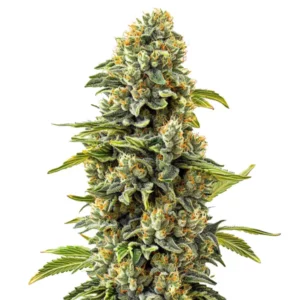
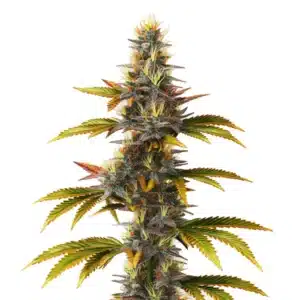
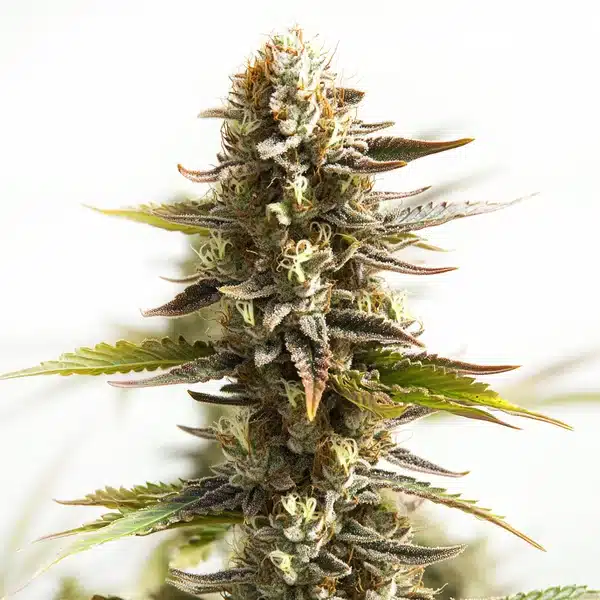
Northern Lights Autoflower F1

|
THC | 14% - 20% (Medium) |

|
Type | Autoflowering F1 |

|
Yield | High |

|
Phenotype | 80% Indica / 20% Sativa |
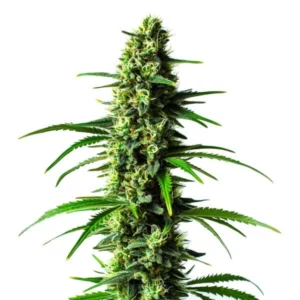
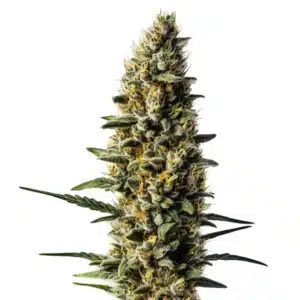
Northern Lights Mazar Auto
|
|
THC | 15% - 22% (Medium) |
|
|
Type | Autoflowering |
|
|
Yield | Medium |
|
|
Phenotype | 75% Indica / 25% Sativa |
Old School Skunk Seeds: Genetic Origins and Distinctive Traits
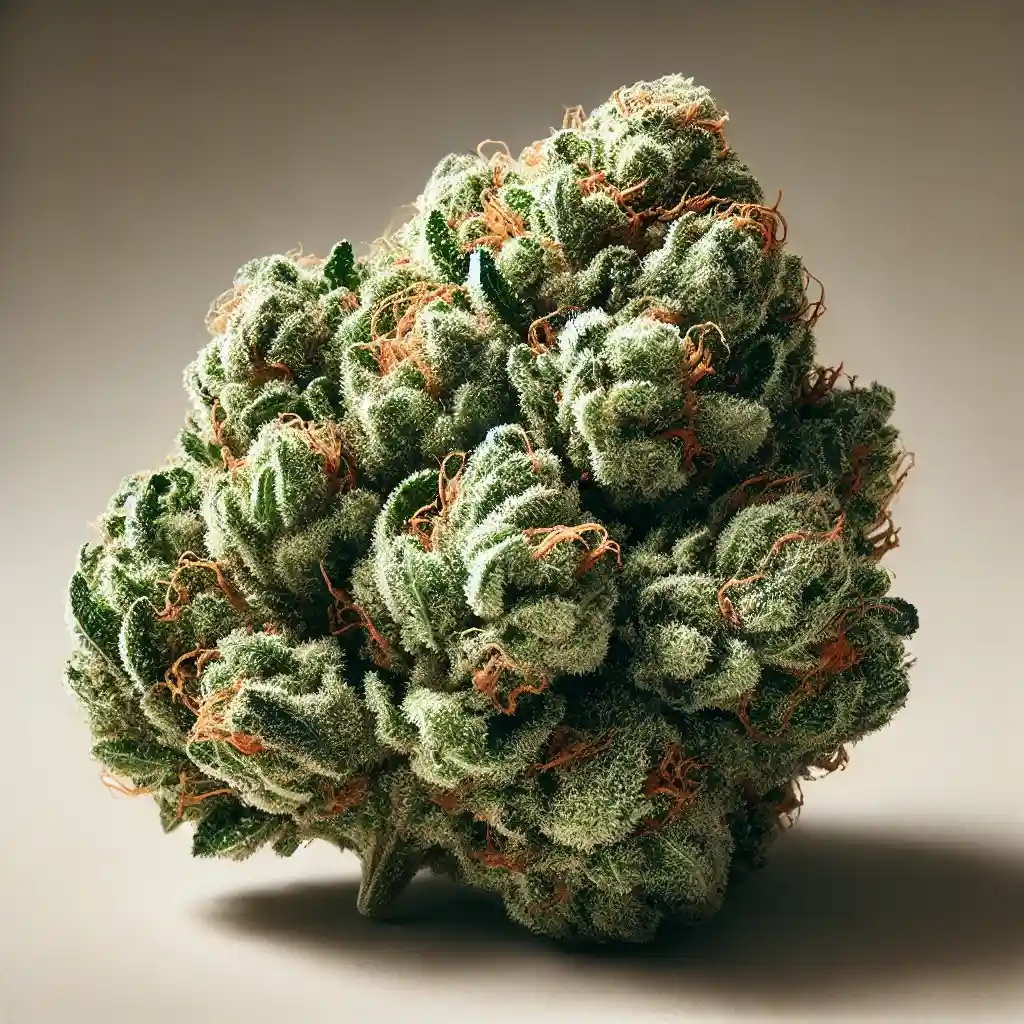
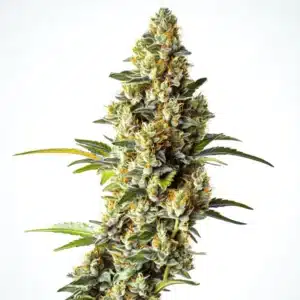
Old school skunk seeds trace their roots back to the 1970s, combining Colombian Gold, Acapulco Gold, and Afghani genetics. This blend results in a strain with a distinct aroma, often described as a pungent mix of earthy musk and sweet, sour notes. The high concentration of terpenes like myrcene (0.8-1.2%) and caryophyllene (0.4-0.7%) contributes to its unique scent and therapeutic effects.
Myrcene enhances THC uptake, promoting a stronger psychoactive experience, while caryophyllene interacts with CB2 receptors to reduce inflammation. The robust genetics of these seeds ensure resilience against pests and diseases, making them a favorite among growers. With a flowering period of 8-10 weeks, these seeds yield dense, trichome-rich buds.
Promos & Deals
Practical Cultivation Insights for Old School Skunk Seeds
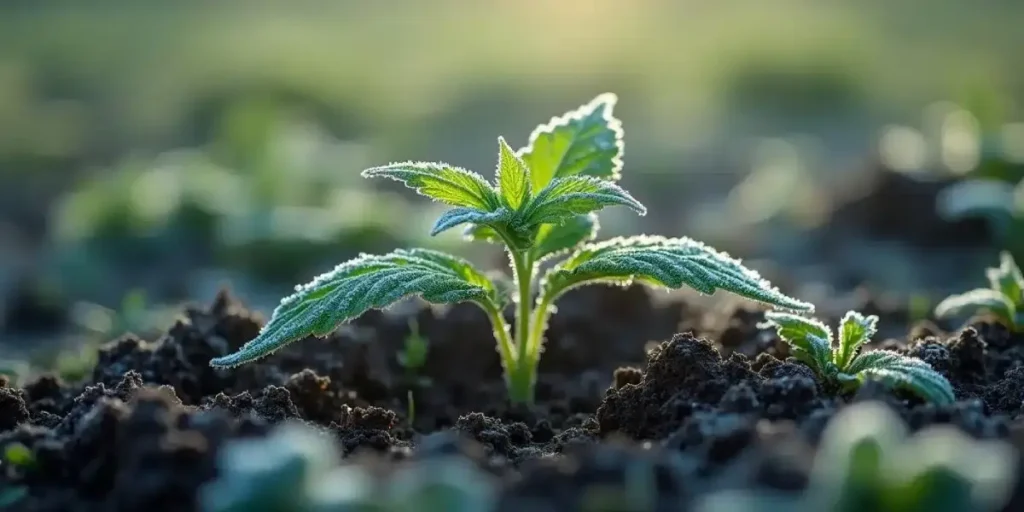
Growing old school skunk seeds requires attention to detail. They thrive in temperatures between 70-85°F (21-29°C) with humidity levels maintained at 40-50%. Indoor cultivation benefits from a 12/12 light schedule during flowering, while outdoor growth requires ample sunlight and protection from harsh weather.
To maximize yield, use a nutrient regimen with an N:P:K ratio of 3:1:2 during vegetative growth and 1:3:2 during flowering. Avoid overfeeding, as nutrient burn can impact plant health. Regular pruning and training techniques like topping and the Screen of Green (ScrOG) method enhance light exposure and promote even growth.
| Feature / Merkmal | Skunk Regular | Pineapple Skunk Regular | Jack Herer X Super Skunk |
|---|---|---|---|
| THC Content | 18-22% | 20-24% | 22-26% |
| Dominant Terpene | Myrcene | Limonene | Caryophyllene |
| Aroma | Earthy, Skunky | Fruity, Skunky | Spicy, Skunky |
| Flowering Time | 8-9 weeks | 8-10 weeks | 9-10 weeks |
| Yield | 1.5-1.8 oz/ft² (450-550 g/m²) | 1.8-2.1 oz/ft² (550-650 g/m²) | 2-2.2 oz/ft² (600-680 g/m²) |
Advanced Techniques for Cultivating Old School Skunk
For growers looking to elevate their cultivation of old school skunk seeds, advanced techniques can be employed. Implementing CO2 enrichment in your grow space can significantly boost photosynthesis, leading to increased yields. Ensure that your grow room maintains a CO2 level of around 1200-1500 ppm during the light cycle to optimize plant growth.
Additionally, consider integrating a hydroponic system to provide precise control over nutrient delivery. Maintaining a pH level of 5.5-6.5 in hydroponic setups ensures optimal nutrient uptake. This method can accelerate growth and enhance the overall health of your plants, resulting in more robust yields.
Professional Tips for Cultivating Old School Skunk
- Maintain 70-85°F (21-29°C) for optimal growth. Temperatures above 90°F (32°C) can stress plants, reducing yields.
- Use a 12/12 light schedule during flowering to induce bud development. Deviating can delay flowering.
- Ensure humidity stays between 40-50% to prevent mold. High humidity above 60% promotes mildew.
- Apply N:P:K 3:1:2 during vegetative stage for robust growth. Incorrect ratios can stunt development.
- Prune regularly to improve airflow and light penetration. Neglecting this can lead to pest infestations.
- Monitor soil pH between 6.0-6.5. pH imbalances can lock out essential nutrients.
FAQs About Old School Skunk Strains
What is the original skunk strain?
The original skunk strain is Skunk #1, developed in the 1970s by blending Colombian Gold, Acapulco Gold, and Afghani genetics. Known for its pungent aroma and balanced effects, Skunk #1 typically has a THC content of 15-19%. It set the standard for many hybrid strains that followed.
What is early skunk regular seeds?
Early Skunk regular seeds are a cross between Skunk #1 and Early Pearl. They offer the classic skunk aroma with improved mold resistance, making them ideal for outdoor cultivation in cooler climates. These seeds typically flower in 8-9 weeks, producing robust yields of 1.5-1.8 oz/ft² (450-550 g/m²).
What are the best skunk strains?
The best skunk strains include Skunk #1, Super Skunk, and Pineapple Skunk. Skunk #1 is renowned for its classic aroma and balanced effects, while Super Skunk offers enhanced potency and resin production. Pineapple Skunk combines fruity flavors with traditional skunk notes, providing a unique sensory experience.
What is the old school skunk strain?
The old school skunk strain refers to Skunk #1, a pioneering hybrid from the 1970s. It is celebrated for its potent aroma, balanced high, and robust growth characteristics. Typically, Skunk #1 has a flowering time of 8-9 weeks and yields around 1.5-1.8 oz/ft² (450-550 g/m²) indoors.
How to enhance the terpene profile of skunk strains?
To enhance the terpene profile of skunk strains, maintain optimal growing conditions with temperatures of 70-85°F (21-29°C) and humidity levels of 40-50%. Use organic nutrients and ensure proper drying and curing processes. This preserves and intensifies the aromatic compounds, enhancing the overall sensory experience.