Skunk Strains: The Top 10 Best Skunk Weed Strains

Skunk is one of the most important families in cannabis, famous for a loud, pungent aroma and a balanced, euphoric high. It traces back to the 1970s, when breeders crossed Acapulco Gold, Colombian Gold and Afghani landraces to create Skunk #1, a strain whose reliable growth and big yields set a new standard and shaped countless hybrids since.
Today skunk strains are a staple for growers who want that unmistakable smell and dependable potency. Their aroma leans on terpenes like myrcene and caryophyllene, and most finish flowering in a manageable 8 to 10 weeks, which makes them friendly for beginners and veterans alike. Below are the ten best skunk strains to grow, plus where that skunky smell actually comes from.
Recommended Strains
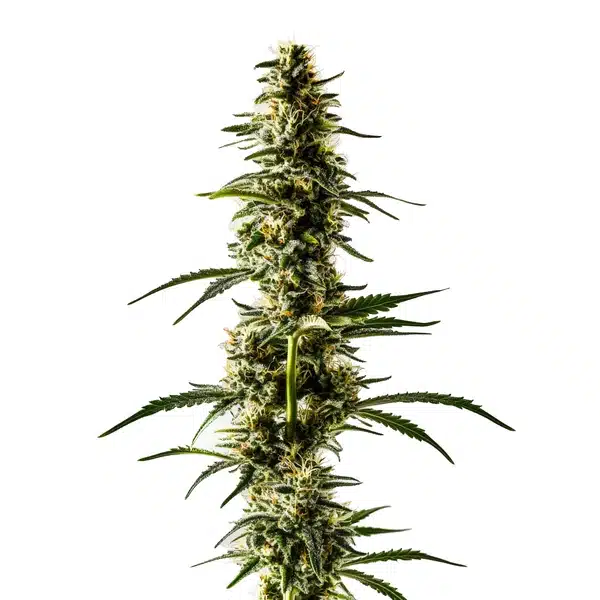
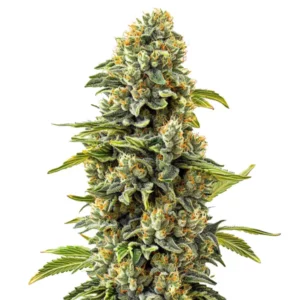
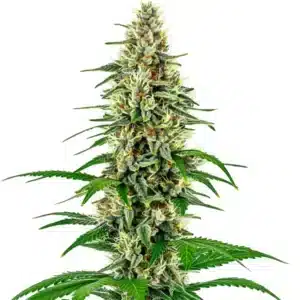
Lemon Skunk

|
THC | 15% - 19% (Medium) |

|
Type | Feminized |

|
Yield | High |

|
Phenotype | 50% Indica / 50% Sativa |
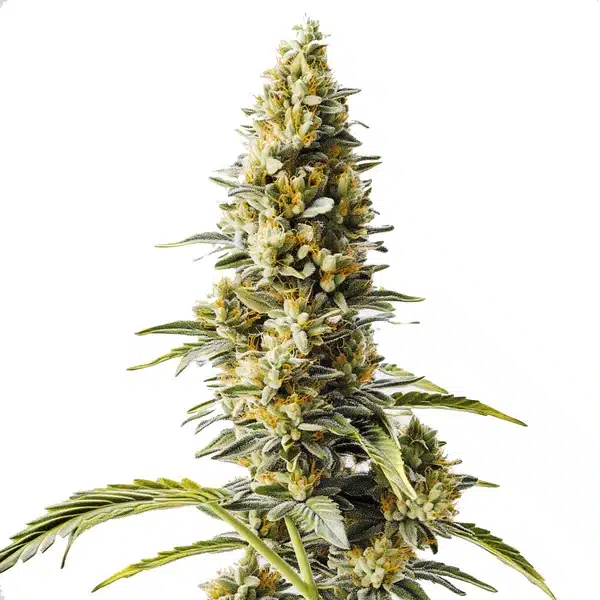
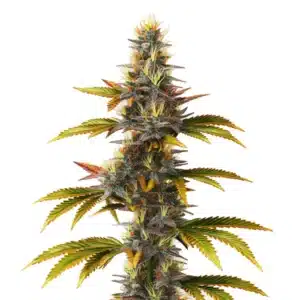
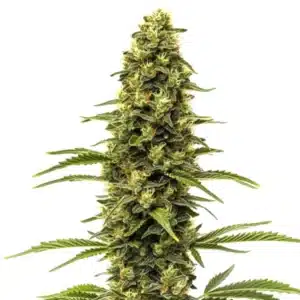
Skunk x Rosetta Stone Fast Version
|
|
THC | 16% - 20% (Medium) |
|
|
Type | Fast Flowering |
|
|
Yield | High |
|
|
Phenotype | 85% Indica / 15% Sativa |
Skunk Strains: History and Top 10
The Origin of Skunk #1
Skunk #1 was born in the 1970s from a cross of Acapulco Gold, Colombian Gold and Afghani landraces. The goal was a stable, high-yielding plant that grew the same way every time, something the seed-grown landraces of the era rarely did. The result revolutionized breeding: a balanced indica-sativa hybrid so consistent it became the backbone of modern cannabis genetics.
Its effect is a harmonious blend of relaxation and euphoria, and its aroma is the reference point for the whole category. That smell comes largely from myrcene and caryophyllene, plus the sulfur compounds that give skunk weed its truly funky, animal edge.
The name is no accident: to many people, a strong skunk strain genuinely smells like a startled skunk. That pungency became so associated with potent cannabis that in some countries, especially the UK, ‘skunk’ turned into slang for strong weed in general, even when the actual genetics have nothing to do with the Skunk #1 line.
Top 10 Skunk Strains
Here are ten of the best skunk strains you can grow, from the original Skunk #1 to modern citrus and fast-flowering crosses. They all keep that signature pungent aroma, but each brings its own twist on flavor and effect:
- Skunk #1 – the original and the benchmark, a balanced, reliable hybrid with the classic pungent aroma.
- Super Skunk – Skunk #1 crossed with Afghani for a heavier, even more pungent indica-leaning hit.
- Lemon Skunk – a bright citrus twist on classic skunk, euphoric and uplifting.
- Skunk Kush – skunk meets Hindu Kush, earthy, resinous and deeply relaxing.
- Skunk Diesel – a fuel-and-skunk nose with a lively, sativa-leaning effect.
- Early Skunk – fast and resilient, a top pick for outdoor and cooler climates.
- Skunk Fast Version – classic skunk on a shorter flowering timeline.
- Super Skunk Auto – an autoflowering, pungent and beginner-friendly skunk.
- Orange x Skunk – sweet orange citrus riding over a skunky base.
- Skunk x Rosetta Stone Fast Version – a potent, fast, indica-dominant skunk.
Promos & Deals

Choosing the Best Skunk Strain
Factors to Consider
Picking the best skunk strain comes down to THC level, terpene profile and the effect you want. Lemon Skunk gives a balanced, citrusy high, while Skunk Diesel leans heavier with a fuel-forward nose. Match the strain to both your taste and your growing conditions.
Also weigh the grow requirements: fast versions and autos suit shorter timelines, while photoperiod skunks give you more control over size. Flip photoperiod plants to 12/12 to flower, feed a phosphorus-and-potassium-heavy mix in bloom, and avoid overwatering, the classic cause of root rot and lost yield. The table below compares three popular options.
| Feature | Lemon Skunk | Skunk Fast Version | Orange x Skunk |
|---|---|---|---|
| THC | 15-19% | 15-18% | 14-16% |
| Dominant terpene | Pinene (citrus-pine) | Limonene (citrus) | Myrcene (earthy) |
| Flowering time | 8-10 weeks | 8-10 weeks (fast) | 8-10 weeks |
| Yield (indoor) | High | Medium-high | Medium |
| Effect | Euphoric, relaxing | Energetic, creative | Uplifting, happy |
Environmental Conditions
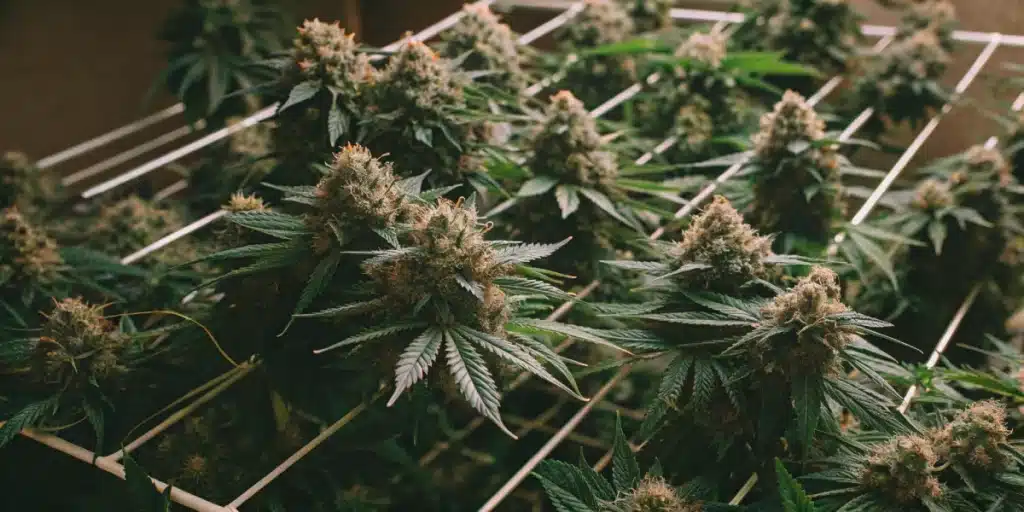
Skunk strains do best with daytime temperatures of 68-77°F (20-25°C) and a cooler night drop of 8-11°C to mimic nature. Keep humidity at 60-70% in veg, then lower it to 40-50% in flower, which both prevents mold on the dense buds and pushes terpene (and skunk) production. On lighting, give 16-24 hours in veg, then a strict 12/12 to trigger flowering in photoperiod skunks.
Part of Skunk’s enduring appeal is how forgiving it is: the lineage is hardy, vigorous and fairly mold-resistant, which makes it a solid choice for beginners and outdoor growers alike. The one thing to plan for is the smell, because Skunk earns its name, so indoor growers should run a good carbon filter for odor control. Most Skunk strains finish flowering in a manageable 8-9 weeks.
Nutrition and pH Management
Skunk plants are steady feeders. Lean nitrogen-heavy in veg to build strong leaves and stems, then shift toward phosphorus and potassium in flower to fuel dense bud development. That transition is what drives a big, resinous bloom.
Keep pH in range so the plant can actually use that feed: around 6.5 in soil, or 5.5-6.5 in hydro. Check it regularly, because even a perfect nutrient mix is wasted if the pH drifts and locks nutrients out.
Quick Tips for Growing Skunk Strains
- Temperature: keep 68-77°F (20-25°C) in veg to promote healthy growth and avoid heat stress.
- Light: switch photoperiod skunks like Skunk #1 to a strict 12/12 schedule to trigger flowering.
- Humidity: drop to 40-50% RH in flower to prevent mold and bring out the skunky terpenes.
- Train them: low-stress training (LST) opens the canopy and can noticeably lift yield.
- pH: hold soil pH around 6.0-6.5 (5.5-6.5 in hydro) so the plant can absorb nutrients.
- Harvest: cut when about 70% of trichomes are cloudy for a balanced effect; too early means lower potency.
- Odor control: skunks are loud, so a carbon filter is worth it for indoor grows.

FAQs About Skunk Strains
What terpene smells like skunk?
No single terpene fully explains it. Myrcene and caryophyllene give skunk strains their earthy, peppery base, but the sharp, truly ‘skunky’ note comes mostly from volatile sulfur compounds (VSCs), the same family of molecules a real skunk produces. So the smell is a mix of terpenes and these sulfur compounds working together.
What strain of weed smells like skunk?
Skunk #1 is the classic answer, the strain that defined the smell. Its descendants like Super Skunk, Skunk Kush and Skunk Diesel all share that pungent, earthy funk, driven by myrcene, caryophyllene and sulfur compounds. If you want a weed that truly smells like skunk, any strain from the Skunk #1 line delivers.
What strains make Skunk #1?
Skunk #1 is a three-way cross of Acapulco Gold and Colombian Gold (both sativas) with Afghani (an indica). Blending those landraces gave it a balanced, euphoric-yet-relaxing effect plus the stable, consistent growth that made it a breeding cornerstone. That mixed lineage is also behind its bold, skunky terpene profile.
Is skunk weed more potent?
Skunk strains are potent but not extreme by modern standards, usually 15-22% THC. What really stands out is the intensity of the aroma rather than record THC. Strains like Super Skunk and Super Skunk Auto pack a strong, pungent punch, but today’s highest-THC hybrids can test higher; skunk’s reputation is about that unmistakable smell.
How do you store skunk weed properly?
Store skunk weed in an airtight glass container at 58-62% relative humidity and 59-70°F (15-21°C), out of direct light. That protects the cannabinoids and pungent terpenes from degrading. An airtight jar also does double duty here: it keeps that loud skunk smell contained while the flower stays fresh for months.