Nitrogen Toxicity in Weed: Causes and Solutions

Nitrogen toxicity in cannabis: Nitrogen toxicity in cannabis arises from over-fertilization, leading to dark green leaves, downward curling, and nutrient burn. This condition hampers bud growth and weakens stems. To correct it, flush the growing medium with pH-balanced water and reduce nitrogen in your fertilizer. These steps can help restore plant health and ensure optimal growth.
When nitrogen toxicity strikes your cannabis plants, it can lead to a cascade of issues, from stunted growth to reduced yields. Terpenes like myrcene and limonene can be affected, altering the plant’s aroma and flavor profile. Understanding the flowering time and how to adjust nutrient levels is crucial for maintaining plant health and maximizing harvest potential.
Recommended Strains

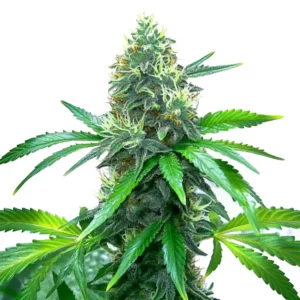
Critical Kush

|
THC | 19% - 25% (High) |

|
Type | Feminized |

|
Yield | High |

|
Phenotype | 65% Indica / 35% Sativa |

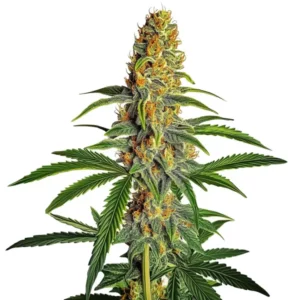
Sour Diesel
|
|
THC | 22% - 25% (High) |
|
|
Type | Feminized |
|
|
Yield | High |
|
|
Phenotype | 30% Indica / 70% Sativa |
What is Nitrogen Toxicity in Weed?
Definition and Causes
Nitrogen toxicity in weed occurs when cannabis plants absorb excessive nitrogen, a crucial macronutrient for growth. This imbalance often results from over-fertilization or using nutrient-rich soil without proper monitoring. The excess nitrogen disrupts the plant’s nutrient uptake, causing a range of physiological issues.
Typically, nitrogen is vital for chlorophyll production, which supports photosynthesis. However, when levels exceed the optimal range of 3:1:2 N:P:K during the vegetative stage, it can lead to dark green leaves and a waxy appearance. This imbalance can also affect the plant’s ability to absorb other essential nutrients.
Practical Impact and Solutions
Excess nitrogen can lead to nutrient lockout, where plants cannot absorb other nutrients like phosphorus and potassium. This results in stunted growth and poor bud development, significantly affecting yield. Monitoring nutrient levels with soil tests and adjusting your feeding schedule can prevent these issues.
To mitigate nitrogen toxicity, start by flushing your plants with pH-balanced water (6.0-7.0 pH) to remove excess nutrients. This process helps restore balance and allows the plant to recover. Avoid using high-nitrogen fertilizers during the flowering stage, where a 1:3:2 N:P:K ratio is more appropriate.
Promos & Deals
Symptoms of Nitrogen Toxicity in Cannabis
Leaf Color and Clawing
One of the first signs of nitrogen toxicity in cannabis is the deep, dark green color of the leaves. While this might seem healthy, it’s a clear indicator of excess nitrogen. The leaves may also appear shiny or waxy, which is not typical for healthy plants.
Another common symptom is leaf clawing, where the tips of the leaves curl downward. This claw-like appearance is a direct response to nutrient imbalance and should prompt immediate corrective action. Monitoring leaf color and shape regularly can help catch these symptoms early.
Growth and Yield Impact
Nitrogen toxicity can severely impact plant growth by focusing energy on leaf production rather than bud development. This leads to delayed flowering and reduced yields. During the flowering stage, plants should shift their energy towards bud growth, but excess nitrogen can hinder this process.
To maximize yield, ensure your plants receive the right nutrient balance. Adjusting the nutrient ratio to favor phosphorus and potassium during flowering can help redirect energy towards bud development, enhancing both yield and potency.
| Feature | Wifi Og | Chocolopez | Sweet Tooth Regular |
|---|---|---|---|
| THC Content | 22-26% | 19-23% | 16-20% |
| Dominant Terpene | Limonene | Myrcene | Caryophyllene |
| Yield (indoor) | 1.5-1.8 oz/ft² (450-550 g/m²) | 1.2-1.5 oz/ft² (350-450 g/m²) | 1.3-1.6 oz/ft² (370-470 g/m²) |
| Flowering Time | 8-9 weeks | 9-10 weeks | 8-9 weeks |
| Effect | Euphoric, Relaxing | Calming, Uplifting | Relaxing, Happy |
Diagnosing Nitrogen Toxicity in Cannabis
Visual and Soil Testing Methods
Diagnosing nitrogen toxicity involves a combination of visual inspection and soil testing. Look for dark green leaves and clawing as primary indicators. These symptoms are often visible in the vegetative stage when growth should be rapid and vigorous.
Conduct soil tests to measure nutrient levels. A nitrogen concentration above 200 ppm can indicate toxicity. Use a digital soil tester for accurate readings, ensuring you adjust nutrient levels based on these results to prevent further issues.
Corrective Measures and Monitoring
Once diagnosed, immediate corrective measures are crucial. Start with flushing the growing medium to remove excess nitrogen. This process involves using twice the volume of pH-balanced water compared to the pot size, ensuring thorough leaching of nutrients.
After flushing, monitor plant recovery closely. New growth should appear healthy, with normal leaf color and shape. If symptoms persist, reassess your nutrient plan and consider using a balanced fertilizer with a lower nitrogen ratio.
Preventing Nitrogen Toxicity
Nutrient Management Strategies
Preventing nitrogen toxicity starts with effective nutrient management. Use a balanced feeding schedule that aligns with the plant’s growth stage. During the vegetative phase, maintain a 3:1:2 N:P:K ratio, shifting to 1:3:2 during flowering to support bud development.
Regularly test soil nutrient levels to ensure they remain within optimal ranges. Adjust your feeding schedule based on these tests to prevent nutrient buildup and potential toxicity.
Environmental Controls
Environmental factors like humidity and temperature can exacerbate nitrogen toxicity. Maintain humidity levels between 40-60% and temperatures around 70°F to 80°F (21°C to 27°C) to support healthy growth. These conditions help the plant manage nutrient uptake more efficiently.
Ensure proper ventilation to prevent excessive humidity, which can worsen nitrogen toxicity symptoms. Use fans and exhaust systems to maintain airflow and reduce the risk of nutrient imbalances.
Professional Tips for Managing Nitrogen Toxicity
- Maintain a 3:1:2 N:P:K ratio during vegetative growth to support healthy leaf development without excess nitrogen.
- Flush with pH-balanced water (6.0-7.0 pH) to remove nutrient buildup and restore balance.
- Use a digital soil tester to monitor nitrogen levels, keeping them below 200 ppm to avoid toxicity.
- Adjust nutrient ratios to 1:3:2 during flowering to focus on bud development and reduce nitrogen.
- Keep humidity levels between 40-60% to prevent exacerbating nitrogen toxicity symptoms.
- Ensure proper ventilation to maintain airflow and prevent nutrient imbalances due to excess humidity.

Advanced Insights on Nitrogen Toxicity
Biological Mechanisms
Nitrogen is a key component of amino acids, the building blocks of proteins, and is critical for plant metabolism. Excessive nitrogen disrupts this balance, leading to overproduction of chlorophyll and other compounds. This can cause an imbalance in the plant’s energy allocation, focusing on leaf growth at the expense of flowers.
Understanding the biological mechanisms behind nitrogen toxicity can help growers fine-tune their nutrient management practices. By recognizing the signs early and adjusting nutrient inputs, you can prevent long-term damage and ensure a healthy, productive crop.
Long-term Effects and Management
Chronic nitrogen toxicity can lead to long-term soil health issues, affecting future crops. Excess nitrogen can leach into the soil, disrupting microbial communities and reducing soil fertility. Implementing crop rotation and organic amendments can help restore soil health over time.
For sustainable cannabis cultivation, consider integrating organic fertilizers and soil amendments. These practices not only prevent nitrogen toxicity but also enhance soil health, promoting a balanced ecosystem that supports robust plant growth.
FAQs on Nitrogen Toxicity
How to fix nitrogen toxicity in plants?
To fix nitrogen toxicity, flush the growing medium with pH-balanced water to remove excess nitrogen. Adjust your nutrient schedule to reduce nitrogen-rich fertilizers. Monitor new growth for healthy color and shape. This process can help restore plant health and prevent further issues.
What does nitrogen toxicity mean?
Nitrogen toxicity occurs when cannabis plants absorb too much nitrogen, leading to dark green leaves and clawing. This condition disrupts nutrient uptake and can stunt growth. Maintaining balanced nutrient levels is crucial to prevent toxicity and ensure healthy plant development.
What are the symptoms of nitrogen toxicity?
Symptoms of nitrogen toxicity include dark green leaves, downward clawing, and shiny or waxy leaf surfaces. These signs indicate an imbalance in nutrient uptake, which can lead to stunted growth and reduced yields if not addressed promptly.
Can plants recover from too much nitrogen?
Yes, plants can recover from too much nitrogen if caught early. Flushing the medium with pH-balanced water and adjusting nutrient levels can reverse symptoms. Monitor new growth for improvements, ensuring the plant returns to a healthy state.
How does nitrogen toxicity affect flowering?
Nitrogen toxicity during flowering delays bud development as the plant focuses on leaf growth. This imbalance reduces yields and affects potency. Adjusting nutrient ratios to favor phosphorus and potassium during this stage can help redirect energy towards bud production.