Light Deprivation Weed: Techniques and Benefits

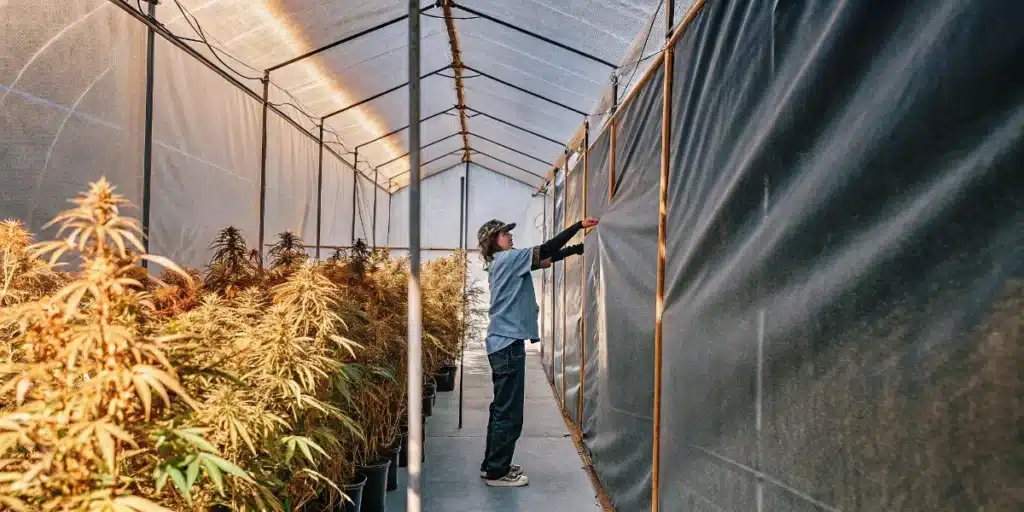
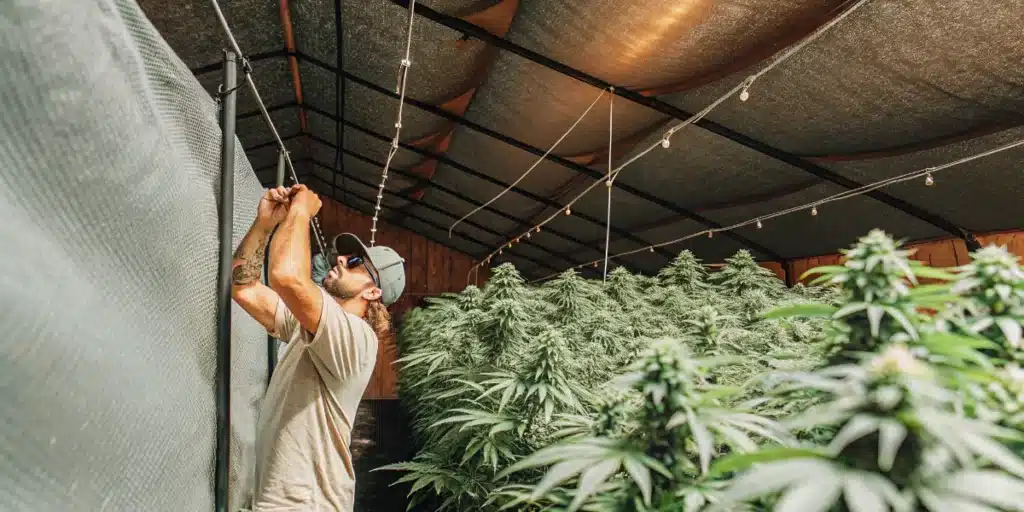
Light deprivation technique: Light deprivation, or “light dep,” is a cultivation method that alters light cycles to prompt cannabis plants to flower. By controlling light exposure to a precise 12-hour schedule using blackout tarps or automated systems, growers simulate early fall conditions. This method can lead to increased yields and multiple harvests annually.
Light deprivation weed involves manipulating light cycles to induce flowering in cannabis plants. This technique not only accelerates the flowering process but also enhances terpene profiles, offering a unique flavor and aroma experience. With flowering times reduced to as little as 8 weeks, growers can achieve multiple harvests annually, maximizing efficiency and profitability.
Recommended Strains

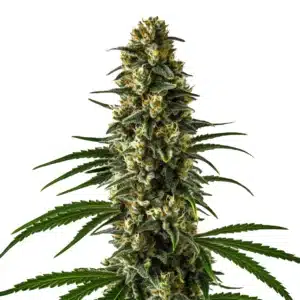
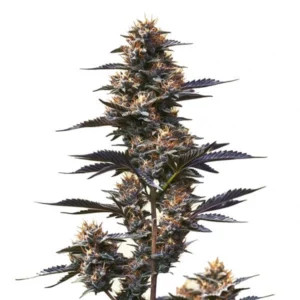
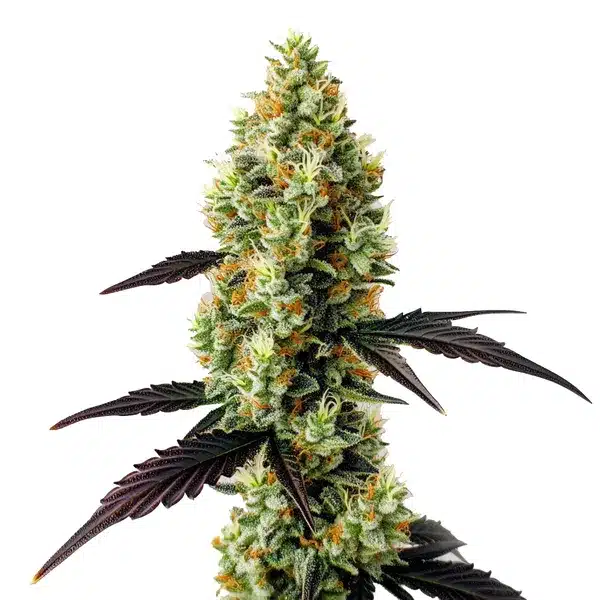
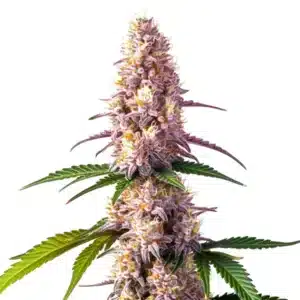
Banana Kush

|
THC | 17% - 21% (Medium) |

|
Type | Feminized |

|
Yield | High |

|
Phenotype | 60% Indica / 40% Sativa |
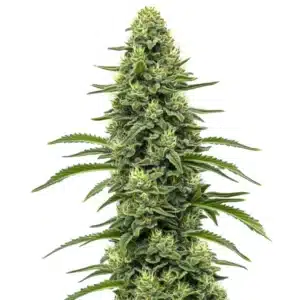
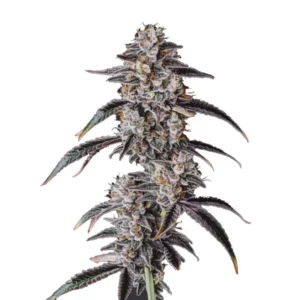
Gelato x Girl Scout Cookies
|
|
THC | 25% - 28% (High) |
|
|
Type | Feminized |
|
|
Yield | High |
|
|
Phenotype | 60% Indica / 40% Sativa |
What is Light Deprivation Weed?
How Light Deprivation Works
Light deprivation weed is a cultivation strategy that involves controlling the light exposure of cannabis plants to mimic the natural sunlight patterns of fall. By using blackout tarps or automated systems, growers can enforce a strict 12-hour light and dark cycle. This manipulation tricks the plants into flowering earlier than they would naturally, allowing for multiple harvests per year.
In terms of technical specifications, growers often maintain light intensity at 800-1000 µmol/m²/s during the flowering phase. This ensures optimal photosynthesis and plant health. The controlled environment also allows for precise regulation of temperature, ideally between 68°F – 77°F (20°C – 25°C), and humidity levels at 50-60% RH, which are crucial for preventing mold and promoting healthy growth.
Light Deprivation in Humans vs. Plants
While light deprivation in humans can disrupt circadian rhythms and lead to sleep disorders, in cannabis cultivation, it serves a beneficial purpose. By simulating fall conditions, growers can accelerate the flowering process, leading to quicker harvests. This method is particularly advantageous in regions with shorter growing seasons, allowing cultivators to maximize their yield potential.
Experienced cultivators report that light deprivation can increase yields by up to 30% compared to traditional outdoor growing. This is achieved by optimizing the plant’s exposure to light, which enhances photosynthetic efficiency and promotes robust growth. However, it requires careful monitoring to avoid stress that could impact potency and overall plant health.
Promos & Deals
Benefits of Light Deprivation Weed
Light Dep vs Indoor Quality
When comparing light dep weed to indoor-grown cannabis, the quality often depends on the specific conditions managed by the grower. Light dep weed can achieve similar potency levels, often reaching 20-25% THC, by optimizing light cycles and environmental conditions. The terpene profile can be more pronounced due to the natural sunlight exposure, enhancing flavor and aroma.
Indoor growing offers more control over environmental factors, such as temperature and humidity, which can lead to consistent quality. However, light dep weed benefits from natural sunlight, which can enhance cannabinoid and terpene production. This results in a more complex flavor profile and potentially higher potency, making it a preferred choice for many connoisseurs.
Is Light Assist Weed Good?
Light assist weed, which combines natural sunlight with supplemental artificial lighting, can be an effective strategy for achieving high-quality yields. This method ensures that plants receive optimal light exposure, even during cloudy days or shorter daylight hours. Many cultivators find that light assist can improve potency and yield, often resulting in THC levels of 22-28%.
While light assist can enhance growth, it requires careful management to prevent light burn and stress. Growers should monitor light intensity and duration to ensure plants receive the right amount of light without overexposure. This balance is crucial for maintaining plant health and maximizing the benefits of this cultivation method.
Light Deprivation Weed vs Other Methods
Light Dep vs Greenhouse
Comparing light dep weed to greenhouse-grown cannabis reveals distinct advantages and challenges. Light dep allows for precise control over the flowering cycle, enabling multiple harvests per year. In contrast, greenhouses rely more on natural light cycles, which can limit the number of harvests but offer a more sustainable approach.
Greenhouses provide a controlled environment that protects plants from harsh weather conditions, pests, and diseases. However, light dep weed can achieve similar protection with the added benefit of accelerated flowering. This method can lead to higher yields and increased potency, often reaching 20-25% THC, making it a competitive option for commercial growers.
| Feature | Light Dep Weed | Indoor Weed | Greenhouse Weed |
|---|---|---|---|
| THC Potency | 20-25% | 22-28% | 18-24% |
| Harvest Frequency | 2-3 times/year | 4-5 times/year | 1-2 times/year |
| Environmental Control | Moderate | High | Moderate |
| Light Source | Natural + Artificial | Artificial | Natural |
| Cost Efficiency | High | Moderate | High |
Best Light Dep Strains to Cultivate
When selecting strains for light dep cultivation, it’s essential to consider those that thrive under controlled light cycles and produce high yields. Strains like Banana Kush, known for its 22-26% THC and sweet, tropical flavors, are ideal. Its dominant myrcene terpene enhances relaxation and offers a smooth, fruity aroma.
Gelato X Girl Scout Cookies is another excellent choice, offering 20-24% THC and a rich, dessert-like flavor profile. The caryophyllene terpene provides a spicy kick, promoting a calming effect. This strain’s balanced genetics make it perfect for light dep setups, ensuring robust growth and high-quality yields.
Professional Tips for Light Deprivation Weed
- Maintain 58-62% RH during the curing process to preserve terpene profiles. Avoid levels above 65% to prevent mold growth.
- Ensure light intensity remains at 800-1000 µmol/m²/s during flowering to optimize photosynthesis and yield.
- Use blackout tarps to control light exposure, ensuring a strict 12-hour light/dark cycle to induce flowering.
- Monitor temperature closely, keeping it between 68°F – 77°F (20°C – 25°C) to prevent stress and maximize growth.
- Choose strains with high myrcene content for enhanced relaxation and flavor in light dep setups.
- Regularly inspect plants for signs of stress or nutrient deficiencies, adjusting feeding schedules as needed.
FAQs About Light Deprivation Weed
Is Light Dep Weed Better?
Light dep weed can be better for growers seeking multiple harvests per year. By controlling light cycles, you can achieve up to 30% higher yields compared to traditional outdoor methods. This technique also enhances terpene profiles, offering richer flavors and aromas, making it a preferred choice for many cultivators.
What Does Light Deprivation Do to Weed?
Light deprivation accelerates the flowering process by simulating fall conditions with a 12-hour light/dark cycle. This method allows for multiple harvests annually and can increase THC potency to 20-25%. It also enhances terpene production, resulting in more complex flavor profiles and potentially higher quality cannabis.
Why Are Light Deps Cheaper?
Light deps are often cheaper due to reduced energy costs compared to indoor growing. By utilizing natural sunlight, growers can lower electricity expenses while still achieving high-quality yields. This cost-effectiveness, combined with the potential for multiple annual harvests, makes light dep weed an economically attractive option.
How Far Should Light Be During Vegetative Stage?
During the vegetative stage, keep lights 18-24 inches (45-60 cm) above the canopy. This distance ensures optimal light distribution without causing heat stress. Maintaining this range promotes healthy growth and prepares plants for a robust flowering phase. Adjust based on light intensity and plant response.
Can Light Deprivation Affect Potency?
Yes, light deprivation can enhance potency by optimizing light exposure and environmental conditions. This method can increase THC levels to 20-25%, depending on the strain and growing conditions. The controlled environment also supports terpene development, contributing to a richer flavor and aroma profile.