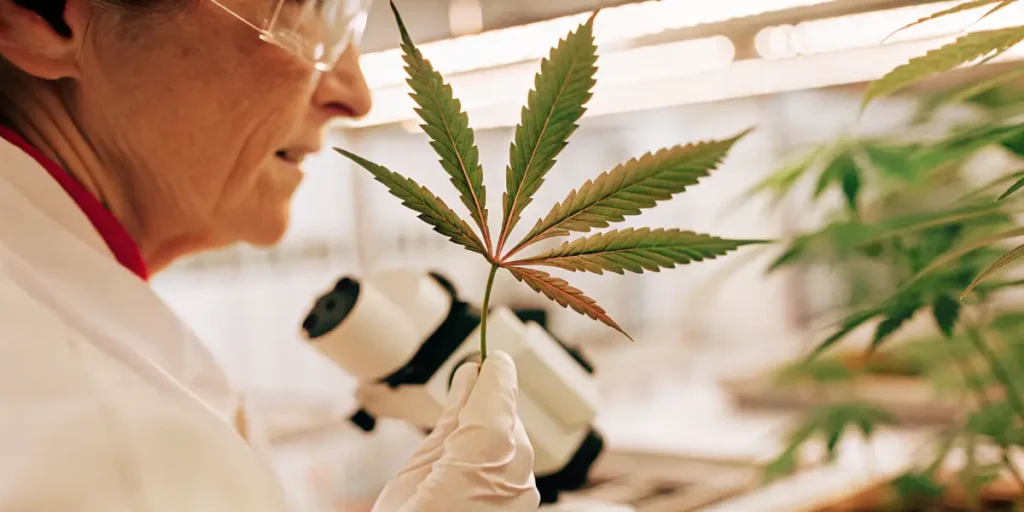
Interpreting Cannabis Tissue Test Results

Interpreting cannabis tissue test results can be a game-changer for both first-time cannabis seed buyers and experienced growers. These tests provide a snapshot of the nutrient composition within your plants, offering insights into their health and growth potential. Knowing the nuances of these results enables you to make informed decisions about nutrient management and environmental conditions, ensuring optimal plant development.
For new growers, navigating the world of cannabis tissue tests might seem daunting. However, with a bit of guidance, it becomes an invaluable tool. By analyzing these results, you can identify nutrient deficiencies or toxicities early, allowing you to adjust your growing practices accordingly. This not only improves plant health but also enhances yield and quality.
Recommended Strains
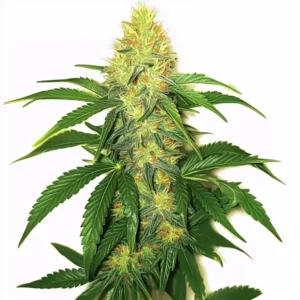
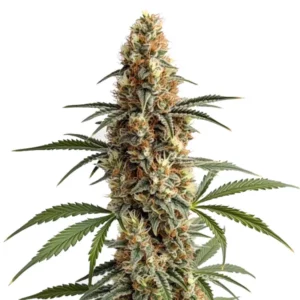
AK 47

|
THC | 16% - 19% (Medium) |

|
Type | Feminized |

|
Yield | Medium |

|
Phenotype | 35% Indica / 65% Sativa |

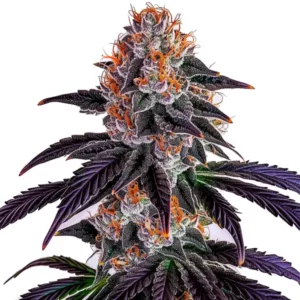
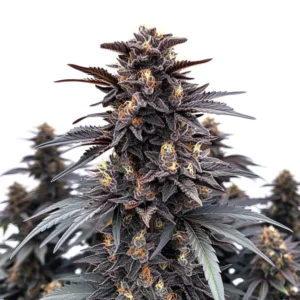
Purple Kush
|
|
THC | 17% - 27% (Medium) |
|
|
Type | Feminized |
|
|
Yield | Medium |
|
|
Phenotype | 30% Indica / 70% Sativa |
Experienced growers can fine-tune their nutrient regimens and environmental controls by regularly analyzing tissue test results. This precision agriculture approach leads to more consistent and predictable outcomes, maximizing both the efficiency and profitability of your growing operation.
The Value of Accurate Cannabis Tissue Test Interpretation
Accurate interpretation of cannabis tissue test results is crucial for achieving optimal growth and yield. Knowing interpreting cannabis tissue test results allows growers to analyze nutrient data effectively and tailor their applications to meet the specific needs of their plants. This targeted approach reduces waste and ensures that plants receive exactly what they need for healthy, vigorous development
Moreover, interpreting marijuana plant tissue test results helps in diagnosing potential issues before they become major problems. For instance, a drop in nitrogen levels can signal the need for a nutrient adjustment, preventing stunted growth and poor yields. Regular testing and analysis create a proactive management strategy that supports plant health.
Promos & Deals

How to Analyze Cannabis Tissue Test Data
Learning how to analyze cannabis tissue test data is a skill that evolves with experience. Start by familiarizing yourself with the basics of nutrient levels and their roles in plant physiology. Pay close attention to key indicators such as nitrogen, phosphorus, and potassium, which are essential for growth and development.
When reading cannabis leaf tissue test results, compare them against established benchmarks to determine if your plants are within the optimal range. Any deviations can indicate a need for adjustment in your nutrient regimen or environmental controls. Keeping detailed records of your test results and actions taken can help refine your approach over time.
Choosing the Right Cannabis Strains for Tissue Testing
When selecting strains for cultivation and tissue testing, consider factors such as growth environment, desired effects, and market demand. Some strains might be more nutrient-sensitive, requiring careful monitoring and adjustment. Knowing interpreting cannabis tissue test results is essential during this process, as it helps identify specific nutrient imbalances and guides precise corrections. Here are a few strains from Blimburn Seeds that are well-suited for growers interested in tissue testing:
AK47
AK47 is a popular hybrid strain known for its balanced effects and robust growth patterns. It’s a great choice for those looking to explore cannabis plant tissue analysis, as it responds well to nutrient adjustments and environmental changes.
- Yield: High
- Flowering Time: 8-10 weeks
- THC: 16-19%
- Terpene Hints: Earthy, Woody
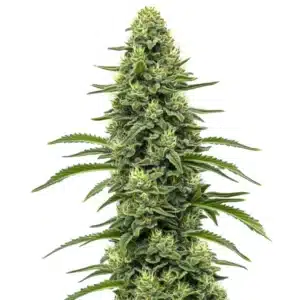
Jack Herer
Jack Herer is a sativa-dominant strain that thrives in various growing conditions. Its adaptability makes it ideal for testing different nutrient levels and knowing cannabis tissue nutrient levels. This strain is known for its uplifting effects and complex flavor profile.
- Yield: Medium
- Flowering Time: 8-10 weeks
- THC: 20%
- Terpene Hints: Pine, Citrus
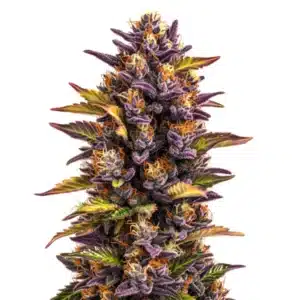
Purple Kush
Purple Kush is an indica strain that offers a unique opportunity to study nutrient uptake in cannabis plants. Its dense, resinous buds are a testament to its ability to thrive with precise nutrient management.
- Yield: High
- Flowering Time: 8-10 weeks
- THC: 17-27%
- Terpene Hints: Sweet, Grape

FAQs on Cannabis Tissue Test Results
What is the best way to collect samples for cannabis tissue testing?
For accurate cannabis tissue test results, collect samples from the most recently matured leaves. These leaves provide a reliable snapshot of the plant’s nutrient status. Avoid collecting from stressed or damaged leaves, as they may not accurately reflect the plant’s overall health.
Use clean tools and gloves to prevent contamination. Collect samples at the same time of day to maintain consistency. Once collected, store samples properly and send them to a reputable lab for analysis as soon as possible to ensure freshness.
How often should I conduct cannabis tissue testing?
Regular testing is recommended to track changes in plant nutrient levels over time. For most growers, testing every two to four weeks during the growing season is sufficient. This frequency allows for timely adjustments to nutrient regimens and environmental conditions.
However, the optimal frequency may vary depending on the strain and specific growing conditions. Keep detailed records of your test results and any changes made to refine your testing schedule over time.
Can tissue test results help improve yield and quality?
Yes, interpreting cannabis tissue test results can significantly enhance both yield and quality. By knowing the nutrient needs of your plants, you can optimize nutrient applications, leading to healthier plants and higher yields.
Moreover, precise nutrient management can improve the overall quality of the final product, enhancing flavor, aroma, and potency. Consistent testing and analysis are key to achieving these benefits and maximizing the potential of your crop.
What are common mistakes to avoid when interpreting test results?
A common mistake is failing to consider environmental factors that may influence test results. Nutrient uptake can be affected by factors such as light, temperature, and humidity. Always evaluate test results in the context of your growing environment.
Another mistake is making drastic changes based on a single test. It’s important to observe trends over time and make gradual adjustments. This approach minimizes stress on the plants and reduces the risk of over-correction.
How can I ensure the accuracy of my cannabis tissue test results?
Ensuring accuracy begins with proper sample collection and handling. Use clean tools and follow a consistent sampling protocol. Choose a reputable laboratory with a track record of reliable results for your testing needs.
Additionally, maintain detailed records of your growing conditions and any changes made in response to test results. This documentation helps identify patterns and refine your growing practices for more accurate and reliable outcomes.