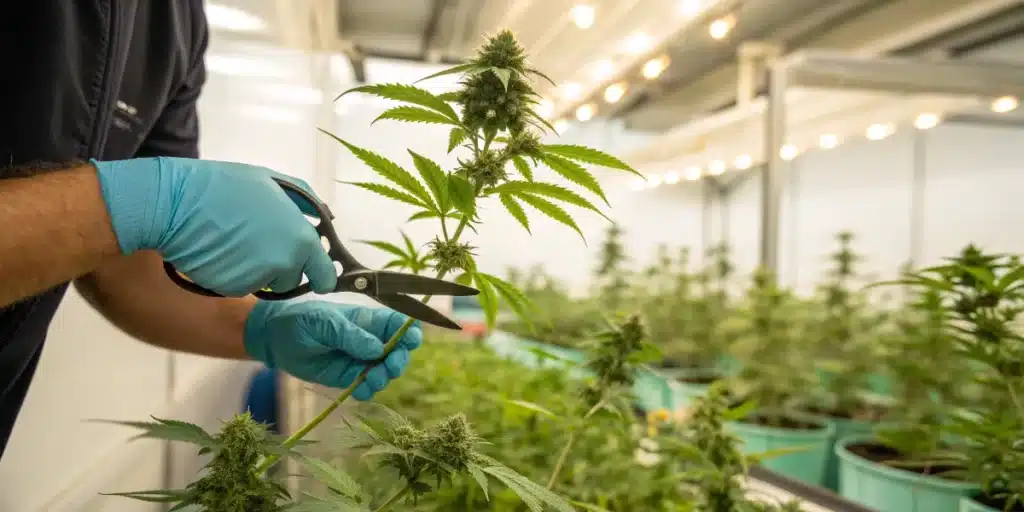
How to Top Pot Plants for Maximum Yield

Topping pot plants: In cannabis cultivation, “topping” refers to trimming the main stem to promote lateral growth. This technique encourages bushier plants with more flowering sites, potentially increasing yield. Many growers find that topping can enhance the plant’s overall structure, making it a valuable practice for maximizing harvest potential.
In the world of cannabis cultivation, topping pot plants is a technique that can significantly impact your harvest. By strategically removing the main stem, you can encourage the plant to grow more branches, leading to increased flowering sites. This method not only boosts yield but also improves light penetration and air circulation, crucial for healthy plant development.
Recommended Strains
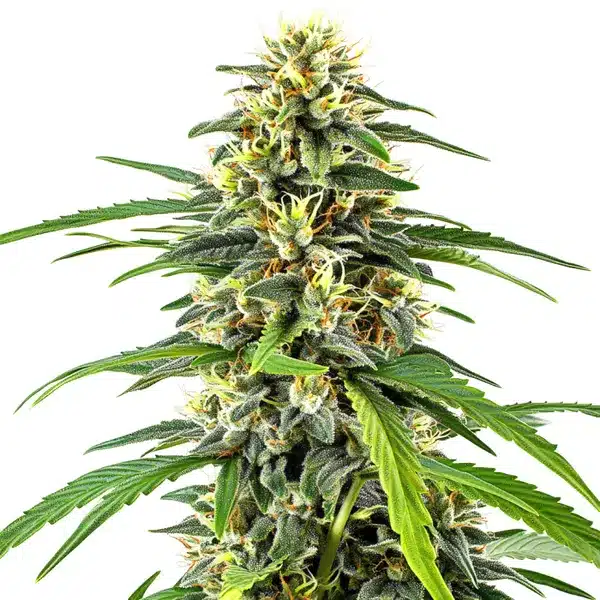
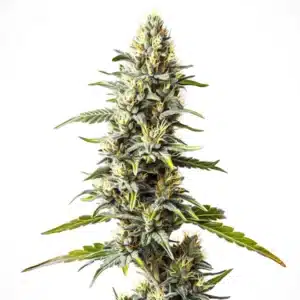
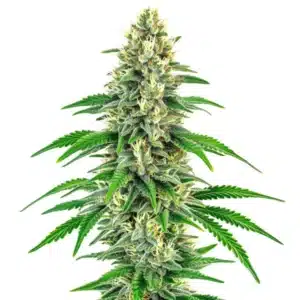
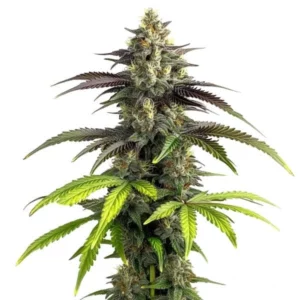
Amnesia Haze

|
THC | 18% - 22% (Medium) |

|
Type | Feminized |

|
Yield | High |

|
Phenotype | 30% Indica / 70% Sativa |

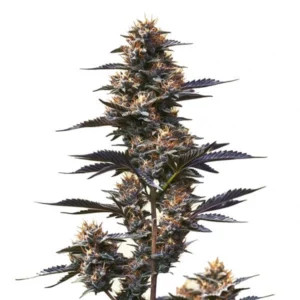
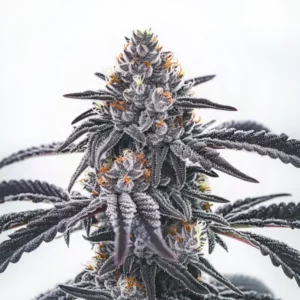
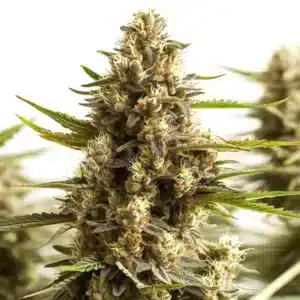
Blue Dream
|
|
THC | 17% - 24% (High) |
|
|
Type | Feminized |
|
|
Yield | High |
|
|
Phenotype | 50% Indica / 50% Sativa |
Topping Pot Plants in Cannabis Cultivation
What is Topping Pot Plants?
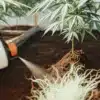
Topping pot plants involves removing the top growth of the main stem to redirect the plant’s energy towards lateral branches. This practice encourages the plant to develop multiple colas instead of a single dominant one. By doing so, you create a bushier plant structure, which can be beneficial for indoor growers looking to maximize space efficiency.
When topping, it’s crucial to consider the plant’s growth stage. Typically, topping is performed when the plant has developed 4 to 6 nodes, ensuring it has enough energy to recover and thrive. The technique can lead to a more uniform canopy, which is essential for even light distribution and optimal photosynthesis.
Benefits of Topping Pot Plants
One of the primary benefits of topping is the potential increase in yield. By promoting more branches, you create additional sites for buds to form. This can result in a yield increase of up to 30%, depending on the strain and growing conditions. Moreover, topping can help manage plant height, which is particularly useful for indoor growers with limited vertical space.
Topping also enhances air circulation within the canopy, reducing the risk of mold and mildew. This is especially important in humid environments where poor airflow can lead to plant diseases. Additionally, a well-topped plant can support heavier buds, reducing the need for additional support structures.
Promos & Deals
Step-by-Step Guide to Topping Pot Plants
How Many Nodes Before Topping?
Before topping your pot plants, ensure they have at least 4 to 6 nodes. This ensures the plant is mature enough to handle the stress of topping and can recover quickly. Topping too early can stunt growth, while topping too late may not provide the desired benefits in terms of yield and structure.
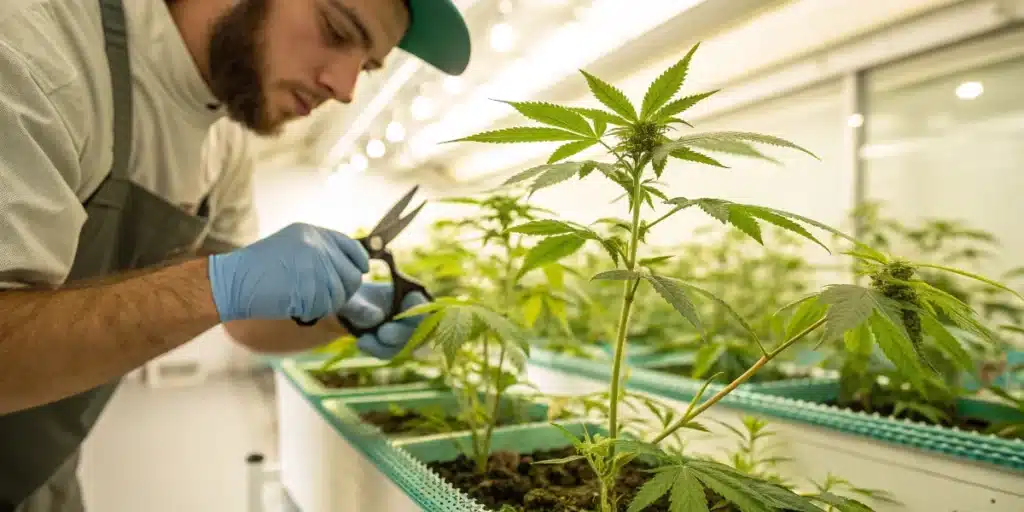
When topping, use clean, sharp scissors to make a clean cut just above a node. This minimizes the risk of infection and promotes healthy regrowth. After topping, monitor the plant closely for signs of stress and adjust your care routine as needed.
How Late Can You Top a Pot Plant?
Topping is best done during the vegetative stage, ideally before the plant enters the flowering phase. While some growers top their plants during early flowering, this can stress the plant and reduce yield. Generally, topping should be completed at least 2 weeks before flowering to allow the plant ample time to recover and redirect its energy.
It’s important to note that topping too late can lead to smaller buds and reduced potency. Therefore, timing is critical to ensure the plant has enough time to develop a robust structure and maximize its yield potential.
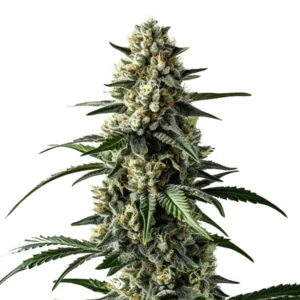
| Feature | GG4 | Blue Dream | Amnesia Haze |
|---|---|---|---|
| THC Percentage | 27% | 17-24% | 18-22% |
| Yield Indoor (oz/ft²) | 1.64 – 1.97 | 1.97 | 1.64 – 1.97 |
| Flowering Time (weeks) | 8-10 | 8-10 | 8-10 |
| Dominant Terpene | Humulene | Caryophyllene | Myrcene |
| Effect Profile | Happy, Relaxed, Talkative | Happy, Relaxed, Talkative | Creative, Focused, Hungry |
Professional Tips for Topping Pot Plants
- Maintain 60-70% RH during the vegetative stage to ensure optimal growth. This range supports healthy transpiration and nutrient uptake. Avoid humidity below 50%, which can stress the plant.
- Use a 16-24 hour light schedule for photoperiod strains to maximize growth potential. This ensures the plant receives enough light without causing stress. Never exceed 24 hours of light.
- Monitor soil pH at 6.5 for optimal nutrient absorption. A pH outside this range can lead to nutrient lockout. Use a digital pH meter for accuracy.
- Apply a balanced N:P:K ratio of 3:1:2 during the vegetative phase. This supports robust leaf and stem development. Avoid excessive nitrogen, which can lead to nutrient burn.
- Check for pests weekly to prevent infestations. Early detection is key to managing issues without chemicals. Use neem oil as a natural deterrent.
- Prune lower branches to improve air circulation and light penetration. This reduces the risk of mold and mildew. Avoid over-pruning, which can stress the plant.
FAQs on Topping Pot Plants
Should You Top Your Pot Plants?
Topping your pot plants can significantly boost yield by promoting bushier growth. It’s recommended to top when the plant has 4 to 6 nodes, ensuring it can recover effectively. This technique can increase yield by up to 30%, making it a valuable practice for maximizing harvest potential.
How Late Can You Top a Pot Plant?
Topping should ideally be completed during the vegetative stage, at least 2 weeks before flowering. Topping too late can stress the plant and reduce yield. Ensure the plant has enough time to recover and redirect energy towards new growth for optimal results.
Does Topping Actually Produce More Yield?
Topping can increase yield by creating more flowering sites. By encouraging lateral growth, topped plants can produce up to 30% more than untopped ones. This method improves light penetration and air circulation, essential for healthy bud development.
How Many Nodes Before Topping?
Ensure your plant has 4 to 6 nodes before topping. This maturity level allows the plant to handle topping stress and recover quickly. Topping too early can stunt growth, while waiting too long may not yield the desired structural benefits.
Can Topping Affect Potency?
Topping does not directly affect potency but can influence overall plant health and bud development. By improving light exposure and airflow, topping can enhance bud quality. However, stress from improper topping can reduce potency, so timing and technique are crucial.