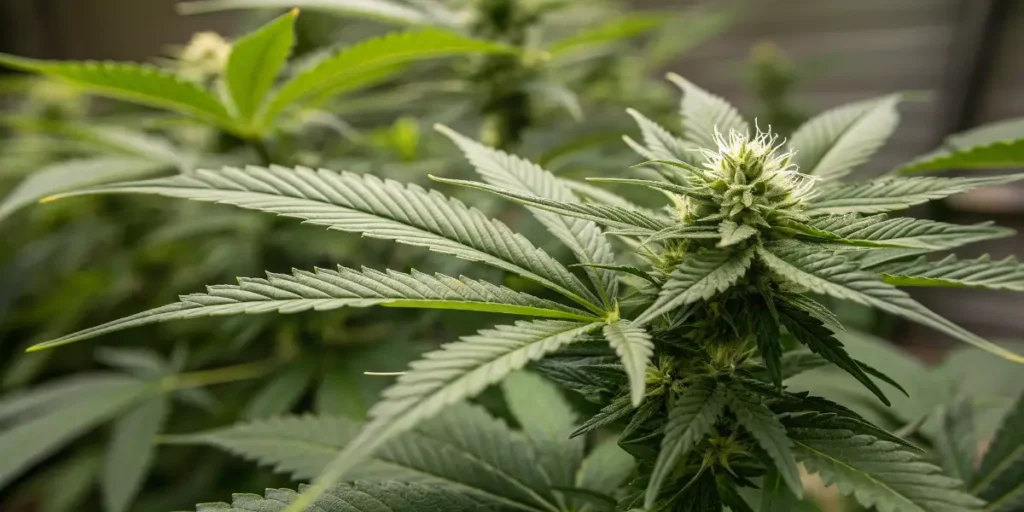
How to Top Weed Plants for Maximum Yield

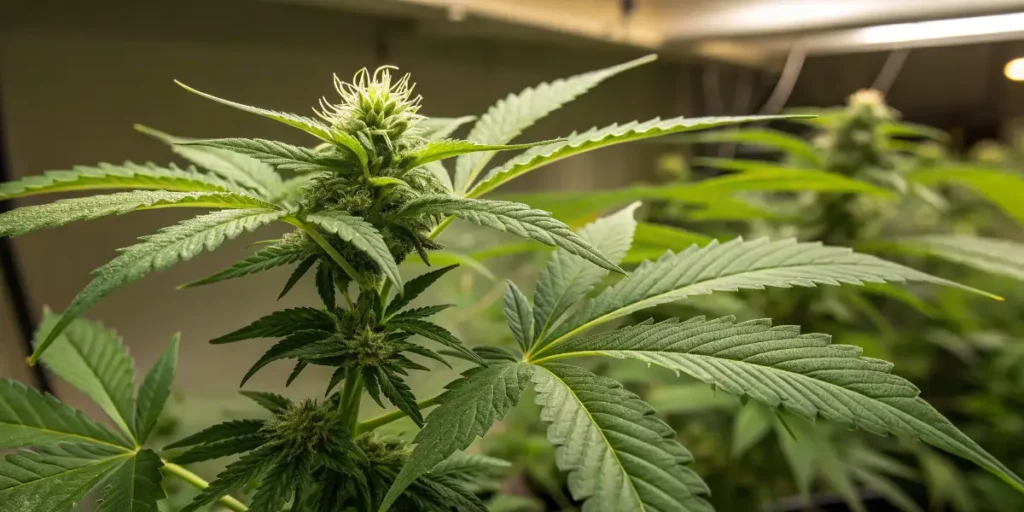
Boost Plant Yield: Topping cannabis involves trimming the main upper growth tip during the vegetative phase. This halts vertical growth, disrupts apical dominance, and encourages the plant to channel energy into two new main stems. As a result, the plant develops a bushier form with multiple large colas, potentially increasing yields by up to 30%.
Topping weed plants is an essential technique to enhance the structure and productivity of your cannabis garden. By focusing on the vegetative stage, you can manipulate growth patterns to produce more robust colas. This guide will explore the intricate process of topping, offering insights into timing and techniques that maximize your harvest potential.
Recommended Strains

Trainwreck Autoflower

|
THC | 22% - 24% (High) |

|
Type | Autoflowering |

|
Yield | High |

|
Phenotype | 50% Indica / 50% Sativa |

Mazar x Blueberry
|
|
THC | 22% - 25% (High) |
|
|
Type | Feminized |
|
|
Yield | High |
|
|
Phenotype | 70% Indica / 30% Sativa |
Topping Weed Plants: Essential Techniques
What is Topping?
Topping is a horticultural practice where the main stem of a cannabis plant is cut to encourage lateral growth. This method is particularly effective during the vegetative stage, which typically lasts 4-6 weeks. By topping, you can prevent the plant from growing too tall and instead promote a bushier canopy that supports more colas.
The technique works by disrupting apical dominance, a natural plant tendency where the main stem grows more vigorously than side branches. By removing the top, you stimulate the growth of two new main stems, effectively doubling the plant’s potential yield. This is crucial for indoor growers aiming to maximize space efficiency.
Benefits of Topping Cannabis
Topping cannabis plants can lead to a significant increase in yield. By creating multiple main colas, plants can produce up to 30% more buds compared to untopped plants. This is especially beneficial in controlled environments where maximizing output per square foot is critical.
Additionally, topping encourages a more even light distribution across the plant, reducing the risk of mold and mildew. With better airflow and light penetration, plants can develop healthier and more potent buds. This technique is a cornerstone of high-yield cultivation strategies.
Promos & Deals
Step-by-Step Guide to Topping Weed Plants
Tools You Need
Before topping your cannabis plants, gather essential tools such as sterilized pruning scissors, a magnifying glass, and a digital hygrometer. Sterilization prevents infection, while a magnifying glass helps you accurately identify the node to cut.
Ensure your tools are clean and sharp to make precise cuts. This minimizes stress on the plant and promotes quicker recovery. A digital hygrometer is useful for monitoring humidity levels, which should be maintained at 60-70% during the vegetative stage to support optimal growth.
How to Top Weed Plants for the First Time
When topping weed plants for the first time, timing is crucial. Start when the plant has developed at least 4-6 nodes, usually around the third week of the vegetative stage. Cut just above the third or fourth node to ensure robust side branch development.
Use sharp, sterilized scissors to make a clean cut. This reduces the risk of infection and encourages faster healing. After topping, monitor the plant closely for signs of stress or nutrient deficiencies, adjusting care as needed to support recovery.
How to Top Weed Plants a Second Time
Topping weed plants a second time can further enhance yield. Wait until the new main stems have developed 3-4 nodes before making the second cut. This is typically done 2-3 weeks after the initial topping, during the same vegetative stage.
Ensure the plant is healthy and well-nourished before proceeding. Use the same technique as the first topping, cutting above the third node on each new main stem. This encourages the development of four main colas, maximizing the plant’s productive potential.
Common Mistakes When Topping Weed Plants
Topping Weed Plants Wrong: What to Avoid
A common mistake when topping weed plants is cutting too early or too late. Topping too early can stunt growth, while topping too late can stress the plant as it transitions to flowering. Aim to top when the plant has at least 4-6 nodes.
Another error is using dull or unsterilized tools, which can damage the plant and introduce pathogens. Always use sharp, clean scissors to make precise cuts. Monitor the plant for signs of stress, such as wilting or yellowing leaves, and adjust care accordingly.
Best Timing for Topping Outdoor Plants
When is it Too Late to Top Your Plant?
It is generally too late to top your plant once it has entered the flowering stage. Topping during flowering can severely stress the plant, leading to reduced yields and delayed bud development. Ideally, complete all topping activities during the vegetative stage.
For outdoor plants, complete topping by late spring to early summer, ensuring the plant has ample time to recover before flowering begins. This timing allows the plant to focus energy on developing robust colas rather than recovering from stress.
What Node to Top Weed Plant?
The ideal node to top a weed plant is typically the third or fourth node from the base. This ensures that the plant has enough lower growth to support the development of new main stems. Topping at this height promotes balanced growth and maximizes light exposure.
Ensure the plant is healthy and well-nourished before topping. This reduces recovery time and supports vigorous growth. Use a magnifying glass to accurately identify the node, ensuring a precise cut that encourages optimal branching.
| Feature | Grandaddy Purple Regular | Mazar X Blueberry | Trainwreck Auto |
|---|---|---|---|
| THC Content | 22-24% | 22-25% | 22-24% |
| Dominant Terpene | Myrcene | Caryophyllene | Limonene |
| Yield Indoor | 1.47 – 1.97 oz/ft² | 450 – 600 g/m² | 1.47 – 1.8 oz/ft² | 450 – 550 g/m² | 1.47 – 1.8 oz/ft² | 450 – 550 g/m² |
| Flowering Time (weeks) | 8-10 | 8-10 | 8-10 |
| Height | 4.92 ft | 1.5 m | 3.94 ft | 1.2 m | 4.92 ft | 1.5 m |
Advanced Topping Techniques
Topping Plants for 4 Main Colas
To achieve four main colas, perform a second topping after the initial two main stems have developed 3-4 nodes each. This method encourages the plant to focus energy on developing four robust colas, enhancing yield potential significantly.
Ensure the plant is healthy and well-supported with stakes or a trellis, as the increased weight from multiple colas can cause branches to sag. Regularly monitor nutrient levels to support vigorous growth and maximize yield.
Topping Plant Refinery: Maximizing Efficiency
Refining your topping technique involves precise timing and consistent monitoring. Use a digital hygrometer to maintain optimal humidity levels, and ensure the plant receives adequate nutrients. This enhances recovery and supports robust growth.
Experienced growers often pair topping with low-stress training (LST) to further enhance light exposure and cola development. This combination maximizes efficiency and yield, making it a popular choice among commercial cultivators.
Professional Tips for Topping Weed Plants
- Maintain 60-70% humidity during the vegetative stage to support plant recovery post-topping. High humidity can lead to mold, while low levels can stress the plant.
- Use sterilized, sharp scissors for cutting to prevent infection and promote faster healing. Dull tools can crush stems and increase recovery time.
- Monitor nutrient levels closely after topping, as the plant will require additional support to develop new growth. Consider increasing nitrogen levels to support vegetative growth.
- Ensure adequate light exposure to the new growth points. Position lights 18-24 inches above the canopy to promote even growth and prevent stretching.
- Pair topping with low-stress training (LST) for optimal results. This combination enhances light penetration and maximizes cola development.
- Regularly check for signs of stress, such as wilting or discoloration, and adjust care as needed. Early intervention can prevent long-term damage and support robust growth.
FAQs on Topping Weed Plants
How does topping affect plant height?
Topping reduces overall plant height by halting vertical growth and encouraging lateral branching. This method typically results in a bushier plant with multiple colas, optimizing space in indoor grows. Expect a reduction in height by 20-30% compared to untopped plants, enhancing light distribution and yield.
Can topping be done on autoflowering strains?
Topping autoflowering strains is possible but requires careful timing. Perform topping early in the vegetative stage, around week 3, to allow recovery before flowering. Autoflowers have a shorter lifecycle, so topping can stress the plant if not done precisely.
What are the signs of stress after topping?
Signs of stress after topping include wilting, yellowing leaves, and stunted growth. Monitor plants closely for these symptoms, adjusting care by ensuring proper nutrient levels and environmental conditions. Early detection and intervention can prevent long-term damage.
How often should you top cannabis plants?
Top cannabis plants once during the vegetative stage, with an optional second topping 2-3 weeks later. This timing allows the plant to recover and develop new growth before transitioning to flowering. Avoid topping during flowering to prevent stress and yield reduction.
Is topping suitable for outdoor cannabis plants?
Topping is suitable for outdoor cannabis plants, enhancing yield and promoting bushier growth. Complete topping by late spring to early summer, allowing recovery before flowering. This timing ensures the plant can focus on developing robust colas in the optimal growing season.