How to Kill Root Aphids: A Complete Guide

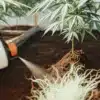
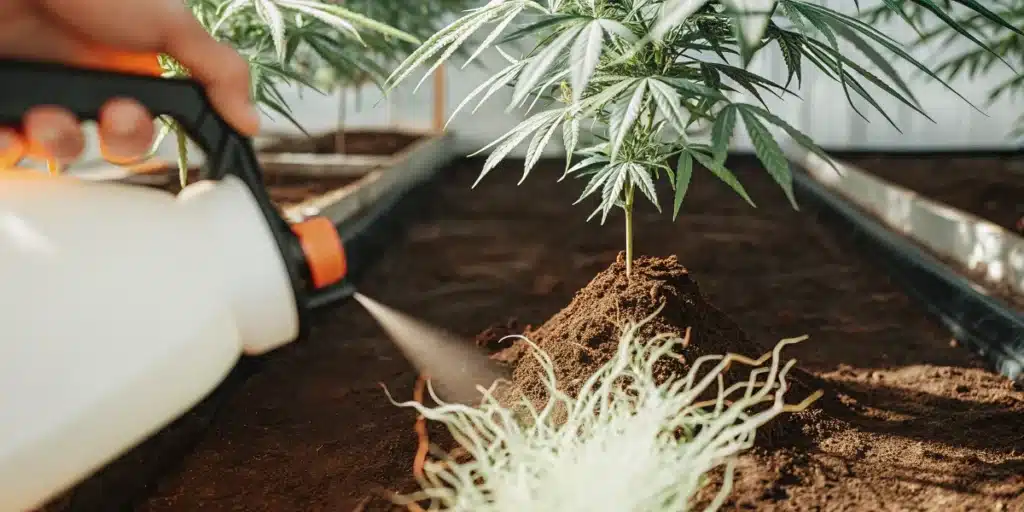
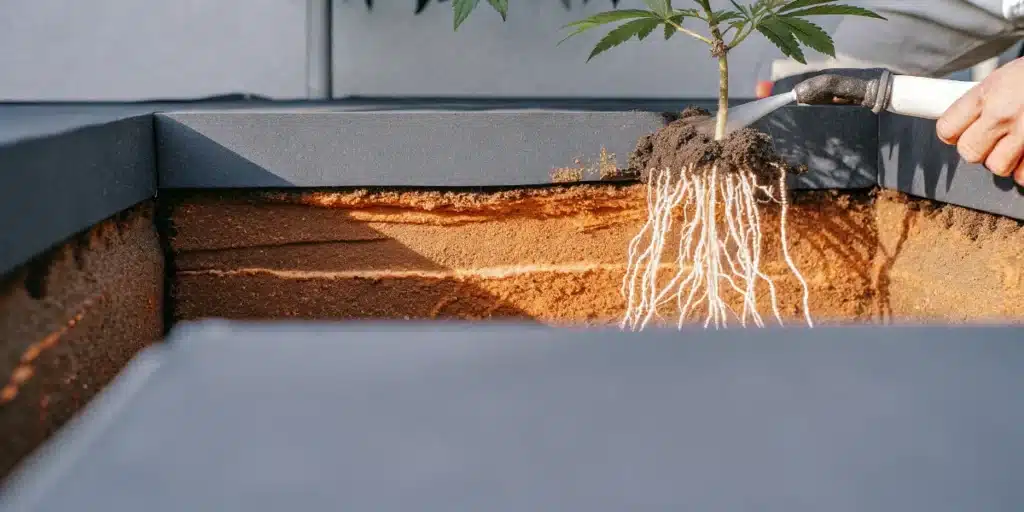
Effective Root Aphid Treatment: To combat root aphids, focus on soil treatment rather than foliage. Employ a soil drench with an organic bio-insecticide such as azadirachtin (e.g., AzaMax) and follow up with beneficial nematodes. This dual approach targets and reduces aphid populations effectively, ensuring healthier plant growth. It’s essential to maintain consistent application for optimal results.
Root aphids can wreak havoc on your plants by damaging their root systems, leading to stunted growth and diminished yields. These pests are particularly troublesome in indoor environments where they can thrive without natural predators. Utilizing a combination of biological controls and chemical treatments can effectively manage root aphid infestations, ensuring your plants remain healthy and productive.
Recommended Strains

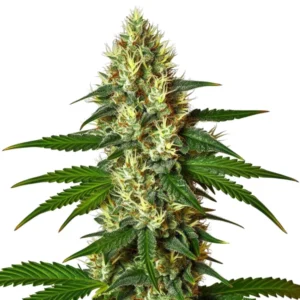
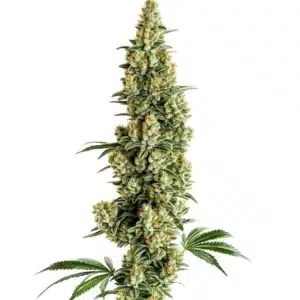
God's Gift

|
THC | 24% - 26% (High) |

|
Type | Feminized |

|
Yield | Low |

|
Phenotype | 90% Indica / 10% Sativa |
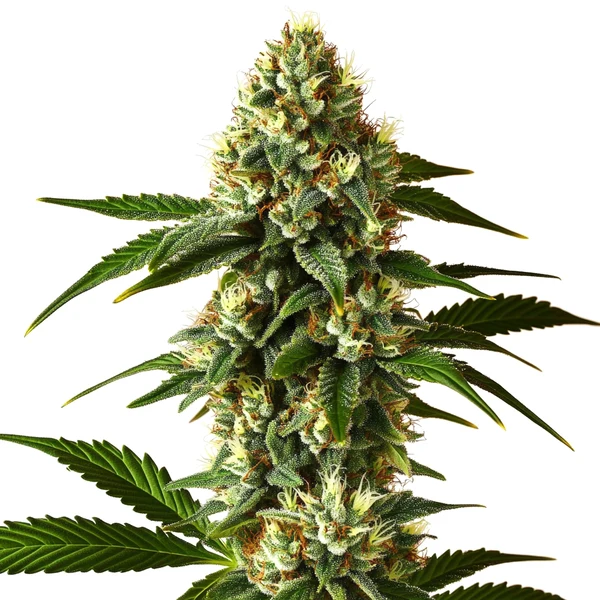
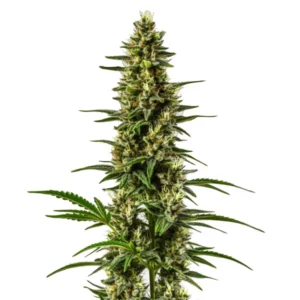
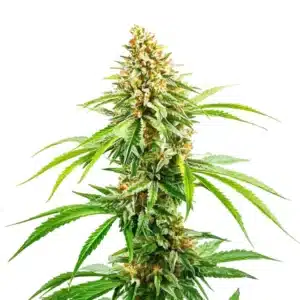
Carmen 2.0 Fast Version
|
|
THC | 14% - 16% (Medium) |
|
|
Type | Fast Flowering |
|
|
Yield | High |
|
|
Phenotype | 50% Indica / 50% Sativa |
Root Aphids: The Silent Destroyers
Signs of Root Aphids
Identifying root aphids early is crucial for effective management. Look for signs such as yellowing leaves, stunted growth, and wilting despite adequate watering. These symptoms often indicate a compromised root system. Root aphids can also cause a sooty mold to develop on the soil surface due to their honeydew secretion, which attracts mold spores.
Root aphids are typically found in clusters around the root zone. They are small, pear-shaped insects that can be white, yellow, or brown. A thorough inspection of the roots may reveal these pests, often mistaken for soil mites. Soil mites, however, are beneficial and help decompose organic matter, unlike root aphids which damage plant roots.
Root Aphids vs. Soil Mites
Distinguishing between root aphids and soil mites is essential for appropriate treatment. Root aphids damage plant roots by feeding on them, leading to nutrient deficiencies and poor plant health. In contrast, soil mites are generally harmless and contribute to soil health by breaking down organic material. Misidentifying these can lead to unnecessary treatments that may harm beneficial organisms.
Root aphids can be differentiated by their pear-shaped bodies and tendency to cluster around roots. In contrast, soil mites are smaller, more circular, and move rapidly. Using a magnifying glass can help in identifying these pests accurately. Correct identification ensures that you apply the right treatment, preserving beneficial soil life while targeting the harmful aphids.
Promos & Deals

How to Kill Root Aphids on Plants
How to Kill Root Aphids Naturally
Natural methods to kill root aphids include using beneficial insects like predatory nematodes. These microscopic organisms invade and consume root aphids, reducing their population significantly. Nematodes are most effective when applied to moist soil, as they require a humid environment to survive and move through the soil effectively.
Another natural approach is to use diatomaceous earth, a powdery substance that dehydrates and kills insects upon contact. Sprinkle it around the base of plants, ensuring it remains dry for maximum effectiveness. This method is safe for plants and non-toxic to humans and pets, making it an excellent option for organic gardens.
Chemical Methods to Eliminate Root Aphids
For severe infestations, chemical treatments may be necessary. Products containing azadirachtin, such as AzaMax, are effective in controlling root aphids. Apply these as a soil drench, ensuring thorough saturation of the root zone. Repeated applications every 7-10 days can help break the aphid lifecycle, reducing their numbers significantly.
Insecticidal soaps and oils can also be used, but care must be taken to avoid phytotoxicity. Always follow the manufacturer’s instructions and test on a small area before full application. Chemical treatments should be a last resort, used in conjunction with natural methods to minimize environmental impact.
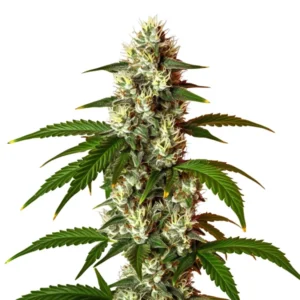
| Feature | Gods Gift | Lemon Og Fast Version | Carmen 2 0 Fast Version |
|---|---|---|---|
| THC% | 24-26% | 14-18% | 14-16% |
| Dominant Terpene | Myrcene | Limonene | Caryophyllene |
| Yield Indoor | 0.82 – 1.15 oz/ft² | 1.64 – 2.13 oz/ft² | 1.31 – 1.64 oz/ft² |
| Flowering Time | 7-9 weeks | 8-10 weeks | 7-8 weeks |
| Effect | Happy, Relaxed, Uplifted | Energetic, Giggly, Relaxed | Calming, Happy, Relaxed |
Root Aphids Damage and Prevention
Black Root Aphids
Black root aphids are particularly destructive, feeding on the plant’s root system and causing significant damage. They are identifiable by their dark color and tendency to cluster around the root zone. Damage from black root aphids includes reduced nutrient uptake, leading to chlorosis and wilting. Control is crucial to prevent long-term damage.
To manage black root aphids, employ a combination of biological controls and targeted chemical treatments. Beneficial nematodes are effective in reducing aphid populations, while soil drenches with azadirachtin can help eliminate them. Consistent monitoring and early intervention are key to preventing severe infestations.
Rice Root Aphids
Rice root aphids are another common pest, often found in hydroponic systems. They are smaller and lighter in color compared to black root aphids. These pests can quickly spread through a hydroponic setup, causing widespread damage. Symptoms include stunted growth and poor plant health due to impaired nutrient absorption.
Preventing rice root aphids involves maintaining a clean growing environment and monitoring plants regularly. Introducing beneficial insects and using insecticidal soaps can help manage these pests. For hydroponic systems, ensure all equipment is sanitized to prevent re-infestation.
How to Get Rid of Root Aphids in Indoor Plants
Indoor plants are particularly vulnerable to root aphids due to the controlled environment that lacks natural predators. Regularly inspect your plants for signs of infestation, such as wilting or yellowing leaves. Early detection is crucial for effective management and can prevent the spread of these pests.
Use a combination of cultural and chemical controls to manage root aphids indoors. Adjusting watering practices to avoid over-saturation can help, as aphids thrive in moist conditions. Additionally, applying a soil drench with azadirachtin or introducing beneficial nematodes can effectively reduce aphid populations.
Professional Tips for Managing Root Aphids
- Maintain soil moisture at 50-60% to discourage aphid breeding. Overly moist soil can promote aphid proliferation within days.
- Introduce beneficial nematodes at a rate of 5 million per 1,000 square feet for effective biological control.
- Apply azadirachtin soil drench every 7-10 days for consistent aphid management. Ensure thorough root zone coverage.
- Use diatomaceous earth around plant bases to physically deter aphids. Reapply after watering or rain.
- Regularly inspect plants with a magnifying glass to catch early signs of aphid infestation.
- Rotate chemical treatments to prevent aphid resistance. Alternate between azadirachtin and insecticidal soaps.
FAQs About Root Aphids
How do I get rid of root aphids permanently?
To permanently eliminate root aphids, integrate biological controls like nematodes with chemical treatments such as azadirachtin. Consistent application over several weeks disrupts their lifecycle. Maintain soil moisture at optimal levels to prevent re-infestation. Regular monitoring and early intervention are key to long-term control.
How can I get rid of root aphids in my soil?
Use a soil drench with azadirachtin to target root aphids directly in the soil. Follow up with beneficial nematodes to enhance control. Maintain soil moisture at 50-60% to discourage aphid breeding. Regular inspections and treatments every 7-10 days are essential for effective management.
What kills aphids immediately?
Insecticidal soaps and oils can kill aphids on contact. Apply these directly to affected areas for immediate results. Ensure thorough coverage of the plant, especially the undersides of leaves. Reapply as needed, following the manufacturer’s instructions, to maintain control over aphid populations.
Does hydrogen peroxide kill root aphids?
Hydrogen peroxide can kill root aphids by disrupting their cellular structure. Use a 3% solution, diluted with water at a 1:4 ratio, and apply as a soil drench. This method is effective for small infestations but may require repeated applications for larger populations. Monitor plant response closely.
Can root aphids spread to other plants?
Yes, root aphids can spread to other plants through soil movement or water runoff. To prevent this, isolate infested plants and treat them immediately. Regularly inspect nearby plants for signs of infestation and apply preventive measures such as beneficial nematodes or soil drenches.