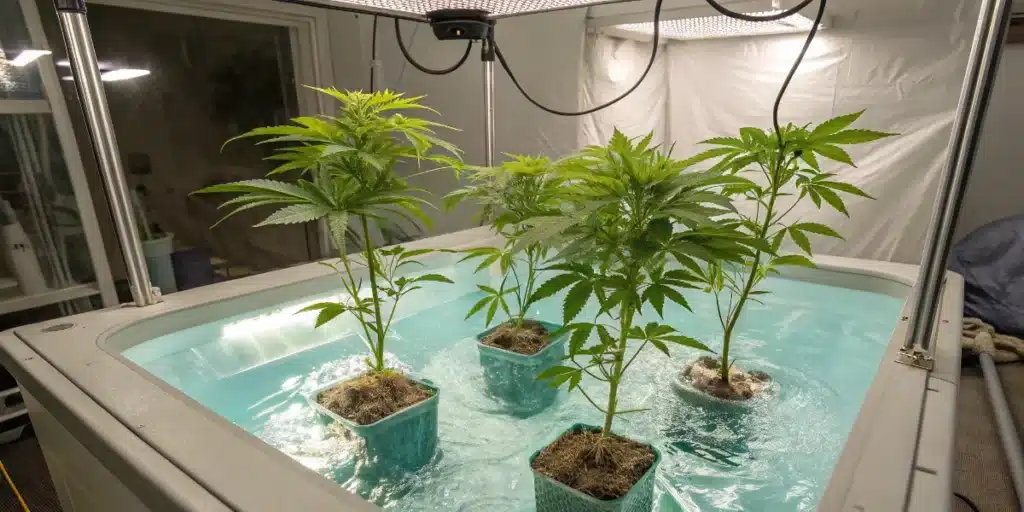
How to Grow Hydroponic Cannabis: A Complete Guide

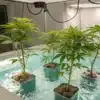
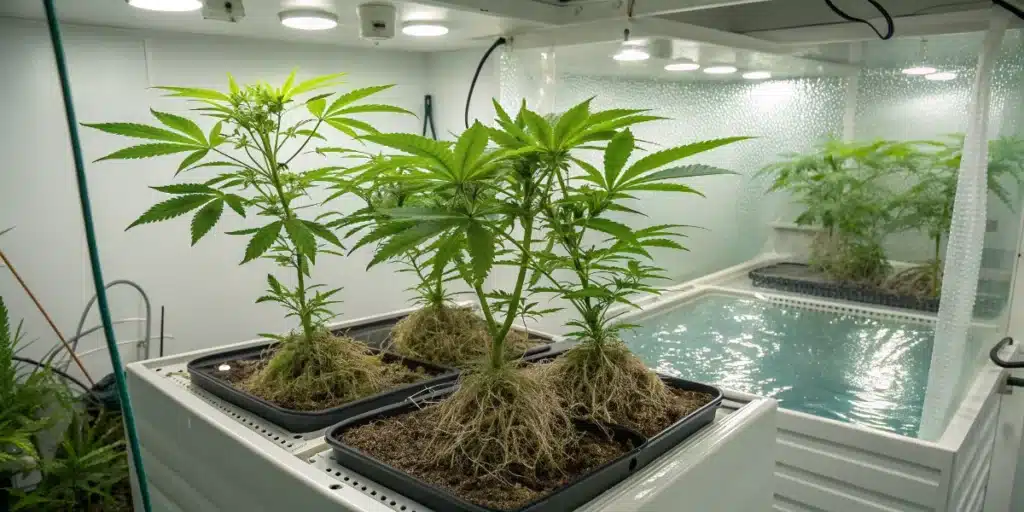
Hydroponic Cannabis Growth: Cultivating cannabis hydroponically involves immersing plant roots in a nutrient-rich, oxygenated water solution instead of soil. This technique eliminates the need for plants to expend energy finding nutrients, leading to more rapid development and larger yields. Deep Water Culture (DWC) is a popular choice for beginners due to its simplicity and effectiveness.
Exploring the world of hydroponic cannabis cultivation opens up opportunities for enhanced terpene profiles and shorter flowering times. With careful management of nutrient solutions and environmental conditions, you can expect vibrant growth and potent flavors. This guide will take you through the essentials of setting up and maintaining a successful hydroponic system.
Recommended Strains

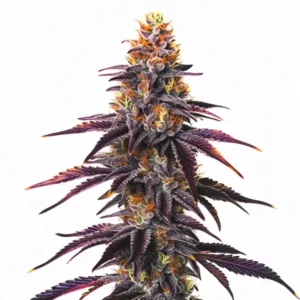
Mamba Negra

|
THC | 18% (Medium) |

|
Type | Feminized |

|
Yield | High |

|
Phenotype | 55% Indica / 45% Sativa |

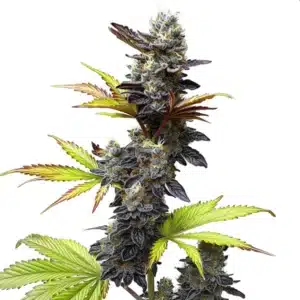
Cafe Racer
|
|
THC | 25% (High) |
|
|
Type | Feminized |
|
|
Yield | Medium |
|
|
Phenotype | 30% Indica / 70% Sativa |
Hydroponic Cannabis Growing Basics
What is Hydroponics?
Hydroponics is a method of growing plants without soil, using a nutrient-rich water solution. This approach allows for precise control over nutrient levels, which can lead to faster growth rates and higher yields. The absence of soil reduces the risk of pests and diseases, making it an attractive option for cannabis cultivation.
In hydroponics, cannabis plants can absorb nutrients more efficiently, resulting in quicker vegetative and flowering phases. For instance, hydroponic systems can reduce flowering time by up to 20% compared to traditional soil methods, allowing for multiple harvests per year.
Why Choose Hydroponics for Cannabis?
Choosing hydroponics for cannabis cultivation offers several advantages, including faster growth and higher yields. The controlled environment allows for optimal nutrient delivery, which can enhance cannabinoid and terpene production. This method also minimizes water usage, making it an eco-friendly option.
Experienced growers often report yield increases of 20-30% when switching from soil to hydroponics. This is largely due to the precise control over environmental factors such as pH and nutrient concentration, which are crucial for maximizing plant health and productivity.
Promos & Deals

Benefits of Growing Cannabis Hydroponically
Increased Yield and Potency
Hydroponic systems are known for producing higher yields and more potent cannabis. By providing a consistent supply of nutrients directly to the roots, plants can focus their energy on growth and resin production. This often results in cannabis with higher THC levels and more pronounced flavors.
For example, hydroponic setups can achieve THC concentrations of 25-30%, compared to 15-20% in soil-grown plants. This increase in potency is attributed to the optimized nutrient uptake and stress-free growing conditions provided by hydroponics.
Environmental Control and Resource Efficiency
Hydroponic systems offer unparalleled control over the growing environment, allowing growers to adjust temperature, humidity, and light levels precisely. This control can lead to healthier plants and more consistent harvests. Additionally, hydroponics uses less water than traditional soil cultivation, as the water is recirculated within the system.
By maintaining a relative humidity of 50-60% and a temperature range of 68°F – 77°F (20°C – 25°C), growers can create an ideal environment for cannabis plants. This level of control not only improves plant health but also conserves resources, making hydroponics a sustainable choice.
Choosing the Best Hydroponic System for Cannabis
Comparing Different Systems
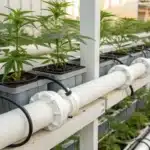
When selecting a hydroponic system, it’s essential to consider factors such as space, budget, and experience level. Popular systems include Deep Water Culture (DWC), Nutrient Film Technique (NFT), and the AutoPot grow system. Each has its advantages and challenges, making it crucial to choose the one that aligns with your goals.
The AutoPot system, for instance, is favored for its low maintenance and water efficiency, making it ideal for beginners. In contrast, DWC offers rapid growth rates and is excellent for those seeking high yields. NFT is best suited for experienced growers due to its complexity and precision requirements.
Factors to Consider When Choosing a System
Consider the size of your grow space, the number of plants you wish to cultivate, and your budget when choosing a hydroponic system. Larger systems like DWC require more space but can support more plants, while smaller setups like AutoPot are more compact and cost-effective.
It’s also important to assess your level of experience. Beginners might prefer simpler systems like AutoPot, which require less monitoring and maintenance, while experienced growers might opt for NFT or DWC to maximize yield and control.
| Feature | Deep Water Culture (DWC) | Nutrient Film Technique (NFT) | AutoPot System |
|---|---|---|---|
| Ease of Use | Moderate | Advanced | Easy |
| Water Efficiency | High | Medium | Very High |
| Yield Potential | High | Very High | Moderate |
| Setup Cost | Medium | High | Low |
| Maintenance | Moderate | High | Low |
Hydroponic Cannabis Nutrient Guide
Essential Nutrients for Hydroponics
In hydroponics, cannabis plants require a balanced mix of macronutrients and micronutrients. Key macronutrients include nitrogen (N), phosphorus (P), and potassium (K), with a recommended ratio of 3:1:2 during the vegetative stage and 1:3:2 during flowering. Micronutrients such as calcium, magnesium, and iron are also crucial for plant health.
Maintaining the correct electrical conductivity (EC) level, typically between 1.0 and 2.5 mS/cm, ensures optimal nutrient absorption. Monitoring pH levels is equally important, with a target range of 5.5 to 6.5 to prevent nutrient lockout and promote healthy growth.
Adjusting Nutrient Levels for Optimal Growth
Regularly testing and adjusting nutrient levels is vital for successful hydroponic cannabis cultivation. Use a digital EC meter to monitor nutrient concentration and a pH meter to ensure the solution remains within the ideal range. Adjust nutrient solutions weekly to accommodate plant growth and changing environmental conditions.
Experienced growers recommend using a nutrient schedule tailored to the specific strain and growth stage. This approach helps prevent deficiencies and ensures plants receive the right nutrients at the right time, leading to robust growth and high yields.
Setting Up Your Hydroponic Grow System
Essential Equipment and Setup
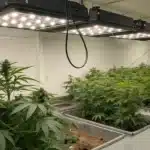
Setting up a hydroponic grow system requires several key components, including a reservoir, air pump, water pump, grow lights, and a grow tent for cannabis cultivation. A cannabis grow tent for beginners should be easy to assemble and provide adequate space for your plants to thrive.
Ensure your grow tent maintains a consistent environment by using fans and dehumidifiers to control temperature and humidity. A typical setup might include a 4×4 ft (1.2×1.2 m) tent, which can accommodate 4-6 plants comfortably, depending on the strain and growth method.
Hydroponic Grow Setup Tips
When setting up your hydroponic system, consider the placement of your equipment to ensure easy access for maintenance and monitoring. Position your reservoir at a convenient height for water changes and nutrient adjustments, and arrange your plants to maximize light exposure.
It’s crucial to monitor environmental conditions closely, using digital thermometers and hygrometers to track temperature and humidity. Aim for a temperature range of 68°F – 77°F (20°C – 25°C) and a relative humidity of 50-60% to create an optimal growing environment.
How to Grow Hydroponic Cannabis for Beginners
Step-by-Step Guide
Starting with hydroponics can be daunting, but following a structured approach simplifies the process. Begin by selecting a suitable hydroponic system, such as the AutoPot, which is ideal for beginners due to its simplicity and low maintenance requirements.
Next, gather essential equipment, including grow lights, a pH meter, and an EC meter. Set up your grow tent and hydroponic system, ensuring all components are properly connected and functioning. Fill the reservoir with a nutrient solution and adjust the pH to the ideal range.
Maintaining Your Hydroponic System
Regular maintenance is key to successful hydroponic cannabis cultivation. Check nutrient levels weekly and adjust as needed, ensuring your plants receive the right balance of nutrients. Monitor pH and EC levels daily to prevent nutrient lockout and other issues.
Keep your grow area clean and free of debris to minimize the risk of pests and diseases. Regularly inspect plants for signs of stress or deficiencies, and address any issues promptly to maintain healthy growth and maximize yields.
Common Challenges and Solutions
Troubleshooting Tips
Hydroponic cannabis cultivation can present challenges, such as nutrient deficiencies, pH imbalances, and equipment malfunctions. Regular monitoring and maintenance help prevent these issues, but knowing how to troubleshoot problems is essential for successful growing.
For example, yellowing leaves might indicate a nitrogen deficiency, which can be corrected by adjusting the nutrient solution. Similarly, if pH levels are outside the ideal range, use pH up or down solutions to bring them back to the target range of 5.5 to 6.5.
Preventing Common Mistakes
One common mistake is overfeeding plants, which can lead to nutrient burn and stunted growth. To avoid this, follow a nutrient schedule and monitor EC levels closely. Another mistake is neglecting environmental controls, which can result in temperature or humidity fluctuations that stress plants.
Ensure your grow area is well-ventilated and maintain consistent environmental conditions to support healthy plant growth. Regularly inspect equipment for wear and tear, and replace any faulty components promptly to prevent disruptions in your grow cycle.
Advanced Techniques: Tying Down Cannabis Plants
Maximizing Yield with Low-Stress Training
Tying down cannabis plants is an advanced technique used to increase yields and improve light penetration. This method, known as low-stress training (LST), involves gently bending and securing branches to create a more even canopy.
By spreading out the plant’s branches, LST allows more light to reach lower bud sites, promoting uniform growth and larger yields. This technique is particularly effective in hydroponic systems, where rapid growth can lead to overcrowding if not managed properly.
Implementing Tying Down Techniques
To tie down cannabis plants, use soft plant ties or garden wire to secure branches to the sides of your grow container. Begin training early in the vegetative stage, when branches are more flexible and easier to manipulate.
Regularly adjust ties as plants grow, ensuring branches remain evenly spread and do not shade lower bud sites. Monitor plant health closely during training, and avoid applying too much pressure, which can damage branches and stunt growth.
Professional Tips for Hydroponic Cannabis Growing
- Maintain 58-62% RH during the curing process. Below 55% arrests terpene development; above 65% promotes mold growth within 48 hours. Use a calibrated digital hygrometer for accuracy.
- Keep nutrient solution temperature between 65°F – 75°F (18°C – 24°C) to prevent root rot and promote healthy growth. Use a water chiller if necessary to maintain optimal temperatures.
- Monitor pH levels daily, aiming for a range of 5.5 to 6.5. Fluctuations outside this range can lead to nutrient lockout and affect plant health.
- Ensure adequate airflow in your grow tent to prevent heat buildup and humidity issues. Use oscillating fans to circulate air and maintain a consistent environment.
- Regularly clean and sterilize equipment to prevent the spread of diseases and pests. Use a mild bleach solution to disinfect reservoirs, pumps, and tubing.
- Track plant growth and adjust nutrient schedules based on the specific needs of your strain. This approach helps prevent deficiencies and maximizes yield potential.
FAQs on Hydroponic Cannabis Growing
What are 5 disadvantages of hydroponics?
Hydroponics can be costly to set up, with initial expenses for equipment and nutrients. It requires constant monitoring of pH and nutrient levels, making it labor-intensive. Power outages can disrupt systems, leading to plant stress. Additionally, hydroponics can be less forgiving of mistakes, and waterborne diseases can spread quickly.
Is setting up hydroponic cannabis grow hard to do?
Setting up a hydroponic cannabis grow can be challenging for beginners due to the technical knowledge required. It involves assembling equipment, managing nutrient solutions, and maintaining environmental conditions. However, with research and careful planning, it becomes manageable and rewarding.
How do I start hydroponics for beginners?
To start hydroponics, choose a beginner-friendly system like AutoPot, gather essential equipment, and set up a grow tent. Monitor pH and nutrient levels regularly, and follow a nutrient schedule tailored to your cannabis strain. Start with a small setup to gain experience before expanding.
Which hydroponic system is best for cannabis?
The best hydroponic system for cannabis depends on your experience level and goals. Deep Water Culture (DWC) is ideal for high yields, while AutoPot is beginner-friendly and low maintenance. Nutrient Film Technique (NFT) offers precision and efficiency for experienced growers.
Can hydroponic systems be used for other plants?
Yes, hydroponic systems can be used to grow a variety of plants, including vegetables, herbs, and flowers. They offer the same benefits of increased growth rates and yields due to precise nutrient delivery and environmental control.