Expert Defoliation Techniques to Reduce Mold in Cannabis Now

Defoliation is a crucial step in maintaining healthy cannabis plants. It involves removing excess leaves to improve airflow and light penetration. This practice is particularly useful in preventing mold, a common problem that can ruin your harvest. Mold thrives in environments with poor air circulation and high humidity. By employing effective defoliation techniques, you can significantly reduce mold risk in cannabis cultivation.
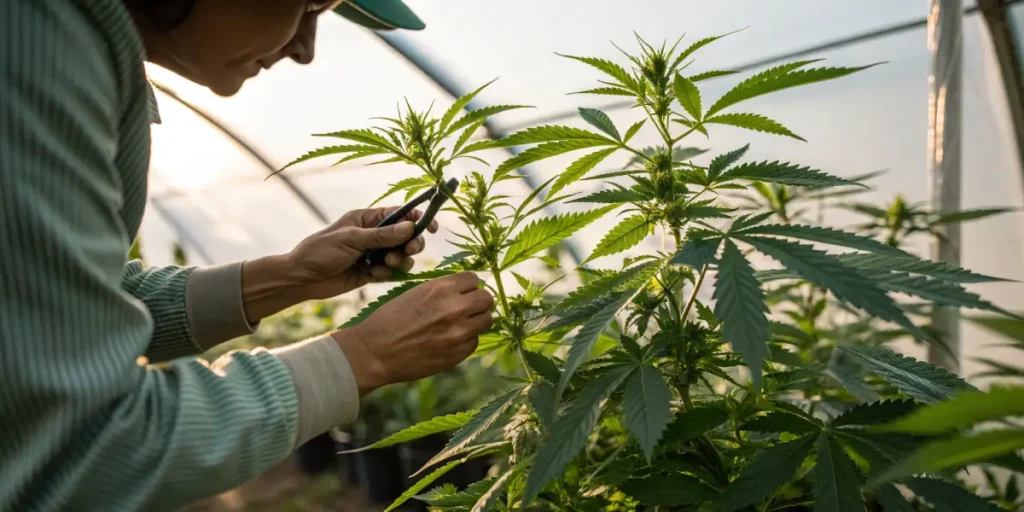
When defoliating, it’s important to target the right leaves. Focus on older, larger fan leaves that block sunlight from reaching lower branches. Removing these leaves not only enhances light exposure but also boosts airflow, making it harder for mold to develop. Remember to be gentle and avoid over-pruning, which can stress the plant.
Recommended Strains

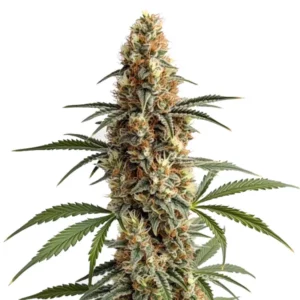
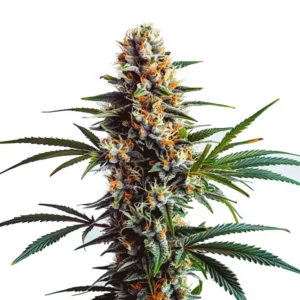
Green Crack

|
THC | 21% (Medium) |

|
Type | Feminized |

|
Yield | High |

|
Phenotype | 35% Indica / 65% Sativa |
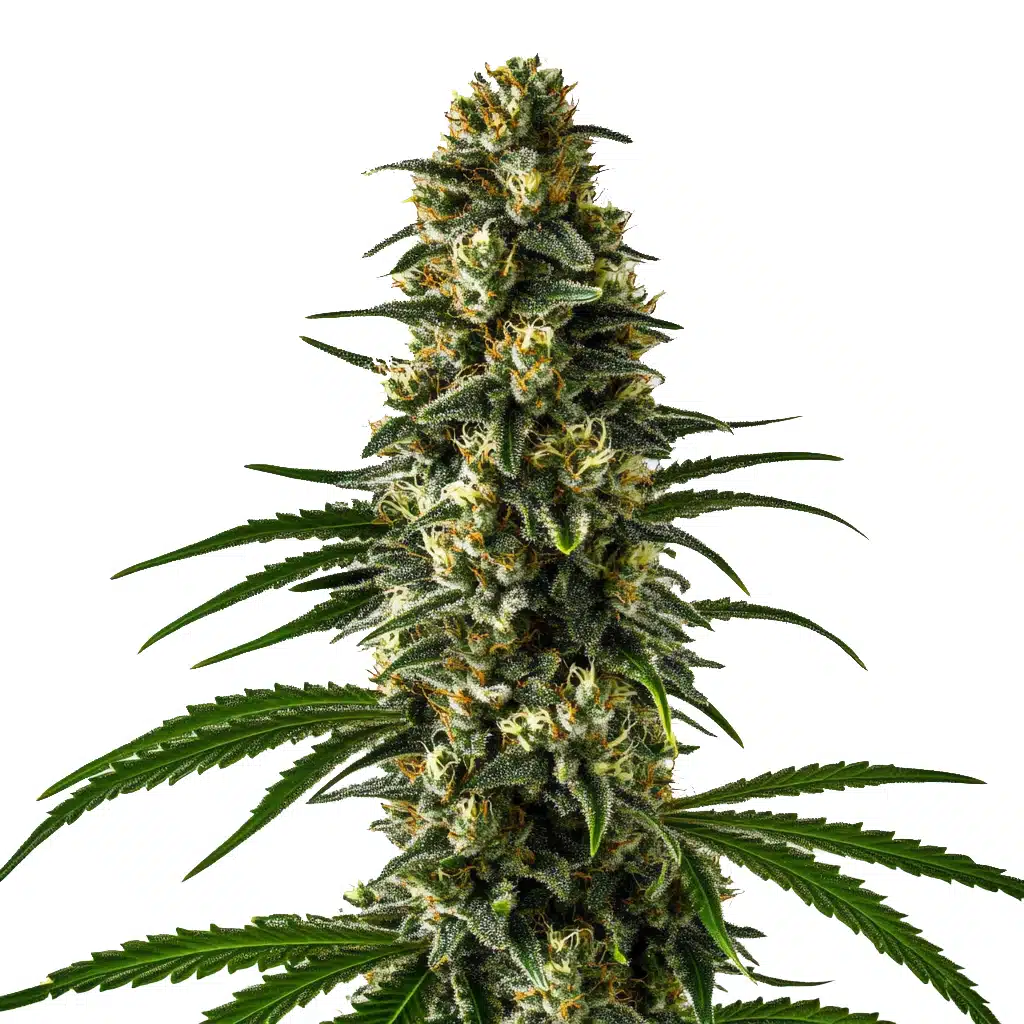
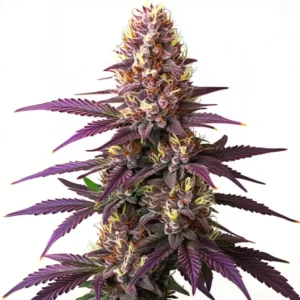
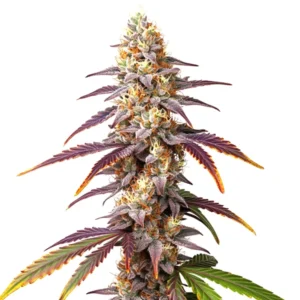
Girl Scout Cookies
|
|
THC | 18% - 25% (High) |
|
|
Type | Feminized |
|
|
Yield | High |
|
|
Phenotype | 60% Indica / 40% Sativa |
One of the best defoliation practices for mold control in cannabis is to start early in the vegetative stage. This sets the foundation for a mold-free flowering phase. Regular maintenance throughout the plant’s life cycle ensures that conditions remain unfavorable for mold growth. Let’s dive deeper into specific techniques and tips that can help you achieve a mold-free crop.
Key Defoliation Methods to Prevent Cannabis Mold
Defoliation methods to prevent cannabis mold vary among growers, but some strategies stand out for their effectiveness. One popular technique is selective defoliation. This method involves selectively removing leaves that obstruct light or airflow, focusing on areas where mold is likely to develop. By targeting specific leaves, you minimize stress on the plant while optimizing conditions for growth.
Another effective method is lollipopping. This technique involves trimming the lower third of the plant, removing leaves and small branches that won’t receive adequate light. Lollipopping enhances airflow at the base, a prime area for mold development. This method is particularly useful for dense, bushy strains like those offered by Blimburn Seeds.
Besides to these techniques, consider using a staggered approach to defoliation. This means removing leaves gradually over time rather than all at once, allowing the plant to adjust without experiencing shock. This approach is part of the best defoliation practices for mold control in cannabis and helps maintain plant health during the critical flowering stage.
Furthermore, integrating defoliation with other mold prevention strategies can yield even better results. For example, maintaining optimal environmental conditions, such as proper humidity and temperature, can complement defoliation efforts. When combined, these strategies provide a holistic approach to cannabis mold prevention with leaf removal.
Implementing Cannabis Mold Prevention with Leaf Removal
To successfully implement cannabis mold prevention with leaf removal, timing is crucial. Begin defoliating during the vegetative stage when plants are robust. Remove leaves that overlap, creating shaded areas where moisture can accumulate. This proactive approach reduces the likelihood of mold taking hold.
Regular inspections of your plants are essential. Look for signs of overcrowding, especially in the middle and lower sections of the plant. These areas are prone to humidity buildup, providing a perfect environment for mold. By consistently removing excess foliage, you maintain a healthy balance between plant growth and mold prevention.
As you implement defoliation techniques to reduce mold in cannabis, consider the overall health of your plants. Stressed plants are more susceptible to mold, so ensure they receive adequate nutrients and water. A healthy plant is better equipped to resist mold, making defoliation even more effective.
Additionally, staying informed about the latest defoliation methods to prevent cannabis mold can enhance your results. Engage with online forums and communities where growers share their experiences and tips. This knowledge exchange can provide valuable insights and improve your defoliation strategy.
Promos & Deals
Reducing Mold Risk in Cannabis Through Defoliation
Reducing mold risk in cannabis through defoliation requires a strategic approach. Begin by evaluating your grow space. Tight quarters with poor ventilation can exacerbate mold problems. Ensure your grow area has adequate airflow, and use oscillating fans to keep air moving between plants.
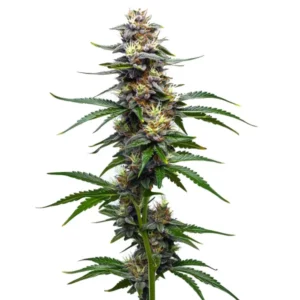
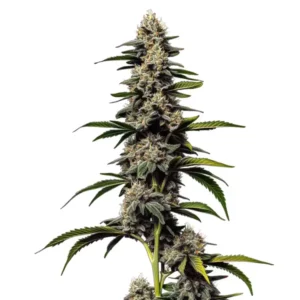
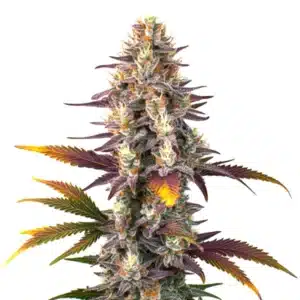
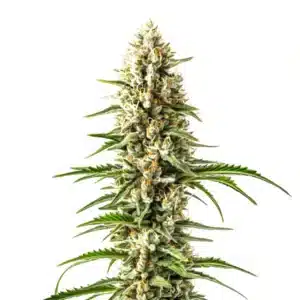
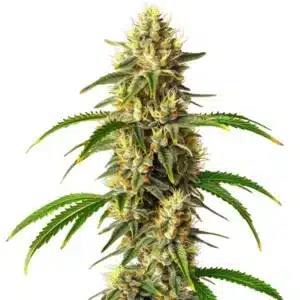
Consider the strain you’re growing. Some strains are more susceptible to mold than others. Blimburn Seeds offers a variety of strains that are known for their resilience against mold, such as the potent Green Crack, the flavorful Girl Scout Cookies, and the robust Blue Dream. These strains, combined with proper defoliation techniques, can help you achieve a successful, mold-free harvest.
Incorporating regular environmental monitoring can significantly aid in reducing mold risk. Use hygrometers to track humidity levels and adjust your defoliation strategy accordingly. If you notice persistent high humidity, increase the frequency of leaf removal to enhance airflow and minimize mold risk.
Remember, successful cannabis mold prevention with leaf removal is not only about defoliation. It also involves maintaining cleanliness in your grow space. Remove plant debris promptly and sanitize surfaces regularly to prevent mold spores from finding a foothold. These practices, combined with defoliation, create an inhospitable environment for mold growth.
Defoliating to Minimize Mold Growth in Cannabis Plants
When defoliating to minimize mold growth in cannabis plants, your goal is to create an environment where mold struggles to thrive. Begin by removing leaves that are yellowing or damaged, as these are more susceptible to mold. Ensure that lower branches receive enough light and airflow, reducing the risk of moisture accumulation.
Regularly monitor humidity levels in your grow space. High humidity is a breeding ground for mold, so aim to keep levels below 50% during the flowering stage. If necessary, invest in a dehumidifier to maintain optimal conditions. Coupled with strategic defoliation, this can dramatically decrease the likelihood of mold.
As you practice cannabis plant defoliation to minimize mold growth, always adapt your approach based on plant response. If you notice signs of stress after defoliation, such as wilting or leaf curling, consider adjusting your technique to avoid over-pruning.
Lastly, take advantage of technology to enhance your defoliation efforts. Using sensors and automation systems to control environmental factors like temperature and humidity can support your defoliation strategy. These tools help maintain consistent conditions, further reducing mold risk in cannabis through defoliation.
FAQs about defoliation techniques to reduce mold in cannabis
How often should I defoliate my cannabis plants?
Defoliation frequency depends on the plant’s growth stage and density. During the vegetative stage, you may defoliate every few weeks to maintain airflow and light penetration. In the flowering stage, limit defoliation to avoid stressing the plant. Always assess your plants’ needs and adjust accordingly.
Monitor your plants regularly. If you notice overcrowding or poor airflow, it might be time for another round of defoliation. However, avoid excessive pruning, as this can hinder growth and reduce yields. Balance is key to effective defoliation techniques to reduce mold in cannabis.
To determine the best timing for defoliation, consider the specific characteristics of your cannabis strain. Some strains may require more frequent leaf removal due to their dense foliage, while others might need less intervention. Tailor your approach to suit the unique needs of your plants for optimal results.
Defoliation methods to prevent cannabis mold should also be flexible enough to accommodate unforeseen changes in growing conditions. For example, if your grow space experiences a sudden increase in humidity, you may need to adjust your defoliation schedule to counteract the increased mold risk.
Can defoliation help with pest prevention?
Yes, defoliation can aid in pest prevention. By removing excess foliage, you reduce hiding spots for pests like aphids and spider mites. Improved airflow and light exposure also create a less favorable environment for these unwanted guests.
Additionally, regular inspection during defoliation helps you spot early signs of pest infestations. Catching these problems early allows for timely intervention, minimizing damage to your plants. This proactive approach complements your efforts in cannabis mold prevention with leaf removal.
Effective defoliation techniques to reduce mold in cannabis can also indirectly contribute to pest management. By promoting stronger and healthier plants, defoliation can enhance the plants’ natural defenses against pests, making them less susceptible to infestations.
For a comprehensive pest management strategy, combine defoliation with other control measures, such as introducing beneficial insects or applying organic pest repellents. Together, these methods can help maintain a healthy growing environment and protect your cannabis plants from mold and pests alike.
Is defoliation necessary for all cannabis strains?
Not all cannabis strains require defoliation, but many benefit from it. Dense, bushy strains particularly need defoliation to prevent mold. Strains like those from Blimburn Seeds, such as Green Crack and Girl Scout Cookies, are known for their vigor and can handle moderate defoliation well.
Assess your strain’s growth habits. If it tends to develop thick foliage, defoliation might be necessary to improve airflow and light penetration. Always tailor your approach to the specific needs of your plants to achieve the best results.
For strains that do not require extensive defoliation, focus on maintaining a balanced approach that enhances plant health without causing unnecessary stress. Even minimal leaf removal can contribute positively to reducing mold risk in cannabis through defoliation.
Consider experimenting with defoliation on a small scale before applying it to your entire crop. This allows you to observe how different strains respond to defoliation and refine your methods for the most effective cannabis plant defoliation to minimize mold growth.
What tools do I need for defoliation?
For effective defoliation, you’ll need a pair of sharp, sterilized scissors or pruning shears. These tools ensure clean cuts, reducing the risk of infection or disease. You may also want gloves to protect your hands and minimize the transfer of oils to the plants.
Keep your tools clean and sharp for the best results. Dull blades can damage plant tissue, increasing vulnerability to disease. Regular maintenance of your tools is part of the best defoliation practices for mold control in cannabis.
Besides to the basic tools, consider investing in a magnifying glass or jeweler’s loupe. These can help you inspect leaves closely for signs of mold or pests, allowing for more precise defoliation methods to prevent cannabis mold.
Organization and accessibility of your tools are also crucial. Keep everything you need within easy reach to streamline the defoliation process and ensure you can respond quickly to any emerging issues in your grow space.
Are there risks associated with defoliation?
While defoliation has many benefits, it does carry some risks. Over-defoliating can stress the plant, slowing growth and reducing yields. Always be cautious and avoid removing too many leaves at once.
Observe your plants’ response to defoliation. If they show signs of stress, such as drooping or discoloration, it may be time to ease off. With practice and observation, you’ll find the right balance in cannabis plant defoliation to minimize mold growth effectively.
One way to mitigate the risks of defoliation is by gradually increasing your experience and knowledge. Start with more resilient strains, such as those from Blimburn Seeds, to practice your technique before applying it to more delicate varieties.
Knowing the specific needs of your plants and environment is key to minimizing the risks associated with defoliation. Regularly review and adapt your strategies to ensure the health and productivity of your cannabis crop, focusing on reducing mold risk in cannabis through defoliation.