Outdoor Cannabis: Last 2 Weeks Flowering Tips

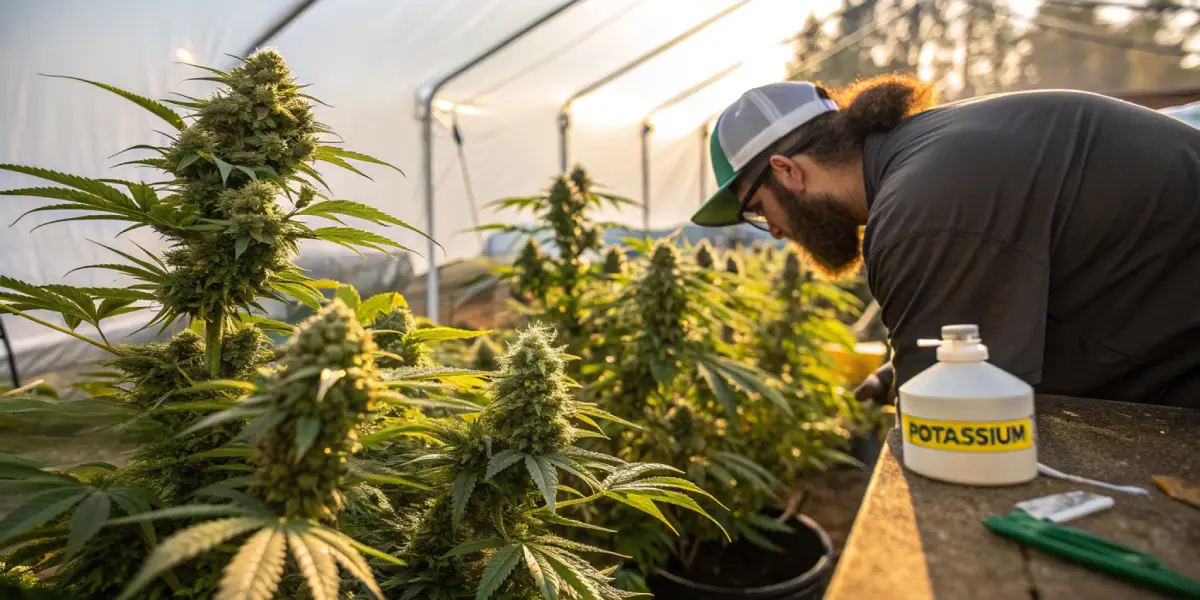
Outdoor cannabis flowering: In the final two weeks of flowering outdoors, focus on optimizing nutrient schedules and managing environmental conditions. Adjust phosphorus and potassium levels to boost resin production and monitor light intensity for dense buds. Regularly assess trichome maturity to ensure timely harvesting, maximizing both potency and flavor. Proper care during this period leads to high-quality yields.
The final two weeks of outdoor flowering are critical for enhancing terpene profiles and ensuring peak resin production. During this period, terpenes like myrcene and limonene can significantly influence aroma and flavor. This stage also determines the flowering time, typically lasting 8-9 weeks, requiring precise environmental management to achieve the best results.
Recommended Strains
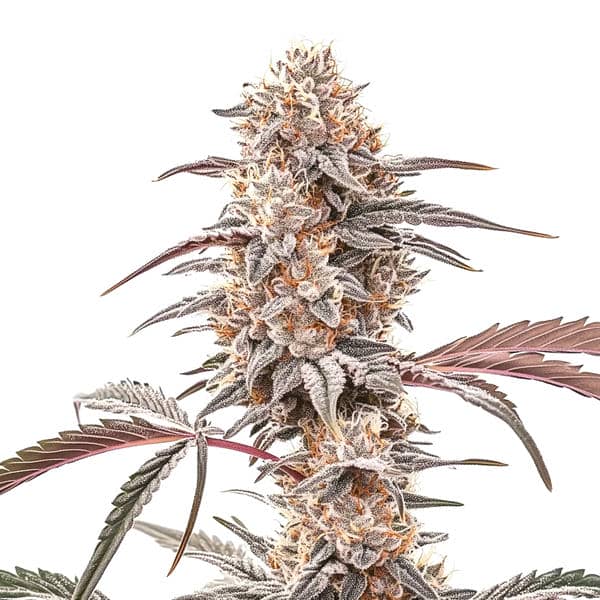
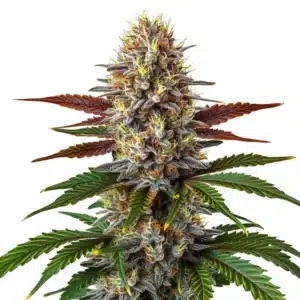
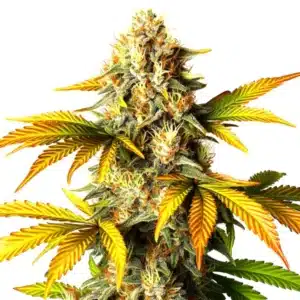
Biscotti

|
THC | 25% - 30% (High) |

|
Type | Feminized |

|
Yield | High |

|
Phenotype | 80% Indica / 20% Sativa |
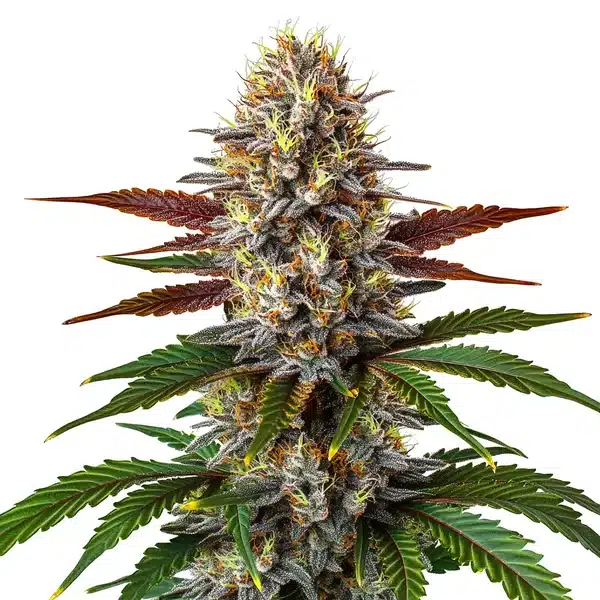
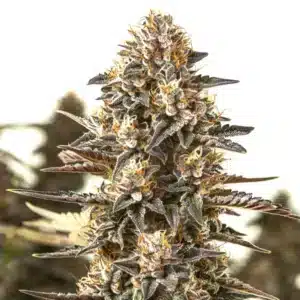
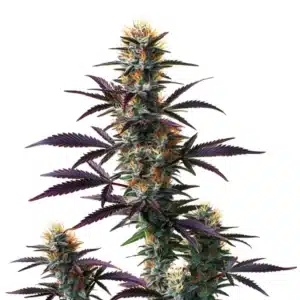
Biscotti Mintz
|
|
THC | 22% - 25% (High) |
|
|
Type | Feminized |
|
|
Yield | High |
|
|
Phenotype | 80% Indica / 20% Sativa |
Assessing Plant Health
Monitoring for Stress and Pests
In the last two weeks, your plants are highly susceptible to stress and pests. Regularly inspect every leaf and bud for signs of infestation or nutrient deficiencies. Look for discolored leaves or unusual growth patterns, which can indicate underlying issues. Addressing these promptly ensures plants remain healthy and productive.
During this period, maintaining a balance of 40-50% relative humidity (RH) is crucial to prevent mold and mildew. Use a digital hygrometer to monitor humidity levels accurately. High humidity can lead to Botrytis, while low levels may slow down resin production, affecting the final quality of your buds.
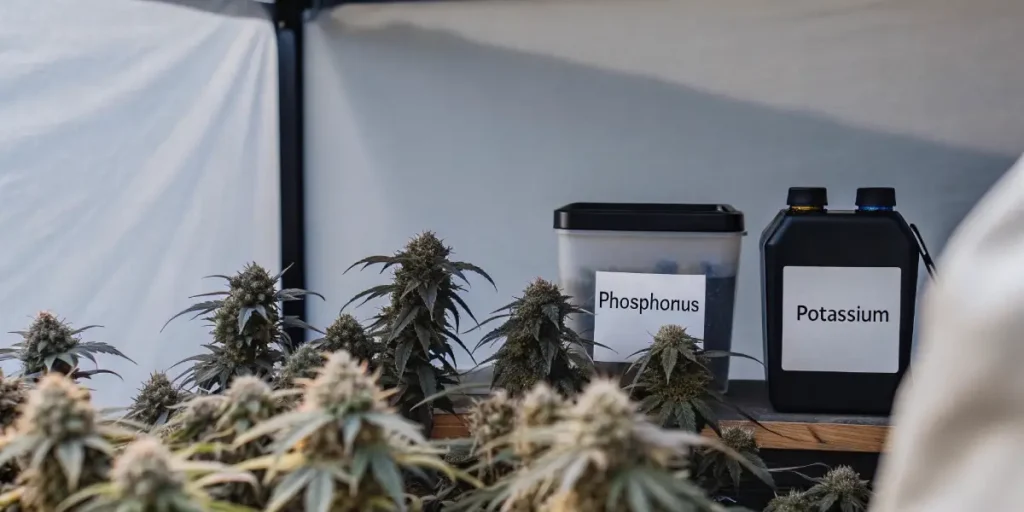
Balancing Phosphorus and Potassium
Adjusting nutrient schedules is vital in the last two weeks. Reduce nitrogen levels and increase phosphorus and potassium to enhance resin production and flower quality. This shift supports the natural maturation process, directing energy towards bud formation rather than vegetative growth.
Ensure your nutrient solution maintains a pH of 6.5 to optimize nutrient uptake. A common mistake is neglecting pH levels, which can lead to nutrient lockout and reduced yields. Regularly check and adjust your solution to maintain optimal conditions for your plants.
Promos & Deals
Managing Environmental Factors
Temperature and Humidity Control
Temperature and humidity play a crucial role in the final flowering stage. Aim to maintain temperatures between 68°F – 77°F (20°C – 25°C) to support healthy bud development. Sudden weather changes can stress plants, so ensure proper airflow and shading if necessary.
Use shade cloths to manage sunlight exposure and prevent overheating. Consistent environmental conditions help your plants reach their full potential, minimizing risks and supporting a smooth maturation process. Avoid drastic temperature fluctuations, which can lead to stress and reduced resin production.
Light Intensity in the Final Week
Maximizing light exposure is essential for outdoor growers. Arrange your garden so each plant receives optimal sunlight without overheating. Proper light intensity enhances photosynthesis, leading to denser buds and improved flavor profiles.
Monitor light intensity using a PAR meter, aiming for 800-1000 µmol/m²/s during peak flowering. A common error is allowing plants to become shaded, which reduces photosynthesis and bud growth. Adjust plant positions to ensure even light distribution.
| Feature / Merkmal | Lemon Cherry Runtz | Cheesecake X Gelato Auto | Agent Orange |
|---|---|---|---|
| THC Percentage | 22-26% | 20-24% | 18-22% |
| Dominant Terpene | Limonene | Caryophyllene | Myrcene |
| Flowering Time | 8-9 weeks | 7-8 weeks | 9-10 weeks |
| Yield | 18-21 oz/plant (510-600 g/plant) | 16-19 oz/plant (450-540 g/plant) | 20-23 oz/plant (570-650 g/plant) |
| Aroma Profile | Citrus, Sweet | Creamy, Fruity | Citrus, Spicy |
Enhancing Resin Production and Bud Development
Gentle Pruning Techniques
Pruning during the final weeks can significantly improve bud quality. Remove excess leaves to allow more light and air to reach your flowers. This technique concentrates the plant’s energy on bud development, enhancing resin production.
When pruning, avoid removing more than 20% of the foliage at once, as this can stress the plant. Use clean, sharp tools to make precise cuts, ensuring better airflow and light penetration. This method reduces mold risk and emphasizes quality over quantity.
Optimizing Watering Practices
Adjust your watering schedule to support bud maturity. In the last two weeks, reduce water amounts slightly to prevent overhydration and encourage stress that boosts resin production. Aim for a soil moisture level of 60-65%.
Use a moisture meter to check soil conditions regularly. Overwatering can lead to root rot, while underwatering may stress the plant excessively. A balanced watering technique ensures healthy maturation and enhances the concentration of flavors and potency in your final harvest.
Professional Tips for Last 2 Weeks of Flowering
- Maintain 68°F – 77°F (20°C – 25°C) for optimal bud development. Temperatures outside this range can stress plants, reducing resin production.
- Increase phosphorus and potassium in your nutrient mix to 1:3:2 ratios. This supports resin enhancement and flower quality.
- Ensure light intensity reaches 800-1000 µmol/m²/s. Insufficient light reduces photosynthesis, affecting bud density.
- Monitor trichome maturity closely. Harvest when they turn milky or amber for peak potency.
- Reduce watering slightly to 60-65% soil moisture. Overhydration can lead to root issues and lower resin production.
- Use organic pest control methods like neem oil to prevent infestations without harming buds.
FAQs about Last 2 Weeks of Flowering Tips Outdoor
What to do the last 2 weeks of flowering?
In the last two weeks of flowering, focus on adjusting nutrient levels, managing environmental conditions, and monitoring trichome maturity. Increase phosphorus and potassium, maintain temperatures between 68°F – 77°F (20°C – 25°C), and ensure optimal light exposure. These actions maximize resin production and bud quality, leading to a successful harvest.
How much bigger do buds get in the last 2 weeks?
Buds can increase in size by up to 20-25% during the final two weeks of flowering. This growth is influenced by factors such as nutrient availability, light intensity, and environmental conditions. Proper care and monitoring during this period ensure maximum bud development and density.
Does hydrogen peroxide stop bud rot?
Hydrogen peroxide can help prevent bud rot by oxygenating the root zone and killing mold spores. Use a 3% solution diluted at 1:4 with water and apply it to affected areas. However, it’s not a cure-all and should be part of a broader strategy including environmental control and regular inspections.
Should I defoliate the last week of a flower?
Defoliation in the last week should be minimal to avoid stressing the plant. Remove only the leaves blocking light to lower buds. This can improve airflow and light penetration, enhancing final bud quality. Over-defoliation can reduce photosynthesis and negatively impact yields.
What are the best strains for outdoor flowering?
Strains like Lemon Cherry Runtz, Cheesecake X Gelato Auto, and Agent Orange are excellent for outdoor flowering. They offer robust growth, high resin production, and flavorful profiles. Each strain has unique characteristics, so choose based on your climate and desired effects.