How to Choose Cannabis Seeds for Indoor Light Setups

To choose cannabis seeds for an indoor light setup, match the strain to three things: your light type and power (LED, HID or smaller fixtures), your available space and height, and whether you want the speed of autoflowers or the control of feminized photoperiods. Powerful lights can support bigger, hungrier, higher-yielding strains, while compact tents and modest lights favor short, resilient, fast-finishing genetics. Get this match right and the same light produces far more and better bud, because the plant’s needs fit what your setup can actually deliver.
Match the Strain to Your Light
Your lighting is the single biggest factor. Strong, full-spectrum LED or HID fixtures deliver high light intensity (PPFD), which lets demanding, high-yielding strains reach their potential, but that same intensity can stress small or delicate plants if it is not dialled in. More modest lights, or a few lower-wattage fixtures, pair better with hardy, forgiving strains that do not need peak intensity to perform.
Recommended Strains
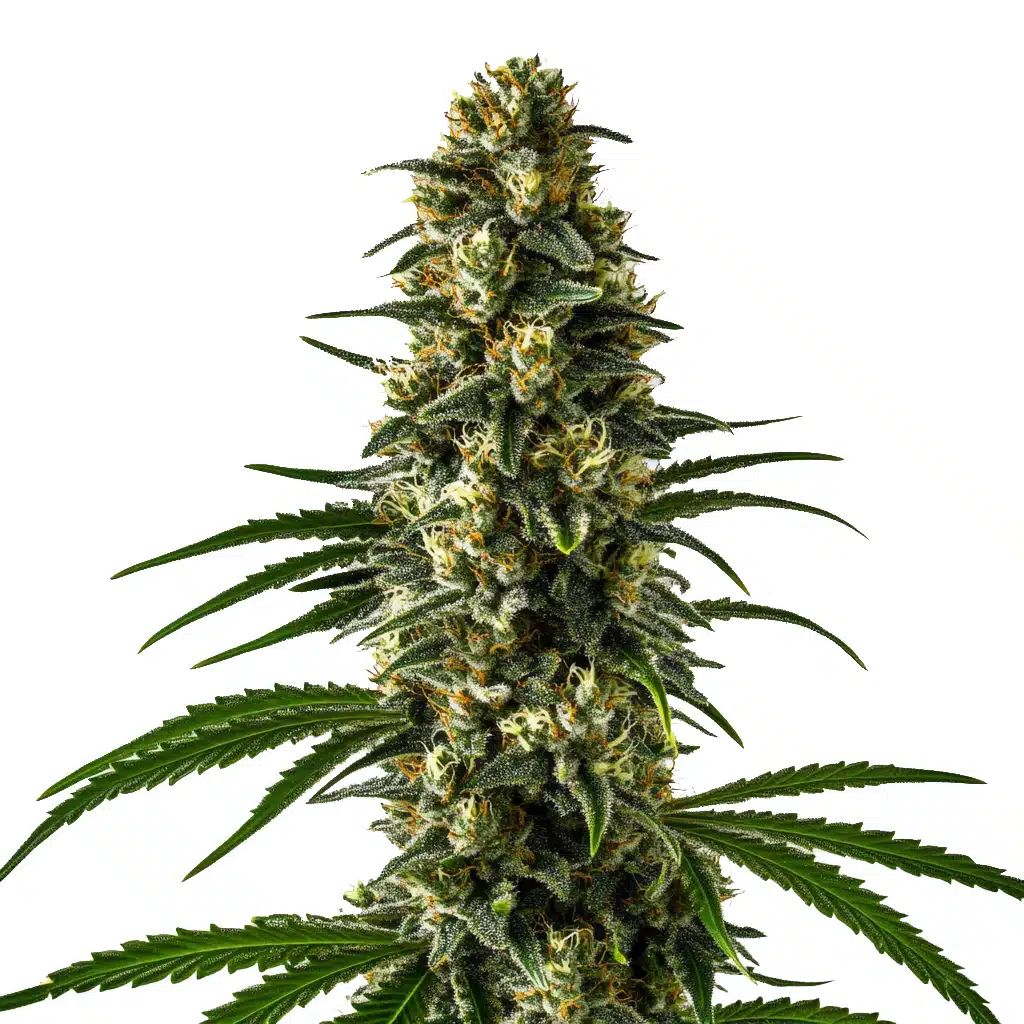
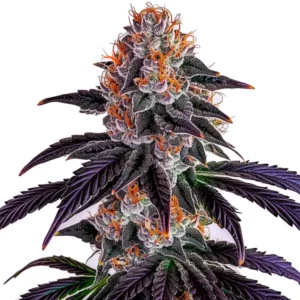
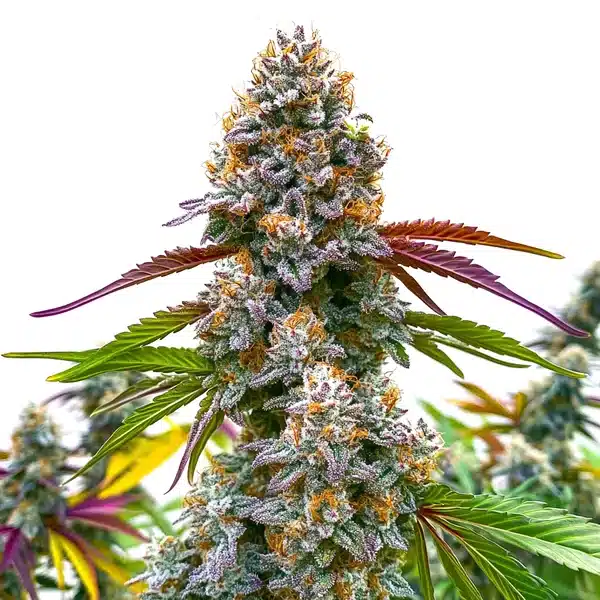
Girl Scout Cookies

|
THC | 18% - 25% (High) |

|
Type | Feminized |

|
Yield | High |

|
Phenotype | 60% Indica / 40% Sativa |
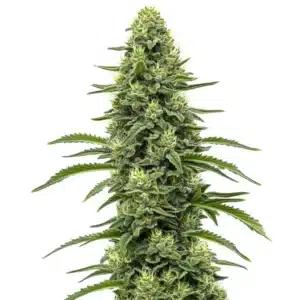
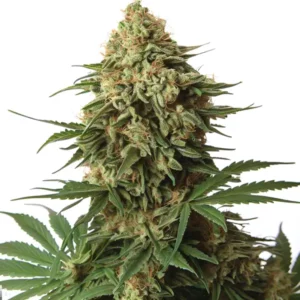
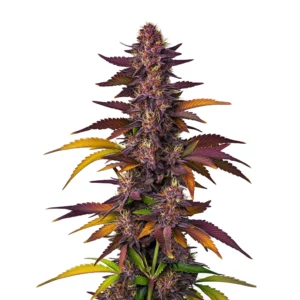
Critical Daddy Purple
|
|
THC | 19% (Medium) |
|
|
Type | Feminized |
|
|
Yield | High |
|
|
Phenotype | 50% Indica / 50% Sativa |
Before choosing seeds, know roughly how much usable light your setup provides, then pick genetics whose needs fit, rather than buying a demanding strain and starving it under a light that cannot feed it.
Promos & Deals


Matching Seeds to Your Setup
Use this as a quick guide to narrow your choice by setup:
| Your setup | Best seed choice | Why |
|---|---|---|
| Small tent, modest light | Compact autoflowers or short indicas | Stay small, finish fast, forgiving |
| Powerful LED/HID, good height | High-yield feminized photoperiods | Can use the intensity for bigger yields |
| Limited height | Indica-leaning or autos; use training | Control stretch under the light |
| Beginner, any light | Hardy, stable, feminized or auto | Easier, more predictable grow |
Space, Height and Plant Structure
Indoor space shapes seed choice as much as light. Sativa-leaning strains stretch tall and can quickly outgrow a short tent or crowd a fixture, risking light burn, while indica-leaning strains stay shorter and bushier, which suits tight vertical space. Autoflowers are naturally compact, making them ideal for small setups. Remember to leave headroom between the canopy and the light, and factor in that plants roughly stretch after the switch to flower. If height is tight, choose shorter genetics and plan to use low-stress training to keep the canopy even and within the light’s effective range.” “
Autoflower vs Feminized Photoperiod Indoors
Indoors, the big strategic choice is autoflower versus feminized photoperiod. Autoflowers flower on their own clock regardless of the light schedule, finish fast, stay small and are very beginner-friendly, perfect for compact tents and growers who want a quick, low-fuss harvest. Feminized photoperiods give you full control: you decide when to flip to 12/12, can keep plants in veg to size them up, and generally reach higher yields under strong light, at the cost of more time and management. Neither is better overall; match it to your light, space and patience. Browse autoflowering seeds for speed or feminized seeds for control.
Climate and Environment Under Lights
Indoor lights generate heat, so your ability to manage temperature and humidity also influences which seeds thrive. Hot, hard-to-cool tents favor heat-tolerant, resilient strains, while well-ventilated, climate-controlled rooms can handle more sensitive, high-performance genetics. Mold-prone, dense-budded strains need good airflow and humidity control in flower, so if your space struggles with humidity, lean toward hardier, more mold-resistant varieties.
Dialling in a stable environment lets you grow a wider range of seeds successfully, whereas a setup that runs hot or humid rewards choosing tough, forgiving genetics from the start.
Setting Realistic Yield Expectations
Finally, choose seeds with honest yield expectations for your light. Yield is capped by how much usable light reaches the canopy, so a modest fixture simply cannot produce the numbers a powerful LED can, no matter the strain. High-yield genetics shine under strong light and good conditions; under weak light they underperform and disappoint. Match the strain’s potential to what your setup can realistically support, and use training to spread the canopy so every bud site gets light.
For bigger harvests, invest in better lighting first, then choose demanding, high-yield seeds to make the most of it, see our pick of the best LED grow lights.
Common Mistakes When Choosing Indoor Seeds
A few avoidable errors undo an otherwise good setup. The most common is buying a tall, stretchy sativa for a short tent, then fighting light burn and cramped plants all cycle. Others include picking a demanding, high-yield strain for a weak light that cannot feed it, ignoring flowering time when you need a quick turnaround, and overlooking mold resistance in a humid space.
Beginners also tend to grow too many plants at once. Match height, light needs, finish time and resilience to your actual room, start with fewer, hardier plants, and your indoor grow will be far smoother and more productive.

FAQs
What are the best cannabis seeds for indoor LED lights?
Under strong LED light, high-yield feminized photoperiod strains make the most of the intensity, while compact autoflowers suit smaller LED setups. The best choice matches the strain’s light needs to your fixture’s actual output and your space. Hardy, stable genetics are the safest bet for consistent results under LEDs.
What should beginners choosing indoor seeds consider?
Beginners should favor hardy, stable, forgiving strains, often autoflowers or compact feminized indicas, that suit their light and space and do not demand perfect conditions. Consider height, how much light you really have, and your ability to manage heat and humidity. Starting easy builds skill before moving to demanding, high-yield genetics.
Are some strains better suited to artificial lighting?
Many modern strains are selected to perform well indoors under LED or HID, staying manageable in height and responding well to controlled light cycles. Autoflowers in particular are popular indoors for their compact size and flexible light schedule. Match the strain’s size and light needs to your fixture rather than seeking a single magic variety.
How important is climate control indoors?
Very. Indoor lights add heat, so managing temperature and humidity is crucial, especially in flower when dense buds can attract mold. Good climate control lets you grow a wider range of strains successfully; a hot or humid setup rewards choosing hardy, mold-resistant genetics. Stable conditions are as important as the light itself.