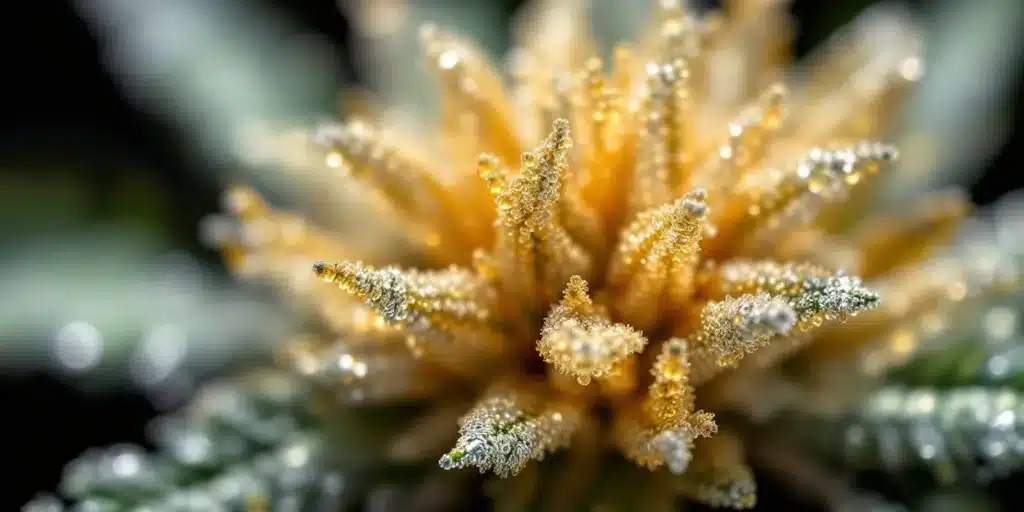
Choosing the Best Microscope for Trichomes

Optimal magnification range: For inspecting cannabis trichomes, a magnification between 60x and 200x is ideal. Utilizing a digital microscope or a macro lens for smartphones ensures clarity in determining the perfect harvest time. This setup provides growers with the precision needed to assess trichome maturity effectively, offering a clear visual guide to maximize the potency and quality of the cannabis harvest.
In cannabis cultivation, trichomes are the tiny resin glands that hold the key to potency and flavor. They contain cannabinoids and terpenes, essential for the plant’s effects. Selecting the right trichome microscope is crucial for assessing these glands. This article explores the best options and features to enhance your growing experience.
Recommended Strains

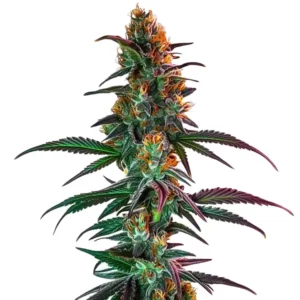
Bubblegum

|
THC | 13% - 25% (High) |

|
Type | Feminized |

|
Yield | High |

|
Phenotype | 50% Indica / 50% Sativa |

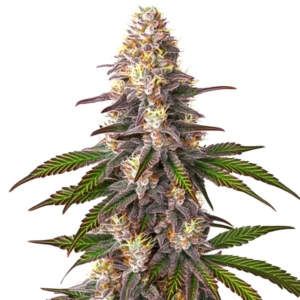
Bubblegum Auto
|
|
THC | 15% - 23% (Medium) |
|
|
Type | Autoflowering |
|
|
Yield | Low |
|
|
Phenotype | 55% Indica / 45% Sativa |
Why Use a Trichome Microscope?
Benefits of Trichome Inspection
Trichomes are crucial for determining the right harvest time. These tiny structures change color as they mature, shifting from clear to cloudy and eventually amber. Each stage indicates different cannabinoid profiles, affecting the plant’s potency and effects. For instance, cloudy trichomes often suggest peak THC levels, while amber ones might indicate a more sedative effect.
Regular inspection of trichomes helps prevent premature or late harvests, which can significantly impact the quality and potency of your cannabis. Harvesting too early can lead to underdeveloped cannabinoids, while waiting too long can degrade them. A trichome microscope allows for precise monitoring, ensuring optimal harvest timing.
Types of Trichome Microscopes
Different types of microscopes cater to various preferences and budgets. Digital microscopes offer high-resolution images and the ability to store data, making them ideal for detailed inspections. Handheld microscopes are portable and convenient, perfect for quick checks in the field. Magnifying loupes, while less detailed, are affordable and easy to use for quick assessments.
Choosing the right type depends on your specific needs. Digital microscopes provide detailed imagery, while handheld options offer convenience and portability. Consider what features are most important for your growing process to make an informed decision.
Promos & Deals


Key Features of the Best Trichome Microscopes
Magnification and Illumination
Magnification is a critical feature when selecting a trichome microscope. Ideally, a range between 30x and 100x is sufficient to observe trichome development. This range allows you to see the color changes clearly, which are essential indicators of the plant’s readiness for harvest.
Illumination is equally important. Microscopes with built-in LED lights provide consistent lighting, which is crucial for spotting the fine details of trichomes. Proper lighting ensures that you can accurately assess the trichomes’ maturity, avoiding premature or late harvests that can affect potency.
| Feature | Carson MicroBrite | AmScope LED | Celestron Digital |
|---|---|---|---|
| Magnification Range | 60x-120x | 40x-1000x | 20x-200x |
| Portability | High | Medium | High |
| Illumination | LED | LED | LED |
| Digital Features | No | No | Yes |
| Price Range | $15-$25 | $80-$150 | $60-$100 |
Portability and Ease of Use
For growers who frequently inspect their plants, portability is a valuable feature. Handheld microscopes are lightweight and easy to carry, making them ideal for quick checks in your grow area. This convenience allows for regular monitoring, ensuring you don’t miss the optimal harvest window.
Ease of use is another consideration. Microscopes that are simple to operate can save time and reduce frustration. Look for models with intuitive controls and clear displays to enhance your inspection process.
Professional Tips for Trichome Inspection
- Maintain a magnification range of 30x to 100x for trichome inspection to see clear color changes. Using a lower magnification can miss critical details.
- Use LED illumination for consistent lighting. Without proper lighting, trichome details can be obscured, leading to inaccurate assessments.
- Inspect trichomes during daylight hours for natural light enhancement. Artificial lighting can sometimes distort color perception.
- Document trichome changes with digital microscopes for future reference. This helps track plant development over time.
- Store your microscope in a cool, dry place to prevent damage from humidity and temperature fluctuations.
- Regularly clean the lenses with a soft cloth to maintain clarity and prevent residue buildup that can obscure your view.
Advanced Techniques for Trichome Analysis
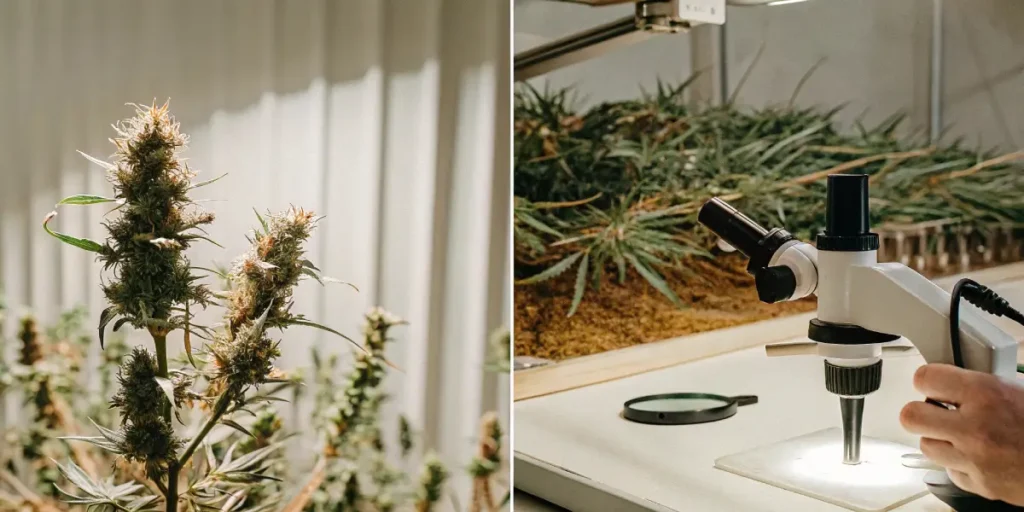
Understanding the biochemical changes in trichomes can enhance your cultivation strategy. Trichomes house cannabinoids and terpenes, which evolve as the plant matures. Using a cannabis microscope, you can observe these changes at a cellular level. This insight allows for precision in determining the optimal harvest time, ensuring maximum potency and flavor.
Advanced growers often use a weed microscope to identify stress markers in plants. By examining trichomes, you can detect signs of nutrient deficiencies or pest infestations early. This proactive approach helps maintain plant health and improve yield quality.
FAQs on Trichome Microscopes
What magnification is best for trichomes?
The ideal magnification for trichome inspection is between 30x and 100x. This range allows you to clearly see the trichomes’ color changes, which are crucial for determining the optimal harvest time. Higher magnifications can provide more detail but might not be necessary for all growers.
Is 30x enough to see trichomes?
Yes, 30x magnification is generally sufficient to see trichomes and their color changes. This level of magnification provides a basic view of trichome development, which is essential for assessing the plant’s readiness for harvest. However, higher magnifications can offer more detailed insights.
What is the easiest way to check trichomes?
The easiest way to check trichomes is using a handheld microscope with LED illumination. These devices are portable and provide sufficient magnification to observe trichome maturity. Regular checks help ensure you harvest at the optimal time for potency and flavor.
What can a 1000x microscope see?
A 1000x microscope can provide an extremely detailed view of trichomes, revealing intricate structures and potential issues like pests or mold. While not necessary for basic trichome inspection, this level of magnification can be useful for detailed plant health assessments.
How to maintain a trichome microscope?
To maintain a trichome microscope, clean the lenses regularly with a soft, lint-free cloth to remove dust and residue. Store the device in a cool, dry environment to prevent damage from humidity. Regular maintenance ensures clear and accurate trichome inspections over time.